What Is Coffee Brewing And How It Makes Your Morning Perfect
Coffee brewing is the process of extracting rich flavor and aroma from ground coffee beans using hot water. It is the heart of every great morning cup and the key to starting your day right. Understanding coffee brewing helps you choose the right method, grind size, and temperature for a perfect start to your day.
There is something magical about the first sip of coffee in the morning. The warmth, the aroma, the gentle wake-up call for your senses – it all starts with one simple process. Coffee brewing is that process. It is the bridge between raw coffee beans and the cup that gets you going. Whether you are a casual sipper or a devoted coffee lover, understanding how coffee brewing works can completely change your mornings.
Every day, millions of people around the world start their day with a freshly brewed cup. But how many of them actually stop to think about what is happening in that process? Coffee brewing is more than just pouring hot water over grounds. It is a carefully balanced interaction between water, heat, time, and coffee. When you get it right, the result is a cup that feels tailor-made for you.
In this guide, we will walk you through everything you need to know about coffee brewing. From the basic science to the most popular methods, from expert tips to common mistakes – we have you covered. By the end, you will see your morning cup in a whole new light.
Key Takeaways
- Coffee brewing is the art and science of extracting flavor from coffee grounds using water, heat, and time.
- There are many brewing methods, each producing a unique flavor profile and strength level.
- Water temperature, grind size, and brew time are the three most important factors in coffee brewing.
- Practice makes perfect – small adjustments can dramatically improve your morning cup.
- Avoid common mistakes like using boiling water, wrong grind size, or stale beans.
- The right brewing method matches your lifestyle and taste preferences.
📑 Table of Contents
What Is Coffee Brewing?
At its core, coffee brewing is the process of drawing out the flavors, oils, and aromas from ground coffee beans using water. When hot water meets coffee grounds, it dissolves soluble compounds that create the taste, body, and fragrance of your drink. This process is called extraction, and it is the foundation of every cup of coffee you have ever enjoyed.
The basic idea is simple. You take ground coffee, add water at the right temperature, and let the water do its work. But the details matter a lot. The grind size, water temperature, brew time, and ratio of coffee to water all play a role in the final result. Think of coffee brewing as a recipe – change one ingredient, and the outcome shifts.
Different methods use different approaches to extraction. A French press steeps grounds in water for several minutes. A pour-over drips water slowly through a filter. An espresso machine forces hot water through finely ground coffee at high pressure. Each method creates a different flavor experience, but they all rely on the same basic principle of coffee brewing.
The Key Elements of Extraction
Extraction is the star of the show when it comes to coffee brewing. During extraction, water dissolves hundreds of soluble compounds from the coffee grounds. These include acids, sugars, oils, and caffeine. The balance of these compounds determines whether your coffee tastes bright and fruity or deep and bold.
Under-extraction happens when not enough flavor is pulled from the grounds. The result is a weak, sour, or thin cup. Over-extraction pulls too many compounds, leading to a bitter, harsh taste. The sweet spot, called balanced extraction, gives you a smooth, flavorful cup with a pleasant finish.
Getting the balance right depends on controlling three main variables: water temperature, grind size, and contact time. Master these three, and your coffee brewing will improve dramatically.
Why Coffee Brewing Matters for Your Morning
Your morning routine sets the tone for the entire day. And for many people, coffee brewing is the centerpiece of that routine. It is not just about caffeine. It is about the ritual, the moment of calm before the chaos begins. When you brew coffee mindfully, you start your day with intention and purpose.
The way you brew your coffee affects more than just taste. It affects your energy levels, your mood, and even your focus. A well-brewed cup delivers a clean, smooth caffeine boost without the jitters. A poorly brewed cup can leave you feeling unsatisfied or overstimulated. This is why paying attention to coffee brewing is worth your time.
Think about it this way. You probably care about what you eat for breakfast. You choose foods that fuel your body and taste good. Why should your morning coffee be any different? Coffee brewing gives you the power to create a drink that truly nourishes your morning.
Building a Morning Ritual Around Coffee Brewing
One of the best things about coffee brewing is that it invites you to slow down. Even if you only have ten minutes in the morning, the act of grinding beans, heating water, and waiting for the brew to finish can be a meditative experience. It is a small pause that centers your day.
Some people like to brew their coffee in the kitchen while the oven is warming up for breakfast. But always remember to be careful – leaving the oven open can be a safety risk, especially if you have children or pets nearby. Keep your morning routine safe and enjoyable by staying aware of open heat sources.
Over time, your coffee brewing ritual becomes something you look forward to. It is a small daily luxury that costs very little but delivers huge rewards. A great morning cup can improve your entire day.
Popular Coffee Brewing Methods
There are many ways to brew coffee, and each method brings something different to the table. Some produce a clean, light cup. Others create a rich, full-bodied experience. The best method for you depends on your taste, your schedule, and your equipment. Let us explore the most popular options.
Drip Coffee Makers
The drip coffee maker is the most common coffee brewing method in homes around the world. It works by heating water and dripping it through a basket of coffee grounds. The water passes through a paper or mesh filter and collects in a carafe below.
Drip makers are convenient and easy to use. You add grounds, fill the reservoir, and press start. They are perfect for brewing multiple cups at once, making them ideal for families or offices. The downside is that they do not always give you control over water temperature or brew time, which can limit the quality of extraction.
French Press
The French press is a beloved coffee brewing method for people who love full-bodied coffee. You add coarse grounds to the press, pour hot water over them, and let the mixture steep for about four minutes. Then you press down a metal plunger to separate the grounds from the liquid.
Because the French press uses a metal filter, more of the coffee oils and fine particles stay in the cup. This creates a richer, heavier mouthfeel. Many coffee lovers consider the French press one of the best ways to experience the true character of their beans.
Pour Over
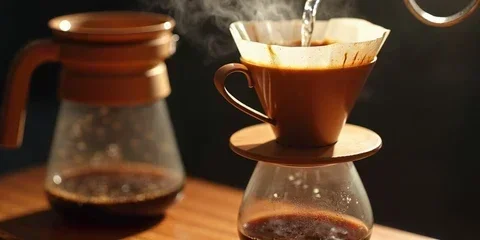
Pour-over brewing gives you the most control over the coffee brewing process. You place a filter in a cone, add ground coffee, and slowly pour hot water over the grounds in a circular motion. The water drips through the filter and into your cup or carafe below.
This method takes a bit of practice, but the results are worth it. Pour-over coffee is clean, bright, and nuanced. It highlights the subtle flavors and notes that might be lost in other methods. If you enjoy the craft of coffee, pour-over brewing is a rewarding choice.
Espresso Machines
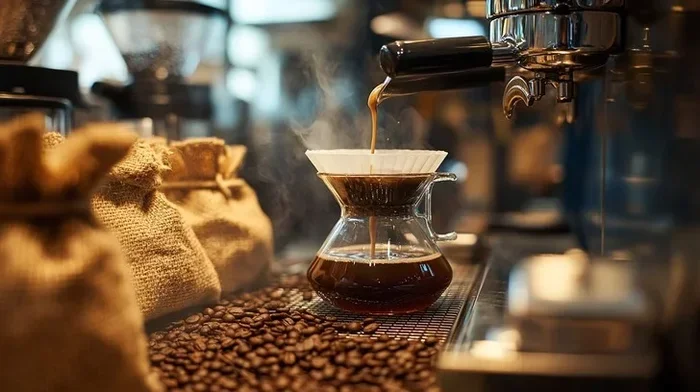
Espresso is a concentrated form of coffee made by forcing hot water through finely ground coffee at high pressure. Espresso machines are the most powerful coffee brewing tools available. They produce a thick, rich shot with a layer of crema on top.
Espresso serves as the base for many popular drinks, including lattes, cappuccinos, and americanos. While espresso machines can be expensive and require some skill, they offer incredible versatility. If you love milk-based coffee drinks, an espresso machine can transform your mornings.
Cold Brew
Cold brew is a coffee brewing method that uses cold or room-temperature water instead of hot water. You steep coarse grounds in water for 12 to 24 hours, then strain the mixture. The result is a smooth, low-acid concentrate that is perfect for hot summer days.
Cold brew is naturally sweeter and less bitter than hot-brewed coffee. It is also very easy to make – you just need time. Many people prepare a batch the night before and wake up to ready-to-drink coffee in the morning.
The Science Behind Coffee Brewing
While coffee brewing feels like an art, it is deeply rooted in science. Understanding the basic principles can help you make better coffee every single day. The extraction process follows predictable patterns, and once you understand them, you can troubleshoot problems with ease.
Water Temperature and Its Role
Water temperature is one of the most important factors in coffee brewing. The ideal range is between 195 and 205 degrees Fahrenheit. Water that is too hot will over-extract the coffee, leading to bitterness. Water that is too cool will under-extract, resulting in a weak, sour cup.
Think about how temperature works in other kitchen tasks. When you bake a roast in the oven, you need precise temperature control to get the best results. The same principle applies to coffee brewing. A simple kitchen thermometer can help you dial in the perfect water temperature.
Grind Size and Extraction
The size of your coffee grounds directly affects the speed of extraction. Fine grinds have more surface area, so they extract faster. Coarse grinds extract more slowly. Matching your grind size to your brewing method is essential for balanced flavor.
Here is a simple guide to grind sizes:
- Extra coarse – French press
- Coarse – Cold brew
- Medium – Drip coffee makers
- Medium-fine – Pour over
- Fine – Espresso
Using the wrong grind size is one of the most common mistakes in coffee brewing. If your coffee tastes bitter, try a coarser grind. If it tastes sour, try a finer grind. Small changes make a big difference.
Brew Time and Ratio
Brew time and the ratio of coffee to water are the final pieces of the puzzle. Different methods require different contact times. A French press needs about four minutes of steeping. Espresso extracts in 25 to 30 seconds. A pour-over typically takes three to four minutes.
The standard ratio for coffee brewing is about two tablespoons of ground coffee per six ounces of water. You can adjust this to taste – more coffee for a stronger brew, less for a milder one. Keeping notes on your ratios and times helps you replicate your perfect cup every day.
How to Perfect Your Coffee Brewing Routine
Now that you understand the basics, let us talk about how to improve your daily coffee brewing. Small changes can lead to big improvements in flavor, aroma, and overall enjoyment. Here are practical tips that anyone can use, regardless of their brewing method.
Start with Fresh, Quality Beans
The foundation of great coffee brewing is great coffee beans. Look for whole beans that were roasted within the past two to four weeks. Fresh beans retain more flavor and aroma, which means a better cup. Store your beans in an airtight container away from light and heat.
Buying beans from local roasters is a great way to ensure freshness. Many roasters roast in small batches and can tell you exactly when the beans were roasted. This level of freshness makes a noticeable difference in coffee brewing quality.
Invest in a Good Grinder
Grinding your own beans just before brewing is one of the best things you can do for coffee brewing. Pre-ground coffee loses flavor quickly because the oils and aromatics escape after grinding. A burr grinder gives you consistent particle size, which leads to more even extraction.
You do not need an expensive grinder to see improvement. Even a mid-range burr grinder will produce better results than a blade grinder or pre-ground coffee. Consistent grounds mean consistent flavor, and consistency is the key to great coffee brewing.
Use Filtered Water
Coffee is about 98 percent water, so the quality of your water matters a lot. Tap water can contain chlorine, minerals, and other impurities that affect the taste of your brew. Using filtered water removes these off-flavors and lets the true character of the coffee shine through.
You do not need expensive bottled water. A simple carbon filter pitcher or a faucet-mounted filter works well. The goal is clean, neutral water that does not add or mask any flavors during coffee brewing.
Experiment and Keep Notes
The best way to improve your coffee brewing is to experiment. Try different beans, grind sizes, water temperatures, and ratios. Change one variable at a time so you can tell what is making a difference. Keep a simple notebook with your settings and results.
Over time, you will develop an intuition for what works best. You will know exactly how to adjust your process when you want a stronger cup or a lighter one. This kind of hands-on learning is what makes coffee brewing so rewarding and personal.
Clean Your Equipment Regularly
Old coffee oils and residue can build up in your brewing equipment, creating stale flavors. Cleaning your grinder, carafe, filter basket, and any other parts regularly keeps your coffee brewing tasting fresh. A simple rinse after each use and a deeper clean once a week goes a long way.
For espresso machines, regular descaling is essential. Mineral buildup from hard water can clog internal parts and affect temperature stability. Clean equipment means better extraction and a better cup every time.
Common Coffee Brewing Mistakes to Avoid
Even experienced coffee drinkers make mistakes in coffee brewing. Knowing what to avoid can save you from many common pitfalls. Here are the most frequent errors and how to fix them.
Using boiling water. Many people assume hotter water means better extraction. In reality, boiling water is too hot and will scorch the coffee grounds, producing a bitter taste. Let your water cool for 30 to 45 seconds after boiling before using it for coffee brewing.
Using the wrong grind size. As we discussed earlier, grind size matters enormously. Using a fine grind in a French press will create a gritty, over-extracted cup. Using a coarse grind in an espresso machine will result in weak, under-extracted coffee. Always match your grind to your method.
Ignoring the ratio. Scooping coffee by eye leads to inconsistency. Measuring your coffee and water carefully ensures that every cup is balanced. A kitchen scale is an inexpensive tool that dramatically improves the precision of your coffee brewing.
Using stale beans. Coffee beans start losing flavor within weeks of roasting. If your beans have been sitting in the pantry for months, they will not deliver the best flavor. Buy in smaller quantities and use them within a month of the roast date.
Skipping the pre-wet step. For methods like pour-over and French press, wetting the grounds before full brewing (called blooming) allows trapped gases to escape. This leads to more even extraction and a cleaner cup. Do not skip this simple step in your coffee brewing routine.
Not cleaning equipment. As mentioned above, buildup of old oils and minerals degrades flavor over time. Regular cleaning is not glamorous, but it is essential for consistent coffee brewing results.
The Role of Kitchen Appliances in Coffee Brewing
Your kitchen setup can influence your coffee brewing experience more than you might think. The appliances you use, the layout of your kitchen, and even how you store your equipment all play a role. Think of your kitchen as your coffee brewing station.
Many modern kitchens have a variety of appliances that can support or complicate your routine. For example, some people use their oven to warm up mugs before brewing, which helps maintain the optimal temperature during coffee brewing. However, always be mindful of safety – just as you would check if an appliance is safe to use, make sure your kitchen setup supports a smooth morning routine.
It is also worth noting that kitchen appliances are not all the same. If you have ever wondered whether different types of kitchen equipment work the same way, consider this – an oven and an air fryer may seem similar, but they operate differently. The same idea applies to coffee brewing methods. Each tool has its own strengths, and choosing the right one for your needs makes all the difference.
Creating a dedicated coffee brewing area in your kitchen can make the process faster and more enjoyable. Keep your grinder, filters, kettle, and beans within easy reach. A well-organized space encourages consistency and makes it easier to stick to your morning ritual.
Conclusion
Coffee brewing is far more than a simple daily task. It is a blend of art, science, and personal preference that shapes the way you start every morning. From understanding the basics of extraction to mastering your favorite method, every step you take improves your cup. The beauty of coffee brewing is that there is always something new to learn and explore.
Whether you prefer the simplicity of a drip maker, the richness of a French press, or the precision of a pour-over, the principles remain the same. Use fresh beans, clean water, the right temperature, and proper technique. Avoid the common mistakes, keep experimenting, and trust your taste buds.
Your morning cup is a reflection of your effort and attention. When you invest a little care into coffee brewing, the reward is a cup that energizes, inspires, and comforts you every single day. So take a moment tomorrow morning to appreciate the process. Your perfect cup is waiting for you.
Frequently Asked Questions
What is the best method for coffee brewing?
There is no single best method because it depends on your taste preferences and lifestyle. Drip coffee makers are convenient for busy mornings, French press delivers a rich full-bodied cup, pour-over offers the most control, and espresso machines create concentrated, milk-based drinks. The best method is the one that fits your routine and delivers the flavor you love.
What temperature should I use for coffee brewing?
The ideal water temperature for coffee brewing is between 195 and 205 degrees Fahrenheit. Water that is too hot will over-extract and make your coffee bitter, while water that is too cool will under-extract and leave it sour. If you do not have a thermometer, let boiling water sit for about 30 to 45 seconds before pouring it over your grounds.
How long should I brew coffee for?
Brew time depends on your method. A French press needs about four minutes of steeping. Pour-over brewing takes three to four minutes. Espresso extracts in 25 to 30 seconds. Cold brew requires 12 to 24 hours of steeping. Following the recommended brew time for each method helps you achieve balanced extraction and the best possible flavor.
Can I reuse coffee grounds for a second brew?
Yes, you can reuse grounds for a second brew, but the flavor will be much weaker. The first extraction pulls out the majority of soluble compounds, leaving very little flavor for a second round. If you want to reduce waste, consider composting used grounds instead of re-brewing them.
Does grind size really matter in coffee brewing?
Absolutely. Grind size is one of the three most important factors in coffee brewing. Fine grinds extract quickly and are best for espresso, while coarse grinds extract slowly and work well for French press and cold brew. Using the wrong grind size for your method leads to over-extraction or under-extraction, both of which result in poor flavor.
How should I store my coffee beans?
Store whole coffee beans in an airtight container at room temperature, away from direct sunlight and heat. Avoid storing beans in the refrigerator or freezer, as moisture and odors can affect the flavor. For the freshest taste, buy beans in small quantities and use them within two to four weeks of the roast date.