How To Clean Coffee Maker With Hydrogen Peroxide Fast
Cleaning your coffee maker with hydrogen peroxide is a quick, safe, and effective way to remove mineral buildup and coffee oils. This simple method restores your machine’s performance and improves the taste of every cup. You only need a basic solution, a few minutes, and a thorough rinse to enjoy fresh-brewed coffee again.
Key Takeaways
- Hydrogen peroxide is a powerful yet gentle descaler: It breaks down mineral deposits and coffee residue without damaging internal parts.
- You only need a simple solution: Mix 3% hydrogen peroxide with water for a safe and effective clean.
- Regular cleaning extends your coffee maker’s lifespan: Descale every 1 to 3 months to prevent buildup and maintain brew quality.
- No scrubbing required: The solution runs through the system, loosening grime on its own.
- Safe for all coffee maker types: Works in drip machines, single-serve brewers, and carafe models.
- Improve coffee taste instantly: Remove oily residues that cause bitter or stale flavors.
📑 Table of Contents
- Why Hydrogen Peroxide Is the Best Way to Clean Your Coffee Maker
- What You’ll Need Before You Start
- Step-by-Step Guide to Cleaning Your Coffee Maker with Hydrogen Peroxide
- How Often Should You Clean Your Coffee Maker?
- Common Mistakes to Avoid When Cleaning with Hydrogen Peroxide
- How This Method Compares to Other Cleaning Approaches
- Final Thoughts on Cleaning Your Coffee Maker with Hydrogen Peroxide
Why Hydrogen Peroxide Is the Best Way to Clean Your Coffee Maker
Your coffee maker works hard every day. It brews hot water through grounds, passes oils through filters, and builds up mineral deposits over time. These residues affect the flavor of your coffee and can slow down the brew cycle. Many people reach for white vinegar, but hydrogen peroxide offers a faster, gentler alternative.
Hydrogen peroxide is a natural oxidizer. It breaks down organic matter like coffee oils and hard water scale without leaving a harsh chemical smell. Unlike vinegar, it rinses away cleanly and leaves no lingering taste. This makes it ideal for coffee maker cleaning when you want results fast.
Using hydrogen peroxide also saves time. You do not need to scrub the carafe or run multiple cycles. A single solution flush removes most buildup. This coffee maker cleaning hack is perfect for busy mornings when you want a fresh pot without the fuss.
What Makes Hydrogen Peroxide Effective
Hydrogen peroxide (H₂O₂) releases oxygen when it contacts organic material. That oxygen bubbles away stains, biofilm, and mineral deposits. It is safe for most coffee machine parts, including plastic, glass, and stainless steel. The 3% concentration found in drugstores is strong enough to clean but gentle enough to avoid damage.
For coffee maker maintenance, hydrogen peroxide also acts as a mild disinfectant. It kills bacteria and mold spores that can grow in warm, damp areas like the water reservoir. This adds a hygiene benefit beyond just descaling.
Safety Considerations
Always use 3% hydrogen peroxide, which is the standard household strength. Higher concentrations can damage seals and gaskets. Never mix hydrogen peroxide with vinegar or bleach. While it is safe for your machine, avoid direct skin contact and keep it away from children. Rinse the machine thoroughly after cleaning to ensure no residue remains in your next cup.
What You’ll Need Before You Start
Gather a few simple items before you begin. The entire coffee maker cleaning process takes less than 15 minutes. Having everything ready makes the job even faster.
Ingredients and Tools
- 3% hydrogen peroxide (one standard bottle)
- Fresh, cold water
- A clean microfiber cloth or soft sponge
- Your coffee maker’s removable parts (carafe, filter basket, lid)
Preparing the Solution
Mix equal parts hydrogen peroxide and water. For most machines, one cup of each works well. Pour the solution into the water reservoir. Do not add grounds or a filter yet. The solution will run through the brew cycle just like water.
If your machine has a strong buildup, you can use a slightly stronger ratio of two parts peroxide to one part water. However, start with the equal mix for a safe first clean. This descaling solution will loosen deposits without harsh scrubbing.
Step-by-Step Guide to Cleaning Your Coffee Maker with Hydrogen Peroxide
Follow these simple steps to restore your coffee maker to like-new condition. Each step targets a different area of the machine for a complete clean.
Step 1: Empty and Rinse the Machine
Start with an empty coffee maker. Remove any leftover grounds from the filter basket. Dump the water from the reservoir. Rinse the carafe and lid with warm water. This initial rinse removes loose debris and lets the hydrogen peroxide solution work more effectively.
Step 2: Run the Hydrogen Peroxide Solution
Pour the peroxide and water mixture into the reservoir. Place a clean mug or carafe on the warming plate. Start a full brew cycle without coffee grounds. Let the machine run halfway, then turn it off. Let the solution sit inside the machine for 30 minutes. This dwell time allows the peroxide to dissolve mineral deposits and coffee oils.
After 30 minutes, restart the brew cycle and let it run to completion. The solution will flush through the tubes and out into the mug. You may see brownish water or small particles—that is normal. It means the coffee maker descaling is working.
Step 3: Rinse Thoroughly
Once the cycle finishes, discard the mug contents. Refill the reservoir with fresh, clean water. Run two to three full brew cycles with plain water. This rinses out any remaining hydrogen peroxide and loosened debris. Taste the water from the last cycle. If it smells or tastes like peroxide, run one more rinse cycle.
A thorough rinse is the most important step. Even a small amount of peroxide can affect the flavor of your next pot of coffee. Coffee maker cleaning is only effective when you remove all cleaning agents completely.
Step 4: Clean the Carafe and Filter
While the machine is rinsing, wash the carafe, filter basket, and lid by hand. Use warm water and a drop of dish soap. For stained glass carafes, add a sprinkle of baking soda and scrub gently with a soft sponge. Rinse all parts well and dry them before reassembling the machine.
If your coffee maker uses a permanent filter, soak it in a mix of warm water and a splash of hydrogen peroxide for five minutes. Rinse it clean. This removes oils that can turn rancid and affect brew taste. Reassemble everything once all parts are dry.
How Often Should You Clean Your Coffee Maker?
Regular coffee maker maintenance keeps your machine running smoothly and your coffee tasting fresh. A deep clean with hydrogen peroxide should happen every one to three months, depending on how often you brew and how hard your water is.
Daily Care Tips
- Empty the filter basket and grounds after every brew.
- Rinse the carafe and lid with warm water daily.
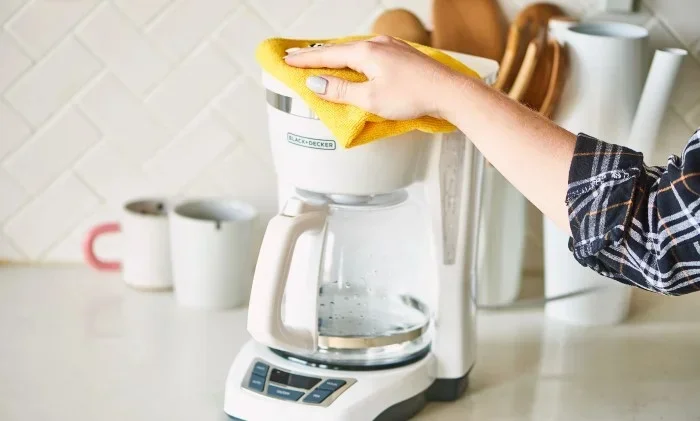
- Wipe the outside of the machine with a damp cloth.
- Leave the lid off the carafe to air dry and prevent mold.
Monthly Descaling Schedule
If you live in an area with hard water, descale monthly. Hard water leaves calcium and lime deposits that build up quickly. Even with soft water, coffee oils accumulate over time. A monthly hydrogen peroxide flush prevents these deposits from hardening into stubborn scale. Set a reminder on your phone or calendar to stay on track.
For coffee maker cleaning between deep cleans, you can run a plain water cycle with a tablespoon of baking soda. This keeps the tubes fresh without a full peroxide treatment.
Common Mistakes to Avoid When Cleaning with Hydrogen Peroxide
Even simple cleaning methods can go wrong if you skip steps or use the wrong concentration. Avoid these common errors to get the best results.
Using Too High a Concentration
Never use food-grade hydrogen peroxide above 3% in your coffee maker. Higher concentrations can degrade plastic components and rubber seals. Stick to the standard brown bottle from the drugstore. It is perfectly safe and effective for coffee maker descaling.
Skipping the Rinse Cycle
The biggest mistake is not rinsing enough. Hydrogen peroxide has a sharp taste that can ruin your coffee if left behind. Always run at least two full cycles of plain water after the cleaning solution. If your machine has a “clean cycle” or “rinse” setting, use it. A proper rinse ensures your next pot of coffee tastes pure and fresh.
Forgetting to Clean Removable Parts
Running peroxide through the machine is only half the job. The carafe, filter basket, and water reservoir lid collect just as much grime. Wash them separately with warm soapy water. If you skip this step, old oils and residues will mix with your fresh brew. A complete coffee maker cleaning includes every part that touches your coffee.
How This Method Compares to Other Cleaning Approaches
There are several ways to clean a coffee maker. Hydrogen peroxide offers unique benefits compared to other popular methods.
Hydrogen Peroxide vs. Vinegar
Vinegar is the most common home descaler. It uses acetic acid to dissolve mineral deposits. However, vinegar leaves a strong smell and taste that can linger for days. Hydrogen peroxide breaks down into water and oxygen, so it rinses away cleanly with no odor. For coffee maker cleaning where taste is the priority, peroxide wins.
Vinegar also works slower and often requires multiple cycles to remove heavy scale. Hydrogen peroxide acts faster and is gentler on machine parts. If you have ever struggled with a vinegar smell in your kitchen, peroxide offers a better alternative.
Commercial Descalers vs. Homemade Solutions
Store-bought coffee maker descalers are effective but expensive. They often contain citric acid or sulfamic acid. These chemicals work well but can leave a chemical aftertaste if not rinsed perfectly. Homemade solutions like hydrogen peroxide and water are cheaper and just as effective for most machines. They also avoid the mystery chemicals found in some commercial products.
If you want a natural, affordable, and fast coffee maker descaling method, hydrogen peroxide is hard to beat. It is a go-to cleaning hack for many coffee lovers who want professional results at home.
For other kitchen appliances that need a deep clean, you might also enjoy our guide on how to clean oven with dishwasher tablet without scrubbing. That method uses a similar no-scrub approach and works wonders on baked-on grime. If you own a toaster oven, check out how to clean Oster toaster oven for simple maintenance tips. And for air fryer owners, learn how to deep clean Ninja air fryer oven to keep your appliance running at its best.
Final Thoughts on Cleaning Your Coffee Maker with Hydrogen Peroxide
How To Clean Coffee Maker With Hydrogen Peroxide is one of the easiest and most effective maintenance routines you can adopt. It removes mineral scale, coffee oils, and stale residues in minutes. The process requires no special tools, no harsh scrubbing, and no expensive commercial products. A simple peroxide and water solution restores your machine’s performance and makes every cup of coffee taste better.
Make coffee maker cleaning a regular habit. Just 15 minutes every few months keeps your machine running smoothly and your coffee tasting fresh. Hydrogen peroxide is safe, affordable, and leaves no unpleasant odors behind. Try this method today and notice the difference in your next brew.
Remember to rinse thoroughly and clean all removable parts. With these simple steps, your coffee maker will stay in top condition for years. Enjoy the confidence of a clean machine and the rich flavor of a perfectly brewed cup every morning.
Frequently Asked Questions
Can I use hydrogen peroxide to clean a single-serve coffee maker?
Yes, the same method works for single-serve machines like Keurig or Nespresso. Run the peroxide solution through a brew cycle without a pod, then rinse with two to three cycles of plain water. This removes mineral buildup and coffee oils from the internal tubing.
Is hydrogen peroxide safe for all coffee maker materials?
3% hydrogen peroxide is safe for glass, stainless steel, and most plastics found in coffee makers. Avoid using higher concentrations, which can degrade rubber seals and plastic components over time. Stick to the standard household strength for safe cleaning.
How often should I descale my coffee maker with hydrogen peroxide?
Descale every one to three months depending on usage and water hardness. If you brew daily or have hard water, aim for monthly cleaning. Regular descaling prevents mineral buildup and keeps your coffee tasting fresh.
Will hydrogen peroxide leave a taste in my coffee?
Only if you do not rinse thoroughly. After the cleaning cycle, run at least two to three full brew cycles with plain water. The final rinse water should taste completely clean and neutral with no chemical smell.
Can I mix hydrogen peroxide with vinegar for a stronger clean?
No, never mix hydrogen peroxide with vinegar or any other cleaning agent. The combination can create harmful byproducts and reduce the effectiveness of both. Use hydrogen peroxide alone for safe and effective coffee maker descaling.
What should I do if my coffee maker still smells after cleaning?
A lingering smell usually means residue is trapped in the water reservoir or filter basket. Remove all parts and wash them with warm soapy water. Run two extra rinse cycles with plain water. If the smell persists, repeat the peroxide cleaning process and ensure a thorough final rinse.