Simple Ways To Remove Green Algae From Coffee Machine
Green algae in your coffee machine can affect taste and hygiene. This guide shows you how to remove green algae from coffee machine using simple household ingredients like vinegar, baking soda, and citric acid. You’ll learn proven cleaning steps, prevention strategies, and maintenance tips to keep your machine running smoothly.
You open your coffee machine one morning and notice something unsettling. A greenish film coats the inside. Maybe it is on the nozzle or floating in the water reservoir. That green stuff is algae, and it is more common than you think. Many coffee lovers face this problem but feel too embarrassed to talk about it. The good news? You can fix it yourself at home. Removing green algae from coffee machine is easier than most people expect. You do not need expensive chemicals or professional help. A few simple ingredients from your kitchen pantry will do the trick. In this guide, we walk you through every step. You will learn what causes algae, how to get rid of it, and how to stop it from coming back. Let us dive in and get your coffee machine sparkling clean again.
Your coffee machine is a daily companion. It brews your morning cup, fuels your productivity, and deserves proper care. Yet many people forget that coffee machines need regular cleaning just like any other kitchen appliance. Water sits inside the machine for hours. Warmth and moisture create the perfect breeding ground for algae. Over time, this green growth can affect the taste of your coffee and even pose health risks. Cleaning your coffee machine regularly prevents buildup and keeps your drinks tasting fresh. Whether you use a drip machine, pod system, or espresso maker, the same principles apply. Let us explore everything you need to know about tackling green algae head-on.
Key Takeaways
- Green algae grows in coffee machines due to moisture and warmth: Understanding the cause helps you prevent it from coming back.
- Vinegar and baking soda are the most effective natural cleaners: These household items safely break down algae and mineral buildup.
- Regular descaling every 1-3 months keeps algae away: A simple maintenance schedule saves you time and money.
- Never ignore signs of algae growth: Strange tastes, odors, or green residue mean it is time to clean immediately.
- Prevention is easier than removal: Simple habits like drying the machine and using filtered water make a big difference.
📑 Table of Contents
Why Green Algae Grows in Coffee Machines
Understanding the root cause makes prevention much easier. Algae is a simple plant organism. It needs three things to thrive: moisture, warmth, and light. Your coffee machine provides all three. The warm interior and standing water create an ideal environment. Even small traces of minerals in tap water feed algae growth. Over days and weeks, these tiny organisms multiply and form visible green patches. Let us break down the main reasons algae takes hold inside your machine.
The Role of Standing Water
Coffee machines hold water in reservoirs for extended periods. If you do not use the machine daily, that water sits stagnant. Stagnant water allows algae spores to settle and grow. These spores float in the air and land on wet surfaces inside your machine. Even if you use your machine daily, leftover water in the drip tray or nozzle can collect algae over time. This is why regular coffee machine maintenance matters so much. Emptying and drying the reservoir between uses reduces the risk significantly.
Mineral Build-Up Creates a Breeding Ground
Tap water contains calcium and magnesium. These minerals create a white or chalky buildup inside your machine. That buildup gives algae something to cling to and feed on. The mineral layer becomes a rough surface where green algae can easily attach. This is why descaling your coffee machine is so important. Descaling removes mineral deposits and exposes any algae hiding underneath. Without regular descaling, algae and minerals work together to clog your machine and ruin your coffee flavor.
Warm and Dark Environments Encourage Growth
Coffee machines sit on kitchen counters, often away from direct sunlight. The dark interior combined with warmth from brewing creates a cozy spot for algae. Unlike plants that need sunlight, many types of algae thrive in low-light, warm conditions. This is why machines in warm kitchens or near heat sources face more algae problems. Keeping your machine in a cooler spot and cleaning it often helps control growth.
How To Spot Green Algae in Your Coffee Machine
Before you clean, you need to confirm the problem is algae and not just mineral deposits. Green algae has distinct signs that set it apart from other buildup. Learning to identify it early saves you from bigger problems later.
Visual Signs
Look for green, slimy film inside the water reservoir. Check the nozzle, drip tray, and internal tubes. Green patches or fuzzy spots are clear indicators. Sometimes algae appears as a thin green layer on the walls of the reservoir. In severe cases, you might see clumps floating in the water after you run the machine.
Smell and Taste Changes
One of the first signs of algae is a musty or earthy smell coming from your machine. If your coffee suddenly tastes different, sour, or off, algae could be the culprit. Trust your senses here. Fresh coffee should smell and taste clean. Any strange odor or flavor is a warning sign you should not ignore.
Performance Issues
Green algae buildup can clog your machine. You might notice slower brewing times or uneven water flow. If your coffee machine starts making unusual gurgling sounds, algae or mineral blockages could be the cause. These performance drops are your machine telling you it needs attention.
How To Remove Green Algae From Coffee Machine
Now for the part you have been waiting for. Here is how to actually get rid of green algae from your coffee machine. We cover three proven methods using common household items. Each method works well, so you can choose what suits you best.
Method 1: Vinegar and Water Solution
White distilled vinegar is one of the most effective natural cleaners for coffee machines. It breaks down algae and dissolves mineral deposits at the same time. Here is how to do it step by step.
- Empty the water reservoir completely.
- Mix equal parts white vinegar and fresh water. For a standard machine, use about four cups of each.
- Pour the solution into the reservoir.
- Run a full brew cycle without coffee grounds. Let the machine run halfway, then pause for 30 minutes.
- Resume the cycle and let it finish.
- Repeat with plain fresh water two to three times to rinse out the vinegar taste.
After this process, your machine should smell fresh and taste clean. The vinegar kills algae and loosens buildup so it rinses away easily.
Method 2: Baking Soda and Warm Water
Baking soda is a gentle but effective cleaner. It works well for light to moderate algae growth. Here is the process.
- Mix two tablespoons of baking soda with one cup of warm water.
- Stir until the baking soda fully dissolves.
- Pour the solution into the water reservoir.
- Run a full brew cycle with plain water.
- Rinse the reservoir thoroughly and repeat the rinse cycle twice.
Baking soda is safe for all coffee machine types. It does not leave behind any harsh chemical taste. This method is perfect if you prefer a gentler approach.
Method 3: Citric Acid Descaling
Citric acid is a powerful descaler that also kills algae effectively. It is commonly used in commercial descaling products but costs much less when bought in pure form.
- Dissolve one tablespoon of citric acid in two cups of warm water.
- Pour the solution into the reservoir.
- Run a complete brew cycle.
- Let the solution sit in the machine for 15 minutes after the cycle ends.
- Run two to three rinse cycles with fresh water.
Citric acid works especially well for machines with heavy mineral and algae buildup. It is a favorite among coffee enthusiasts who want a deep clean without harsh chemicals.
Deep Cleaning Tips for Stubborn Algae
Sometimes surface cleaning is not enough. Stubborn algae can hide in hard-to-reach places inside your machine. Here are some deep cleaning strategies that get the job done.
Clean the Reservoir and Removable Parts
Take out the water reservoir, drip tray, and any removable parts. Wash them by hand with warm soapy water. Use a soft brush to scrub away green algae gently. For tough spots, soak the parts in a vinegar solution for 20 minutes before scrubbing. Rinse everything thoroughly before putting it back together.
Flush the Internal Tubes
Algae can build up inside the internal tubes that carry water. To flush them, fill the reservoir with a vinegar solution and run several brew cycles in a row. This pushes the cleaning solution through all the internal pathways. Follow up with multiple rinse cycles to clear out any residue.
Use a Soft Brush on the Nozzle
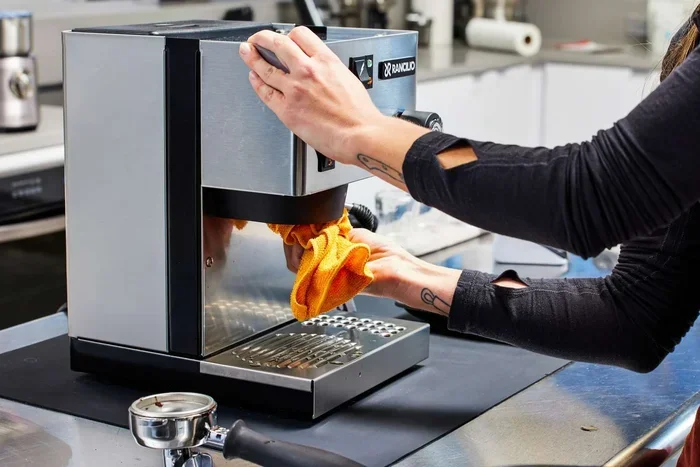
The nozzle or spray head is a common spot for algae buildup. Use a soft-bristled brush or a toothpick to gently remove green deposits. Be careful not to damage any delicate parts. A damp cloth soaked in vinegar works great for wiping down the nozzle area.
For especially tough cases, you might consider using a cleaning tablet designed for coffee machines. These tablets are formulated to dissolve both mineral deposits and organic buildup like algae. Follow the instructions on the package for best results.
How To Prevent Green Algae From Returning
Cleaning is only half the battle. Prevention is what keeps your coffee machine algae-free for the long term. Here are simple habits that make a huge difference.
Empty and Dry the Reservoir Daily
After your last brew of the day, empty any remaining water from the reservoir. Dry the inside with a clean towel or let it air dry with the lid open. This removes the standing water that algae needs to grow. It is a small habit that pays off big time.
Use Filtered Water
Filtered water has fewer minerals than tap water. This means less mineral buildup and less food for algae. Using a simple water filter pitcher or installing a filter on your tap makes a noticeable difference. Your machine stays cleaner longer, and your coffee tastes better too.
Descale Regularly
Set a schedule to descale your coffee machine every four to six weeks. Regular descaling removes mineral deposits before they become a problem. It also clears out any early-stage algae before it gets established. Mark it on your calendar or set a phone reminder to stay consistent.
Leave the Lid Open When Not in Use
Algae thrives in dark, moist environments. Leaving the lid open allows air to circulate inside the machine. This dries out the interior and makes it less inviting for algae growth. It also helps prevent musty odors from developing.
Do Not Leave Coffee Grounds Sitting
Old coffee grounds left in the machine can harbor bacteria and algae. Always discard used grounds after brewing. If you use a reusable filter, rinse it thoroughly after each use and let it dry completely before the next brew.
Common Mistakes To Avoid When Cleaning Your Coffee Machine
Even with the best intentions, people make mistakes when cleaning their coffee machines. Here are some pitfalls to avoid.
Using Harsh Chemical Cleaners
Bleach and strong chemical cleaners can damage your machine and leave behind harmful residues. These chemicals can end up in your next cup of coffee, which is a serious health risk. Stick to natural cleaners like vinegar, baking soda, or citric acid. They are safe, effective, and affordable.
Skipping the Rinse Cycles
Some people run the cleaning solution through the machine and call it done. This leaves behind vinegar or citric acid taste in the next pot of coffee. Always run at least two to three plain water rinse cycles after any cleaning solution. Your taste buds will thank you.
Neglecting Small Parts
The reservoir lid, drip tray, and nozzle often get overlooked during cleaning. These small parts collect algae and bacteria just like the main chamber. Take them apart and clean them separately every time you deep clean your machine.
Ignoring Warning Signs
If you notice a strange taste, smell, or green residue, do not wait to clean. The longer you wait, the worse the algae problem becomes. Early action keeps cleaning quick and easy. Delaying only lets the problem grow and potentially damage your machine.
When you think about how much time and effort you put into choosing the right coffee beans and perfecting your brew, spending a few minutes cleaning your machine is a no-brainer. A clean coffee machine brews better coffee and lasts longer. Treating your machine with regular care is one of the best investments you can make for your daily coffee routine.
If you are dealing with a specific cleaning challenge, check out our guide on how to clean oven with dishwasher tablet without scrubbing for another effective use of this versatile cleaning method. Similarly, if you want to learn more about maintaining your kitchen appliances, our article on how to clean melted plastic out of an oven offers helpful tips for tackling tough residue in any kitchen appliance. For broader appliance care, you might also find our piece on how to use Aqualift self clean on KitchenAid oven useful for understanding self-cleaning features across different machines.
Final Thoughts
Removing green algae from coffee machine does not have to be complicated or time-consuming. With the right approach and a few household ingredients, you can restore your machine to like-new condition. The key is consistency. Clean regularly, use filtered water, and dry your machine after each use. These simple habits prevent algae from taking hold in the first place. Your coffee machine works hard for you every day. Give it the care it deserves, and it will reward you with fresh, great-tasting coffee for years to come. Start today. Your next cup of coffee will taste even better knowing it came from a clean, well-maintained machine.
Frequently Asked Questions
Can green algae in a coffee machine make you sick?
Yes, consuming coffee brewed through a machine with algae buildup can cause stomach upset or other health issues. Algae can harbor bacteria and produce unpleasant toxins. It is important to clean your machine as soon as you notice any green growth to protect your health.
How often should I descale my coffee machine to prevent algae?
Descaling every four to six weeks is recommended for most coffee machines. If you live in an area with hard water, you may need to descale more frequently. Regular descaling removes mineral deposits that algae feed on and keeps your machine running efficiently.
Is white vinegar safe for all types of coffee machines?
White vinegar is generally safe for most coffee machines including drip machines, pod systems, and espresso makers. However, always check your manufacturer’s manual first. Some machines with special internal coatings may have specific cleaning restrictions that you should follow.
Can I use bleach to clean green algae from my coffee machine?
No, you should never use bleach in a coffee machine. Bleach is too harsh and can leave dangerous chemical residues that end up in your coffee. Stick to natural cleaners like vinegar, baking soda, or citric acid. They are effective and completely food-safe when rinsed properly.
What is the difference between mineral buildup and green algae?
Mineral buildup appears as white or chalky deposits, while green algae looks like a slimy green film or patches. Mineral buildup is caused by hard water, whereas algae is a living organism that grows in moist, warm conditions. Both require cleaning but algae needs a disinfecting approach with vinegar or citric acid.
Can I prevent algae by just using bottled water in my coffee machine?
Using bottled or filtered water helps reduce mineral content and lowers the risk of algae growth. However, it does not completely prevent algae because spores can still enter through the air and settle on wet surfaces. Combining filtered water with regular cleaning and drying practices gives you the best protection against algae.