How To Cook Marlin In The Oven Easy With Simple Steps
Cooking marlin in the oven is simple, fast, and incredibly rewarding. This guide walks you through every step of how to cook marlin in the oven easy, from prep to plating. You will learn the best temperatures, seasonings, and timing for juicy, flavorful results. Whether you are a beginner or a home cook, these simple oven-baked marlin steps will transform your kitchen game. Get ready to make restaurant-quality fish dinners at home.
There is something special about putting a beautiful piece of fish in the oven and walking away. How to cook marlin in the oven easy is a question many home cooks ask, and the answer is simpler than you think. Marlin is a firm, meaty fish that holds up beautifully in the heat. It flakes perfectly and soaks up flavors like a dream.
If you have never tried oven-baked marlin before, you are in for a real treat. This fish is packed with protein, rich in healthy fats, and incredibly versatile. You can keep it simple with salt and lemon, or go bold with tropical marinades. Either way, the results are always impressive.
This guide gives you everything you need. From picking the right cut to pulling a golden fillet out of the oven, we have you covered. You will learn easy marlin fish recipes, discover the best marlin oven temperature, and avoid the mistakes that ruin a good piece of fish. Let us get started.
Key Takeaways
- Oven-baked marlin is easy: You only need a few ingredients and basic oven skills.
- The right temperature matters: Baking at 400°F gives the best texture and flavor.
- Seasoning is key: Simple herbs and spices elevate marlin fish to restaurant quality.
- Timing is short: Most marlin fillets cook in 15 to 20 minutes.
- Avoid common mistakes: Overcooking is the #1 enemy of oven-baked marlin.
- Pair with great sides: The right sides make your marlin meal complete and balanced.
- It is a healthy choice: Marlin is high in protein and omega-3 fatty acids.
📑 Table of Contents
- Why Marlin Is a Great Fish to Oven-Bake
- Preparing Your Marlin for the Oven
- Best Seasonings and Flavors for Marlin
- Step-by-Step Oven-Baked Marlin Recipe
- Common Mistakes to Avoid When Cooking Marlin
- Serving Suggestions and Side Dishes
- How to Store and Reheat Leftover Marlin
- Frequently Asked Questions
- Conclusion
Why Marlin Is a Great Fish to Oven-Bake
Marlin stands out among healthy fish recipes for many reasons. It is firm like swordfish but often more affordable. The thick flesh holds its shape in the oven, which makes it perfect for beginners. You do not need to worry about it falling apart on you.
Nutritional Benefits of Marlin
Marlin is a powerhouse of nutrition. A single serving delivers a strong dose of high protein fish benefits. It is loaded with omega-3 fatty acids, which support heart and brain health. Marlin also provides vitamin B12, selenium, and niacin.
Compared to other white fish recipes, marlin has a richer flavor and denser texture. This makes it satisfying without needing heavy sauces or toppings. It is a great choice for anyone looking to eat clean and stay full longer.
Marlin vs Swordfish: What Is the Difference?
People often compare swordfish vs marlin because they look and taste similar. Both are firm, meaty, and great for the oven. Marlin tends to be slightly milder and more tender. Swordfish has a more robust, beef-like texture.
For oven-baked fish, both work wonderfully. Marlin fillets are often thinner, which means faster cooking times. Swordfish steaks can be thicker and need a few extra minutes. Either fish makes an excellent baked marlin recipe or swordfish alternative.
Preparing Your Marlin for the Oven
Good prep is the secret to great results. Before you even turn on the oven, take a few minutes to prepare your marlin properly. This step makes a huge difference in the final dish.
Choosing the Right Cut
You can buy marlin in several forms. Marlin fillets are the most popular choice for oven baking. They cook evenly and are easy to portion. Marlin steaks are thicker and hold up well to bold marinades.
When shopping, look for bright-colored flesh with a clean sea smell. The fish should feel firm and spring back when pressed. Avoid any fillets that look dull or have a strong fishy odor. Fresh marlin always gives the best oven-baked marlin results.
Thawing Frozen Marlin
If your marlin is frozen, plan ahead. The safest way to thaw it is in the refrigerator overnight. Place the fish on a plate lined with paper towels to catch any moisture.
You can also thaw marlin under cold running water if you are short on time. Seal it in a plastic bag and submerge it for about 30 minutes. Never use warm water or a microwave. These methods can ruin the texture and lead to uneven marlin fish cooking time results.
Patting Dry and Seasoning
Once your marlin is thawed, pat it completely dry with paper towels. Moisture is the enemy of a good sear and crispy edges. A dry surface helps the skin crisp up and the seasoning stick better.
Lightly brush both sides with olive oil. This helps the heat distribute evenly. Now you are ready for the most fun part: seasoning.
Best Seasonings and Flavors for Marlin
One of the best things about how to cook marlin in the oven easy is how forgiving the fish is with flavors. Marlin pairs well with a wide range of seasonings. You can go simple or adventurous depending on your mood.
Simple Seasoning Blend
For a classic approach, keep it minimal. A mix of salt, black pepper, garlic powder, and a squeeze of fresh lemon works wonders. This simple marlin recipe lets the natural flavor of the fish shine through.
Add a drizzle of olive oil and a sprinkle of fresh herbs like parsley or dill. The result is a light, clean, and delicious baked marlin recipe that everyone will love.
Tropical and Bold Flavors
If you want something more exciting, try a tropical marinade. Combine pineapple juice, coconut oil, lime zest, and a touch of chili flakes. Let the marlin soak this up for 20 to 30 minutes before baking.
For a Mediterranean marlin recipe, use olive oil, sun-dried tomatoes, capers, olives, and fresh oregano. These flavors complement the richness of the fish perfectly. You can also try a Cajun spice rub for a smoky, bold kick.
Quick Tip: Always season your marlin just before baking. Salting it too early can draw out moisture and make the fish watery.
Step-by-Step Oven-Baked Marlin Recipe
Now comes the fun part. This easy marlin fish recipe is straightforward and almost impossible to mess up. Follow these steps and you will have perfect oven-baked marlin every single time.
What You Will Need
- 2 marlin fillets (about 6 ounces each)
- 2 tablespoons olive oil
- 1 teaspoon sea salt
- Half a teaspoon black pepper
- 1 teaspoon garlic powder
- 1 lemon (juice and slices)
- Fresh herbs of your choice
Step 1: Preheat the Oven
Set your oven to 400°F. This is the ideal marlin oven temperature for baking. It cooks the fish through without drying it out. While the oven heats up, prepare your baking dish.
Line a sheet pan with parchment paper or lightly grease a baking dish. This prevents sticking and makes cleanup a breeze. How to cook marlin in the oven easy starts with a clean, ready-to-use pan.
Step 2: Season the Marlin
Place your marlin fillets in the baking dish. Drizzle with olive oil and rub it gently over the surface. Sprinkle salt, pepper, and garlic powder evenly on both sides.
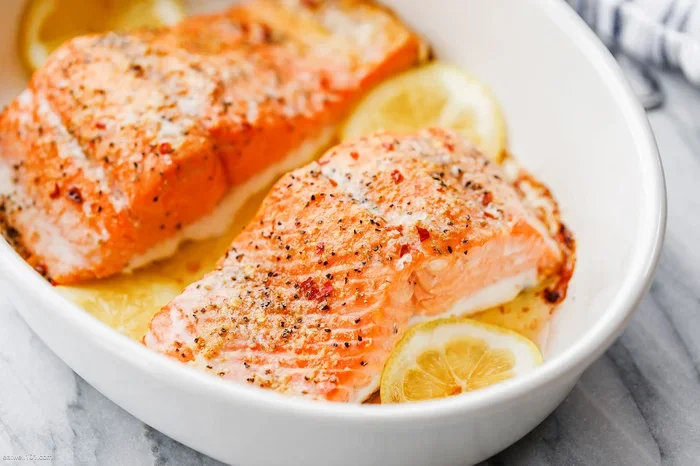
Arrange lemon slices on top of each fillet. The lemon adds moisture and a bright, fresh flavor. Tuck a few sprigs of fresh herbs around the fish. This infuses the fillets with aroma as they bake.
Step 3: Bake the Marlin
Place the dish in the preheated oven. Set a timer for 15 to 20 minutes. The exact marlin fish cooking time depends on the thickness of your fillets.
At 400°F, a half-inch fillet will cook through in about 15 minutes. Thicker steaks may need the full 20 minutes. The fish is done when it flakes easily with a fork and the internal temperature reaches 145°F.
Step 4: Rest and Serve
Remove the dish from the oven and let the marlin rest for 3 to 5 minutes. This allows the juices to redistribute, making every bite moist and tender. Squeeze fresh lemon juice over the top before serving.
Plate your crispy marlin alongside your favorite sides and enjoy. You just made an incredible healthy fish dinner in under 30 minutes.
Common Mistakes to Avoid When Cooking Marlin
Even easy recipes can go wrong if you skip important steps. Here are the most common oven-baked fish mistakes and how to avoid them.
Overcooking the Fish
This is the number one mistake people make with marlin steak recipe dishes. Marlin dries out quickly once it passes the ideal temperature. Overcooked marlin becomes tough and chalky, which ruins the eating experience.
Use a meat thermometer to check doneness. Pull the fish at 145°F and let carryover cooking do the rest. The internal temperature will rise a few degrees as the fish rests.
Skipping the Parchment Paper
Baking marlin directly on a bare pan often leads to sticking. The fish can break apart when you try to flip or remove it. Parchment paper or a light grease layer solves this problem completely.
Using Too Much Marinade
Marinades add great flavor, but too much can make the surface soggy. A light coating is all you need. Let the fish marinate for 20 to 30 minutes, no longer. Extended marinating can break down the delicate proteins.
Expert Insight: Chef Maria Torres, a seafood specialist, says: “The secret to perfect oven-baked marlin is restraint. Use less seasoning than you think you need, and let the fish speak for itself.”
Not Letting the Fish Come to Room Temperature
Cold fish going into a hot oven cooks unevenly. The outside overcooks while the center stays raw. Take your marlin out of the fridge 10 to 15 minutes before baking. This small step ensures even marlin oven temperature throughout the fillet.
Serving Suggestions and Side Dishes
A great baked marlin recipe deserves equally great sides. The right pairings elevate your meal from simple to stunning. Here are some ideas that complement marlin perfectly.
Best Side Dishes for Oven-Baked Marlin
- Roasted vegetables: Asparagus, zucchini, and bell peppers roasted at 400°F pair beautifully.
- Garlic rice: A fluffy rice dish with sautéed garlic adds a comforting base.
- Fresh salad: A light mixed greens salad with lemon vinaigrette balances the richness.
- Mashed sweet potatoes: Their natural sweetness complements the mild flavor of marlin.
- Grilled corn: Charred corn on the cob adds a smoky, summery touch.
Sauces That Work Well with Marlin
A drizzle of sauce can take your seared marlin or baked fillet to the next level. Try a mango salsa for a tropical twist. A creamy dill sauce adds elegance. Chimichurri brings a bright, herbaceous punch that cuts through the richness of the fish.
For a Mediterranean marlin recipe vibe, a simple tzatziki or lemon butter sauce works beautifully. Keep sauces light so they enhance, not overpower, the fish.
How to Store and Reheat Leftover Marlin
If you have leftovers, store them properly to enjoy them the next day. Place cooled marlin in an airtight container and refrigerate within two hours. It keeps well for up to three days in the fridge.
To reheat, use a low oven temperature of 275°F. Cover the fish with foil to trap moisture. Reheat for 10 to 12 minutes until warm throughout. Avoid microwaving, which can make the fish rubbery. The oven keeps the texture close to fresh.
You can also flake leftover marlin into salads, tacos, or pasta dishes. This is a great way to enjoy your healthy fish recipes the next day with zero extra cooking.
Frequently Asked Questions
Can I Cook Marlin in the Oven Without a Recipe?
Absolutely. Marlin is a forgiving fish that does well with minimal effort. A simple drizzle of olive oil, salt, pepper, and lemon is all you need. The key is keeping the oven at 400°F and baking for 15 to 20 minutes. Even without a detailed recipe, you can make delicious oven-baked marlin this way.
What Is the Best Temperature to Cook Marlin in the Oven?
The ideal marlin oven temperature is 400°F. This heat cooks the fish through quickly while keeping the inside moist. It also helps the outside develop a slight crispiness. Avoid going below 375°F, as lower temperatures can dry out the fillet before it finishes cooking.
How Do I Know When Marlin Is Done?
Use a meat thermometer for the most accurate result. Marlin is done when the internal temperature reaches 145°F. You can also check by gently pressing the flesh. It should feel firm but still spring back. The fish will flake easily with a fork when fully cooked.
Can I Use Frozen Marlin for Oven Baking?
Yes, but thaw it first for the best results. Thaw frozen marlin overnight in the refrigerator. Cooking from frozen can lead to uneven results, with the outside overcooking before the center is done. If you must cook from frozen, add 5 to 10 extra minutes to the marlin fish cooking time and check frequently.
Is Marlin a Healthy Fish to Eat?
Yes, marlin is a highly nutritious fish. It is rich in protein, omega-3 fatty acids, and essential vitamins like B12 and selenium. It is also low in saturated fat, making it a heart-healthy choice. Incorporating high protein fish like marlin into your diet supports muscle health and overall wellness.
What Does Marlin Taste Like Compared to Other Fish?
Marlin has a mild, slightly sweet flavor with a firm, steak-like texture. It is often compared to swordfish but tends to be a bit more tender. The taste is less fishy than tuna or mackerel, which makes it a great choice for people who are new to eating fish. Its versatility means it pairs well with almost any seasoning or sauce.
Conclusion
How to cook marlin in the oven easy is a skill anyone can master with a little practice. This baked marlin recipe is proof that healthy, delicious meals do not have to be complicated. With the right temperature, simple seasonings, and a watchful eye on the timer, you will serve up restaurant-quality fish at home.
Remember to prep your fish properly, avoid overcooking, and pair it with great sides. Marlin is a nutritious, flavorful, and versatile fish that deserves a regular spot in your healthy fish recipes rotation. Whether you are cooking for one or feeding a family, oven-baked marlin delivers every time.
Now that you have all the tools and tips, it is time to put them into action. Pick up a fresh fillet, preheat that oven, and enjoy the process. You will be surprised how quickly a simple marlin steak recipe can become a family favorite. Happy cooking!