How To Make Coffee Taste Smoother Without Any Bitterness
How To Make Coffee Taste Smoother is simpler than most people think. Bitterness usually comes from water that is too hot, beans that are too old, or a grind that is too fine. You can fix this by choosing fresh beans, nailing the right temperature, and picking a brewing method that suits your style. A few small changes will give you a rich, creamy cup with zero grit. These tips work for any coffee maker, from a French press to a simple drip machine.
There is nothing quite like a warm cup of coffee to start the day. But when that first sip hits your tongue with a harsh, bitter bite, it can ruin the whole morning. You might think the problem is the brand or the price tag, but that is rarely the real issue. How To Make Coffee Taste Smoother is really about mastering a few simple variables. Once you understand these, you can brew a cup that feels silky, rich, and perfectly balanced every single time.
Bitterness in coffee is not a mystery. It happens when the water pulls out too many of the bitter compounds from the grounds. This is called over-extraction. Under-extraction, on the other hand, leaves the coffee sour and thin. The sweet spot is right in the middle. By adjusting the beans, the grind, the water, and the time, you can stay in that sweet spot. This guide will walk you through each step in plain, easy language. No fancy equipment is required. Just a willingness to try a few small tweaks.
Key Takeaways
- Start with fresh, quality beans: Stale coffee is the number one cause of harsh, bitter flavors.
- Control your water temperature: Brewing below boiling keeps the coffee smooth and mellow.
- Match the grind to your method: A coarse grind prevents over-extraction and reduces bitterness.
- Try cold brew or a French press: These methods naturally produce a less acidic, silky cup.
- Add a pinch of salt or a splash of milk: Quick tricks that neutralize bitterness instantly.
- Clean your gear after every use: Old oils build up and turn your coffee taste flat and harsh.
- Use filtered water: Minerals in tap water can amplify bitter notes and throw off the balance.
📑 Table of Contents
- Why Does Coffee Taste Bitter? (And How To Make Coffee Taste Smoother)
- Choose the Right Coffee Beans for a Smooth Cup
- Perfect Your Grind Size to Reduce Bitterness
- Master Water Temperature and the Coffee-to-Water Ratio
- Brewing Methods That Naturally Reduce Bitterness
- Quick Fixes and Pro Tips for an Instant Smooth Cup
- Common Mistakes That Make Coffee Bitter
- Expert Insights for the Perfectly Smooth Cup
- Key Takeaways
- Conclusion
Why Does Coffee Taste Bitter? (And How To Make Coffee Taste Smoother)
Before we fix the problem, let us understand why it happens. Coffee beans contain hundreds of compounds. Some taste sweet, some taste fruity, and some taste bitter. When hot water touches the grounds, it pulls out these compounds in a specific order. The first things to dissolve are the acids and the fruity, bright flavors. Next come the sugars and the caramel notes. Finally, the bitter compounds come out last. If you brew for too long or use water that is too hot, you grab all those bitter compounds. The result is a cup that makes you scrunch up your face.
The good news is that you have total control over this process. How To Make Coffee Taste Smoother starts with knowing what causes the bitterness in the first place. The main culprits are water temperature, grind size, brew time, and bean freshness. Even the quality of the water matters. Hard water with lots of minerals can make a bitter cup worse. Soft water can under-extract the coffee. Finding the right balance is the key. Once you dial in these factors, the bitterness fades away and a smooth, pleasant flavor takes its place.
The Role of Extraction in Coffee Flavor
Extraction is the word we use for what happens when water meets coffee grounds. It is a chemical pulling process. The water acts like a magnet, grabbing flavors and oils from the beans. A well-extracted coffee has a balance of sweetness, acidity, and body. It feels clean and satisfying on the palate. Over-extraction pulls too many bitter compounds. Under-extraction leaves the coffee sour and salty. Think of it like brewing a pot of tea. If you leave the tea bag in for five seconds, it is weak and watery. Leave it for ten minutes, and it turns bitter and astringent. Coffee works the same way. The goal is to hit the middle ground where the flavors are smooth and rounded.
Choose the Right Coffee Beans for a Smooth Cup
The foundation of any great cup is the bean. How To Make Coffee Taste Smoother begins at the bag. Fresh beans make a massive difference. Coffee starts to lose its flavor and go stale within two to four weeks of roasting. If you buy beans that have been sitting on a shelf for months, they will taste flat and harsh. Always look for a roast date on the bag. The closer that date is to the day you buy, the better. Ideally, you want to use beans within two to three weeks of roasting. This is the single easiest change you can make.
Freshness Matters More Than You Think
Stale coffee is often the hidden cause of bitterness. When coffee beans sit too long, they lose their natural oils. These oils carry the sweet and fruity notes that balance out the bitterness. Without them, all you taste is the harsh, woody compounds. Buying whole beans and grinding them right before brewing locks in the freshness. Pre-ground coffee loses its flavor much faster because the surface area is exposed to air. If you can only buy pre-ground, store it in an airtight container in a cool, dark place. But whole beans will always give you a smoother, more vibrant cup.
Roast Level and Smoothness
Many people believe dark roasts are less bitter. That is not always true. Dark roasts have a smoky, ashy flavor that can taste bitter if you are not used to it. Medium roasts often produce the smoothest, most balanced cup. They have a nice mix of sweetness and body without the harshness of a dark roast. Light roasts can be bright and acidic, which some people mistake for bitterness. If you want a mellow, easy-drinking coffee, a medium roast is usually your best bet. Look for beans described as “smooth,” “balanced,” or “mellow.” These terms signal a profile designed to avoid harsh, bitter notes.
Perfect Your Grind Size to Reduce Bitterness
The size of your coffee grounds controls how quickly the water extracts the flavors. How To Make Coffee Taste Smoother depends heavily on getting this right. A grind that is too fine has too much surface area. The water pulls out the bitter compounds too fast. A grind that is too coarse does not extract enough, leaving the coffee weak and sour. The goal is to find the sweet spot where the extraction happens at the right speed.
Coarse vs. Fine: What Works Best
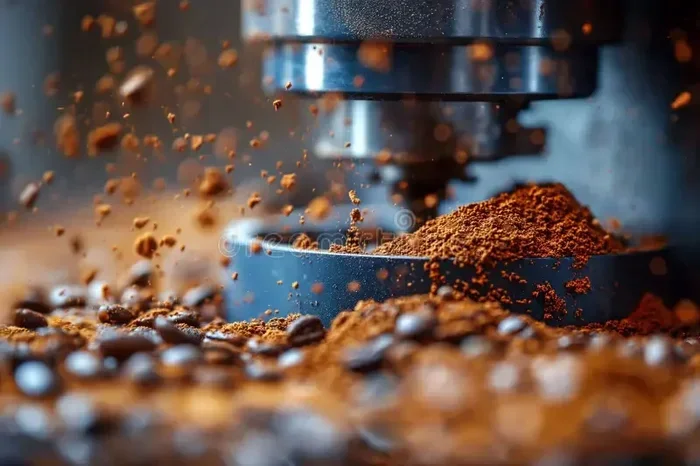
For a French press, you want a coarse grind. It looks like sea salt. The water sits with the grounds for four minutes, so a coarse grind prevents over-extraction. For a pour-over or drip machine, a medium grind works best. It is similar to the texture of sand. Espresso requires a very fine grind, almost like powdered sugar. Because espresso brew time is so short, a fine grind is needed to extract the right amount of flavor. If you use a fine grind in a French press, the coffee will turn out muddy and bitter. If you use a coarse grind for espresso, it will be sour and watery. Matching the grind to the method is one of the most powerful ways to eliminate bitterness.
Invest in a Good Burr Grinder
Blade grinders chop the beans unevenly. You end up with a mix of powder and big chunks. The powder over-extracts and turns bitter, while the chunks under-extract and taste sour. A burr grinder crushes the beans into uniform pieces. This consistency means every particle extracts at the same rate. The result is a cleaner, smoother cup. You do not need an expensive model. Even an affordable burr grinder will make a noticeable difference. If you are serious about How To Make Coffee Taste Smoother, a burr grinder is a must-have tool.
Master Water Temperature and the Coffee-to-Water Ratio
Water is the main ingredient in coffee. It makes up more than 98 percent of your cup. So the quality and temperature of the water matter a lot. How To Make Coffee Taste Smoother is impossible if your water is boiling hot or full of off-flavors. Boiling water is around 212 degrees Fahrenheit. That is too hot for most brewing methods. It scorches the coffee grounds and pulls out the bitter compounds instantly.
The Ideal Temperature for Smooth Coffee
The sweet spot for brewing coffee is between 195 and 205 degrees Fahrenheit. That is just below boiling. If you do not have a thermometer, bring your water to a boil and then let it sit for 30 to 45 seconds. That cooling period brings it into the right range. For a French press, pour the water over the grounds and let it steep for four minutes. For a pour-over, pour the water in slow circles and let it drip through over three to four minutes. Keeping the temperature steady and not too high is one of the simplest ways to get a smooth, mellow flavor.
Getting the Ratio Right
The ratio of coffee to water is another key factor. Too much coffee and the cup becomes over-extracted and bitter. Too little coffee and it tastes thin and sour. A good starting point is two tablespoons of ground coffee for every six ounces of water. This is the classic “golden ratio.” You can adjust it to your taste. If the coffee still tastes a bit harsh, try using a little less coffee or a little more water. Some people like to use a kitchen scale for precision. Weighing your coffee and water ensures you get the same perfect ratio every time. Consistency is the secret to a reliably smooth cup.
Brewing Methods That Naturally Reduce Bitterness
Not all brewing methods are created equal. Some are naturally better at producing a smooth, low-bitterness cup. How To Make Coffee Taste Smoother often comes down to choosing the right method for your taste. Cold brew is famous for its silky, sweet flavor. French press coffee has a rich, full body without the harshness of paper-filtered drip. Pour-over methods give you control over every variable. Each method has its own strengths. Let us look at the top options.
Cold Brew: The Ultimate Smooth Coffee
Cold brew is made by steeping coffee grounds in cold water for 12 to 24 hours. Because the water is cold, the extraction happens very slowly. This process pulls out the sweet, chocolatey notes and leaves behind the bitter acids. The result is a concentrate that is naturally smooth and low in acidity. You can dilute it with water or milk to make a refreshing iced coffee. Cold brew is perfect for people who hate bitter coffee. It is also incredibly easy to make. Just put grounds in a jar, add water, and wait. Strain it through a fine mesh or cheesecloth, and you are done. This method is a game-changer for anyone who wants a mellow cup.
French Press: Rich and Full-Bodied
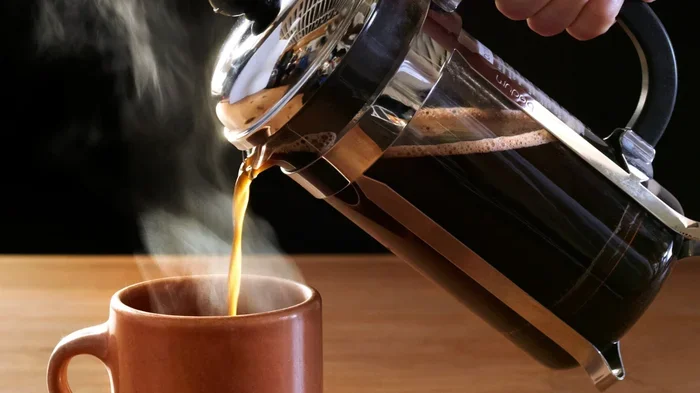
The French press uses a metal filter that lets the natural oils pass through. This gives the coffee a creamy, rich mouthfeel. Because there is no paper filter, the oils that create a smooth, velvety texture stay in the cup. To make French press coffee, add coarse grounds to the press, pour in hot water, and stir gently. Let it steep for four minutes, then press the plunger down slowly. The coffee will have a bold, full flavor without the sharp bitterness you get from a drip machine. Clean your French press thoroughly after each use. Old oils can go rancid and make your next cup taste off. A clean press ensures every brew tastes fresh and smooth.
Pour-Over Control for a Clean Cup
Pour-over brewing gives you total control over the water temperature, the grind size, and the brew time. You pour hot water over the grounds in a slow, steady spiral. The water drips through a paper filter into a carafe. The paper filter catches the fine particles and oils that can cause bitterness, but it still lets the flavor compounds through. The result is a clean, bright, and smooth cup. This method is ideal for medium and light roasts. It highlights the nuanced flavors of the beans without any harshness. If you want to master How To Make Coffee Taste Smoother, the pour-over method is worth the practice.
Comparison of Brewing Methods for Smoothness
| Method | Bitterness Level | Body | Best For |
|---|---|---|---|
| Cold Brew | Very Low | Medium | Iced coffee lovers, sensitive stomachs |
| French Press | Low | Full | Rich, creamy cups with natural oils |
| Pour-Over | Low | Medium | Clean, nuanced flavors with control |
| Drip Machine | Medium | Light to Medium | Everyday convenience, paper-filtered clarity |
| Espresso | Medium to High | Thick | Concentrated, bold shots (use fresh beans) |
Quick Fixes and Pro Tips for an Instant Smooth Cup
Even with the perfect beans and method, you can still encounter a bitter sip now and then. There are several quick fixes that can rescue your cup in seconds. These tricks are easy to remember and require no extra equipment. They are perfect for those busy mornings when you just need that smooth, mellow coffee without any fuss.
Add a Pinch of Salt
This might sound strange, but a tiny pinch of salt neutralizes bitterness. Salt blocks the taste receptors that detect bitter flavors. Add just a pinch to your grounds before brewing, or stir a tiny amount into your finished cup. You will not taste the salt. You will only notice the bitterness disappearing. This is a trick used by professional baristas and chefs around the world. It works instantly and requires zero extra effort.
A Splash of Milk or Cream
Milk and cream coat the tongue and soften harsh flavors. A splash of whole milk, oat milk, or cream can turn a bitter cup into a smooth, creamy delight. The fat in dairy is especially effective at taming bitterness. If you are avoiding dairy, oat milk is a great plant-based alternative. It has a natural sweetness and a creamy texture that blends beautifully with coffee. Just a small splash can make a big difference in the final taste.
Use Filtered Water
The water in your tap contains minerals and chlorine that can affect the flavor of your coffee. Hard water with high mineral content can make bitterness worse. Filtered water removes these impurities and lets the true flavor of the beans shine through. A simple carbon filter pitcher is all you need. Pour the filtered water into your kettle and heat it up. You will notice a cleaner, smoother taste right away. Good water is the unsung hero of a great cup of coffee.
Clean Your Equipment After Every Use
Old coffee oils build up inside your grinder, French press, and drip machine. These oils go rancid over time and add a stale, bitter flavor to every new brew. Cleaning your gear after each use prevents this buildup. For a French press, rinse the plunger and carafe with warm water and a drop of dish soap. For a grinder, use a small brush to remove loose grounds. Run a vinegar and water cycle through your drip machine once a month to remove mineral deposits. Clean equipment means clean, smooth coffee every time. This is one of the most overlooked steps in How To Make Coffee Taste Smoother.
Pair Your Coffee with a Simple Breakfast
A smooth cup of coffee pairs beautifully with a warm breakfast. If you are making toast, you can bake perfect slices in the oven without needing a toaster. Check out our guide on how to make toast in the oven without a toaster for a quick and easy breakfast side. The crunch of fresh toast and the warmth of a mellow coffee create a perfect start to the day. It is a simple pairing that elevates your morning routine.
Explore DIY Brewing with a Clay Oven
For a rustic and fun weekend project, you can build your own clay oven and use it to brew coffee outdoors. A clay oven retains heat beautifully and gives you precise control over the temperature. Learn how to build one in our article on how to make a clay oven. Brewing coffee in a clay oven adds a unique, earthy flavor that is incredibly smooth. It is a great way to experiment with your coffee routine and enjoy the outdoors at the same time.
Roast Your Own Beans for Ultimate Freshness
If you really want to take control of your coffee, try roasting your own beans at home. The process is a lot like roasting jackfruit seeds in the oven, where low and slow heat brings out the best flavors without burning. You can use a simple oven or a popcorn popper to roast green coffee beans. Freshly roasted beans have a vibrant, smooth flavor that store-bought beans cannot match. It takes a little practice, but the results are well worth the effort. You will never go back to stale coffee again.
Common Mistakes That Make Coffee Bitter
Even experienced coffee drinkers fall into habits that cause bitterness. Knowing what to avoid is just as important as knowing what to do. Here are the most common mistakes that ruin an otherwise perfect cup.
- Using boiling water: This is the number one mistake. Boiling water extracts bitter compounds too quickly. Always let your water cool for 30 to 45 seconds after boiling.
- Leaving coffee on heat: If you brew coffee in a pot and leave it on the stove or hot plate, it continues to extract and turns bitter within minutes. Transfer it to a warm carafe right away.
- Using too fine a grind for the method: A fine grind in a French press creates a gritty, over-extracted cup. Match the grind size to your brewer every time.
- Ignoring bean freshness: Coffee beans lose their flavor fast. Buy whole beans, check the roast date, and store them in an airtight container away from light.
- Not cleaning the machine: Old residue builds up and taints every new brew. Run a cleaning cycle with vinegar and water regularly.
- Using the wrong ratio: Too much coffee relative to water leads to over-extraction. Stick to the two-tablespoon-per-six-ounces guideline and adjust from there.
Expert Insights for the Perfectly Smooth Cup
Professional baristas and coffee roasters share a few secrets that take your coffee from good to extraordinary. These insights are based on years of experience and a deep understanding of coffee chemistry. You do not need a degree to apply them. Just a willingness to pay attention to the details.
First, always pre-wet your coffee grounds. This is called the “bloom.” Pour a small amount of hot water over the grounds and wait 30 seconds. You will see the coffee puff up and release carbon dioxide. This step ensures even extraction and brings out the sweeter, smoother flavors. Second, keep your brewing vessel warm. A cold carafe or French press can drop the temperature of your coffee too quickly, leading to uneven extraction. Rinse your brewer with hot water before you start. Third, drink your coffee soon after brewing. Coffee does not get better as it sits. It starts to lose its brightness and develop stale, bitter notes after about 20 minutes. Freshly brewed coffee is always the smoothest.
Water quality deserves special attention. The Specialty Coffee Association recommends water with a total dissolved solids level of about 150 parts per million. This is the sweet spot for extraction. Too little mineral content and the coffee tastes flat. Too much and it tastes harsh. If your tap water tastes good, it is probably fine for coffee. If it tastes chlorinated or metallic, invest in a simple filter. The difference in your cup will be noticeable immediately.
Key Takeaways
- Fresh beans are non-negotiable: Buy whole beans with a recent roast date and store them properly.
- Temperature control is everything: Brew between 195 and 205 degrees Fahrenheit for the smoothest extraction.
- Match your grind to your brewer: Coarse for French press, medium for pour-over, fine for espresso.
- Cold brew and French press naturally reduce bitterness: These methods skip the harsh compounds that hot water pulls out quickly.
- Quick fixes work instantly: A pinch of salt, a splash of milk, or filtered water can transform a bitter cup in seconds.
- Clean gear brews better coffee: Rinse your equipment after every use and deep clean monthly.
- Experiment and enjoy the process: The perfect cup is personal. Adjust the variables until you find your ideal balance.
Conclusion
How To Make Coffee Taste Smoother is not about expensive gadgets or complicated techniques. It is about understanding the basics and making small, intentional choices. Start with fresh, quality beans. Grind them right before brewing. Use water that is hot but not boiling. Choose a brewing method that suits your taste, and keep your equipment clean. Add a pinch of salt or a splash of milk if you need an extra layer of smoothness. These steps are simple, but they work. Every time you brew a cup, you have the power to create a mellow, rich, and satisfying experience. No bitterness required. Your morning coffee can be the best part of your day. Take the tips from this guide, put them into practice, and enjoy the difference a smooth cup makes.
Frequently Asked Questions
Why does my coffee taste bitter even with good beans?
Bitterness often comes from the brewing process, not the beans. Water that is too hot, a grind that is too fine, or a brew time that is too long can all cause over-extraction. Check your water temperature and make sure you are using the right grind size for your method. Cleaning your equipment regularly also removes stale oils that contribute to harsh flavors.
Does adding salt to coffee really make it less bitter?
Yes, a tiny pinch of salt neutralizes the bitter taste receptors on your tongue. It does not make the coffee salty. The salt blocks the bitterness while allowing the sweet and nutty flavors to come through. This is a well-known barista trick that works instantly and requires no extra equipment.
Is cold brew smoother than hot coffee?
Cold brew is naturally smoother because it uses cold water over a long steeping time. This process extracts fewer of the bitter acids and compounds. The result is a sweet, mellow concentrate that is very low in acidity. If you hate bitter coffee, cold brew is one of the best ways to enjoy a cup without any harshness.
How long should I brew coffee to avoid bitterness?
Brew time depends on the method. A French press should steep for about four minutes. A pour-over takes three to four minutes. Espresso pulls in 25 to 30 seconds. Drip coffee usually takes five to six minutes. Going beyond these times increases the risk of over-extraction and bitterness. Stick to the recommended times for a smooth, balanced cup.
Can I use tap water for smooth coffee?
Tap water quality varies widely. Hard water with high mineral content can make coffee taste bitter and flat. Chlorinated water can add an off-flavor. If your tap water tastes good on its own, it is probably fine. If it tastes harsh or chemical, use filtered water. A simple carbon filter pitcher can make a noticeable difference in the smoothness of your coffee.
What is the best grind size for a French press?
A coarse grind is essential for a French press. It should look like sea salt. A coarse grind prevents the water from extracting too much too fast, which causes bitterness. It also keeps the coffee from slipping through the metal filter and becoming gritty. If your French press coffee tastes bitter, try grinding your beans a little coarser next time.