What Is An Oven Gasket And How It Keeps Your Oven Sealed
An oven gasket is the rubber seal that lines your oven door, keeping heat locked inside for safe, efficient cooking. It plays a critical role in oven performance, energy efficiency, and even baking results. Without a working gasket, your oven loses heat, wastes energy, and struggles to maintain the right oven temperature. This guide covers everything you need to know about oven gaskets, from what they do to how to replace and maintain them.
Have you ever noticed heat escaping from around your oven door while you are baking? Or maybe your food is taking longer to cook than it used to? The culprit might be hiding in plain sight. It is a small rubber strip called an oven gasket, and it does a big job. Without it, your oven would waste energy, cook food unevenly, and make your kitchen uncomfortably warm. Let us dive into everything you need to know about this small but mighty component.
In this guide, we will walk you through what an oven gasket is, how it works, when to replace it, and how to keep it in great shape. Whether you are a home cook or a weekend baker, understanding your oven door gasket can make a real difference in your kitchen. Let us get started.
Key Takeaways
- An oven gasket is the rubber seal on your oven door that prevents heat from escaping during cooking.
- A worn or damaged gasket leads to poor heat retention, higher energy bills, and unevenly cooked food.
- Common signs of a failing gasket include visible gaps, cracks, loose rubber, and heat escaping from the door edges.
- There are several types of oven gaskets, including magnetic, flat rope, and bulb-style seals for different oven models.
- Replacing an oven gasket is a simple DIY task that can save you money on repair costs and improve baking performance.
- Regular cleaning and inspection can extend the life of your oven gasket and keep your oven running efficiently.
- A well-maintained gasket improves energy efficiency, temperature accuracy, and overall oven maintenance.
📑 Table of Contents
- What Is An Oven Gasket?
- How Does an Oven Gasket Work?
- Signs Your Oven Gasket Needs Replacement
- Types of Oven Gaskets
- How to Replace Your Oven Gasket
- Tips for Maintaining Your Oven Gasket
- Expert Insights on Oven Gasket Performance
- How a New Gasket Improves Your Cooking
- Where to Buy Replacement Oven Gaskets
What Is An Oven Gasket?
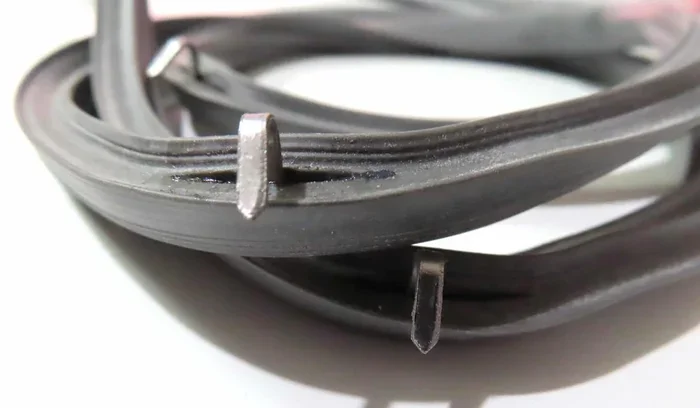
An oven gasket is the rubber or silicone seal that runs along the edge of your oven door. It sits between the door glass and the oven frame, creating a tight barrier when the door closes. Think of it like a weather strip on a house door, but designed for high heat. Its main job is simple but vital. It keeps hot air inside the oven where it belongs.
Most oven gaskets are made from heat-resistant rubber or fiberglass. Some are wrapped around a metal core for extra durability. The material must withstand extreme temperatures, often ranging from 300 to 500 degrees Fahrenheit. Over time, this constant exposure to heat causes the gasket to wear down. When it does, your oven starts losing performance.
Why the Oven Gasket Matters
The oven door seal is one of the most overlooked parts of any kitchen appliance. Yet it has a direct impact on how well your oven works. A good seal means your oven reaches the right oven temperature quickly and holds it steady. A bad seal means heat escapes, energy is wasted, and your food suffers. Here is what a healthy gasket does for you:
- Keeps heat trapped inside the oven cavity for consistent cooking
- Improves energy efficiency by reducing the need for extra heating
- Prevents hot air from leaking out around the door edges
- Helps food cook evenly on all racks and trays
- Protects your kitchen from excess heat and moisture
Without a working oven gasket seal, your oven essentially becomes a leaky container. It has to work harder to reach the set temperature. This means longer preheat times, higher electricity or gas usage, and frustrating cooking results. That is why paying attention to this small strip of rubber can save you time, money, and headaches.
How Does an Oven Gasket Work?
The way an oven gasket works is pretty straightforward. When you close the oven door, the gasket compresses against the oven frame. This compression creates a snug fit that blocks gaps. The seal prevents hot air from pushing its way out during cooking. In return, the trapped heat circulates evenly inside the oven, giving you the baking performance you expect.
But there is more going on than meets the eye. The gasket also plays a role in maintaining heat retention. A good seal keeps the internal temperature stable, even when you open the door briefly. This is especially important for recipes that require precise temperature control. Think of bread baking, candy making, or slow roasting. All of these rely on a consistent oven environment.
The Science Behind the Seal
When your oven heats up, the air inside expands. This pressurized hot air naturally pushes outward. Without a proper oven door gasket, it escapes through any gap it finds. This is called heat leakage. Even a small gap can cause a noticeable drop in internal temperature. Your oven’s thermostat senses this drop and kicks the heating elements back on. The result is a cycle of overheating and cooling that wastes energy and throws off your cooking.
A healthy gasket stops this cycle. It absorbs the pressure of expanding air and keeps the seal tight. Some gaskets use a magnetic strip to enhance the seal. Others rely on tension from the rubber itself. Either way, the goal is the same. Keep the heat where it belongs and let your food cook the way it should.
Signs Your Oven Gasket Needs Replacement
Knowing when your oven door seal is failing is key to avoiding bigger problems. A worn gasket does not just affect cooking. It can also drive up your energy bills and strain your oven’s components. Here are the most common signs that it is time for a replacement.
Visible Gaps or Cracks
Take a close look at the rubber strip around your oven door. Do you see any gaps between the gasket and the frame? Are there cracks, tears, or areas where the rubber looks thin? These are clear warning signs. Even a tiny gap can let a surprising amount of heat escape. You do not need a massive tear for the seal to fail.
Food Cooking Unevenly
If your cookies are browning on the edges but staying raw in the middle, your gasket might be the cause. Uneven baking results are one of the top complaints when the oven seal is worn. Hot air is leaking out, so the oven cannot maintain a steady temperature. The spots near the door get less heat, while other areas overheat.
Longer Preheating Times
Your oven should reach the target temperature within a reasonable time. If it is taking longer than usual, a leaking gasket could be to blame. The oven is fighting a losing battle against escaping heat. It keeps running the heating elements to compensate, which wastes energy and wears out the appliance faster.
Heat You Can Feel From the Door
This one is obvious but often ignored. If you can feel heat radiating from around the oven door while it is running, the seal is not doing its job. A properly sealed oven gasket should keep all that heat locked inside. Feeling warmth around the edges is a red flag that should not be overlooked.
Rising Energy Bills
A damaged gasket makes your oven work harder, and that means it uses more power. If your energy bills have crept up without any other explanation, the oven might be the culprit. A simple inspection of the gasket could reveal the problem and lead to an easy fix.
Types of Oven Gaskets
Not all oven gaskets are the same. Different oven models use different types of seals. Understanding the options can help you find the right replacement part and make the oven repair process smoother. Here are the most common types you will encounter.
Magnetic Gaskets
Magnetic gaskets are the most common type found in modern ovens. They have a metal strip embedded in the rubber that attracts to the oven frame. This creates a strong, secure seal with minimal effort. Most self-cleaning ovens and newer models use magnetic gaskets. They are easy to replace and provide excellent heat retention.
Flat Rope Gaskets
Flat rope gaskets are a simpler design. They are a flat strip of heat-resistant material that sits in a channel on the oven door. These are common in older oven models and some commercial units. They rely on compression to create the seal. While they are not as advanced as magnetic gaskets, they still do the job well when in good condition.
Bulb-Style Gaskets
Bulb-style gaskets have a rounded, bulb-shaped profile. They are often found on older or specialty ovens. The bulb shape helps create a tight seal against the frame. These gaskets are less common today but are still used in many vintage and commercial oven models.
Fiberglass Gaskets
Some high-heat ovens use fiberglass gaskets instead of rubber. These are designed for extreme temperatures and are common in industrial or heavy-duty ovens. Fiberglass gaskets are more durable than standard rubber but can be harder to find as replacement parts.
How to Replace Your Oven Gasket
Replacing an oven gasket is one of the easiest oven maintenance tasks you can do at home. You do not need to be a professional technician. With the right part and a few simple tools, you can have a new gasket installed in under an hour. Here is a step-by-step guide to walk you through it.
Step 1: Find the Right Gasket
Start by identifying your oven model. Check the label inside the oven door frame or on the back of the unit. Use that model number to search for a compatible gasket. You can find replacement gaskets online, at appliance parts stores, or directly from the manufacturer. Make sure you choose the right type for your oven. A magnetic oven gasket will not work in a slot designed for a flat rope gasket, and vice versa.
Step 2: Remove the Old Gasket
Unplug your oven or turn off the circuit breaker for safety. Then, carefully peel off the old gasket. Most gaskets either snap into a channel or are held in place with small screws or clips. Work slowly to avoid damaging the door or the frame. If the old gasket is stuck, a little warm water can help loosen it. Use a soft cloth and avoid sharp tools that could scratch the surface.
Step 3: Clean the Channel
Before installing the new gasket, clean the channel or groove where the old one sat. Wipe away any grease, food residue, or old adhesive. A clean surface ensures the new gasket sits properly and creates a tight seal. Use a mild cleaner and a soft cloth. Let the area dry completely before moving to the next step.
Step 4: Install the New Gasket
Start at one corner of the door and work your way around. Press the gasket firmly into the channel or align it with the magnetic strip. Make sure it sits evenly all the way around. There should be no twists, gaps, or bunching. If your gasket has clips or screws, secure them now. Double-check that the gasket is snug and uniform along the entire edge.
Step 5: Test the Seal
Once the new gasket is in place, close the oven door and give it a gentle tug. The door should feel secure and the gasket should not move. You can also do a simple dollar bill test. Close the door on a dollar bill and pull it out. If it slides out easily, the seal is not tight enough. Repeat this test at several points around the door to make sure the entire oven door seal is working properly.
Tips for Maintaining Your Oven Gasket
Taking care of your oven gasket can significantly extend its lifespan. A little regular attention goes a long way toward keeping your oven running efficiently. Here are some simple maintenance tips you can follow.
- Clean the gasket regularly with a damp cloth and mild soap. Grease and food buildup can break down rubber over time.
- Avoid using harsh chemicals or abrasive scrubbers on the gasket. They can damage the material and weaken the seal.
- Inspect the gasket monthly for signs of wear, cracks, or gaps. Catching problems early makes replacement easier and cheaper.
- Do not slam the oven door. The impact can loosen the gasket and cause it to shift out of place over time.
- Keep the oven door hinge tight. A loose door puts uneven pressure on the gasket, causing it to wear faster on one side.
- Use the oven at appropriate temperatures. Consistently exceeding the recommended heat range can accelerate gasket deterioration.
These small habits can add up to years of reliable performance from your oven gasket seal. The goal is to keep the rubber supple and the seal tight. A little prevention now saves you from a bigger repair later.
Common Mistakes to Avoid
When it comes to oven gaskets, there are a few mistakes that many homeowners make. Avoiding these can save you time, money, and frustration. First, do not ignore small cracks. They grow quickly and can turn a minor repair into a full gasket replacement. Second, do not use the wrong type of gasket for your oven model. A mismatched gasket will not seal properly, no matter how good the material is. Third, do not delay replacement once you notice signs of wear. A failing gasket puts extra strain on your oven’s heating system and can lead to more expensive repairs down the road.
Another common mistake is using DIY shortcuts during installation. Forcing a gasket into the wrong channel or skipping the cleaning step can result in a poor seal. Take your time, follow the steps carefully, and double-check your work. The few extra minutes of care make a big difference in the long run.
Expert Insights on Oven Gasket Performance
We spoke with appliance repair professionals about the most common gasket-related issues they see. The consensus is clear. A failing oven door gasket is one of the top causes of poor oven performance, yet it is also one of the easiest and cheapest fixes. Most experts recommend inspecting the gasket at least twice a year. This is especially important if you use your oven frequently or do a lot of high-temperature cooking.
Many people underestimate how much a worn gasket affects oven temperature accuracy. Even a small gap can cause a temperature swing of 25 to 50 degrees. That is enough to ruin a delicate souffle or burn the edges of a casserole. The good news is that a new gasket can restore your oven’s performance almost immediately. It is one of the highest-impact, lowest-cost oven repairs you can do yourself.
Professionals also emphasize the importance of choosing the right gasket material. If you have a self-cleaning oven, the gasket must withstand the extreme heat of the cleaning cycle. Standard rubber gaskets may not hold up under those conditions. Look for gaskets rated for high-temperature use to ensure they last through many cleaning cycles.
How Often Should You Replace Your Oven Gasket?
The lifespan of an oven gasket depends on how often you use your oven and how well you maintain it. On average, a gasket lasts between three and five years. Heavy users or those who frequently cook at very high temperatures may need to replace it sooner. If you notice any of the warning signs we discussed, do not wait. Replacing the gasket early prevents further damage to the oven and keeps your cooking results consistent.
How a New Gasket Improves Your Cooking
Installing a fresh oven gasket can transform your cooking experience. Here is what you can expect after the replacement:
- Faster preheating times because the oven no longer loses heat through gaps
- More consistent temperatures across the entire cooking cavity
- Better energy efficiency which can lower your monthly utility costs
- Evenly baked and roasted food with no more hot or cold spots
- A cooler kitchen since less heat escapes through the door
- Extended oven lifespan because the heating elements do not have to work as hard
The difference can be surprisingly noticeable. Many people report that their food tastes better and comes out more consistent after a gasket replacement. It is a small change that delivers big results. Whether you are baking bread, roasting a chicken, or making a simple batch of cookies, a proper oven seal makes all the difference.
Where to Buy Replacement Oven Gaskets
Finding a replacement oven gasket is easier than you might think. Most appliance parts retailers carry a wide selection online. You can also check with your oven’s manufacturer directly. Many brands sell replacement gaskets on their official websites. When shopping, make sure to match the gasket type to your specific model. Magnetic gaskets, flat rope gaskets, and bulb-style gaskets are not interchangeable. A quick search using your oven model number will point you in the right direction.
Price is another advantage. Most replacement gaskets cost between $15 and $40. Compare that to the cost of a professional repair call, which can easily run $100 or more. Doing the replacement yourself saves you money and gives you the satisfaction of handling the job on your own. Plus, you will have the peace of mind that comes from knowing the work was done correctly.
In summary, the oven gasket is a small but essential part of your oven. It keeps the heat in, the temperature steady, and your food cooking the way it should. By learning to recognize the signs of a worn gasket, understanding the different types available, and following simple maintenance tips, you can keep your oven running at its best. A quick replacement when needed can save you energy, improve your cooking results, and extend the life of your appliance. Take care of your oven door gasket, and it will take care of your meals for years to come.
Frequently Asked Questions
How do I know if my oven gasket is worn out?
Look for visible cracks, gaps, or thinning in the rubber seal around the oven door. You may also notice heat escaping, uneven cooking, or longer preheat times. These are clear signs that the oven gasket needs to be replaced.
Can I replace an oven gasket myself?
Yes, replacing an oven door gasket is a simple DIY task. You just need to find the right replacement part, remove the old gasket, clean the channel, and install the new one. Most people can complete the job in under an hour.
How much does an oven gasket cost?
Replacement oven gaskets typically cost between $15 and $40. The price depends on the type and brand. This is much cheaper than hiring a professional for an oven repair.
How often should I replace my oven gasket?
On average, an oven gasket seal lasts between three and five years. Heavy oven users or those who cook at high temperatures may need to replace it more often. Regular inspection helps you catch wear early.
Does a worn oven gasket affect energy efficiency?
Absolutely. A damaged oven door seal lets heat escape, forcing the oven to work harder. This wastes energy and drives up your utility bills. A new gasket restores energy efficiency and can lower costs.
Can I use any gasket for my oven?
No, you must match the gasket type to your specific oven model. Magnetic gaskets, flat rope gaskets, and bulb-style gaskets are not interchangeable. Always check your oven model number before purchasing a replacement.
=== CONCLUSION ===
The oven gasket might be small, but its role in your kitchen is huge. It seals the oven door, keeps heat locked inside, and ensures your food cooks evenly every time. A worn or damaged gasket can lead to wasted energy, uneven baking performance, and frustration in the kitchen. By learning to recognize the signs of a failing seal and taking simple steps to maintain it, you can keep your oven running at its best.
Whether you choose to replace the gasket yourself or call in a professional, the key is not to wait too long. A timely oven repair saves money, improves energy efficiency, and keeps your cooking results consistent. Take a moment today to inspect your oven door seal. It is one of the easiest ways to protect your oven and get the most out of every meal you prepare.