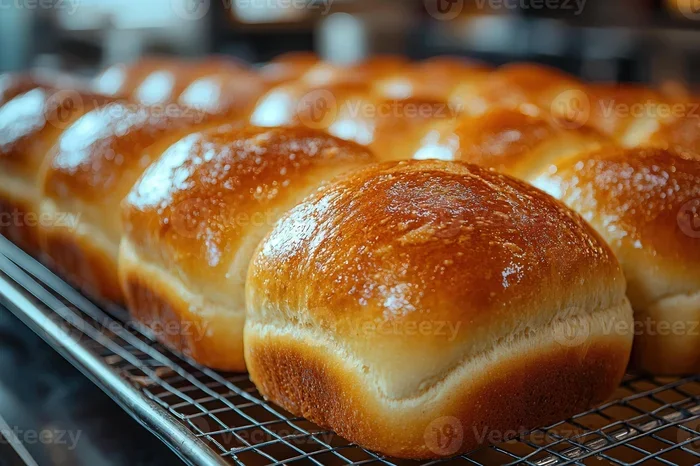
How To Cook Brotz In The Oven For Delicious Results
Learning how to cook Brotz in the oven is easier than you think. This guide walks you through every step, from mixing the dough to pulling perfectly golden rolls out of your oven. You will discover the ideal oven temperature for Brotz, baking time for bread rolls, and simple tricks that make your homemade bread taste bakery-fresh. Whether you are a beginner or a seasoned home baker, these methods will help you achieve soft, fluffy bread rolls with a crispy crust every single time.
There is something truly special about pulling a tray of warm, fresh bread rolls out of your oven. The smell fills your kitchen, and you know you just made something amazing from scratch. If you have ever wondered how to cook Brotz in the oven, you are in the right place. This guide will take you through every step with clear instructions and practical tips that actually work.
Brotz are traditional Swiss and German bread rolls that pair perfectly with soups, salads, or just butter and jam. They are soft on the inside with a lightly crispy exterior. Baking them at home in your oven is simpler than most people think. You do not need fancy equipment or years of experience. All you need is a little patience and the right guidance.
In this article, we will cover everything you need to know about oven-baked Brotz. From choosing the best ingredients to nailing the perfect baking temperature for bread rolls, you will find it all here. We will also share common mistakes to avoid and expert tips that will elevate your bread baking game. By the end, you will feel confident enough to make Brotz anytime you want.
Key Takeaways
- Choose the right flour: Using high-protein bread flour gives your Brotz the best texture and structure for oven baking.
- Master your oven temperature: Baking at 375°F to 400°F produces golden, evenly cooked bread rolls every time.
- Let the dough rest properly: Allowing adequate rise time is essential for soft, fluffy Brotz with the right crumb structure.
- Use simple ingredients: Flour, water, yeast, salt, and a touch of sugar are all you need for authentic homemade Brotz.
- Monitor baking closely: Watch for a golden brown color and hollow sound to know your Brotz is perfectly done.
- Experiment with variations: Add herbs, seeds, or cheese to customize your oven-baked Brotz for any occasion.
- Store properly for freshness: Proper cooling and storage keeps your homemade bread rolls fresh for days.
📑 Table of Contents
- What Is Brotz and Why Bake It in the Oven?
- Essential Ingredients for Perfect Oven-Baked Brotz
- Step-by-Step Guide to Cooking Brotz in the Oven
- Oven Temperature and Baking Time for Brotz
- Tips for the Best Oven-Baked Brotz
- Common Mistakes to Avoid When Baking Brotz
- Storing and Reheating Your Homemade Brotz
- Serving Suggestions for Your Oven-Baked Brotz
- Final Thoughts on Cooking Brotz in the Oven
What Is Brotz and Why Bake It in the Oven?
Brotz are small, round bread rolls that originated in Switzerland and Germany. The word “Brotz” comes from the German word for bread, “Brot.” These rolls are a staple in many European households and are often served alongside dinner or used for sandwiches. They are smaller than a standard loaf but bigger than dinner rolls, making them the perfect size for most meals.
Baking Brotz in the oven gives you results that are hard to replicate with other methods. An oven provides even, consistent heat that surrounds the dough on all sides. This creates that beautiful golden crust while keeping the inside soft and airy. Many home bakers prefer oven baking because it allows for better control over the final texture and color of the bread.
The Difference Between Oven-Baked and Stovetop Bread
When you bake bread on a stovetop or in a microwave, the results are often inconsistent. The crust does not form the same way, and the texture can be uneven. Oven baking allows the dough to rise fully and develop a proper crust. The dry heat of the oven also helps create that satisfying crunch on the outside while maintaining a tender crumb inside.
For homemade bread rolls, the oven is really the best tool for the job. You get a more authentic result that closely resembles what you would find at a traditional Swiss bakery. The process is straightforward, and once you try it a few times, it becomes second nature.
Essential Ingredients for Perfect Oven-Baked Brotz
Great Brotz starts with great ingredients. You do not need a long list of fancy items. The beauty of this recipe is in its simplicity. Here is what you will need to get started:
- Bread flour: This has a higher protein content that helps create a chewy, well-structured crumb. All-purpose flour works in a pinch, but bread flour gives better results.
- Active dry yeast: This is the leavening agent that makes your dough rise and become light and airy.
- Warm water: Lukewarm water activates the yeast without killing it. Aim for about 110°F for the best results.
- Salt: A good pinch of salt enhances flavor and strengthens the dough structure.
- Sugar: A small amount feeds the yeast and helps with browning during baking.
- Butter or oil: A little fat adds softness and richness to the finished rolls.
Using fresh, high-quality ingredients makes a noticeable difference in your final product. Old yeast or expired baking powder will lead to flat, dense rolls. Always check your ingredients before you start mixing.
Step-by-Step Guide to Cooking Brotz in the Oven
Now let us get into the heart of the matter. Here is a detailed, step-by-step guide on how to cook Brotz in the oven. Follow these steps closely, and you will be enjoying fresh homemade bread rolls in about two hours.
Step 1: Activate the Yeast
Start by warming your water until it feels comfortably warm to the touch, not hot. Stir in the sugar and then sprinkle the yeast over the surface. Let it sit for about five to ten minutes until it becomes frothy. This frothiness tells you the yeast is alive and active. If nothing happens, your yeast may be old, and you should start over with fresh yeast.
Step 2: Mix the Dough
In a large mixing bowl, combine the bread flour and salt. Make a well in the center and pour in the activated yeast mixture and melted butter. Stir with a wooden spoon or your hands until a shaggy dough forms. Then turn it out onto a lightly floured surface and knead it for about eight to ten minutes until it becomes smooth and elastic.
Kneading is a crucial step in bread dough preparation. It develops the gluten network that gives your Brotz its structure. You will know the dough is ready when it is smooth, springs back when poked, and passes the windowpane test.
Step 3: First Rise
Place the dough in a lightly oiled bowl and cover it with a damp towel or plastic wrap. Let it rise in a warm place for about one to two hours, or until it has doubled in size. A good spot is near a sunny window or in a slightly warmed oven with the light turned on.
This first rise time is when the yeast ferments and creates those lovely air pockets inside the dough. Do not rush this step. Proper rising is what gives your Brotz that soft, fluffy texture.
Step 4: Shape the Rolls
Once the dough has risen, punch it down gently to release the air. Turn it out onto a lightly floured surface and divide it into equal pieces, usually about twelve to sixteen rolls depending on the size you prefer. Shape each piece into a tight ball by tucking the edges underneath and placing them on a parchment-lined baking sheet.
Leave enough space between each roll on the baking sheet. They will expand during the second rise, and you do not want them sticking together. A good rule of thumb is to leave about two inches between each roll.
Step 5: Second Rise
Cover the shaped rolls loosely with a towel and let them rise again for about thirty to forty-five minutes. They should look puffy and slightly increased in size. This second proofing step is what gives your Brotz that light, airy interior after baking.
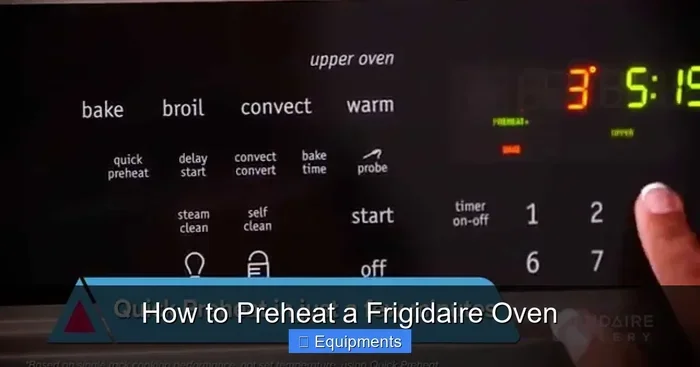
While the rolls are rising, preheat your oven to 375°F. Getting the oven to the right baking temperature for bread rolls before the rolls go in is essential for even cooking.
Step 6: Bake to Golden Perfection
Place the baking sheet in the preheated oven and bake for twenty to twenty-five minutes. The Brotz are done when they turn a beautiful golden brown color and sound hollow when you tap the bottom. An internal temperature of 190°F to 200°F indicates they are fully baked through.
For an extra golden crust, you can brush the rolls with a little melted butter right when they come out of the oven. This also adds a subtle richness to the flavor. Let the rolls cool on a wire rack for at least fifteen minutes before serving.
Oven Temperature and Baking Time for Brotz
Getting the oven temperature for Brotz right is one of the most important factors in achieving great results. Too low and the rolls will be dense and pale. Too high and the outside will burn before the inside cooks through.
The sweet spot for most oven-baked Brotz recipes is between 375°F and 400°F. At this temperature, the rolls bake evenly and develop a lovely golden color without drying out. Here is a quick reference guide:
- 375°F: Best for softer, slightly denser rolls. Bake for 22 to 25 minutes.
- 400°F: Ideal for crispier crust with a lighter interior. Bake for 18 to 22 minutes.
- 350°F: Use this for a gentler bake if your rolls are on the smaller side. Bake for 25 to 30 minutes.
The baking time for bread rolls can vary depending on your oven, the size of your rolls, and how dark you like the crust. Always start checking a few minutes early. It is better to pull them out and check than to overbake them.
How to Know When Brotz Is Done
There are a few reliable ways to tell if your fresh baked bread is ready. First, look at the color. A deep golden brown is the target. Second, tap the bottom of a roll. If it sounds hollow, it is done. Third, use a food thermometer to check the internal temperature. 190°F to 200°F is the sweet spot for perfectly baked Brotz.
Tips for the Best Oven-Baked Brotz
Even with a great recipe, small details can make a big difference. Here are some tried-and-true tips from experienced home bakers that will help you get the best results every time.
Use a Steam Trick for a Crispy Crust
Professional bakers use steam in their ovens to create that beautiful, crispy crust. You can replicate this at home by placing a shallow pan of water on the bottom rack of your oven while the Brotz bake. The steam helps the crust develop properly and gives your rolls a more professional finish.
Do Not Skip the Second Rise
Some beginners skip the second rise to save time. This is a mistake. The second rise allows the yeast to ferment further, creating those airy pockets inside the bread. Skipping this step results in denser, less flavorful rolls. If you are short on time, the second rise can be shortened to twenty minutes, but do not skip it entirely.
Invest in a Baking Stone or Steel
A baking stone or steel can transform your oven-baked bread. It absorbs moisture from the dough and provides even heat distribution. This helps create a crispier bottom crust and more even baking overall. If you are serious about homemade bread rolls, a baking stone is a worthwhile investment.
Experiment with Flavors and Add-Ins
Once you master the basic recipe, the fun really begins. Try adding fresh herbs like rosemary or thyme to the dough. Sprinkle sesame seeds or poppy seeds on top before baking for extra flavor and texture. You can also fold in shredded cheese, minced garlic, or sun-dried tomatoes for a savory twist.
These bread baking variations are a great way to customize your Brotz for different meals or occasions. A cheesy garlic Brotz goes wonderfully with pasta, while an herbed version pairs perfectly with soup.
Common Mistakes to Avoid When Baking Brotz
Even experienced bakers sometimes make mistakes. Being aware of common pitfalls can save you a lot of frustration and wasted ingredients.
Using Water That Is Too Hot or Too Cold
Water that is too hot will kill the yeast, and water that is too cold will not activate it properly. Always test the water temperature with your finger. It should feel warm but not hot, like a comfortable bath temperature. If in doubt, use a thermometer and aim for 105°F to 110°F.
Over-Kneading the Dough
While kneading is essential, over-kneading can make your dough tough and tight. The dough should feel smooth and elastic, not stiff or rubbery. If you are using a stand mixer, use the dough hook on medium speed and check the dough frequently. About eight to ten minutes of hand kneading or five to seven minutes with a mixer is usually sufficient.
Opening the Oven Door Too Often
Every time you open the oven door, heat escapes, and the temperature drops. This can cause your Brotz to collapse or bake unevenly. Resist the urge to check on them too frequently. Use the oven light to peek through the window instead. Only open the door when you are ready to check for doneness near the end of the baking time.
Not Letting the Rolls Cool Properly
It can be tempting to tear into warm, fresh Brotz right away, but cutting into them too soon releases steam and can make the inside gummy. Let the rolls cool on a wire rack for at least fifteen minutes before slicing or serving. This also allows the crumb structure to set properly.
Storing and Reheating Your Homemade Brotz
One of the best things about making Brotz at home is that you can enjoy them for days after baking. Proper storage keeps them fresh and delicious.
Store your cooled Brotz in an airtight container or a bread bag at room temperature. They will stay fresh for up to three days this way. For longer storage, you can freeze them. Wrap individual rolls in plastic wrap, place them in a freezer bag, and they will keep for up to three months.
To reheat frozen or day-old Brotz, wrap them in aluminum foil and place them in a 350°F oven for about ten minutes. This brings back the crispy crust and soft interior almost as good as fresh. Avoid using a microwave for reheating, as it tends to make the crust soggy and the inside rubbery.
Serving Suggestions for Your Oven-Baked Brotz
Fresh baked Brotz is incredibly versatile. Here are some delicious ways to enjoy them:
- With butter and jam: A classic breakfast or afternoon snack that never gets old.
- Alongside soup: Tear off a piece and use it to dip into your favorite soup or stew.
- As sandwich bread: Slice them in half and fill with your favorite deli meats, cheese, and vegetables.
- With cheese and charcuterie: Serve alongside a cheese board for a beautiful appetizer spread.
- Brushed with garlic butter: A simple yet irresistible side dish that pairs with almost any meal.
Once you start making homemade Brotz regularly, you will find new ways to enjoy them every week. They are a wonderful addition to any meal and a real crowd-pleaser at dinner parties.
Final Thoughts on Cooking Brotz in the Oven
Learning how to cook Brotz in the oven is a rewarding skill that anyone can develop. The process is straightforward, the ingredients are simple, and the results are absolutely delicious. There is a real sense of satisfaction that comes from pulling a tray of warm, golden bread rolls out of your own oven.
Start with the basic recipe, follow the steps carefully, and do not be afraid to experiment once you feel comfortable. The more you bake, the more intuitive the process becomes. Before long, making fresh baked bread rolls will feel like second nature, and your family and friends will be asking you to make them all the time.
Remember that baking is both an art and a science. Pay attention to your dough, respect the rise times, and trust the process. With a little practice, you will be producing bakery-quality Brotz right in your own kitchen. So go ahead, preheat that oven, and get baking. Your perfect Brotz is just a tray away.
Frequently Asked Questions
What is the best oven temperature for baking Brotz?
The ideal oven temperature for Brotz is between 375°F and 400°F. This range allows the rolls to bake evenly, develop a beautiful golden crust, and cook through without drying out. Always preheat your oven before placing the rolls inside for the best results.
How long does it take to bake Brotz in the oven?
Most oven-baked Brotz recipes call for a baking time of 20 to 25 minutes at 375°F. The exact time depends on the size of your rolls and your specific oven. Look for a deep golden brown color and a hollow sound when tapped to confirm they are done.
Can I use all-purpose flour instead of bread flour for Brotz?
Yes, you can use all-purpose flour as a substitute, but the texture will be slightly different. Bread flour has a higher protein content that creates a chewier, more structured crumb. All-purpose flour will produce softer, lighter rolls that still taste great but may not hold their shape as well.
How do I know if my yeast is still active?
The best way to test your yeast is to dissolve it in warm water with a pinch of sugar. If it becomes frothy and bubbly within five to ten minutes, it is still active and ready to use. If nothing happens, the yeast is dead, and you should replace it before baking.
Can I freeze freshly baked Brotz?
Absolutely! Freezing homemade bread rolls is a great way to enjoy them later. Let the rolls cool completely, wrap each one individually in plastic wrap, and place them in a freezer bag. They will keep for up to three months. Reheat in a 350°F oven for about ten minutes to restore the fresh-baked texture.
What can I add to my Brotz dough for extra flavor?
There are many ways to customize your homemade Brotz with extra flavor. Try adding fresh herbs like rosemary or thyme, seeds such as sesame or poppy, minced garlic, shredded cheese, or even sun-dried tomatoes. Fold these in during the kneading stage for even distribution throughout the dough.
=== CONCLUSION ===
Cooking Brotz in the oven is one of the most satisfying and enjoyable baking projects you can try at home. With the right ingredients, proper technique, and a little patience, you can create beautiful, golden bread rolls that taste far better than anything from a store-bought package. The key is to follow each step carefully, respect the rise times, and pay attention to your oven temperature and baking time.
Remember that every batch of homemade bread rolls teaches you something new. Do not get discouraged if your first attempt is not perfect. Baking is a skill that improves with practice, and each loaf brings you closer to mastery. Keep experimenting with flavors, refine your technique, and most importantly, enjoy the process.
Now that you know how to cook Brotz in the oven, it is time to put your knowledge into action. Gather your ingredients, preheat your oven, and start baking. The aroma of fresh bread filling your home is a reward in itself, and the taste of your own homemade Brotz is something truly special. Happy baking!