How Long To Cook A Tomahawk In The Oven For Beginners
Learn exactly how long to cook a tomahawk in the oven with this beginner-friendly guide. You will discover the perfect oven temperature, cook times for different doneness levels, and simple steps to get a restaurant-quality tomahawk steak at home. This guide covers prep, seasoning, cooking, and resting so you can serve a show-stopping bone-in ribeye every single time.
There is something magical about a tomahawk steak. It is big. It is bold. And it looks absolutely stunning on any plate. If you have ever wanted to cook one at home but felt unsure about the process, you are in the right place. This guide will walk you through everything you need to know about how long to cook a tomahawk in the oven. We will cover temperatures, timing, seasoning, and all the little tricks that make the difference between a good steak and a great one.
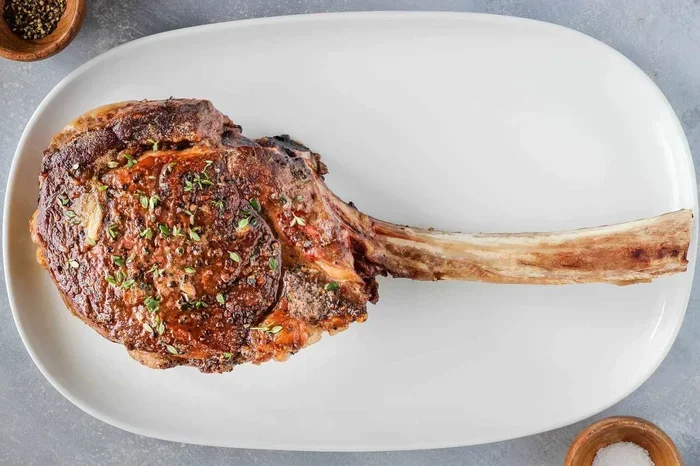
A tomahawk steak is essentially a bone-in ribeye with a long, frenched bone that looks like a handle. It is thick, juicy, and packed with flavor. Cooking it in the oven gives you more control than a grill might. You can monitor the heat closely. You can adjust as needed. And you can achieve a beautiful pink center without any guesswork. Whether you are a first-timer or someone who wants to refine your technique, this article will give you the confidence to cook a tomahawk like a pro.
The biggest question most people ask is, “How long does it actually take?” The answer depends on a few factors. The thickness of the steak matters. The starting temperature of the meat matters. And your desired level of doneness matters too. But do not worry. We will break it all down in simple terms. By the end of this guide, you will know exactly what to do from start to finish.
Key Takeaways
- Low and slow is the way: Cooking a tomahawk steak in the oven at a low temperature ensures even doneness from edge to edge.
- Aim for 200°F internal temp: This is the sweet spot for a perfect medium-rare finish after resting.
- Rest your steak for at least 15 minutes: Skipping this step causes juicy juices to run all over your cutting board instead of staying in the meat.
- Use a meat thermometer: Guessing leads to overcooked or undercooked results every time.
- The reverse sear method works best: Slow roasting followed by a hot pan sear gives you that restaurant-quality charred crust.
- Season simply but well: Salt, pepper, garlic, and fresh herbs are all you need for a show-stopping bone-in steak.
- Plan for 45 minutes to 1 hour of cook time: Depending on thickness, your tomahawk roast needs patience, not speed.
📑 Table of Contents
What Is a Tomahawk Steak and Why Cook It in the Oven?
A tomahawk steak is a thick cut of ribeye beef with the bone left in and trimmed to look like a handle. It usually weighs between 30 and 45 ounces. The bone adds flavor during cooking. It also makes the steak look incredibly impressive at the dinner table. This cut comes from the rib section of the cow. That means it has plenty of marbling. Marbling is the fat running through the meat. It melts during cooking and keeps everything tender and juicy.
Why the Tomahawk Cut Stands Out
Unlike a regular steak, a tomahawk is a showpiece. It is the kind of cut you serve when you want to make an impression. The long bone sticks out like a handle, which is why people sometimes call it a “handle steak.” When you bring it to the table, people notice. It turns an ordinary meal into a special occasion. The bone also protects the meat closest to it during cooking. This helps keep that area perfectly pink and tender.
What Makes It Different From a Regular Steak
A standard ribeye might be an inch or two thick. A tomahawk is usually three inches thick or more. That extra thickness is what makes cooking it tricky. If you crank up the heat, the outside burns before the inside is done. If you keep the heat too low, the whole thing takes forever. That is exactly why the oven method works so well. It gives you gentle, even heat that penetrates all the way to the center without drying out the edges.
Cooking a tomahawk in the oven also frees up your stovetop. You can prepare sides while the steak roasts. You can make a sauce. You can set the table. It is a much more relaxed way to cook a big cut of meat. And the results are consistently excellent when you follow the right steps.
How Long To Cook A Tomahawk In The Oven
The short answer is about 45 minutes to 1 hour for most tomahawk steaks. But the full answer depends on a few key variables. Let us break down exactly what affects the cooking time and what you should expect at each stage.
Oven Temperature Settings
The best oven temperature for a tomahawk steak is 275°F. This low heat allows the meat to cook slowly and evenly. At this temperature, the outside does not burn. The inside warms up gradually. The fat has time to render and baste the meat from within. Some cooks go as low as 250°F for extra-thick cuts. Others push to 300°F if they are in a hurry. But 275°F is the sweet spot for most situations.
Preheat your oven before placing the steak inside. A cold oven means uneven cooking from the start. Give it at least 15 to 20 minutes to reach the right temperature. Use an oven thermometer if you have one. Many home ovens run a little hot or a little cold. Knowing your actual oven temperature helps you plan better.
Cook Times By Doneness Level
Here is a general guide for how long to cook a tomahawk in the oven based on how thick it is and what doneness you want:
- 1.5-inch thick: About 25 to 35 minutes for medium-rare.
- 2-inch thick: About 35 to 45 minutes for medium-rare.
- 3-inch thick: About 45 to 60 minutes for medium-rare.
- 4-inch thick: About 60 to 75 minutes for medium-rare.
These times assume you start with a steak that is about 40 to 50°F from the fridge. If your meat is at room temperature, it will cook faster. Always use a meat thermometer to check the internal temperature. That is the most reliable way to know exactly when your steak is ready.
Step-by-Step Oven Cooking Process
Now let us get into the actual steps. This is where the magic happens. Follow these instructions closely and you will end up with a beautiful, juicy tomahawk steak.
Prepping and Seasoning
Start by taking your tomahawk out of the fridge about 30 to 45 minutes before cooking. This lets the meat warm up a bit. Cold meat in a hot oven cooks unevenly. The outside overcooks while the center stays cold. Room temperature meat cooks more consistently throughout.
Pat the steak dry with paper towels. Dry meat sears better. It also absorbs seasoning more evenly. Now for the seasoning. Keep it simple. Coarse salt and freshly cracked black pepper are your foundation. Sprinkle both sides generously. You can also add garlic powder, smoked paprika, or dried herbs like rosemary and thyme. Some people like to rub the steak with a little olive oil or melted butter before seasoning. This helps the salt and pepper stick to the surface.
Place a wire rack inside a baking sheet. Set the tomahawk on the rack bone-side down. The wire rack allows hot air to circulate around the steak. It prevents the bottom from sitting in liquid and getting soggy. If you do not have a wire rack, you can use a vegetables rack or even lay chopped vegetables underneath to lift the meat off the pan.
The Slow Roast Phase
Put the baking sheet with the steak into your preheated oven. Set a timer based on the thickness guide above. Do not open the oven door too often. Every time you open it, heat escapes and the temperature drops. This slows down cooking and can create uneven results.
After about halfway through the cook time, you can check the internal temperature. Insert a meat thermometer into the thickest part of the meat. Avoid touching the bone. The bone conducts heat differently than the meat. It can give you a false reading. Aim for about 120°F to 125°F for medium-rare at this stage. The steak will continue to rise in temperature during resting.
Resting Your Steak
This step is just as important as the cooking itself. When the steak reaches about 5°F below your target doneness temperature, pull it out of the oven. Tent it loosely with aluminum foil. Let it rest on the counter for at least 15 to 20 minutes. During this time, the juices redistribute throughout the meat. If you cut into it right away, those juices will run out onto the plate instead of staying where they belong. A rested steak is a juicy steak.
While the steak rests, you can prepare your pan for the final sear. This is the step that gives you that beautiful brown crust. It is what separates a home-cooked steak from a mediocre one.
The Reverse Sear Method for Tomahawk Steak
The reverse sear method is the gold standard for cooking thick steaks like a tomahawk. Instead of starting with a blazing hot pan, you start in the oven and finish with a quick, intense sear. This approach gives you perfect doneness edge to edge and a gorgeous browned crust on the outside.
Why Reverse Sear Works So Well
The reverse sear solves the biggest problem with thick steaks: the temperature gradient. When you sear first and then finish in the oven, the outside overcooks while the center catches up. With the reverse sear, the oven gently brings the entire steak up to near your target temperature. Then the quick sear adds color and flavor without overcooking the interior. The result is a uniform pink center with a slightly charred, caramelized exterior.
This method also gives you more control. You can pull the steak out the moment it hits the right internal temp. There is no guessing. No hoping. Just precise, repeatable results every single time. It is especially helpful for a tomahawk because the bone insulates part of the meat. The reverse sear accounts for that uneven heat distribution.
How to Finish With a Perfect Sear
After resting your steak, heat a cast iron skillet over high heat. Add a high smoke point oil like avocado oil or grapeseed oil. You need a tiny bit of butter in the pan as well. Once the oil is shimmering and just starting to smoke, place the tomahawk steak in the pan. Sear each side for about 60 to 90 seconds. Use tongs to hold the steak and sear the edges too. The bone and the meat around it benefit from a quick sear as well.
For extra flavor, add a clove of smashed garlic and a sprig of fresh rosemary to the pan during the last 30 seconds of searing. Baste the steak with the hot oil and butter using a spoon. This adds richness and a subtle herbal aroma. The whole sear process should take no more than 3 to 4 minutes total.
After searing, place the steak on a cutting board again. Let it rest for just 3 to 5 minutes before slicing. This final rest lets the surface cool slightly so the crust stays crisp. It also gives the inside one last chance to even out the temperature.
How to Know When Your Tomahawk Steak Is Done
Knowing when your steak is done is the most important skill in cooking a tomahawk. It is not about time alone. It is about temperature. Here is how to get it right every time.
Using a Meat Thermometer
A digital instant-read thermometer is your best friend. It takes the guesswork out of cooking. Insert it into the center of the thickest part of the meat. Go in from the side, not from the top. This gives you the most accurate reading. Clean the thermometer between checks. Residual meat on the probe can give false readings.
Take the steak out of the oven when it is 5°F below your target temperature. The temperature will rise during resting. This is called carryover cooking. It is a natural process where residual heat continues to cook the meat even after it leaves the oven. For a medium-rare finish, pull the steak at about 115°F to 120°F. It will reach 125°F to 130°F after resting.
Internal Temperature Guide
Here is a simple temperature guide for different levels of doneness:
- Rare: Pull at 110°F, final temp 120°F to 125°F.
- Medium-Rare: Pull at 115°F to 120°F, final temp 125°F to 130°F.
- Medium: Pull at 125°F, final temp 135°F to 140°F.
- Medium-Well: Pull at 135°F, final temp 145°F to 150°F.
- Well-Done: Pull at 145°F, final temp 155°F and above.
Most steak lovers prefer medium-rare. That is where a tomahawk steak shines. The fat is fully rendered. The meat is juicy and tender. The center has a beautiful pink color. If you have never tried medium-rare, we encourage you to give it a chance. It is the flavor sweet spot for ribeye cuts.
Common Mistakes to Avoid
Even experienced cooks make mistakes with a tomahawk steak. Here are the most common ones and how to avoid them.
Skipping the Rest
This is the number one mistake people make. They pull the steak out and immediately cut into it. All those juices flood the cutting board. The meat dries out. You worked hard to get that perfect internal temperature. Do not ruin it by skipping the rest. Give it at least 15 minutes. The meat will be juicier, more flavorful, and easier to slice.
Overcooking the Thick End
The thick part of a tomahawk takes longer to cook than the thinner edges. If you cook it too long, the thick end becomes gray and dry while the thin parts are perfect. Use a thermometer and pull the steak early. Remember carryover cooking. The temperature will keep rising after you take it out. Better to pull it a little early than a little late.
Not Drying the Surface
Moisture is the enemy of a good sear. If the surface of the steak is wet, it steams instead of searing. Pat it thoroughly with paper towels before seasoning and again before the final sear. A dry surface gives you that deep, brown, caramelized crust you are looking for.
Using the Wrong Oil
Do not use olive oil for high-heat searing. Its smoke point is too low. It burns and creates a bitter taste. Use avocado oil, canola oil, or grapeseed oil instead. These have higher smoke points and a neutral flavor that does not interfere with the taste of the beef.
Quick Tips for Perfect Tomahawk Steak Every Time
Here are some bonus tips to help you nail this every single time:
- Buy quality meat: Look for USDA Prime or Choice grade. The marbling makes all the difference in flavor and tenderness.
- Ask your butcher to french the bone: If your tomahawk does not come with a clean bone, ask the butcher to trim it. This makes it look restaurant-ready.
- Use a wire rack every time: It promotes even airflow and prevents the bottom from getting soggy.
- Do not skip the salt: Salt draws moisture out of the meat initially. But if you salt at least 40 minutes before cooking, the salt dissolves and gets reabsorbed. This seasons the meat deeply and creates a better crust.
- Let the pan get ripping hot: For the final sear, the pan should be smoking hot. If it is not hot enough, the steak will stew instead of sear.
- Slice against the grain: When serving, cut perpendicular to the muscle fibers. This makes each slice more tender and easier to chew.
Cooking a tomahawk steak in the oven is not complicated. It just requires patience and attention to detail. Follow the steps in this guide and you will be amazed at the results. The low and slow approach gives you a steak that is evenly cooked, incredibly juicy, and full of flavor. The reverse sear adds that professional-quality crust without any stress.
The next time you have a special dinner planned or just want to treat yourself, grab a tomahawk steak and give this method a try. Start with a room temperature steak. Season it simply. Roast it low and slow. Rest it properly. Finish it with a hot sear. The process takes about an hour from start to finish. But the result is worth every minute. You will have a restaurant-quality bone-in ribeye right in your own kitchen. And your family or guests will never forget it.
Remember, the key to a perfect tomahawk steak is not speed. It is control. Control the temperature. Control the timing. Control the resting. Once you master these three things, you can cook a tomahawk steak any time you want. The oven method removes all the uncertainty. It gives you a clear path from raw steak to perfect steak. So go ahead. Fire up your oven. Grab your thermometer. And make your next tomahawk steak one to remember.
Frequently Asked Questions
Can I cook a tomahawk steak from frozen in the oven?
It is not recommended. Cooking from frozen leads to uneven cooking. The outside overcooks while the center stays frozen. Always thaw your tomahawk steak in the fridge for 24 to 48 hours before cooking. This ensures even heat distribution and a much better result.
What is the best internal temperature for a medium-rare tomahawk steak?
Aim for an internal temperature of 125°F to 130°F after resting. Pull the steak out of the oven at about 115°F to 120°F. Carryover cooking will raise the temperature by 5 to 10 degrees during the rest period.
Do I need a cast iron skillet for the final sear?
A cast iron skillet is ideal because it holds heat extremely well. But you can use any heavy-bottomed stainless steel or carbon steel pan. The key is that the pan must be very hot before you add the steak. A hot pan creates a proper sear without overcooking the inside.
How long should I let the tomahawk rest after cooking?
Let the steak rest for at least 15 to 20 minutes after pulling it from the oven. If you sear it at the end, give it an additional 3 to 5 minutes after searing. During resting, the juices redistribute and the temperature stabilizes. This makes the steak juicier and more flavorful when you slice it.
Can I use a gas grill instead of the oven?
Yes, you can. A two-zone fire on a gas grill works similarly to the oven method. Sear the steak over direct high heat, then move it to the cooler side with the lid closed. However, the oven gives you more precise temperature control, which is why it is the preferred method for beginners.
What should I serve with a tomahawk steak?
Tomahawk steak pairs well with roasted vegetables, mashed potatoes, creamed spinach, or a simple side salad. A red wine reduction or chimichurri sauce adds a nice complement. Keep the sides simple so the steak remains the star of the plate.
=== CONCLUSION ===
Cooking a tomahawk steak in the oven is easier than you think. With the right temperature, the right timing, and a little patience, you can achieve restaurant-quality results at home. The reverse sear method is your best friend. A meat thermometer is your best tool. And a proper resting period is your best insurance policy against dry meat.
Now that you know how long to cook a tomahawk in the oven, it is time to put this knowledge to work. Grab a quality bone-in ribeye, preheat your oven to 275°F, and follow the steps in this guide. You will be surprised at how simple and rewarding the process is. Every time you cook a tomahawk steak, you will get a little better. And every time you serve one, you will make a lasting impression.