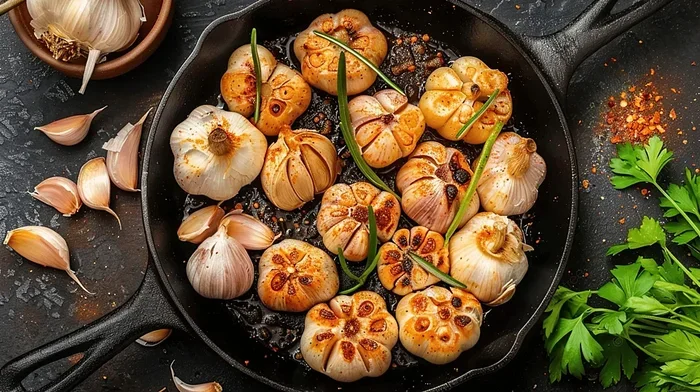
How Long To Cook Whole Garlic In Oven For Best Results
How long to cook whole garlic in oven depends on temperature and size, but most heads roast in 30 to 45 minutes at 400°F. Whole garlic cloves turn soft, sweet, and caramelized when baked properly, making them a versatile garlic recipe staple. Roasted garlic is easy to make, stores well, and adds incredible flavor to countless dishes.
There is something magical about a whole head of garlic slowly roasting in the oven. The kitchen fills with a warm, nutty aroma, and when you squeeze out those soft, golden cloves, you know you have created something special. How long to cook whole garlic in oven is a question many home cooks ask, and the answer is simpler than you might think.
Whether you are a seasoned chef or just starting out in the kitchen, roasting whole garlic is one of the easiest and most rewarding techniques you can learn. It transforms sharp, pungent garlic into a sweet, spreadable treat that works in almost any dish. In this guide, we will walk through everything you need to know — from timing and temperature to storage and creative uses. By the end, you will feel confident enough to make oven-baked garlic a regular part of your cooking routine.
Key Takeaways
- 30 to 45 minutes is the typical cooking time for whole garlic in the oven at 400°F.
- Lower temperatures (300°F) take longer but produce ultra-soft, mellow garlic.
- Wrapping garlic in foil traps moisture and ensures even cooking.
- Roasted garlic can be stored in the fridge for up to two weeks.
- Caramelized garlic pairs beautifully with bread, pasta, soups, and sauces.
- Choosing the right garlic bulb — firm, plump heads — makes a big difference.
- Overcooking is the most common mistake and can turn garlic bitter.
📑 Table of Contents
- How Long To Cook Whole Garlic In Oven – The Quick Answer
- What Temperature To Cook Whole Garlic In Oven
- Step-by-Step Guide To Roasting Whole Garlic
- How To Tell When Whole Garlic Is Done
- Ways To Use Roasted Whole Garlic
- Common Mistakes To Avoid When Cooking Garlic In The Oven
- Expert Tips For Perfect Roasted Garlic Every Time
- Health Benefits Of Roasted Garlic
- How To Store Roasted Garlic Properly
- Conclusion
How Long To Cook Whole Garlic In Oven – The Quick Answer
The general rule for how long to cook whole garlic in oven is 30 to 45 minutes at 400°F. However, several factors can change this timeline. The size of the garlic bulb, the oven temperature you choose, and how soft you want the final result all play a role.
At 400°F, most whole garlic heads need about 35 minutes. If you drop the temperature to 350°F, plan for 40 to 50 minutes. And if you prefer a very low and slow roast at 300°F, you might need up to 60 minutes. The key is to watch the garlic closely and use your senses — color, smell, and softness are your best guides.
Here is a quick reference table to help you plan your garlic cooking time:
- 400°F: 30 to 40 minutes — golden, slightly caramelized edges.
- 350°F: 40 to 50 minutes — softer, mellower flavor.
- 300°F: 55 to 65 minutes — ultra-soft, almost spreadable texture.
These times assume a standard-sized garlic bulb. Smaller bulbs may finish faster, while larger ones might need a few extra minutes. Always start checking at the lower end of the range to avoid overcooked garlic.
Why Timing Matters So Much
Timing is the single most important factor when roasting whole garlic. Undercooked garlic can still taste sharp and raw, while overcooked garlic turns bitter and dry. The sweet spot — where the garlic becomes tender, sweet, and caramelized — happens within a relatively narrow window. This is why knowing your oven and keeping an eye on the bulb matters so much.
Every oven runs slightly differently. Some ovens have hot spots, and some run hotter or cooler than the dial says. A simple oven thermometer can take the guesswork out of the equation. Once you know your oven’s true temperature, you can dial in the perfect garlic roast every single time.
What Temperature To Cook Whole Garlic In Oven
Choosing the right oven temperature for whole garlic in oven depends on what kind of result you want. Most recipes settle on 400°F as the default, but there are good reasons to go higher or lower depending on your goals.
The 400°F Standard
400°F is the most popular temperature for roasted garlic. It strikes a great balance between cooking time and flavor development. At this heat, the garlic cloves brown nicely on the outside while turning creamy and soft on the inside. The natural sugars in the garlic begin to caramelize, creating that signature sweet, nutty taste.
For most home cooks, 400°F is the go-to choice. It works reliably, and the results are consistently delicious. If you are new to garlic preparation for roasting, start here.
Lower Temperatures for Milder Flavor
If you want a very mild, buttery garlic with no hint of sharpness, try roasting at 300°F or 325°F. The lower heat takes longer, but it gently breaks down the garlic’s natural compounds without browning them too much. The result is a pale, almost white garlic that melts in your mouth and has a delicate, sweet flavor.
This method works especially well if you plan to use the roasted garlic in sauces or dressings where you want a subtle garlic presence without overpowering other ingredients.
Higher Temperatures for Faster Roasting
Some cooks like to crank the oven up to 425°F or even 450°F for a quicker roast. At these temperatures, the garlic can be done in as little as 20 to 25 minutes. The edges get darker and more caramelized, and the flavor is more intense and robust.
The trade-off is a higher risk of burning. Garlic can go from perfectly golden to bitter very quickly at high heat. If you use this approach, set a timer and check the garlic every 5 minutes after the 20-minute mark.
Quick Tips For Choosing Temperature
- 400°F is best for beginners and everyday use.
- 300°F to 325°F works well for a mild, buttery texture.
- 425°F to 450°F is great for quick roasts with deeper flavor.
- Always preheat your oven before placing the garlic inside.
- Convection ovens may reduce cooking time by about 5 to 10 minutes.
Step-by-Step Guide To Roasting Whole Garlic
Now that you know the timing and temperature, let us walk through the actual process. Roasting whole garlic in oven is incredibly simple, but a few small details make a big difference in the final result.
Step 1: Choose the Right Garlic
Start with a firm, plump garlic bulb. Avoid bulbs that feel soft, dry, or have green sprouts growing from the cloves. Fresh garlic with tight, papery skin roasts the best and gives you the most flavor. Garlic bulbs from local farmers’ markets or organic sources often roast better than old, store-bought garlic that has been sitting on the shelf for weeks.
Step 2: Prep the Garlic Head
Take a sharp knife and slice about a quarter inch off the top of the garlic bulb. You want to expose the tops of the cloves. Do not peel the garlic. The papery skin holds everything together during roasting and adds a subtle, smoky flavor to the final result.
Next, place the garlic head on a square of aluminum foil. Drizzle a small amount of olive oil over the exposed cloves, letting it seep into the cuts. You can also add a pinch of salt and a tiny sprinkle of black pepper at this stage.
Step 3: Wrap and Place on a Baking Sheet
Wrap the garlic loosely in the foil, creating a small pouch. The foil traps steam and helps the garlic cook evenly. Place the wrapped garlic on a baking sheet — this catches any drips and makes cleanup a breeze.
Some cooks skip the foil and roast the garlic uncovered on a baking dish. Both methods work, but the foil method is more forgiving. It keeps the garlic moist and prevents the edges from drying out too quickly.
Step 4: Roast and Wait
Place the baking sheet in the preheated oven and set your timer. For a 400°F roast, 35 minutes is a good starting point. At 350°F, go closer to 45 minutes. The garlic is done when the cloves feel soft when you gently press the top of the bulb, and the surface is golden brown.
Resist the urge to open the oven door too often. Every time you open it, the temperature drops, which can extend the cooking time. Trust the process and let the oven do its work.
Step 5: Cool and Squeeze
Once the garlic is done, remove it from the oven and let it cool for about 10 minutes. The garlic will be hot inside, so handle it carefully. When it is cool enough to touch, unwrap the foil and gently squeeze the bottom of the bulb. The roasted cloves should slide out easily, like butter from a stick.
You can use the roasted garlic right away or store it for later. The flavor only gets better as it sits for a day or two in the fridge, so feel free to make a batch ahead of time.
How To Tell When Whole Garlic Is Done
Knowing when garlic is done cooking in the oven is a skill that comes with practice, but there are clear signs to look for. You do not need to be a professional cook to get this right.
Visual cues are the first indicator. The top of the garlic should be golden brown, and you may see the edges of the cloves peeking through the cut with a slightly darkened, caramelized color. The papery skin will also look a bit shrunken and toasted.
Texture is the second clue. When you press gently on the top of the garlic bulb, the cloves should feel soft and give slightly. If they still feel firm or hard in the center, they need more time. A small knife or toothpick inserted into the thickest clove should slide in with almost no resistance.
Smell is your best friend. Roasted garlic has a sweet, nutty, almost buttery aroma that is unmistakable. If the garlic still smells sharp or raw, it needs more time in the oven. When the fragrance is warm and mellow, you are very close to done.
Common Signs Of Undercooked Garlic
- The cloves still feel firm in the center.
- The color is pale and lacks golden-brown tones.
- The smell is sharp and pungent rather than sweet.
- The garlic does not yield when gently pressed.
Common Signs Of Overcooked Garlic
- The cloves are dark brown or almost black throughout.
- The garlic smells burnt or acrid.
- The texture is dry, crumbly, or mushy.
- The flavor is bitter rather than sweet.
Getting the timing right for how long to cook whole garlic in oven is all about watching for these signs. When in doubt, check a few minutes early. You can always put the garlic back in for a few more minutes, but you cannot undo overcooked garlic.
Ways To Use Roasted Whole Garlic
Once you have mastered roasting whole garlic, the fun really begins. Roasted garlic cloves are incredibly versatile, and once you have a batch ready, you will find yourself using them all week long.
Spread It on Bread
The simplest and most satisfying way to enjoy roasted garlic is to spread it on warm, crusty bread. Just squeeze a clove onto a slice of toasted baguette, crackers, or crusty sourdough. Add a drizzle of olive oil and a sprinkle of flaky salt, and you have an instant appetizer or snack that will impress anyone.
Mix It Into Mashed Potatoes
Roasted garlic adds a rich, sweet depth to mashed potatoes. Simply squeeze the cloves into your mashed potatoes along with butter and warm milk. The result is creamy, flavorful potatoes that taste like they came from a fancy restaurant.
Stir It Into Soups and Sauces
Add roasted garlic to soups, stews, pasta sauces, or pan sauces for an instant flavor boost. It dissolves beautifully into warm liquids and creates a smooth, garlicky base. Try stirring it into a simple tomato sauce or a creamy garlic soup for a restaurant-quality meal at home.
Make Garlic Butter
Roasted garlic and butter are a match made in heaven. Mash the cloves into softened butter, add a pinch of salt, and mix well. This garlic butter is incredible on steak, vegetables, rice, or freshly popped popcorn. You can also roll it into a log with plastic wrap and freeze it for up to three months.
Blend It Into Dressings and Dips
Whisk roasted garlic into vinaigrettes, aioli, hummus, or ranch dressing. It adds a smooth, mellow garlic flavor that works beautifully in dips and dressings without the harsh bite of raw garlic.
Top Your Pizza or Pasta
Roasted garlic is a fantastic pizza topping. Add it after the pizza comes out of the oven so it stays soft and creamy. On pasta, toss roasted garlic cloves with olive oil, fresh herbs, and a sprinkle of parmesan for a simple, elegant dish.
Common Mistakes To Avoid When Cooking Garlic In The Oven
Even though roasting garlic is simple, there are a few common pitfalls that can ruin your results. Knowing what to avoid will save you time and frustration.
Skipping the Olive Oil
Garlic needs fat to roast properly. Without oil, the cloves can dry out and become bitter. Always drizzle a good amount of olive oil over the exposed cloves before wrapping them in foil. The oil also helps the garlic brown more evenly and develop a richer flavor.
Using Too Much Foil
Wrapping the garlic tightly in multiple layers of foil can trap too much steam and actually steam the garlic instead of roasting it. Use a single layer of foil and wrap it loosely enough that some heat can circulate. You want gentle roasting, not steaming.
Not Trimming the Top
If you skip trimming the top of the garlic bulb, the cloves will not cook evenly. The oil cannot reach the inside, and the heat cannot penetrate properly. Always make that cut — it is the single most important prep step.
Overcooking the Garlic
This is the mistake most people make. It is easy to get distracted and leave the garlic in the oven too long. Set a timer, and start checking at 30 minutes. Remember that the garlic continues to cook slightly even after you take it out of the oven, so pull it out when it is just shy of how you want it.
Storing Roasted Garlic Improperly
Roasted garlic keeps well in an airtight container in the refrigerator for up to two weeks. You can also freeze it — just place the cloves in a small freezer bag or airtight container, and they will last for up to three months. Never leave roasted garlic sitting at room temperature for more than a few hours, as it can develop bacteria.
Ignoring Garlic Quality
The quality of your garlic bulb directly affects the flavor of the final result. Old, dried-out garlic will not roast as well and may taste flat. Choose fresh, firm bulbs with tight skin for the best garlic flavor and texture.
Expert Tips For Perfect Roasted Garlic Every Time
A few extra tips can elevate your garlic roast from good to outstanding. These are small changes that make a big difference.
- Use a garlic roaster pot if you have one. These small ceramic pots are designed specifically for roasting garlic and produce beautifully even results.
- Add herbs to the foil pouch. A sprig of rosemary, thyme, or a bay leaf adds a lovely aroma and flavor to the garlic as it roasts.
- Let the garlic come to room temperature before roasting. Cold garlic from the fridge takes longer to cook and may roast unevenly.
- Save the garlic oil. The olive oil in the foil pouch becomes infused with garlic flavor. Drizzle it over salads, bread, or pasta for an extra flavor boost.
- Make a big batch. Roasted garlic keeps well, so roast several bulbs at once. You can always freeze what you do not use right away.
- Try different garlic varieties. Softneck garlic roasts well, but hardneck garlic has a more complex flavor that is wonderful when roasted.
Health Benefits Of Roasted Garlic
Beyond its incredible taste, roasted garlic also offers health benefits that make it a smart addition to your diet. While some nutrients are reduced during cooking, roasted garlic still retains many of its beneficial compounds.
Garlic is known for its immune-boosting properties. It contains allicin, a compound that supports heart health and has natural anti-inflammatory effects. Roasting garlic does reduce the allicin content somewhat, but it still provides valuable nutrients like manganese, vitamin B6, and vitamin C.
Many people find that roasted garlic is easier to digest than raw garlic. If raw garlic causes stomach discomfort, roasting is a gentle alternative that still delivers great flavor and health benefits. Including garlic side dish options like roasted garlic in your meals is an easy way to boost your overall nutrition.
How To Store Roasted Garlic Properly
Proper storage is key to getting the most out of your roasted garlic cloves. Here is how to keep them fresh for as long as possible.
In the refrigerator: Place roasted garlic in an airtight container and store it in the fridge. It will keep for up to two weeks. The flavor actually improves after a day or two, so making a batch ahead of time is a great strategy.
In the freezer: Freeze roasted garlic cloves in a single layer on a baking sheet, then transfer them to a freezer bag. They will keep for up to three months. Frozen roasted garlic is perfect for tossing directly into soups, stews, or sauces without thawing.
In olive oil: Some people store roasted garlic submerged in olive oil in the refrigerator. This keeps the garlic moist and creates a flavorful garlic-infused oil. Always store garlic in oil in the fridge — never at room temperature — to prevent the risk of botulism.
Conclusion
How long to cook whole garlic in oven is a straightforward question with a satisfying answer. With the right temperature, timing, and a little attention, you can turn a simple garlic bulb into one of the most delicious ingredients in your kitchen. Whether you roast at 400°F for 35 minutes or take a slow approach at 300°F for an hour, the result is always worth the wait.
Roasted garlic is a kitchen staple that elevates almost any dish it touches. From spreading it on warm bread to stirring it into pasta sauces and soups, the possibilities are endless. Now that you know the proper garlic cooking time, temperature settings, and common mistakes to avoid, you are ready to make oven-baked garlic a regular part of your cooking.
Start with a simple batch this week. Wrap a garlic head in foil, pop it in the oven, and let the aroma fill your kitchen. Once you taste that first soft, caramelized clove, you will understand why so many cooks consider roasted garlic an essential garlic recipe to master. Enjoy the process, experiment with different temperatures and uses, and make whole garlic in oven your go-to side dish for any meal.
Frequently Asked Questions
Can I roast garlic at 350°F instead of 400°F?
Yes, 350°F works well for roasting whole garlic. At this temperature, the cooking time increases to about 40 to 50 minutes. The garlic will be slightly milder and softer compared to a 400°F roast, which is perfect if you prefer a more gentle flavor.
Do I need to peel the garlic before roasting it whole?
No, you do not need to peel the garlic. In fact, leaving the skin on helps hold the cloves together during roasting and adds a subtle smoky flavor. Simply trim the top of the bulb, drizzle with oil, and roast as-is. The skin comes off easily after cooking.
How long does roasted garlic last in the fridge?
Roasted garlic stored in an airtight container in the refrigerator lasts up to two weeks. The flavor improves after a day or two, making it a great make-ahead ingredient. Always use a clean utensil when removing cloves to keep them fresh longer.
Can I freeze roasted whole garlic?
Absolutely. Roasted garlic freezes very well. Place the cloves in a single layer on a baking sheet, freeze them, then transfer to a freezer bag. Frozen roasted garlic keeps for up to three months and can be added directly to dishes without thawing.
Why does my roasted garlic taste bitter?
Bitter roasted garlic is usually a sign of overcooking. Garlic goes from perfectly golden to burnt quickly, especially at higher temperatures. Always check the garlic a few minutes before the expected finish time, and pull it out when the cloves are soft and golden, not dark brown.
What is the difference between roasted garlic and caramelized garlic?
Roasted garlic is cooked whole in its skin in the oven, resulting in soft, sweet cloves. Caramelized garlic is typically minced or sliced and cooked slowly in a pan with oil until the sugars turn golden brown. Both are delicious, but they have different textures and uses in cooking.