How Long To Cook Baked Fish In The Oven Every Time
Cooking baked fish in the oven typically takes 10 to 20 minutes at 400°F to 425°F, depending on the type and thickness of the fish. This guide shows you the exact cooking times, temperatures, and pro tips to get perfectly flaky, moist fish every single time. Whether you are cooking salmon, tilapia, cod, or frozen fillets, you will find everything you need right here.
There is something magical about pulling a tray of baked fish out of the oven. The kitchen smells incredible. The fillets are golden and flaky. And you made it all by yourself in less than half an hour.
If you have ever wondered how long to cook baked fish in the oven, you are in the right place. This guide covers everything from temperatures and timing to seasoning tricks and common mistakes. By the end, you will feel confident enough to bake fish like a pro.
Baking fish in the oven is one of the simplest and healthiest ways to prepare a meal. It requires almost no effort, and the results are always impressive. Plus, it is a fantastic seafood recipe that works for busy weeknights and dinner parties alike.
Key Takeaways
- Standard baking temperature: Most fish bakes perfectly at 400°F to 425°F for 10 to 20 minutes.
- Thickness matters most: Thin fillets cook in 10 minutes, while thick steaks may need up to 25 minutes.
- Internal temperature is key: Fish is done when it reaches 145°F internally and flakes easily with a fork.
- Foil vs. uncovered: Foil keeps fish moist; uncovered baking gives you crispy skin and edges.
- Frozen fish needs extra time: Add 5 to 10 minutes to the standard cooking time when baking from frozen.
- Seasoning early helps: Marinating or seasoning fish for at least 15 minutes boosts flavor significantly.
- Rest the fish: Let baked fish rest for 3 to 5 minutes before serving for the best texture.
📑 Table of Contents
- Why Baking Fish In The Oven Is The Best Method
- What Temperature To Bake Fish In The Oven
- How Long To Cook Different Types Of Fish
- How To Know When Baked Fish Is Done
- Best Tips For Perfectly Baked Fish Every Time
- Common Mistakes To Avoid When Baking Fish
- Quick Reference: Baking Times Chart
- Delicious Baked Fish Recipes To Try Tonight
- Final Thoughts On Baking Fish In The Oven
Why Baking Fish In The Oven Is The Best Method
You might be asking yourself, why bake fish instead of frying or grilling? Well, there are some really solid reasons. Baking is easy, hands-off, and produces consistent results. You do not need to stand over a hot stove flipping fillets.
Health Benefits Of Oven-Baked Fish
Baking uses little to no added fat. That means fewer calories and less grease compared to frying. Fish is already packed with protein, omega-3 fatty acids, and essential nutrients. Baking helps preserve all of those good nutrients without adding extra oil.
Convenience And Ease
Oven-baked fish is incredibly easy to prep. You season the fillet, place it on a pan, and pop it in the oven. While the fish cooks, you can prep a side dish or set the table. It is truly one of the most effortless dinner ideas you can have.
Consistent Results Every Time
When you follow a few simple guidelines, oven-baked fish comes out perfectly every time. The oven provides even heat distribution, which means no hot spots or uneven cooking. This is especially helpful for beginners who are still building their cooking confidence.
What Temperature To Bake Fish In The Oven
Temperature is the first thing you need to get right. Too low and the fish dries out. Too high and the outside burns before the inside cooks through. The sweet spot for most oven-baked fish is between 400°F and 425°F.
The Ideal Temperature Range
Most chefs recommend 400°F as the go-to temperature for baking fish. It is hot enough to cook the fish quickly but not so hot that it dries out. If you like a slightly crispier exterior, bump it up to 425°F. This works great for thicker fillets and skin-on fish.
How Temperature Affects Cooking Time
Higher temperatures reduce cooking time but increase the risk of drying out. Lower temperatures are gentler but take longer. Here is a quick breakdown of how temperature affects your bake:
- 375°F: Slower cook, great for delicate fish. Takes about 15 to 20 minutes.
- 400°F: The sweet spot for most fish. Cooks in 10 to 15 minutes.
- 425°F: Faster and crispier. Best for thicker fillets and salmon.
- 450°F: Quick sear-style bake. Only use for very thin fillets.
Should You Preheat The Oven?
Always preheat your oven before baking fish. Preheating ensures the oven reaches the target temperature before the fish goes in. This leads to more even cooking and better results. Give your oven at least 10 to 15 minutes to preheat fully.
How Long To Cook Different Types Of Fish
This is the section most people are really looking for. The truth is, cooking time depends on the type of fish, the thickness of the fillet, and whether the fish is fresh or frozen. Let us break it down by fish type.
How Long To Bake Salmon
Oven-baked salmon is one of the most popular seafood recipes out there. Salmon is a thicker, fattier fish that holds up well in the oven. A standard salmon fillet about 1 inch thick bakes perfectly at 400°F for 12 to 15 minutes. If you like your salmon with a little more char, try 425°F for 10 to 12 minutes.
The internal temperature of baked salmon should reach 145°F. But many people prefer to pull it at 135°F to 140°F for a slightly more tender, medium-rare center. The fish will continue to cook slightly as it rests.
How Long To Bake Cod And Haddock
Cod and haddock are classic white fish options. They are lean and flaky, which makes them a favorite for baked fish dinners. Because they are thinner and less fatty, they cook faster. A cod fillet about half an inch thick takes only 8 to 12 minutes at 400°F.
These delicate fish can dry out quickly, so keep a close eye on them. The best indicator is when the fish turns opaque white and flakes easily with a fork. Overcooking is the most common mistake with white fish.
How Long To Bake Tilapia And Other Thin Fillets
Tilapia is one of the mildest and most affordable fish options. It is also very thin, which means it cooks fast. A tilapia fillet typically needs just 8 to 10 minutes at 400°F. If the fillet is thinner than a quarter inch, it may be done in as little as 6 minutes.
Because tilapia is so lean, it benefits from being baked in a sauce or covered with foil. A lemon butter fish preparation works beautifully with tilapia and keeps it moist throughout baking.
How Long To Bake Frozen Fish
Baking frozen fish is totally fine and actually quite convenient. You just need to add extra cooking time. Frozen fillets generally need 5 to 10 minutes longer than fresh fish at the same temperature. So if fresh tilapia takes 10 minutes, frozen tilapia might take 15 to 20 minutes.
For best results, place frozen fish in a baking dish and cover it with foil for the first half of cooking. This helps thaw and steam the fish gently. Then remove the foil for the remaining time to get a nice finish on top.
How To Know When Baked Fish Is Done
Timing gives you a good estimate, but the real test of perfectly baked fish comes down to a few simple checks. Learning how to tell when fish is done is one of the most valuable cooking skills you can develop.
The Fork Test
The easiest way to check if fish is done is the fork test. Gently insert a fork into the thickest part of the fillet and twist slightly. If the fish flakes apart easily and falls apart in tender pieces, it is done. If it still looks translucent or resists flaking, it needs more time.
Internal Temperature Check
For precise results, use a meat thermometer. Insert it into the thickest part of the fillet. The internal temperature should read 145°F for fully cooked fish. This is the standard recommended by food safety experts. Some people prefer their fish at 135°F to 140°F for a slightly more moist, just-cooked texture.
Visual Cues
Look at the color of the fish as it cooks. Most fish goes from translucent to opaque white when done. Salmon and tuna maintain a pink or reddish center even when fully cooked, but the flesh should still flake easily. If the fish looks dry or the edges are pulling away from the bone, it may be overcooked.
Texture And Feel
Freshly baked fish should feel firm but still have a slight give when you press it with your finger. If it feels mushy, it may be undercooked. If it feels very hard and dry, it has been in the oven too long. Trust your senses along with the timer.
Best Tips For Perfectly Baked Fish Every Time
Now that you know the temperatures and times, let us talk about the tips that take your baked fish from good to absolutely perfect. These simple tricks make a huge difference.
Use Parchment Paper Or Foil
Lining your baking sheet or dish with parchment paper prevents sticking and makes cleanup a breeze. You can also use aluminum foil, which helps trap moisture and keeps the fish from drying out. Some people prefer a foil-free approach for crispier results.
Season Simply But Effectively
Fish has a delicate flavor that does not need a lot of seasoning to shine. A simple mix of olive oil, salt, pepper, garlic, and lemon juice works wonders. If you want more flavor, add fresh herbs like dill, parsley, or thyme. Keep it light and let the natural taste of the fresh fish shine through.
Bring Fish To Room Temperature First
Take your fish out of the refrigerator about 15 minutes before baking. This lets the fillet come closer to room temperature, which promotes more even cooking. Cold fish placed directly in a hot oven can cook unevenly, with the outside overcooking while the center stays cold.
Do Not Overcrowd The Pan
Give each fillet enough space on the baking sheet. Overcrowding traps steam and creates uneven cooking. If you are baking multiple fillets, use two pans or arrange them in a single layer with space between each piece.
Add A Sauce Or Topping
Basting your fish with a sauce during baking adds moisture and flavor. A simple lemon butter sauce, a drizzle of tahini, or a fresh salsa on top all work beautifully. Add the sauce in the last 5 minutes of baking to prevent it from burning.
Let The Fish Rest After Baking
Just like steak, fish benefits from a short rest after coming out of the oven. Let it sit for 3 to 5 minutes before serving. This allows the juices to redistribute throughout the fillet, resulting in a more moist and flavorful bite.
Common Mistakes To Avoid When Baking Fish
Even experienced home cooks make mistakes with baked fish. Being aware of these common pitfalls helps you avoid them and serve better fish every time.
Overcooking The Fish
This is the number one mistake people make with baked fish. Fish continues to cook after you remove it from the oven due to residual heat. Pull it out a couple of minutes before it looks fully done, and it will finish cooking perfectly during the rest period. Overcooked fish becomes dry, tough, and loses its delicate flavor.
Skipping The Preheat
Putting fish into a cold oven leads to uneven cooking and longer bake times. Always preheat your oven first. This ensures the fish starts cooking immediately at the right temperature.
Using The Wrong Baking Dish
A thin, dark baking pan can cause the bottom of the fish to overcook or burn. Use a light-colored baking sheet or a glass baking dish for more even results. If you are using a deep baking dish, make sure the fillets are not stacked on top of each other.
Not Accounting For Different Fish Thicknesses
Not all fillets are the same thickness. A thin tail piece and a thick center piece from the same fish will cook at different rates. Adjust your timing based on the thickest part of the fillet. Use the fork test on the thickest section to check for doneness.
Forgetting To Pat The Fish Dry
Moisture on the surface of the fish prevents it from getting crispy and can lead to steaming instead of baking. Pat your fillets dry with paper towels before seasoning and placing them in the oven. This small step makes a noticeable difference in texture.
Quick Reference: Baking Times Chart
Here is a handy reference chart to keep in mind for your next fish dinner. These times are based on a 400°F oven and assume fillets that are about half an inch to one inch thick.
- Thin tilapia or sole fillets (less than half an inch): 8 to 10 minutes
- Average cod or haddock fillets (half an inch thick): 10 to 12 minutes
- Standard salmon or trout fillets (three-quarters to one inch thick): 12 to 15 minutes
- Thick salmon steaks or swordfish (one and a half inches thick): 15 to 20 minutes
- Frozen thin fillets: 15 to 20 minutes
- Frozen thick fillets or steaks: 20 to 25 minutes
- Whole fish (medium size, about 2 pounds): 25 to 30 minutes
Remember that these are guidelines, not exact rules. Always check for the visual and texture cues we discussed earlier. Every oven is slightly different, and every piece of fish is unique.
Delicious Baked Fish Recipes To Try Tonight
Now that you know how long to cook baked fish in the oven, it is time to put that knowledge to use. Here are a few simple and delicious ideas to inspire your next seafood recipe night.
Lemon Herb Baked Salmon
Season salmon fillets with olive oil, fresh dill, lemon zest, garlic, salt, and pepper. Bake at 400°F for 12 to 15 minutes. Serve with roasted asparagus and a side of rice for a complete and healthy meal.
Butter Garlic Baked Cod
Place cod fillets in a baking dish and top with melted butter, minced garlic, and a squeeze of lemon. Bake at 400°F for 10 to 12 minutes. Garnish with fresh parsley and serve with steamed vegetables.
Crispy Baked Tilapia With Parmesan
Coat tilapia fillets with a mix of grated parmesan, breadcrumbs, paprika, and a drizzle of olive oil. Bake at 425°F for 10 to 12 minutes until golden and crispy on top. This is a family-friendly favorite that even picky eaters love.
Mediterranean Baked White Fish
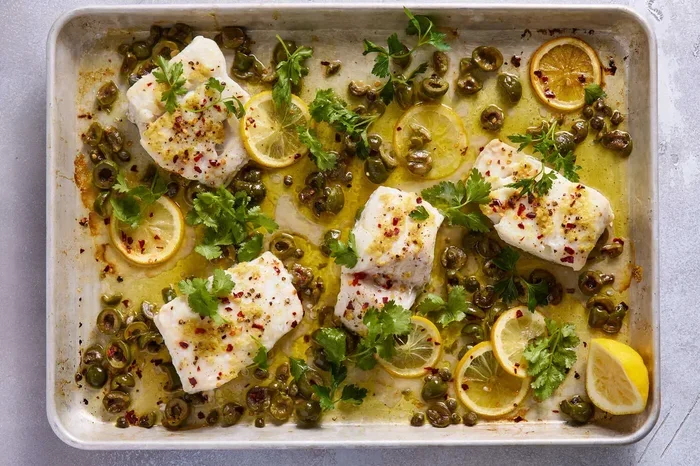
Layer sliced tomatoes, olives, capers, and onion slices in a baking dish. Place white fish fillets on top and drizzle with olive oil and a sprinkle of oregano. Bake at 400°F for 15 minutes. This one-pan meal is bursting with flavor.
Final Thoughts On Baking Fish In The Oven
Baking fish in the oven is one of the simplest and most rewarding ways to prepare a healthy and delicious meal. Once you understand the basics of temperature, timing, and how to check for doneness, you will never look back. How long to cook baked fish in the oven really comes down to the type and thickness of the fish, but with the guidelines in this article, you have everything you need to succeed.
Start with the recommended temperatures and times, use the tips we shared, and trust your senses. Over time, you will develop an instinct for perfectly baked fish without even needing a timer. The kitchen will smell amazing, your family will be impressed, and you will have a go-to fish dinner recipe that never fails.
So next time you are planning dinner, reach for some fresh or frozen fish and give oven baking a try. You will be surprised at how easy and satisfying it can be. Happy baking.
Frequently Asked Questions
Can I bake fish at 350°F instead of 400°F?
Yes, you can bake fish at 350°F, but it will take longer, typically around 15 to 20 minutes for most fillets. The lower temperature results in a gentler cook, which can be nice for delicate fish. Just keep an eye on it and use the fork test to check for doneness.
How do I prevent my baked fish from drying out?
To prevent dried-out fish, use a lower temperature like 375°F to 400°F, cover the fish with foil for part of the baking time, and avoid overcooking. Adding a sauce or marinade also helps retain moisture. The key is to pull the fish out as soon as it flakes easily with a fork.
Is it better to bake fish covered or uncovered?
It depends on what you prefer. Covered fish stays moister and cooks more evenly, which is great for lean white fish. Uncovered fish gets a crispier exterior and better browning, which works well for salmon and thicker fillets. Try both methods and see which you like better.
Can I bake fish in a glass baking dish instead of a metal pan?
Yes, glass baking dishes work well for baked fish. Glass heats more slowly and distributes heat evenly, which can help prevent the bottom from burning. You may need to reduce the temperature by about 25°F when using glass, and the cooking time might be slightly longer.
How long should I marinate fish before baking?
Fish only needs a short marinating time because it is delicate and can break down in acidic marinades. Fifteen to 30 minutes is plenty for most fillets. If you use a citrus-based marinade, keep it to 15 minutes or less to prevent the acid from cooking the fish prematurely.
What is the best way to thaw frozen fish before baking?
The safest way to thaw frozen fish is to place it in the refrigerator overnight. You can also thaw it under cold running water for about 30 minutes. Avoid thawing fish at room temperature, as this can promote bacterial growth. If you forget to thaw it, you can bake fish directly from frozen by adding extra cooking time.