The Best Way To Clean A Window In Oven Without Effort
Cleaning your oven window doesn’t have to be a tough job. With the right approach, you can easily clean window in oven using items already in your kitchen. This guide shows you proven methods that remove grease, grime, and baked-on stains without hard work or harsh chemicals.
Have you ever opened your oven and felt defeated by the greasy, dirty window staring back at you? A filthy oven window blocks your view of food while it cooks and makes your whole kitchen feel less clean. The good news is that you don’t need expensive products or hours of scrubbing to fix this problem.
Learning how to clean window in oven is simpler than most people think. With a few common household items and the right technique, you can restore your oven glass to crystal-clear condition. This guide walks you through every step with practical advice and easy methods that really work.
Whether you deal with light grease splatters or heavy baked-on grime, you’ll find a solution here. We’ll cover natural cleaners, store-bought options, and prevention tips that keep your oven looking great for longer. Let’s get started and make this chore faster and easier than you ever expected.
Key Takeaways
- Simple Ingredients Work Best: Baking soda, vinegar, and dish soap can tackle most oven window grime effectively.
- Regular Maintenance Saves Time: Wiping your oven window after each use prevents tough buildup.
- Safety Comes First: Always let your oven cool completely before cleaning the glass.
- Natural Methods Are Gentle: You avoid harsh chemicals that can damage oven seals and coatings.
- Steam Softens Stubborn Stains: Using steam before scrubbing makes grease removal much easier.
- Microfiber Cloths Give Streak-Free Results: The right tool makes a big difference in the final finish.
📑 Table of Contents
Why Your Oven Window Gets Dirty So Fast
Understanding why your oven window gets dirty helps you prevent buildup in the future. Most oven grime comes from the same everyday cooking activities. When you know the cause, you can fight it more effectively.
The Science Behind Grease Buildup
Every time you cook, fats and oils become airborne. They travel through the oven and settle on the coolest surfaces. The oven door glass is one of the coolest spots inside, so grease collects there first. Over time, repeated cooking sessions create layer after layer of sticky residue.
Sugar-based foods add another problem. When sugary sauces bubble over, they caramelize on the glass. These burnt sugar spots bond tightly to the surface and become very hard to remove. The combination of grease and caramelized sugar creates the tough stains most people struggle with.
Common Cooking Habits That Cause Dirt
- High-heat roasting: Fat splatters fly upward and stick to the glass.
- Coverless baking: Sauces and fillings bubble over without any barrier.
- Frequent door opening: Each time you open the door, steam carries grease particles to the glass.
- Overcrowding the oven: More food means more splatter and more steam.
- Skipping drip pans: Grease drips directly onto the oven floor and bounces up.
What You Need Before You Start
Gathering your supplies before you begin makes the whole process smoother. You don’t need a long list of specialty products. Most of what you need is probably already in your kitchen cabinets.
Essential Cleaning Supplies
- Baking soda – a gentle abrasive that lifts stains without scratching.
- White vinegar – cuts through grease and deodorizes naturally.
- Dish soap – breaks down oily residue effectively.
- Warm water – helps dissolve cleaning agents and rinse away grime.
- Microfiber cloths – lint-free and perfect for streak-free drying.
- Spray bottle – for mixing and applying solutions evenly.
- Soft sponge or non-scratch scrubber – safe for glass surfaces.
- Rubber gloves – protect your hands during the cleaning process.
Optional But Helpful Tools
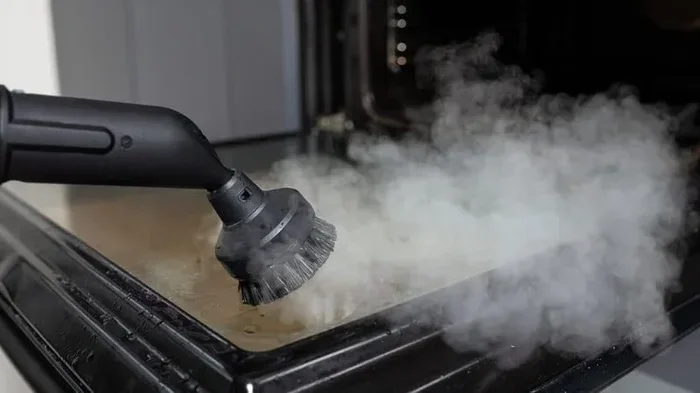
Some extra tools can make the job even easier. A plastic scraper helps lift hardened grease without scratching the glass. A steam cleaner loosens tough stains with heat and moisture. A small soft-bristle brush reaches corners and edges where grime hides. These tools are nice to have but not required for a successful clean.
Safety Precautions
Always unplug your oven or turn off the power before cleaning. Let the oven cool completely to room temperature. Never use abrasive metal scrubbers on oven glass. Avoid ammonia-based cleaners on self-cleaning oven models. Ventilate your kitchen by opening a window or turning on the fan. These simple steps keep you safe and protect your appliance.
Step-By-Step Guide To Clean Window In Oven
Now let’s walk through the actual cleaning process. Follow these steps in order for the best results. Each step builds on the previous one to remove even stubborn stains.
Step One: Remove Loose Debris
Start by wiping away any loose food particles or crumbs from the oven window. Use a dry microfiber cloth and gentle sweeping motions. This prevents grit from scratching the glass during the deeper cleaning stages. A damp cloth works well for this initial pass too.
Pay attention to the edges and corners where debris collects. Use a soft brush or the edge of a cloth to reach these tight spots. Removing loose material first makes your cleaning solution work more effectively on the remaining grime.
Step Two: Apply Your Cleaning Solution
Choose your preferred cleaning method from the options below. Apply the solution generously across the entire oven window. Let it sit for at least fifteen to twenty minutes. This dwell time allows the cleaner to break down grease and soften baked-on residue.
For heavy buildup, you may need to reapply the solution. Don’t rush this step. Letting the cleaner work is one of the most important parts of the process. Patience here saves you from excessive scrubbing later.
Step Three: Scrub Gently But Thoroughly
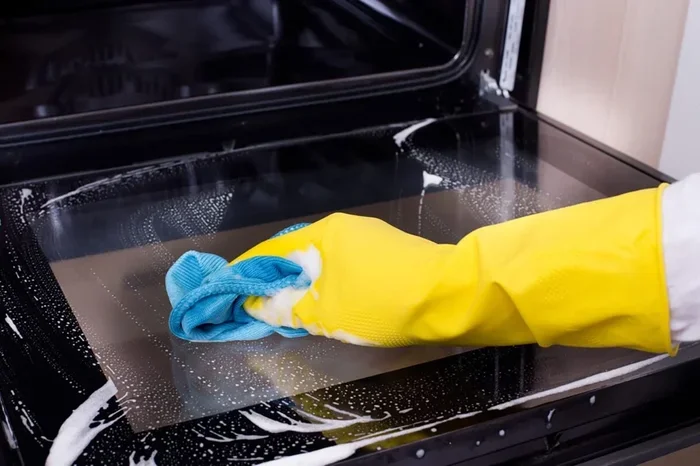
After the solution has had time to work, use a soft sponge to scrub the glass. Use circular motions and light pressure. Focus on areas with the heaviest staining. The baking soda paste or vinegar solution will have loosened most of the grime by this point.
For stubborn spots that won’t budge, apply more solution and wait another ten minutes. Avoid pressing too hard, which can damage the glass coating. A gentle, persistent approach works better than aggressive scrubbing every time.
Step Four: Rinse And Dry Completely
Wipe away all cleaning residue with a clean damp cloth. Rinse the cloth frequently and repeat until no soap or paste remains. Any leftover cleaner can leave streaks or film on the glass.
Dry the window immediately with a fresh microfiber cloth. This prevents water spots from forming. Buff the glass in gentle circular motions until it shines. Your oven window should now look clear and streak-free.
Step Five: Clean The Oven Door Frame
Don’t forget the rubber gasket and metal frame around the glass. Grease accumulates here too. Wipe the gasket with a damp cloth and mild soap. Clean the frame with the same solution you used on the glass. This final step completes the job and keeps your oven door looking and functioning at its best.
Natural Cleaning Solutions That Work
Natural cleaners are safe, affordable, and surprisingly effective. They work well for most oven window grime and won’t release harsh fumes into your kitchen. Here are the best natural methods to try.
Baking Soda Paste Method
Mix three parts baking soda with one part water to form a thick paste. Spread this paste evenly across the oven window. Let it sit for at least thirty minutes or overnight for tough stains. The baking soda gently lifts grease and breaks down carbonized food particles. Wipe it away with a damp cloth and rinse thoroughly.
This method works especially well on baked-on grease that has been building up over weeks. The paste clings to vertical glass surfaces, so it doesn’t drip or run. It’s one of the most reliable ways to clean window in oven using ingredients you already own.
Vinegar Spray Method
Mix equal parts white vinegar and warm water in a spray bottle. Spray the solution generously on the oven window. Let it sit for five to ten minutes. The acid in vinegar cuts through grease and dissolves mineral deposits. Wipe clean with a microfiber cloth for a streak-free finish.
Vinegar also neutralizes cooking odors trapped in the oven. This makes it a great choice if your oven has absorbed smells from previous meals. The vinegar smell fades quickly as it dries, leaving behind a fresh result.
Baking Soda And Vinegar Combo
For the most powerful natural cleaning action, combine baking soda and vinegar. Apply baking soda paste first and let it sit. Then spray vinegar over the paste. The chemical reaction creates bubbles that lift dirt and grease from the glass surface. After the fizzing stops, wipe clean with a damp cloth.
This combination tackles even the most stubborn oven window grime. The fizzing action reaches into tiny pores and crevices in the glass. It’s a satisfying method to watch and even more satisfying to see the results.
Store-Bought Cleaners For Tough Jobs
Sometimes natural methods aren’t enough for heavy buildup. Commercial oven cleaners can handle extreme cases. Here’s what to look for and how to use them safely.
Choosing The Right Product
Look for oven cleaners labeled safe for glass surfaces. Avoid products that contain bleach or strong abrasives. Spray-on grease cutters work well for moderate buildup. Foam-based cleaners cling to vertical glass better than liquid sprays. Read the label carefully to ensure compatibility with your oven type.
Using Commercial Cleaners Safely
Always wear gloves and work in a well-ventilated area. Apply the cleaner according to the product instructions. Never let commercial cleaner touch the oven seals or heating elements. Rinse the glass thoroughly after cleaning. Residue from these products can affect food taste if not completely removed.
For self-cleaning ovens, avoid chemical cleaners entirely. The high heat during the self-cleaning cycle handles most grime. Using chemicals in a self-cleaning oven can damage the interior coatings and produce harmful fumes.
Common Mistakes To Avoid
Even with the best intentions, people make mistakes when cleaning oven windows. Avoiding these errors saves time and protects your appliance.
Using Abrasive Tools
Steel wool, metal scrapers, and rough scrub pads scratch oven glass. These scratches create tiny grooves where grease accumulates faster. Over time, the glass becomes harder to clean because of this damage. Always use soft cloths, sponges, or non-scratch scrubbers instead.
Skipping The Soak Time
Many people apply cleaner and immediately start scrubbing. This approach wastes product and energy. The cleaning solution needs time to dissolve grease and soften baked-on residue. Waiting at least fifteen to thirty minutes makes a huge difference in how easily the grime comes off.
Using Too Much Water
Excess water can seep behind the glass panel and damage oven components. Use damp cloths rather than soaking wet ones. Apply cleaning solutions in controlled amounts. Wipe away all moisture after cleaning to prevent water damage to internal parts.
Ignoring The Gasket Seal
The rubber seal around the oven door collects grease and food particles too. If you only clean the glass, the door won’t close properly over time. Build-up on the gasket can also affect oven temperature and energy efficiency. Clean the seal regularly as part of your oven maintenance routine.
Not Cleaning After Each Use
The single biggest mistake is waiting until the window is completely coated with grime. A quick wipe after each cooking session takes less than a minute. This habit prevents the need for deep cleaning sessions. Prevention is always easier than removal when it comes to oven maintenance.
How To Keep Your Oven Window Spotless
Prevention is the best strategy for maintaining a clean oven window. A few simple habits keep grime from building up and make future cleaning sessions much faster.
Wipe Down After Every Cooking Session
Keep a damp microfiber cloth near your oven. After every use, quickly wipe the glass while it’s still warm but not hot. This removes fresh grease before it has time to harden and bond to the surface. Ten seconds of wiping after cooking saves you from thirty minutes of deep cleaning later.
Use Oven-Safe Covers And Foil
Place a sheet of aluminum foil on the oven rack below your dish when cooking greasy foods. This catches splatters before they reach the glass. Oven-safe baking mats serve the same purpose. These simple tools reduce the amount of grease that reaches your oven window.
Clean Drip Pans Regularly
Dirty drip pans contribute to oven grime buildup. When grease drips onto a dirty pan, it splashes back up onto the glass. Clean your drip pans every few weeks to minimize this cycle. Remove them, soak them in hot soapy water, and scrub away accumulated grease.
Schedule Monthly Deep Cleans
Even with regular wiping, set aside time once a month for a thorough clean. This prevents heavy buildup from developing. Monthly maintenance keeps your oven window clear and your kitchen feeling fresh. It also extends the life of your oven door components.
Ventilate While Cooking
Turn on your kitchen exhaust fan while cooking. This reduces the amount of grease that circulates in the oven. Better ventilation means less buildup on the window glass over time. It also improves air quality throughout your kitchen.
Expert Tips For The Best Results
Professional cleaners and appliance experts share these extra tips for outstanding results when you clean window in oven.
Heat the oven slightly before cleaning. Turn it on to 200 degrees for two minutes, then turn it off and let it cool to warm. Warm glass releases grease more easily than cold glass. The warmth loosens the bond between grime and the glass surface.
Use a steamer for tough stains. A handheld steam cleaner softens baked-on carbon deposits quickly. Hold the steamer a few inches from the glass for thirty seconds before applying your cleaner. This pre-treatment step makes the cleaning solution work faster and more effectively.
Clean in sections for large windows. Divide the glass into quadrants and clean one section at a time. This prevents cleaning solution from drying before you can wipe it away. It also gives you better control over pressure and coverage.
Buff with a dry cloth last. The final pass always matters. Use a completely dry microfiber cloth to buff the glass in circular motions. This removes any remaining streaks and leaves a sparkling, clear finish that lets you see your food perfectly while it cooks.
Replace worn gaskets promptly. A damaged door seal lets heat and grease escape. This accelerates window grime buildup. Check your gasket every few months and replace it when it shows signs of wear. A new gasket keeps your oven running efficiently and your window cleaner longer.
Conclusion
Cleaning your oven window doesn’t have to be a dreaded chore. With the right methods and a little regular maintenance, you can easily clean window in oven and keep it looking great. Whether you prefer natural solutions like baking soda and vinegar or opt for a commercial cleaner, the key is consistency and patience.
Start with the gentlest method and move to stronger solutions only when needed. Always prioritize safety by letting the oven cool completely and using non-abrasive tools. Prevention through regular wiping after each use is the simplest way to avoid tough buildup.
Your oven window affects more than just appearances. A clear view helps you monitor food as it cooks, reducing the risk of overcooking or burning. It also keeps your kitchen feeling clean and welcoming. Take the time to care for this often-overlooked part of your appliance, and you’ll enjoy better cooking results and a more pleasant kitchen environment every day.
Now that you have all the tools and techniques you need, it’s time to put them into action. Pick a method that suits your needs, gather your supplies, and give your oven window the care it deserves. A sparkling clean oven window is one small task that makes a big difference in your daily cooking experience.
Frequently Asked Questions
Can I use vinegar to clean window in oven?
Yes, white vinegar mixed with equal parts warm water is an effective and safe cleaner for oven glass. The acetic acid in vinegar cuts through grease and dissolves light to moderate stains. Spray it on, let it sit for five to ten minutes, then wipe clean with a microfiber cloth for streak-free results.
How often should I clean my oven window?
You should wipe your oven window after every few uses to prevent buildup. A deeper clean every two to four weeks works well for most home cooks. If you cook frequently or prepare greasy foods, you may need to clean it more often to keep it clear and streak-free.
Is it safe to clean oven window while oven is hot?
No, always let your oven cool completely before cleaning the glass. Cleaning a hot oven window can cause cleaning solutions to evaporate too quickly, reducing their effectiveness. It also increases the risk of burns. Wait until the oven reaches room temperature for the safest and most effective cleaning experience.
What’s the best homemade cleaner for oven glass?
A paste made from baking soda and water is the most effective homemade cleaner for oven glass. It gently lifts grease and baked-on food without scratching the surface. For extra cleaning power, spray vinegar over the baking soda paste and let the fizz work before wiping clean.
Can I use a razor blade on oven window?
You can use a razor blade scraper on oven glass, but only with extreme caution. Hold the blade at a 45-degree angle and apply very light pressure. This method works best on thick, hardened grease after applying a cleaning solution first. Always use a dedicated glass scraper and wear protective gloves.
Will cleaning my oven window improve cooking performance?
Cleaning your oven window won’t directly improve cooking performance, but it helps indirectly. A clear window lets you monitor food without opening the door, which maintains consistent oven temperature. You also avoid overcooking because you can see exactly how your food is progressing throughout the cooking process.