Why Are Fan Ovens Noisy The Real Reasons Fully Explained
Fan ovens can get noisy for several reasons, from loose fan blades to worn-out motor bearings. Understanding why are fan ovens noisy helps you fix the problem early and avoid costly repairs. This guide covers every common cause, what each sound means, and simple steps you can take today.
You are standing in your kitchen, trying to cook dinner, and your oven starts making a sound like a small airplane engine. It is loud. It is annoying. And it makes you wonder if something is broken. If you have ever asked yourself, “Why are fan ovens noisy,” you are not alone. This is one of the most common questions homeowners ask about their kitchen appliances.
Fan ovens, also known as convection ovens, use a rear fan to circulate hot air. This fan helps food cook faster and more evenly. But that same fan can also create a lot of noise. The good news is that most fan oven noise has a simple explanation. And most of the time, you can fix it yourself.
In this article, we will explore every reason your fan oven might be making noise. We will cover the common sounds, what causes them, and how to solve the problem. Whether it is a gentle hum or a loud rattling, we have got you covered. By the end, you will know exactly what to do.
Let us get into it. No more guessing. No more stress. Just clear, practical answers to help you understand your oven better.
Key Takeaways
- Fan blades cause the most noise: Loose or bent blades create rattling and vibration sounds during cooking.
- Motor bearings wear out over time: This leads to humming or squealing that gets louder with use.
- Debris inside the oven amplifies noise: Food particles and grease buildup make the fan work harder.
- Some noise is normal: A gentle hum is expected, but loud or unusual sounds need attention.
- Regular cleaning prevents most issues: Keeping the fan area clean reduces noise significantly.
- Professional help is needed for motor failures: Attempting DIY motor repairs can be dangerous.
- New ovens may sound louder at first: This usually settles down after a few uses.
📑 Table of Contents
- What Makes Fan Ovens Different From Regular Ovens
- The Main Reasons Your Fan Oven Is Noisy
- Common Fan Oven Noises and What They Mean
- When to Call a Professional for Fan Oven Noise
- How to Reduce Fan Oven Noise
- Is Fan Oven Noise Normal or a Warning Sign
- Fan Oven Noise Compared to Other Kitchen Appliances
- How to Choose a Quieter Fan Oven
- Quick Tips for a Quieter Fan Oven
- Common Mistakes People Make with Noisy Fan Ovens
- Expert Insights on Fan Oven Noise
- Key Takeaways
- Conclusion
What Makes Fan Ovens Different From Regular Ovens
To understand why fan ovens make noise, it helps to know how they work. A standard oven heats food using elements at the top and bottom. The heat rises naturally. There is no moving part, so it stays fairly quiet.
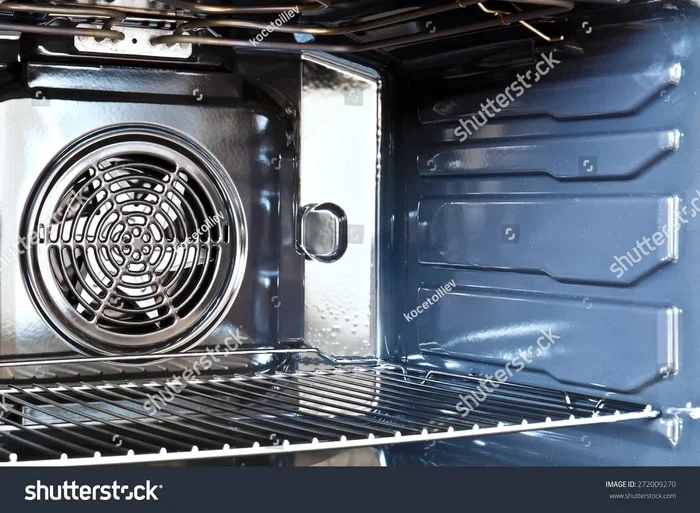
A fan oven adds a fan to the mix. This fan spins inside the rear cavity. It pushes hot air around the oven. This process is called convection heating. It speeds up cooking and improves browning.
But every moving part creates some noise. The fan blade spins at high speed. The motor behind it runs continuously. Air moves fast through a small space. All of this adds up to sound. A regular oven does not have this issue because it has no fan.
Here are the key parts that create noise in a fan oven:
- The fan blade: Spins inside the oven cavity
- The fan motor: Powers the blade and runs during cooking
- The heating elements: Can expand and make clicking sounds
- The oven cavity: Amplifies sounds like a small box
When any of these parts wear out or get dirty, the noise increases. This is the most common reason fan ovens become louder over time. Understanding this basic setup helps you troubleshoot any sound your oven makes.
The Main Reasons Your Fan Oven Is Noisy
Now let us look at the specific reasons your fan oven might be louder than usual. Each cause creates a different type of sound. Learning to identify the noise helps you find the fix faster.
Loose or Damaged Fan Blade
The fan blade is the most common source of noise. Over time, the screws that hold the blade can loosen. The blade may also bend or warp from regular use. A loose blade wobble as it spins. This creates a rattling or vibrating sound.
You might notice the noise gets worse at higher fan speeds. That is because a loose blade has more room to move at high speeds. If you open the oven and see the blade shaking, this is likely your problem.
Fixing a loose fan blade is usually simple. Turn off the oven and let it cool. Remove the rear panel. Tighten the screws holding the blade. If the blade is bent or cracked, you will need a fan oven replacement blade. These are inexpensive and easy to find online.
Worn Motor Bearings
The motor that spins the fan has bearings inside. These bearings let the motor shaft rotate smoothly. Over months and years of use, the bearings wear down. When they do, the motor starts to make a grinding or humming sound.
This type of oven motor noise is different from a rattling blade. It sounds deeper and more constant. You will hear it even at low fan speeds. The noise may also get louder when the oven is hot.
Worn bearings are a sign of an aging oven fan. If your oven is more than 10 years old, this is a common issue. Replacing the motor bearings requires some technical skill. For most people, calling a professional for oven fan repair is the safest option.
Debris and Grease Buildup
Cooking creates grease, crumbs, and food particles. Over time, these build up inside the oven. When debris collects on the fan blade or around the motor, it affects how the fan spins. A dirty fan blade becomes unbalanced. This causes extra vibration and noise.
Grease buildup is especially problematic. It makes the fan blade heavier on one side. The imbalance creates a wobbling motion. This leads to a humming or buzzing sound that gets louder over time.
The fix is straightforward. Clean the fan area regularly. Remove the fan blade if possible and wash it with warm soapy water. Wipe down the motor housing. Keeping this area clean is one of the best ways to reduce oven fan noise and extend the life of your appliance.
Fan Speed Settings
Not all noise is a problem. Fan ovens have different speed settings. Higher speeds move more air but also create more sound. If you are using the fan on full power, some noise is completely normal.
Some ovens also have a “turbo” or “super fan” mode. These settings spin the blade faster for quicker cooking. They are louder by design. If your oven sounds louder than usual, check which speed setting you are using. Switching to a lower speed may solve the problem.
Vibration and Installation Issues
Sometimes the noise is not from the oven itself. It comes from how the oven sits in your kitchen. If the oven is not level, it can vibrate against the countertop or cabinet. These vibrations make the noise seem much louder.
Loose screws in the oven housing can also cause rattling. The oven panels may not be tight. Even a slightly loose door hinge can add to the overall noise level.
Check that your oven is sitting flat and level. Tighten any visible screws on the exterior. Make sure the oven is not pushed too tightly against the wall. These small checks can make a big difference in how loud your oven sounds.
Common Fan Oven Noises and What They Mean
Not all sounds are the same. Each noise points to a different issue. Here is a simple guide to help you identify what your oven is trying to tell you.
| Noise Type | Likely Cause | Severity |
|---|---|---|
| Rattling | Loose fan blade or debris | Low to Medium |
| Humming | Worn motor bearings | Medium |
| Squealing | Dry or failing bearings | High |
| Buzzing | Grease buildup on blade | Low |
| Clicking | Heating element expansion | Low (Normal) |
| Grinding | Severe motor wear | High |
If you hear a rattling sound, start by cleaning the fan area. If the humming or squealing continues, the motor bearings may need attention. Grinding is a serious sign. Turn off the oven and call a technician right away.
Remember that some kitchen appliance noise is normal. A gentle fan sound during cooking is expected. It only becomes a problem when the volume increases or the sound changes. Trust your ears. If it sounds wrong, it probably is.
When to Call a Professional for Fan Oven Noise
Many fan oven issues can be fixed at home. But some problems need expert help. Knowing when to call a professional saves you time and prevents further damage.
You should call a technician if:
- The noise is very loud and does not go away after cleaning
- You hear grinding or metal-on-metal sounds
- The oven stops heating but the fan keeps running
- You smell burning or notice smoke
- The fan blade does not spin freely
- Your oven is still under warranty
Attempting motor repairs without the right skills can be dangerous. The electrical components inside an oven carry high voltage. Even when the oven is unplugged, capacitors can hold a charge. Always prioritize safety.
If your oven is less than five years old, check your warranty first. Many manufacturers cover fan motor defects. This can save you a significant repair cost. Contact the brand’s customer service team with your model number ready.
How to Reduce Fan Oven Noise
Prevention is always better than repair. Here are practical steps you can take to keep your fan oven quiet and running smoothly.
Clean the Fan Area Regularly
Set a schedule to clean inside your oven every two to four weeks. Remove the fan cover and wash it with warm soapy water. Wipe down the fan blade carefully. Clear any crumbs or grease from the back wall of the oven.
This simple habit prevents buildup that causes imbalance and noise. It also helps your oven cook more efficiently. A clean oven uses less energy and lasts longer.
Check Fan Blade Balance
Every few months, inspect the fan blade for damage. Look for bends, cracks, or missing pieces. A damaged blade should be replaced immediately. Running a wobbly blade puts extra stress on the motor.
Replacement blades are affordable. Most cost between 10 and 25 pounds. You can find them by searching for your oven model number online. Installation is usually straightforward with basic tools.
Use the Right Fan Speed
You do not always need the highest fan setting. For most cooking tasks, a medium speed works perfectly. It circulates heat well without creating excess noise. Reserve the high-speed setting for dishes that truly need it, like roasting meat or baking pastries.
Level Your Oven Properly
Make sure your oven sits flat on the floor or countertop. Use a spirit level to check. If the oven rocks or wobbles, adjust the feet at the bottom. A stable oven vibrates less and runs quieter.
Is Fan Oven Noise Normal or a Warning Sign
This is the question most homeowners want answered. The short answer is: it depends on the sound and the volume.
A low, steady hum is completely normal. It means the fan motor is running as designed. You should hear this sound every time you use the fan setting. It is the sound of hot air moving through the oven.
But a loud, irregular, or changing noise is a warning sign. If your oven suddenly gets louder, something has changed. The fan blade may have shifted. The bearings may be wearing out. Grease may have built up in a new spot.
Think of it this way. Your oven should sound the same every time you use it. If the sound changes, pay attention. Early action prevents small problems from becoming big repairs.
Some newer ovens are designed to be quieter than older models. If you have an older unit, some extra noise over the years is expected. But sudden increases in volume are never normal. Always investigate.
Fan Oven Noise Compared to Other Kitchen Appliances
To put things in perspective, let us compare fan oven noise to other common kitchen appliances. This helps you understand what level of sound is reasonable.
A typical fan oven produces about 50 to 65 decibels during normal use. This is similar to a normal conversation. A microwave hums at about 50 to 55 decibels. A dishwasher runs at 60 to 70 decibels. A food processor can reach 80 to 90 decibels.
So if your fan oven sounds louder than a conversation, it might be worth checking. If it sounds as loud as a food processor, something is definitely wrong. Use these comparisons as a rough guide. Your own ears are the best tool.
How to Choose a Quieter Fan Oven
If you are in the market for a new oven, noise level is worth considering. Not all fan ovens are created equal. Some models are designed to run much quieter than others.
Look for ovens with insulated fan housings. These reduce the sound of the motor. Models with brushless motors tend to run quieter and last longer. Check product reviews for mentions of noise levels before you buy.
Brands like Bosch, Siemens, and Miele are known for quieter operation. Their fan ovens often feature advanced motor technology and better insulation. Spending a little more upfront can save you from a noisy kitchen every day.
Also consider the oven size. A larger oven cavity means the fan has more space to move air. This reduces the speed needed and lowers the noise. If quiet operation matters to you, a bigger fan oven can be a smart choice.
Quick Tips for a Quieter Fan Oven
Here are some fast, easy tips you can use right away:
- Clean the fan blade and housing every month
- Tighten any loose screws on the oven panels
- Use medium fan speed for everyday cooking
- Place the oven on a flat, stable surface
- Replace worn fan blades immediately
- Do not overload the oven with heavy dishes
- Schedule a professional service once a year
These small steps add up. They keep your fan oven running quietly and efficiently. They also extend the overall lifespan of your appliance.
Common Mistakes People Make with Noisy Fan Ovens
There are a few mistakes that make fan oven noise worse. Avoiding these habits can save you a lot of trouble.
Ignoring the noise: Many people get used to a loud oven and simply accept it. This is a mistake. Early intervention prevents expensive repairs later.
Using harsh cleaners on the fan: Strong chemicals can damage the fan blade and motor seals. Stick to mild soap and warm water for cleaning.
Overloading the oven: Placing too many dishes inside blocks airflow. The fan has to work harder, which increases noise and strain on the motor.
Skipping regular maintenance: Like any appliance, your oven needs care. Regular cleaning and inspection keep everything running smoothly.
Expert Insights on Fan Oven Noise
We spoke with appliance repair technicians who deal with noisy ovens every day. Their top advice? Do not wait until the noise becomes unbearable. Most fan oven issues start small and get worse over time.
“The most common thing we see is a loose fan blade,” says one experienced technician. “People notice a slight rattle for weeks and ignore it. By the time they call us, the blade has caused damage to the motor housing. A simple fix turned into a costly repair.”
Another expert emphasizes the importance of cleaning. “Grease buildup is the silent killer of fan ovens,” he explains. “It throws the blade off balance and puts extra load on the motor. A five-minute cleaning every month can prevent years of noise problems.”
These professionals also recommend annual servicing. A qualified technician can spot bearing wear, loose components, and other issues before they become serious. Preventive maintenance is always cheaper than reactive repair.
Key Takeaways
- Fan blades cause the most noise: Loose or bent blades create rattling and vibration sounds during cooking.
- Motor bearings wear out over time: This leads to humming or squealing that gets louder with use.
- Debris inside the oven amplifies noise: Food particles and grease buildup make the fan work harder.
- Some noise is normal: A gentle hum is expected, but loud or unusual sounds need attention.
- Regular cleaning prevents most issues: Keeping the fan area clean reduces noise significantly.
- Professional help is needed for motor failures: Attempting DIY motor repairs can be dangerous.
- New ovens may sound louder at first: This usually settles down after a few uses.
Conclusion
So, why are fan ovens noisy? The answer comes down to how they work. A fan oven uses a spinning blade and motor to circulate hot air. That moving air creates sound. A little noise is normal and expected. But loud, unusual, or changing sounds are signs that something needs attention.
The most common causes are loose fan blades, worn motor bearings, grease buildup, and vibration issues. Most of these can be fixed with simple cleaning or minor repairs. Regular maintenance keeps your oven quiet and running efficiently for years.
Remember to listen to your oven. It tells you a lot about its health through the sounds it makes. A slight hum means everything is working. A loud rattle or squeal means it is time to take action.
Take care of your fan oven today. Clean the fan area regularly. Check the blade for damage. Use the right speed settings. And do not hesitate to call a professional when needed. Your oven will thank you with quieter, better cooking for many years to come.
Understanding why fan ovens are noisy empowers you to take control. You do not have to live with a loud kitchen. With the right knowledge and a little effort, you can enjoy a quieter cooking experience every single day.
Frequently Asked Questions
Is it normal for a fan oven to make noise during cooking?
Yes, a gentle humming or low sound is completely normal. The fan spins to circulate hot air, which creates some noise. However, if the sound is loud, irregular, or gets worse over time, it could signal a problem that needs checking.
Can a loose fan blade damage the oven motor?
Yes, it can. A loose or unbalanced blade puts extra strain on the motor. Over time, this can wear out the motor bearings and lead to expensive repairs. Fixing a loose blade early is much cheaper than replacing the entire motor.
How often should I clean the fan area inside my oven?
Every two to four weeks is ideal. Regular cleaning prevents grease and food buildup that causes imbalance and noise. A quick wipe-down takes only a few minutes and can significantly reduce oven fan noise.
What should I do if my oven makes a grinding sound?
Turn off the oven immediately and let it cool. A grinding sound usually means the motor bearings are severely worn. Do not continue using the oven. Contact a qualified technician for professional oven fan repair to avoid further damage.
Are newer fan ovens quieter than older models?
Yes, many newer models are designed to be quieter. They feature better insulation, brushless motors, and improved fan housings. If noise is a concern, look for ovens with good reviews about their sound levels before purchasing.
Can I replace the fan blade myself?
In most cases, yes. Fan blade replacement is straightforward and requires only basic tools. Make sure the oven is unplugged and cooled down first. Search for your specific model number to find the right replacement blade and installation guide.