What Temp To Reheat Leftovers In Oven For Crispy Results
Reheating leftovers in the oven is the best way to bring back crispy textures and rich flavors. The ideal temperature to reheat leftovers in oven ranges from 350°F to 400°F depending on the food type. Whether you are warming up pizza, fried chicken, or roasted vegetables, using the right oven temp ensures evenly heated, delicious results every time. This guide covers everything you need to know about oven reheating temperatures, times, and techniques.
There is nothing worse than pulling leftover food out of the microwave only to find it soggy, cold in the middle, or rubbery in texture. We have all been there. The microwave might be fast, but it is not doing your food any favors when it comes to taste and texture. If you want your leftovers to taste almost as good as the first time around, the oven is your best friend. Knowing what temp to reheat leftovers in oven can make all the difference between a disappointing meal and a delicious one.
Reheating food in the oven is a simple process, but getting it right requires a little know-how. The right temperature, the right timing, and the right setup all work together to bring back that crispy, golden texture you love. In this guide, we will walk you through everything you need to know about reheating food in oven the right way. From pizza to fried chicken to roasted vegetables, we have got you covered with practical tips and oven reheating techniques you can start using today.
Key Takeaways
- 350°F to 400°F is the sweet spot: Most leftovers reheat perfectly at this range for crispy, evenly warmed food.
- Preheat your oven first: Always preheat before placing food inside for consistent results.
- Use a baking sheet or oven-safe dish: Proper cookware helps achieve crispy edges and prevents sogginess.
- Cover with foil when needed: Foil traps moisture for foods that tend to dry out during reheating.
- Check internal temperature: Ensure leftovers reach 165°F for food safety.
- Avoid the microwave when possible: The oven delivers far better texture and crispiness than microwave reheating.
- Timing matters: Most foods need only 10 to 20 minutes to reheat properly in the oven.
📑 Table of Contents
- Why Reheating Leftovers In The Oven Makes A Difference
- The Best Temperature To Reheat Leftovers In Oven
- How To Reheat Different Foods In The Oven
- Tips For Getting Crispy Results Every Time
- Common Mistakes To Avoid When Reheating In The Oven
- Oven Reheating Versus Other Methods
- Quick Tips For Perfect Oven Reheating
- Conclusion
Why Reheating Leftovers In The Oven Makes A Difference
You might wonder why the oven is better than other methods. The answer comes down to heat distribution and moisture control. When you reheat food in oven, the dry, surrounding heat works from all directions. This helps restore the original texture of cooked food, especially items that were crispy or fried the first time around.
The microwave, on the other hand, heats food from the inside out using steam. This steam is what makes pizza crust soggy and fries limp. The oven avoids this problem entirely. By using oven reheating at the proper temperature, you get crispy edges, evenly warmed centers, and food that actually tastes good again.
Another big advantage is food safety. The oven allows you to bring food up to a safe internal temperature without overcooking the edges. When you preheat oven properly and set the right oven temperature for leftovers, you create the ideal environment for reheating. This method works for almost every type of leftover, from casseroles to baked goods.
The Science Behind Crispy Reheated Food
When food is reheated in a hot oven, the surface moisture evaporates quickly. This evaporation is what creates that satisfying crispiness. Think about leftover french fries or chicken wings. The oven temperature for crispy results is typically high enough to drive off surface moisture while gently warming the inside. This is why reheating in oven consistently outperforms other methods for texture.
The Maillard reaction also plays a role here. This is the chemical reaction that browns food and creates complex flavors. It happens at temperatures above 300°F. By reheating leftovers at the right oven temp, you trigger this reaction and bring back some of the original flavor depth. That is why oven-reheated food often tastes better than microwave versions.
The Best Temperature To Reheat Leftovers In Oven
The general rule for what temp to reheat leftovers in oven is between 350°F and 400°F. This range works for most foods and strikes the perfect balance between warming the inside and crisping the outside. However, the exact temperature depends on what you are reheating. Let us break it down by food type and oven setting.
Standard Reheating: 350°F
For most leftovers, 350°F is the go-to temperature. This works well for casseroles, pasta dishes, rice, and cooked vegetables. At this temperature, food heats evenly without drying out too quickly. You will typically need about 10 to 15 minutes at 350°F for most dishes.
If you are reheating something delicate like a creamy pasta or a quiche, stick with 350°F. Lower heat prevents the edges from burning while the center warms through. Covering the dish with aluminum foil at this temperature helps retain moisture.
High-Heat Crisping: 375°F to 400°F
For foods that need a crispy boost, bump the temperature up to 375°F or 400°F. This is ideal for pizza, fried foods, roasted meats, and anything with a breaded coating. The higher heat quickly crisps the surface while the interior reaches a safe temperature.
At 400°F, keep a close eye on your food. High heat can go from perfectly crispy to burnt quickly. Most items need only 8 to 12 minutes at this temperature. Use a baking sheet lined with parchment paper for the best results. The baking sheet promotes airflow underneath the food, which enhances crispiness even further.
Convection Setting: Lower by 25°F
If your oven has a convection setting, reduce the temperature by about 25°F. Convection ovens circulate hot air, which cooks and reheats food more efficiently. So if a recipe calls for 375°F in a regular oven, use 350°F in convection mode. The results are often even better for crispy reheated food because the moving air removes surface moisture faster.
How To Reheat Different Foods In The Oven
Not all leftovers are created equal. Different foods need different approaches when it comes to reheating food in oven. Below is a detailed guide for the most common leftover items. Each one includes the recommended oven temperature for leftovers and reheating time.
Pizza
Pizza is one of the most popular leftovers, and the oven is absolutely the best way to reheat it. Place your pizza slices directly on a baking sheet or on the oven rack for the crispiest crust. Heat at 375°F to 400°F for about 5 to 8 minutes. The direct heat from the baking sheet or rack crisps the bottom while the cheese melts evenly.
Avoid stacking pizza slices on top of each other. This traps steam and makes the crust soggy. If you are reheating an entire pizza, place it on a wire rack over a baking sheet. This allows air to circulate underneath and gives you that crispy edges you love.
Fried Foods
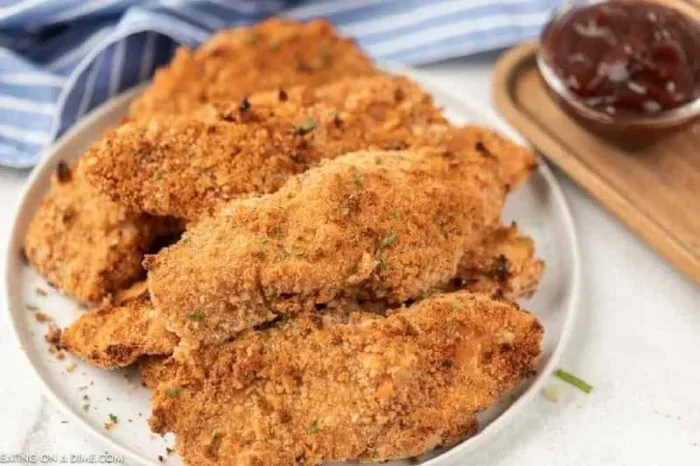
French fries, chicken tenders, onion rings, and other fried foods reheat beautifully in the oven. The key is high heat and a wire rack. Set your oven to 400°F and place the fried items on a wire rack set over a baking sheet. This setup lets excess oil drain away and promotes even crispiness on all sides.
Reheat fried foods for about 10 to 15 minutes at 400°F. Flip the items halfway through for even browning. Avoid using the microwave for fried foods at all costs. The microwave turns crispy coatings into a sad, soggy mess within seconds.
Roasted Chicken and Meats
For leftover chicken and roasted meats, 325°F to 350°F is the ideal range. Chicken breasts and roasted chicken pieces tend to dry out quickly, so a lower temperature helps retain moisture. Place the meat in an oven-safe container and cover it with aluminum foil to trap steam.
Reheat chicken for about 15 to 20 minutes at 350°F. Check the internal temperature with a meat thermometer to ensure it reaches 165°F. For roast beef or pork, you can use the same approach. Let the meat rest for a few minutes after reheating to allow the juices to redistribute.
Pasta and Casseroles
Leftover pasta and baked casseroles benefit from a moderate oven temp of 350°F. Place the pasta or casserole in an oven-safe dish and add a splash of water or sauce before covering with foil. This extra moisture prevents the pasta from drying out during reheating.
Heat for about 15 to 20 minutes at 350°F. Remove the foil for the last 5 minutes if you want a slightly crispy top on your casserole. This works great for lasagna, baked ziti, and mac and cheese.
Bread and Baked Goods
Reheating bread, rolls, and baked goods requires a gentle touch. Set your oven to 300°F to 325°F and warm for 5 to 8 minutes. This low temperature warms the bread without drying it out or turning it hard. Wrap the bread loosely in foil to prevent excessive browning.
For pizza bread, garlic bread, or dinner rolls, you can skip the foil and place them directly on a baking sheet. This gives you a slightly crispy exterior while keeping the inside soft and warm.
Tips For Getting Crispy Results Every Time
Getting crispy reheated food is not just about temperature. Several factors work together to deliver the best results. Here are some oven reheating tips that will transform your leftovers.
Always Preheat Your Oven
Never skip the preheat oven step. Putting food into a cold oven leads to uneven heating and longer cook times. By the time your oven reaches the target temperature, the food has already started to dry out. A properly preheated oven delivers immediate, consistent heat that warms food quickly and evenly.
Give your oven at least 10 to 15 minutes to reach the desired temperature. Most ovens signal when they are ready with a light or beep. Use this time to prepare your food on the right dish or baking sheet.
Use the Right Cookware
The container you use matters more than you might think. Oven-safe dishes made of ceramic, glass, or metal work best. Avoid plastic containers, which can warp or release chemicals at high temperatures. For the crispiest results, use a baking sheet or a wire rack instead of a deep dish.
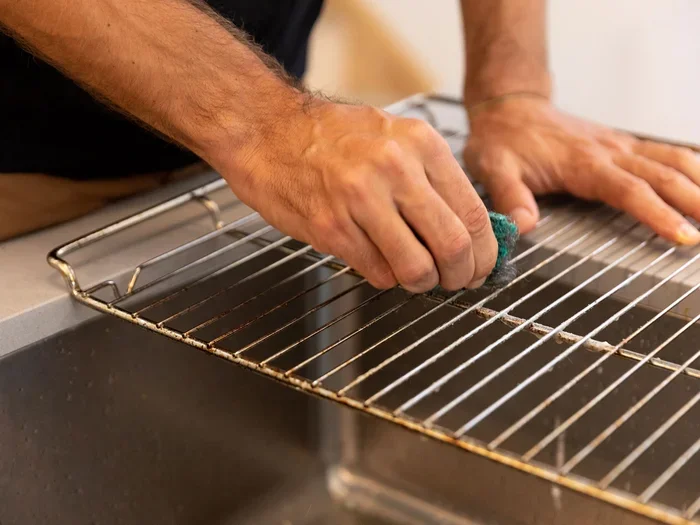
A wire rack is a game-changer for fried foods and pizza. It allows hot air to flow underneath the food, crisping both sides evenly. If you do not have a wire rack, crumple a piece of aluminum foil into a loose ball and place it under the food on the baking sheet. This creates a mini elevated surface that improves airflow.
Add a Little Moisture When Needed
Some foods dry out during reheating, especially meats and pasta. A simple trick is to add a few drops of water or a light drizzle of olive oil before covering with foil. The trapped steam gently warms the food without making it soggy. This technique works especially well for leftover chicken and leftover pasta.
For pizza and fried foods, skip the added moisture. These foods benefit from dry heat that draws out surface water and creates crispiness. The cooking method should match the food type for the best oven reheating method results.
Do Not Overcrowd the Pan
It can be tempting to fit all your leftovers on one baking sheet, but overcrowding is the enemy of crispy food. When food items are packed too closely together, steam gets trapped between them. This steam softens the surface and prevents browning.
Spread food out in a single layer with space between each piece. If you need to reheat a large batch, use multiple baking sheets and rotate them in the oven. This small extra effort makes a huge difference in texture.
Let Food Rest After Reheating
Once your food comes out of the oven, let it rest for 2 to 3 minutes before digging in. This resting period allows the heat to distribute evenly throughout the dish. It also lets excess steam escape, which keeps the surface crispy. Cutting into hot food immediately can release steam and soften the crust or coating.
Common Mistakes To Avoid When Reheating In The Oven
Even with the best intentions, it is easy to make mistakes when reheating leftovers in oven. Here are the most common errors and how to fix them.
Using Too High a Temperature
Cranking the oven up to 450°F or higher might seem like a shortcut to crispy food, but it usually backfires. Excessively high temperatures burn the outside before the inside is warm. Stick to the recommended oven temperature for leftovers range of 350°F to 400°F for the best balance of crispiness and even heating.
Skipping the Preheat
As mentioned earlier, a cold oven leads to uneven results. Food sits in a gradually warming environment, which creates hot spots and cold spots. Always preheat oven to the target temperature before placing your food inside.
Using the Wrong Container
Plastic containers, Styrofoam, and non-oven-safe dishes can melt, warp, or leach chemicals into your food. Always transfer leftovers to an oven-safe container or wrap them in aluminum foil before placing them in the oven. Check the bottom of any container for oven-safe symbols before using it.
Reheating for Too Long
Oven reheating is not a set-it-and-forget-it process. Check your food frequently to prevent overcooking. Most leftovers only need 10 to 20 minutes. Setting a timer helps you stay on track and catch the perfect moment when food is hot and crispy but not dried out.
Ignoring Food Safety
Texture matters, but safety matters more. Always ensure your leftovers reach an internal temperature of 165°F when reheating. Use a food thermometer to check the thickest part of the dish. If food has been sitting in the refrigerator for more than four days, it is safer to discard it rather than risk foodborne illness.
Oven Reheating Versus Other Methods
How does oven reheating compare to other popular methods? Let us look at the pros and cons of each approach to help you decide the best reheat food in oven strategy.
| Method | Texture | Time | Best For |
|---|---|---|---|
| Oven Reheating | Crispy, even, restores original texture | 10-20 minutes | Pizza, fried foods, roasted meats, casseroles |
| Microwave | Soft, soggy, uneven | 2-5 minutes | Quick warming of soups, liquids, oatmeal |
| Stovetop | Crispy on one side, moist | 5-10 minutes | Stir-fry, sautéed vegetables, pan-fried foods |
| Air Fryer | Very crispy, similar to oven | 5-10 minutes | Small batches of fried foods, fries, nuggets |
The oven wins for overall quality of reheated food, especially when crispy results are the goal. The microwave is faster but sacrifices texture significantly. The stovetop works well for foods that benefit from direct pan contact. An air fryer is a great middle ground, offering crispy results in less time than a full oven, but it has a smaller capacity.
For the best oven reheating method, combine the oven with a wire rack or baking sheet. This setup mimics the results you would get from an air fryer but works for larger batches. If you frequently reheat leftovers, investing in a good baking sheet and a few oven-safe containers will make the process smoother and more enjoyable.
Quick Tips For Perfect Oven Reheating
- Preheat the oven to the correct temperature before placing food inside.
- Use aluminum foil to cover dishes that tend to dry out, like chicken and pasta.
- Line your baking sheet with parchment paper for easy cleanup and better airflow.
- Place a wire rack over the baking sheet for fried foods and pizza.
- Check internal temperature with a food thermometer to ensure food safety.
- Flip or stir food halfway through reheating for even results.
- Let food rest for 2 to 3 minutes after removing from the oven.
- Reheat in small batches to avoid overcrowding and steaming.
Conclusion
Knowing what temp to reheat leftovers in oven is one of the simplest kitchen skills that makes the biggest difference. The right temperature, typically between 350°F and 400°F, brings back crispy textures, restores flavors, and ensures your food is heated safely throughout. Whether you are warming up leftover pizza, fried chicken, roasted vegetables, or a pasta casserole, the oven delivers results that no microwave can match.
By following the tips in this guide, you will never settle for soggy, unevenly heated leftovers again. Preheat your oven, use the right cookware, and keep an eye on your food as it reheats. With a little practice, reheating food in oven will become second nature, and your leftovers will taste almost as good as the first time you made them. Start experimenting with different oven temperatures for crispy results and enjoy your meals the way they were meant to be enjoyed.
Frequently Asked Questions
What is the best temperature to reheat leftovers in the oven?
The best temperature to reheat leftovers in oven is between 350°F and 400°F. For most foods, 350°F works well for gentle, even heating. For crispy items like pizza and fried foods, use 375°F to 400°F for the best texture and browning.
How long should I reheat leftovers in the oven?
Most leftovers need 10 to 20 minutes at the recommended temperature. Thicker dishes like casseroles may need the full 20 minutes, while thinner items like pizza slices only need 5 to 8 minutes. Always check that the internal temperature reaches 165°F for food safety.
Can I reheat all types of food in the oven?
Most foods reheat well in the oven, including pizza, fried foods, roasted meats, pasta, and casseroles. However, very liquid-based foods like soups and stews are better reheated on the stovetop or in the microwave. The oven excels at reheating foods that benefit from dry heat and crispy textures.
Should I cover food with foil when reheating in the oven?
It depends on the food. Covering with aluminum foil traps steam and helps moist foods like chicken and pasta stay tender. For crispy foods like pizza and fries, leave the foil off so the surface can dry out and crisp up in the hot oven air.
Is it safe to reheat leftovers in the oven multiple times?
It is best to reheat leftovers only once for food safety. Each cycle of cooling and reheating increases the risk of bacterial growth. If you have a large batch, portion it out and only reheat what you plan to eat immediately. Store the rest in the refrigerator promptly.
What is the difference between using a baking sheet and a baking dish for reheating?
A baking sheet allows air to circulate underneath the food, which promotes even browning and crispiness. A baking dish or deep pan traps more steam, which works better for moist foods like casseroles and pasta. Choose your cookware based on the texture you want for your reheated leftovers.