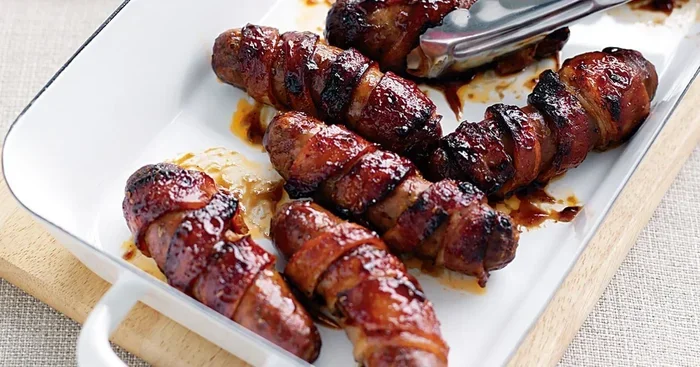
How To Cook Bacon And Sausage In The Oven Perfectly
Cooking bacon and sausage in the oven is the easiest way to get perfect breakfast meat with almost no effort. This guide covers everything from oven temperature and timing to tips for crispy, evenly cooked results. You will learn how to bake both bacon strips and sausage links using simple tools you already own.
There is something deeply satisfying about pulling a tray of perfectly cooked bacon and sausage out of the oven. No standing over a hot pan. No grease popping on your sleeves. No flipping strips one by one. Just set it, forget it, and let the oven do the work for you.
How To Cook Bacon And Sausage In The Oven is one of the simplest kitchen skills you can learn. Whether you are feeding a crowd at a weekend brunch or prepping breakfast for the whole week, the oven method beats stovetop cooking every single time. The results are consistent, the cleanup is minimal, and the meat comes out beautifully cooked from edge to center.
In this guide, we walk you through every step. You will learn the right oven temperature for each type of meat, how long to bake, which tools make the process easier, and how to avoid the mistakes that ruin breakfast meat. By the end, you will never go back to the stovetop again.
Key Takeaways
- Oven-baked bacon and sausage saves time and reduces mess compared to stovetop cooking.
- Use 400°F for bacon and 375°F for sausage to get the best texture.
- A wire rack on a baking sheet is the secret tool for even cooking and crispy results.
- Parchment paper or foil makes cleanup fast and easy after baking.
- Check meat early and adjust time based on thickness and desired crispiness.
- Meal prep works great with oven-baked breakfast meat since it stores well.
- Avoid common mistakes like overcrowding the pan or using the wrong temperature.
📑 Table of Contents
- Why Oven-Baked Bacon And Sausage Is A Game Changer
- What You Will Need: Tools And Ingredients
- How To Cook Bacon In The Oven Step By Step
- How To Cook Sausage In The Oven Step By Step
- Temperature And Timing Guide
- Tips For Perfect Results Every Time
- Common Mistakes To Avoid
- Storing And Reheating Oven-Baked Breakfast Meat
- Frequently Asked Questions
- Conclusion
Why Oven-Baked Bacon And Sausage Is A Game Changer
Cooking breakfast meat in the oven might feel unusual if you have always used a skillet. But once you try it, you will wonder why you did not switch sooner. The oven method offers real advantages that make your life in the kitchen much easier.
Even Cooking Without Constant Attention
When you cook bacon on the stove, you need to watch it closely. Hot spots on the pan cause some strips to burn while others are still floppy. The oven surrounds the meat with consistent heat, so every strip cooks at the same rate. You set a timer and walk away.
Sausage benefits from this same even heat. Links cook through without bursting or drying out on the outside while staying raw inside. The uniform temperature of an oven eliminates the guesswork entirely.
Less Mess And Easier Cleanup
Stovetop bacon leaves grease splattered across your cooktop. Sausage releases fat that spatters and sticks. The oven method keeps all that grease contained on a single tray. Line the pan with parchment paper or aluminum foil, and cleanup takes seconds.
Cook Large Quantities At Once
One of the biggest advantages is capacity. A standard sheet pan fits about a pound of bacon or a dozen sausage links. Need to feed eight people? No problem. You simply use two pans or a larger roasting pan. Stovetop cooking simply cannot match this volume without taking over your entire burner space.
Perfect For Meal Prep
Oven-baked breakfast meat stores well in the fridge for up to five days. You can batch cook on Sunday and have ready-to-eat bacon and sausage all week. Reheat it in the microwave for thirty seconds, and it tastes almost as good as fresh. This makes meal prep a breeze for busy mornings.
What You Will Need: Tools And Ingredients
Before you start, gather a few basic items. You do not need any special equipment. Most of these tools are already in your kitchen.
Essential Tools
- Sheet pan or baking tray — a standard half-sheet pan works perfectly for most batches.
- Wire cooling rack — this is the secret weapon. It lifts the meat above the grease so it crisps evenly on all sides.
- Parchment paper or aluminum foil — line the pan to prevent sticking and make cleanup effortless.
- Tongs — for flipping and moving hot meat safely.
- Paper towels — for draining excess grease after cooking.
- Meat thermometer — helpful for sausage to ensure it reaches a safe internal temperature.
Ingredients
- Bacon strips — thick-cut or thin-cut both work. Thick-cut takes a few extra minutes.
- Sausage links — pork, chicken, or plant-based all bake beautifully in the oven.
- Optional seasonings — black pepper, garlic powder, or smoked paprika add extra flavor to sausage.
Why A Wire Rack Matters
Placing bacon directly on a sheet pan causes the bottom to sit in its own grease. This leads to soggy, unevenly cooked meat. A wire rack elevates the bacon so hot air circulates underneath. The result is crispy oven-baked bacon on every strip. The same principle applies to sausage — the rack allows rendered fat to drip away, leaving the casing perfectly crisp.
How To Cook Bacon In The Oven Step By Step
Bacon is one of the most forgiving meats to cook in the oven. Follow these steps for crispy bacon that is evenly cooked from edge to center.
Step 1: Preheat The Oven
Set your oven to 400°F (200°C). This is the sweet spot for bacon. It renders the fat quickly without burning the meat. Let the oven fully preheat before placing the bacon inside. A properly heated oven ensures the bacon starts cooking immediately.
Step 2: Prep The Pan
Line a sheet pan with parchment paper or foil. Place the wire rack on top. This setup catches all the grease and prevents sticking. Some people skip the rack, but trust us — the rack makes a noticeable difference in texture.
Step 3: Arrange The Bacon
Lay the bacon strips flat on the rack. Do not overlap them. Crowding the pan traps steam and leads to uneven cooking. Leave a small gap between each strip so hot air flows freely around every piece.
Step 4: Bake And Monitor
Place the pan in the center of the oven. Bake for 15 to 20 minutes. Thin-cut bacon may be done in 12 minutes. Thick-cut bacon might need 22 or 23 minutes. Check at the 15-minute mark. Look for a deep golden brown color and bubbly, rendered fat.
Step 5: Drain And Serve
Remove the pan from the oven. Use tongs to transfer the bacon to a plate lined with paper towels. This absorbs excess grease and keeps the bacon crispy as it cools. Let it rest for two to three minutes before serving.
Quick Tip: Save the grease from the pan! Bacon fat is a cooking goldmine. Strain it and store it in a jar in the fridge. Use it to cook eggs, fry potatoes, or make roasted vegetables. It adds incredible flavor to everything.
How To Cook Sausage In The Oven Step By Step
Sausage requires a slightly different approach than bacon, but the oven method is just as simple. Follow these steps for juicy, crispy sausage every time.
Step 1: Preheat The Oven To 375°F
Set the oven to 375°F (190°C). This temperature cooks sausage through without drying it out or bursting the casings. Higher heat can cause the outside to burn before the inside is cooked. The lower temperature ensures even sausage baking from edge to center.
Step 2: Prep The Pan
Line a sheet pan with foil or parchment paper. You can place the sausage directly on the pan or use a wire rack. Both methods work well. The rack produces a crispier exterior, while placing sausage directly on the pan gives a softer texture.
Step 3: Prick The Casings (Optional)
Use a fork to prick small holes in each sausage link. This step is optional, but it helps release steam during baking. Less steam means less chance of the casings bursting open. It also promotes a nicer, crispier skin.
Step 4: Season And Arrange
Place the sausage links on the pan with space between each one. If you like, sprinkle a little black pepper, garlic powder, or fennel seeds on top for extra flavor. Arrange the links in a single layer, not touching each other.
Step 5: Bake For 20 To 25 Minutes
Bake the sausage for 20 to 25 minutes, flipping each link halfway through. Use tongs to turn them gently. The sausage is done when the internal temperature reaches 160°F (71°C) for pork sausage. Check with a meat thermometer to be sure.
Step 6: Rest And Serve
Remove the sausage from the oven and let it rest on the pan for three to five minutes. This allows the juices to redistribute throughout the meat. The result is juicy, flavorful sausage with a satisfying snap to the casing.
Quick Tip: If you are cooking multiple types of sausage, keep pork and chicken sausage on separate pans. They have different cooking times and internal temperatures. This prevents undercooked chicken or overcooked pork.
Temperature And Timing Guide
Not sure how long to cook your breakfast meat? Use this quick reference guide to get perfect results every time.
- Thin bacon at 400°F: 12 to 15 minutes
- Thick bacon at 400°F: 18 to 22 minutes
- Pork sausage links at 375°F: 20 to 25 minutes
- Chicken sausage links at 375°F: 22 to 28 minutes
- Breakfast patties at 375°F: 15 to 20 minutes
These times are starting points. Your oven may run hot or cool, so always check the meat a few minutes early. Visual cues matter too. Look for deep golden color on bacon and firm, browned casings on sausage.
Tips For Perfect Results Every Time
A few small adjustments can take your oven-baked breakfast meat from good to outstanding. These tips come from years of testing and refining the method.
Start With Cold Bacon
Place bacon in the oven straight from the fridge. Cold bacon takes longer to start rendering fat, which means it cooks more evenly. Room-temperature bacon tends to shrink and curl unevenly, with some parts overcooking before others are done.
Do Not Overlap The Meat
Overlapping strips or links traps steam. Steam creates soggy spots and prevents the crispy texture you want. Give each piece its own space on the pan. If your pan is small, use two pans or bake in batches.
Flip Halfway Through
For sausage, flipping each link halfway through ensures even browning on all sides. For bacon on a wire rack, flipping is less critical since hot air circulates from both sides. But if you want ultra-crispy bacon, a quick flip at the halfway point helps.
Adjust For Your Oven
Every oven is slightly different. Some run hotter than the set temperature, while others run cooler. If your oven tends to run hot, reduce the temperature by 10 degrees and add a couple of minutes to the cooking time. Get to know your specific oven over a few batches.
Use A Timer
It sounds simple, but setting a timer prevents overcooking. Oven-baked bacon can go from perfectly crispy to burnt in just two to three minutes. A timer takes the guesswork out and gives you peace of mind.
Add Flavor With A Light Rub
Before baking sausage, rub each link with a tiny bit of olive oil and a sprinkle of your favorite spices. Smoked paprika, brown sugar, or cayenne pepper all pair beautifully with sausage. This adds a flavor dimension that plain baked sausage simply does not have.
Common Mistakes To Avoid
Even simple cooking methods have pitfalls. Avoid these common mistakes to get better results every time you bake breakfast meat.
Skipping The Wire Rack
This is the number one mistake people make. Placing bacon directly on a sheet pan causes it to sit in pooled grease. The result is bacon that is greasy, limp, and unevenly cooked. A wire rack solves this problem completely.
Overcrowding The Pan
It is tempting to fit as much meat on the pan as possible. But overcrowding creates steam pockets that prevent crisping. Give each strip and link room to breathe. If you need to cook a large batch, use two sheet pans or bake in two rounds.
Setting The Temperature Too High
Some recipes suggest 425°F or even 450°F for bacon. These high temperatures cause the fat to burn before the meat cooks through. Stick with 400°F for bacon and 375°F for sausage. You get better texture and more consistent results at these lower temperatures.
Forgetting To Check The Meat
Ovens vary, and bacon thickness varies. Do not rely solely on the clock. Start checking a few minutes before the suggested time. Pull the bacon when it reaches your preferred level of crispiness. Sausage should always be checked with a meat thermometer to ensure food safety.
Not Draining The Bacon Properly
Bacon continues cooking slightly after you remove it from the oven. If you leave it on the hot pan, it will overcook and become brittle. Transfer it to a paper towel-lined plate immediately. This stops the cooking process and keeps the texture just right.
Ignoring The Grease
Bacon and sausage grease is not just waste — it is a flavor booster. Pouring it all down the drain means you are missing out. Save it for cooking eggs, vegetables, or even popcorn. Just strain it through a fine mesh sieve and store it in the refrigerator.
Storing And Reheating Oven-Baked Breakfast Meat
One of the best things about oven-baked bacon and sausage is how well it stores. You can prepare it ahead of time and enjoy it throughout the week.
How To Store
Let the meat cool completely before storing. Place cooked bacon and sausage in an airtight container. Store in the refrigerator for up to five days. You can also freeze cooked meat for up to three months. Wrap individual portions in parchment paper and place them in a freezer bag for easy grab-and-go meals.
How To Reheat
Reheat bacon in the microwave for 15 to 20 seconds. It will not be as crispy as fresh, but it still tastes great. For sausage, reheat in the microwave or oven at 350°F for five to seven minutes. The oven reheating method restores some of the original crispiness.
Frequently Asked Questions
Can I cook bacon and sausage on the same pan?
Yes, you can cook both on the same sheet pan. However, sausage takes longer than bacon, so add the sausage about five minutes after putting the bacon in. Alternatively, use two separate pans for perfectly timed results every time.
What is the best oven temperature for bacon?
400°F (200°C) is the ideal temperature for oven-baked bacon. This heat renders the fat quickly and creates a crispy texture without burning the meat. Some people prefer 375°F for a slightly chewier result, but 400°F gives the best balance of crispiness and flavor.
How do I know when sausage is fully cooked in the oven?
Use a meat thermometer to check the internal temperature. Pork sausage should reach 160°F (71°C), while chicken sausage needs to hit 165°F (74°C). The casing should also be firm and browned all the way around. Never eat undercooked sausage.
Can I use regular aluminum foil instead of parchment paper?
Absolutely. Both parchment paper and aluminum foil work well for lining the pan. Foil is more durable and can be reused if it is not too greasy. Parchment paper prevents sticking slightly better and is easier to dispose of after cooking.
How long does oven-baked bacon last in the fridge?
Cooked bacon stays fresh in the refrigerator for up to five days when stored in an airtight container. Reheat it in the microwave for a few seconds before eating. For longer storage, freeze cooked bacon for up to three months.
Is oven-baked bacon healthier than pan-fried bacon?
Oven-baked bacon does tend to be slightly healthier because the wire rack allows excess grease to drip away from the meat. Pan-fried bacon sits in its own fat and absorbs more of it. While the calorie difference is modest, many people find oven-baked bacon easier to digest and less greasy.
Conclusion
How To Cook Bacon And Sausage In The Oven is one of the easiest and most rewarding kitchen skills you can add to your routine. It saves time, reduces mess, and produces consistently delicious results. With the right temperature, a simple wire rack, and a little patience, you get crispy bacon and juicy sausage that rivals any diner breakfast.
The beauty of this method is its simplicity. No special equipment. No complicated techniques. Just set the oven, arrange the meat, and let time do the work. Once you try it a couple of times, you will wonder how you ever cooked breakfast meat any other way.
Start with the basic steps outlined in this guide. Experiment with different cuts, seasonings, and timing. Soon enough, oven-baked breakfast meat will be your go-to method for every morning. Your future self — the one who wakes up to a hot, delicious, perfectly crispy breakfast — will thank you.
So preheat that oven, lay out your bacon and sausage, and enjoy the easiest breakfast of your life. Once you master oven-baked bacon and sausage, you will never look back.



2 Comments