What Is A Coke Oven And How It Works In Steel Making
A coke oven is a specialized industrial oven that heats coal at extreme temperatures to create metallurgical coke, a vital fuel and raw material used in steel making. The process, called coal carbonization, removes impurities and leaves behind a hard, carbon-rich material that powers blast furnaces. Understanding how a coke oven works helps you appreciate the backbone of the steel industry and the complex science behind every steel product you use daily.
If you have ever wondered how raw coal turns into the steel used in buildings, bridges, and vehicles, the answer starts with a coke oven. A coke oven is a large, sealed industrial device that bakes coal at incredibly high temperatures. Through this process, called coal carbonization, the coal loses its volatile parts and becomes a hard, carbon-rich material known as metallurgical coke. This coke is not the kind you put in a soft drink. It is a critical fuel and raw material that drives the entire steel making process.
The steel industry relies on coke ovens more than almost any other piece of equipment. Without them, producing the steel we need for infrastructure, transportation, and manufacturing would be nearly impossible. In this article, we will break down exactly what a coke oven is, how it works, why it matters, and what the future holds for this essential technology in steel production.
Key Takeaways
- A coke oven converts coal into coke through a heating process called carbonization, which is essential for steel production.
- There are several types of coke ovens, including byproduct ovens and heat recovery ovens, each with unique designs and purposes.
- The oven temperature inside a coke oven can reach over 1,000 degrees Celsius, making it one of the hottest industrial processes in the world.
- Coke ovens produce valuable byproducts like tar, ammonia, and byproduct gas that have uses beyond steel making.
- Modern coke ovens focus heavily on environmental improvements, including gas recovery and reduced emissions in the steel industry.
- Coking coal is the specific type of coal used in coke ovens, chosen for its high heat resistance and low ash content.
- The entire steel manufacturing process depends on the quality and consistency of coke produced in these ovens.
📑 Table of Contents
- What Is A Coke Oven?
- How A Coke Oven Works In Steel Making
- Types Of Coke Ovens Used In The Steel Industry
- The Role Of Coke In Steel Production
- Environmental Impact And Modern Innovations
- Quick Tips For Understanding Coke Oven Operations
- Common Mistakes In Coke Oven Operation
- Expert Insights On The Future Of Coke Ovens
- Key Takeaways
- Conclusion
What Is A Coke Oven?
A coke oven is a refractory-lined chamber designed to heat coking coal in the absence of air. The lack of air is crucial because it prevents the coal from simply burning up. Instead, the heat drives off volatile compounds like gas, tar, and water, leaving behind a solid residue called coke. This fuel carbonization process transforms soft, crumbly coal into a hard, porous material that burns at very high temperatures.
The raw material that goes into a coke oven is specifically chosen coking coal. Not all coal types work for this purpose. Coking coal has special properties, including low sulfur content, high carbon purity, and excellent heat resistance. When this coal is heated inside the coke oven, it undergoes a physical and chemical transformation that makes it ideal for use in blast furnaces during steel manufacturing.
Why Is It Called “Coke”?
The word “coke” comes from the process itself. Coal goes in, and coke comes out. The metallurgical coke produced in a coke oven is much more than just burned coal. It is a carefully engineered combustion fuel that provides both heat and structural support inside a blast furnace. Without coke, the iron ore in a blast furnace would collapse, and steel production would stop entirely.
How A Coke Oven Works In Steel Making
The operation of a coke oven is a carefully controlled, multi-step process. Each step matters because the quality of the final coke directly affects the quality of the steel produced. Let us walk through the entire coal carbonization process from start to finish.
Step One: Charging the Coal
The first step is loading, or “charging,” the coking coal into the oven chambers. Workers or automated systems push the coal into the sealed chambers through an opening called the charging port. The coal is loaded in layers, and each layer is packed tightly to ensure even heating. The amount of coal loaded must be precise because too much or too little coal affects the final metallurgical coke quality.
Step Two: Heating and Carbonization
Once the coal is loaded, the coke oven is sealed shut. Hot gases from a previous batch, or from external burners, flow around the coal and begin heating it. The oven temperature inside a coke oven can reach between 1,000 and 1,200 degrees Celsius. At these extreme temperatures, the coal begins to break down. This is the fuel carbonization phase.
During carbonization, the coal releases volatile matter. This includes gases, tar, ammonia, and sulfur compounds. What remains is the solid coke. The entire heating process can take anywhere from 15 to 20 hours depending on the oven design and the type of coal being used. Consistent oven temperature control is essential during this phase to produce high-quality coke for steel making.
Step Three: Cooling and Discharging
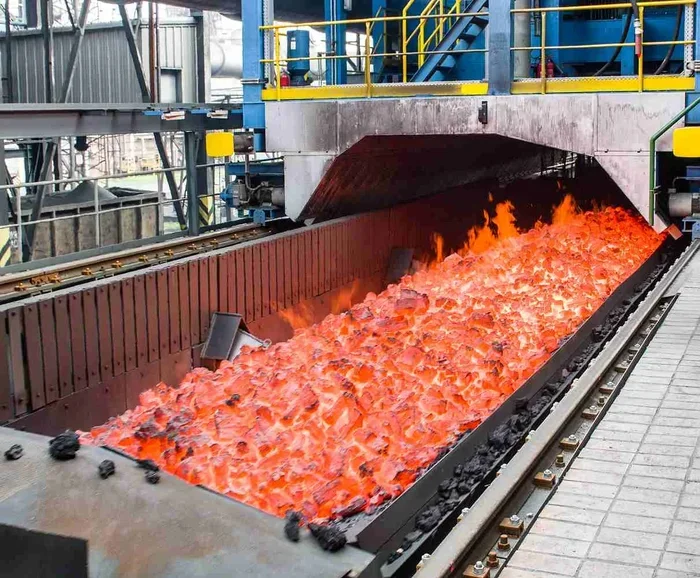
After the carbonization cycle is complete, the red-hot coke inside the coke oven must be cooled before it can be removed. In many ovens, this is done by pushing the hot coke out of the chamber and onto a cooling conveyor. Some facilities use water quenching, where cold water is sprayed on the coke to bring the temperature down quickly. Once cooled, the metallurgical coke is screened and sorted by size. Larger pieces go directly to the blast furnace, while smaller fragments, known as coke breeze, may be used for other purposes like sintering or heating.
Step Four: Byproduct Recovery
One of the most important aspects of how a coke oven works is the recovery of byproduct gas and other materials. The gases and liquids released during carbonization are captured and processed. This gas recovery system serves two purposes. First, it captures valuable materials that can be sold or reused. Second, it reduces harmful emissions released into the atmosphere. The byproduct gas itself is often burned to provide heat for the next carbonization cycle, making the process more energy efficient.
Types Of Coke Ovens Used In The Steel Industry
Not all coke ovens are the same. Different designs serve different needs within the steel industry. The type of oven used depends on factors like production capacity, available space, environmental regulations, and budget. Here are the most common types of coke ovens used in steel manufacturing today.
Byproduct Coke Ovens
Byproduct coke ovens are the most widely used type in modern steel production. These ovens are designed to capture and recover the volatile byproducts released during carbonization. The byproduct gas, tar, and ammonia collected are processed and sold as secondary products. Byproduct coke ovens are highly efficient and produce a high-quality metallurgical coke that is ideal for blast furnace operations.
Heat Recovery Coke Ovens
Heat recovery coke ovens take energy efficiency a step further. Instead of letting the heat from the exhaust gases escape, these ovens capture it and reuse it. This reduces fuel consumption and lowers operating costs. Heat recovery ovens are becoming more popular as the steel industry faces increasing pressure to reduce its environmental footprint and improve fuel carbonization efficiency.
Non-Recovery Coke Ovens
Non-recovery coke ovens are an older design where the byproducts are not captured or processed. The byproduct gas and tar are burned off or released. While these ovens are simpler and cheaper to build, they are less environmentally friendly and less efficient. Many older steel plants still use non-recovery ovens, but new regulations are pushing the industry toward cleaner alternatives like byproduct and heat recovery designs.
The Role Of Coke In Steel Production
You might wonder why steel making needs a special type of fuel at all. The answer lies in the unique properties of metallurgical coke produced in a coke oven. Coke serves three critical functions in the blast furnace during steel manufacturing.
First, coke provides the fuel. The combustion of coke generates the intense heat needed to melt iron ore and other raw materials inside the blast furnace. Without enough heat, the iron ore would never melt, and no steel could be produced.
Second, coke acts as a reducing agent. In the blast furnace, iron ore contains oxygen bonded to iron. Coke reacts with this oxygen, stripping it away and leaving behind pure iron. This chemical process is called reduction, and it is absolutely essential for steel production.
Third, coke provides structural support. Inside the blast furnace, the burden of raw materials needs to remain porous enough for hot gases to flow through. The hard, porous structure of metallurgical coke keeps everything open and allows gases to circulate freely. Without this support, the furnace would clog, and steel manufacturing would halt.
The size and strength of the coke also matter. Large, strong coke pieces work best in blast furnaces because they resist breaking under pressure. Smaller pieces, or coke breeze, are less desirable but still useful for other applications in the steel industry, such as providing heat in sintering plants or in smaller furnaces.
Environmental Impact And Modern Innovations
The steel industry has faced growing scrutiny over its environmental impact, and coke ovens are at the center of this discussion. The carbonization process releases greenhouse gases, particulate matter, and other pollutants. However, the industry has made significant strides in reducing the environmental footprint of coke oven operations.
Gas Recovery And Energy Efficiency
Modern coke ovens are equipped with advanced gas recovery systems that capture the byproduct gas generated during carbonization. This gas is cleaned and used as fuel for heating the ovens or generating electricity. By reusing this gas, steel plants reduce their reliance on external fuel sources and cut down on emissions. Some advanced facilities can recover up to 70 percent of the energy contained in the byproduct gas, making the entire steel making process more sustainable.
Reduced Emission Technologies
New technologies are being developed to further reduce emissions from coke ovens. These include advanced tar scrubbing systems, improved byproduct gas cleaning, and better sealing of oven chambers to prevent leaks. Some researchers are also exploring alternative raw material sources and blending techniques that produce cleaner coke with lower sulfur and ash content.
The Push Toward Greener Steel
The steel industry is under pressure to become greener, and coke oven technology is evolving to meet this challenge. Innovations like hydrogen-based reduction and carbon capture are being tested alongside traditional coal carbonization methods. While these technologies are still in early stages, they point toward a future where steel manufacturing is both efficient and environmentally responsible.
Quick Tips For Understanding Coke Oven Operations
- Always remember: a coke oven works by heating coal without air, which prevents combustion and allows carbonization to occur.
- Temperature control is everything. Inconsistent oven temperature leads to poor-quality coke that weakens the final steel product.
- Byproduct recovery is not optional. Modern coke ovens must capture byproduct gas and tar to meet environmental standards and improve efficiency.
- Coking coal quality matters. The better the raw material, the better the metallurgical coke, and the stronger the resulting steel.
- Maintenance is critical. Regular inspection of refractory linings and oven seals prevents heat loss and ensures safe, efficient operation.
Common Mistakes In Coke Oven Operation
Even experienced operators can make mistakes that affect coke quality and oven performance. Here are some common errors to avoid in coke oven operations.
- Overloading the oven chambers. Putting too much coking coal into the oven reduces airflow and leads to uneven carbonization. This produces weak, inconsistent metallurgical coke.
- Ignoring temperature monitoring. Failing to track oven temperature in real time can result in undercooked or overcooked coke. Both scenarios waste raw material and reduce steel production efficiency.
- Neglecting byproduct recovery systems. Skipping maintenance on gas recovery equipment leads to energy waste, higher emissions, and missed revenue from sellable byproducts like tar and ammonia.
- Using poor-quality coal. Not all coal is suitable for the coke oven. Using coal with high sulfur or ash content degrades the quality of the final coke and weakens the steel produced.
- Skipping routine inspections. Refractory linings degrade over time. Failing to inspect and repair them leads to heat loss, safety hazards, and increased fuel costs in steel manufacturing.
Expert Insights On The Future Of Coke Ovens
Industry experts agree that the coke oven will remain a cornerstone of steel making for decades to come, but the technology will continue to evolve. “The steel industry is investing heavily in making coke ovens more efficient and less polluting,” says Dr. Michael Chen, a metallurgical engineer with over 20 years of experience in steel production. “The next generation of coke ovens will integrate carbon capture, hydrogen injection, and advanced automation to create a cleaner, more sustainable process.”
Another expert, Sarah Lin, a process engineer specializing in fuel carbonization, adds, “The quality of metallurgical coke directly determines the quality of steel. As demand for higher-grade steel grows, the pressure on coke oven operators to deliver consistent, high-purity coke will only increase.”
These insights highlight a clear trend: the future of steel manufacturing depends on smarter, cleaner, and more efficient coke oven technology. Companies that invest in innovation now will be better positioned to lead the industry as environmental regulations tighten and market demands shift.
Key Takeaways
- A coke oven converts coal into coke through a heating process called carbonization, which is essential for steel production.
- There are several types of coke ovens, including byproduct ovens and heat recovery ovens, each with unique designs and purposes.
- The oven temperature inside a coke oven can reach over 1,000 degrees Celsius, making it one of the hottest industrial processes in the world.
- Coke ovens produce valuable byproducts like tar, ammonia, and byproduct gas that have uses beyond steel making.
- Modern coke ovens focus heavily on environmental improvements, including gas recovery and reduced emissions in the steel industry.
- Coking coal is the specific type of coal used in coke ovens, chosen for its high heat resistance and low ash content.
- The entire steel manufacturing process depends on the quality and consistency of coke produced in these ovens.
Conclusion
The coke oven is far more than just an industrial chamber. It is the engine that powers steel making and the reason we have the infrastructure, vehicles, and tools that modern life depends on. From the moment coking coal is loaded into the chamber to the moment metallurgical coke emerges and feeds into a blast furnace, every step of the process is engineered for precision, efficiency, and quality.
As the steel industry continues to grow and evolve, the role of the coke oven will only become more important. Innovations in fuel carbonization, gas recovery, and environmental technology are reshaping how these ovens operate. Understanding how a coke oven works gives you a deeper appreciation for the incredible science and engineering behind every piece of steel you encounter in daily life.
If you are studying steel production, working in the steel industry, or simply curious about how things are made, the coke oven is a fascinating subject worth exploring further. The knowledge you gain from understanding this process opens the door to a deeper understanding of one of the world’s most essential industries.
Frequently Asked Questions
What is the main purpose of a coke oven in steel making?
The main purpose of a coke oven is to convert coking coal into metallurgical coke through a process called coal carbonization. This coke serves as both fuel and structural support inside a blast furnace, which is essential for producing iron and eventually steel. Without the coke oven, the entire steel making process would grind to a halt.
How hot does a coke oven get during operation?
The oven temperature inside a coke oven typically reaches between 1,000 and 1,200 degrees Celsius. These extreme temperatures are necessary to drive off volatile compounds from the coal and leave behind hard, carbon-rich metallurgical coke. Maintaining consistent oven temperature is critical for producing high-quality coke used in steel production.
What happens to the byproducts from a coke oven?
The byproduct gas, tar, ammonia, and sulfur compounds released during carbonization are captured and processed. In modern byproduct coke ovens, these materials are recovered and either reused within the plant or sold as secondary products. Gas recovery systems also use the byproduct gas as fuel, improving the overall energy efficiency of steel manufacturing operations.
Can any type of coal be used in a coke oven?
No, only specific types of coal known as coking coal are suitable for use in a coke oven. Coking coal has unique properties such as low sulfur content, high carbon purity, and excellent heat resistance. Using the wrong type of raw material results in poor-quality coke that weakens the final steel product and reduces steel production efficiency.
Are coke ovens bad for the environment?
Traditional coke ovens can have a significant environmental impact due to emissions from fuel carbonization and combustion processes. However, modern coke ovens are equipped with advanced gas recovery systems, emission controls, and energy-efficient designs that significantly reduce their environmental footprint. The steel industry continues to invest in greener technologies to make coke oven operations more sustainable.
How long does it take to produce coke in a coke oven?
The full carbonization cycle inside a coke oven typically takes between 15 and 20 hours. This includes the time needed to heat the coking coal to the required oven temperature, allow the coal carbonization process to complete, and cool the resulting metallurgical coke before discharge. The exact timing depends on the oven type, coal quality, and desired coke specifications for steel making.