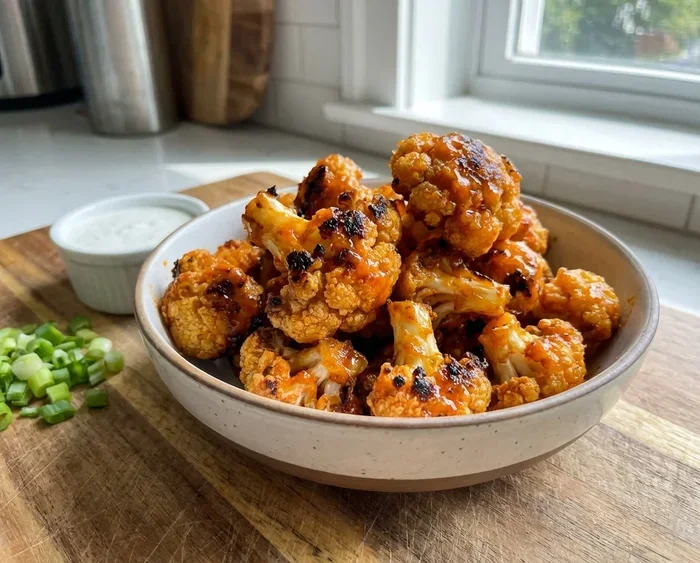
The Best Oils For Deep Fryer For Perfect Crispy Results
Choosing the right oils for deep fryer is the secret to achieving perfectly crispy, golden fried food every single time. Not all cooking oils are created equal, and the wrong choice can lead to soggy results or even dangerous smoke. In this guide, we break down the best options, their smoke points, and how to pick the ideal oil for your deep frying needs.
Deep frying is one of the most popular cooking methods in kitchens around the world. Whether you are making crispy chicken, golden french fries, or crunchy tempura, the oil you choose makes all the difference. Oils for deep fryer are not all the same, and picking the right one can mean the difference between perfectly crispy food and a greasy mess.
Many home cooks overlook the importance of selecting the right frying oil. They focus on the recipe, the batter, and the temperature but forget that the oil itself plays a huge role. The best oils for deep fryer have high smoke points, stable fatty acid profiles, and neutral flavors that let the food shine. In this guide, we will walk you through everything you need to know about choosing, using, and storing the best oils for your deep fryer.
If you are new to deep frying or looking to upgrade your oil game, you are in the right place. We have tested and researched dozens of options to bring you the most comprehensive guide available. Let us dive in and find the perfect oil for your next crispy creation.
Key Takeaways
- High smoke point oils like avocado, peanut, and canola are the best choices for deep frying.
- Avoid olive oil and butter for deep frying since they have low smoke points and burn easily.
- Reusing oil is possible but requires proper filtration and storage to maintain quality.
- Healthier options like avocado oil offer great frying performance with better nutritional profiles.
- Always monitor frying temperature to prevent oil breakdown and ensure consistent crispiness.
- Different oils suit different foods so match your oil to what you are cooking for the best results.
📑 Table of Contents
Why Choosing the Right Oil Matters
The oil you use in your deep fryer affects everything from taste to texture. Using the wrong oil can ruin your food and even create safety hazards. Understanding why oil choice matters helps you make smarter decisions every time you cook.
Impact on Food Texture
The right oil creates a perfectly crispy exterior while keeping the inside moist and tender. Oils with the right fatty acid composition heat evenly and form a thin, crunchy crust around your food. On the other hand, oils that break down at high temperatures produce greasy, soggy results. This is why oils for deep fryer with high stability are so important.
When oil degrades, it absorbs into the food instead of forming a protective barrier. The result is food that feels heavy and oily rather than light and crispy. Nobody wants that. Choosing a stable, high-quality frying oil solves this problem completely.
Impact on Flavor
Some oils have strong flavors that can overpower your food. For example, extra virgin olive oil has a distinct taste that works great in salads but can make fried food taste unusual. Neutral oils like canola and vegetable oil let the natural flavor of your food take center stage.
That said, some oils add a pleasant flavor. Peanut oil, for instance, gives a subtle nutty taste that complements fried chicken and seafood beautifully. The key is matching the oil flavor to the dish you are making.
Safety Considerations
Every cook should understand the safety aspect of deep frying. Oil that reaches its smoke point breaks down and can ignite. This is extremely dangerous in a home kitchen. Using oils for deep fryer with high smoke points significantly reduces this risk. Always keep a thermometer handy and never leave hot oil unattended.
Best Oils for Deep Fryer: Top Picks
Not all oils perform equally when it comes to deep frying. Some excel at high temperatures, while others fall apart quickly. Below are our top recommendations based on smoke point, stability, flavor, and health benefits.
Avocado Oil
Avocado oil is widely considered the gold standard for deep frying. It has one of the highest smoke points among cooking oils, reaching up to 520°F (271°C). This makes it incredibly stable at the temperatures needed for deep frying, which typically range from 350°F to 375°F (175°C to 190°C).
Avocado oil has a mild, buttery flavor that does not overpower your food. It is also rich in healthy monounsaturated fats, making it a heart-friendly choice. The downside? Avocado oil tends to be more expensive than other options. But if you want the best results and are willing to invest, it is hard to beat.
Peanut Oil
Peanut oil is a favorite among professional kitchens and home cooks alike. It has a smoke point of around 450°F (232°C), which handles deep frying beautifully. Its neutral flavor makes it versatile for all types of fried foods, from french fries to chicken wings.
One major advantage of peanut oil is its ability to be reused multiple times without significant degradation. This makes it cost-effective over time. However, it is not suitable for those with peanut allergies, so always consider your household when choosing this option.
Canola Oil
Canola oil is one of the most popular and affordable oils for deep fryer use. It has a smoke point of about 400°F (204°C), which works well for most deep frying tasks. Its neutral flavor makes it a great all-purpose choice that does not alter the taste of your food.
Canola oil contains a good balance of omega-3 and omega-6 fatty acids. It is also widely available and budget-friendly. For everyday deep frying, canola oil is a reliable and practical choice that delivers consistent results.
Vegetable Oil
Vegetable oil is a broad term that usually refers to a blend of different plant oils, such as soybean, corn, and sunflower oils. Most vegetable oils have smoke points around 400°F to 450°F (204°C to 232°C), making them solid options for deep frying.
The main benefit of vegetable oil is its affordability and availability. You can find it in virtually every grocery store. The flavor is neutral, so it works well with almost any recipe. It is an excellent everyday frying oil for families and casual cooks.
Sunflower Oil
Sunflower oil is another excellent option for deep frying. It has a high smoke point of around 450°F (232°C) and a light, neutral taste. High-oleic sunflower oil is particularly stable, which means it lasts longer during repeated frying sessions.
Sunflower oil is also rich in vitamin E, which offers some health benefits. It is a great choice if you are looking for something slightly different from the standard canola or vegetable oil. Its clean flavor profile makes it ideal for delicate foods like fish and vegetables.
Rice Bran Oil
Rice bran oil is a lesser-known but fantastic option for deep frying. It has a smoke point of approximately 490°F (254°C), making it one of the most heat-stable oils available. It is popular in Asian cuisines and is increasingly finding its way into Western kitchens.
Rice bran oil has a very neutral flavor and produces exceptionally crispy results. It is also rich in antioxidants and has a balanced fatty acid profile. While it can be harder to find in some stores, it is worth seeking out for serious frying enthusiasts.
Understanding Smoke Points
The smoke point is the temperature at which oil begins to break down and produce visible smoke. When oil reaches its smoke point, it starts to release harmful compounds and develops an unpleasant burnt taste. For deep frying, you always want an oil with a smoke point well above your frying temperature.
Most deep frying happens between 350°F and 375°F (175°C and 190°C). Therefore, you want an oil with a smoke point of at least 400°F (204°C) to provide a safe margin. Oils with higher smoke points give you more flexibility and reduce the risk of oil degradation.
Here is a quick comparison of the oils we discussed and their smoke points:
- Avocado oil: 520°F (271°C) – excellent for high-heat frying
- Peanut oil: 450°F (232°C) – great for professional-style frying
- Rice bran oil: 490°F (254°C) – highly stable and versatile
- Sunflower oil: 450°F (232°C) – light and neutral flavor
- Vegetable oil: 400-450°F (204-232°C) – affordable all-rounder
- Canola oil: 400°F (204°C) – budget-friendly and reliable
Always use a cooking thermometer to monitor your oil temperature. Going above the smoke point not only ruins the food but also creates harmful compounds and fire risks. Staying within the safe range ensures consistent, delicious results every time.
Oils to Avoid for Deep Frying
Just as important as knowing which oils to use is knowing which ones to avoid. Some oils are simply not suited for the high temperatures of deep frying and can create poor results or even dangerous situations.
Extra Virgin Olive Oil
Extra virgin olive oil has a low smoke point of around 375°F (190°C). At deep frying temperatures, it breaks down quickly and produces smoke and off-flavors. While olive oil is healthy for salads and low-heat cooking, it is not a good choice for deep frying.
Butter and Clarified Butter
Butter contains milk solids that burn at high temperatures. Even clarified butter, which has had the milk solids removed, has a smoke point of only about 450°F (232°C) and can still be problematic. It is best reserved for sautéing and baking, not deep frying.
Flavored or Infused Oils
Garlic oil, chili oil, and other infused oils are wonderful for finishing dishes or drizzling over salads. However, they are not designed for high-heat frying. The flavor compounds burn off quickly, leaving behind unpleasant tastes and potentially harmful byproducts.
It is worth noting that while we are discussing oils here, the same principle applies to other kitchen ingredients. Just as you would never put vanilla simple syrup into a deep fryer, you should never use oils that are not designed for high-heat cooking. If you are curious about making your own flavored syrups for coffee or other beverages, check out our guide on how to make vanilla simple syrup for coffee for a fun and different kitchen project.
Health Considerations When Choosing Frying Oil
Deep fried food is a treat, not an everyday meal. But when you do indulge, choosing a healthier oil can make a difference. The type of fat in your frying oil affects both the nutritional profile of your food and your long-term health.
Monounsaturated vs. Polyunsaturated Fats
Monounsaturated fats (MUFAs) are the healthiest option for deep frying. They are stable at high temperatures and do not form harmful compounds easily. Avocado oil and canola oil are excellent sources of MUFAs. These oils also help improve cholesterol levels when used in moderation.
Polyunsaturated fats (PUFAs), found in oils like sunflower and soybean oil, are also acceptable for frying but are less stable at very high temperatures. They can oxidize more quickly, which produces compounds that are not ideal for regular consumption.
Saturated Fats
Saturated fats are generally less recommended for deep frying. Coconut oil, for example, has a high smoke point but is very high in saturated fat. While it can be used for frying, it is best reserved for occasional use rather than daily cooking.
The American Heart Association recommends limiting saturated fat intake and choosing oils rich in unsaturated fats whenever possible. This is an important consideration for anyone who deep fries frequently.
Trans Fats and Hydrogenated Oils
Avoid any oil that is partially hydrogenated or contains trans fats. These are the worst options for deep frying and for health in general. Trans fats raise bad cholesterol, lower good cholesterol, and increase the risk of heart disease. Most modern oils are free of trans fats, but always check the label to be sure.
Tips for Reusing and Storing Deep Fryer Oil
One of the biggest advantages of using quality oils for deep fryer is that many of them can be reused multiple times. Reusing oil saves money and reduces waste. But it must be done correctly to maintain food safety and oil quality.
How to Filter Used Oil
After each use, let the oil cool completely before handling. Strain it through a fine-mesh sieve or cheesecloth to remove food particles. These particles accelerate oil breakdown and can create off-flavors in your next frying session.
For best results, store the filtered oil in a clean, airtight container. Keep it in a cool, dark place away from direct sunlight. Proper storage can extend the life of your frying oil significantly.
When to Discard Oil
No matter how careful you are, oil eventually degrades. Signs that it is time to discard your oil include:
- A dark or cloudy appearance
- A strong, unpleasant odor
- Excessive smoking at normal frying temperatures
- A sticky or thick texture
- Food that tastes greasy or off even when fried at the correct temperature
If you notice any of these signs, do not hesitate to replace the oil. Using degraded oil affects both the taste and safety of your food. When in doubt, throw it out and start fresh.
How Many Times Can You Reuse Oil?
Most quality oils can be reused three to five times if properly filtered and stored. Peanut oil and avocado oil tend to last longer due to their stability. However, if you fry heavily breaded or fatty foods, the oil breaks down faster and may need to be replaced sooner.
For those who love hosting and cooking for large groups, you might find yourself using a lot more oil than usual. If you are planning a big event, our guide on how to make coffee for 50 people might also be helpful for planning your kitchen operations during gatherings.
Expert Tips for Perfect Deep Frying Results
Choosing the right oil is only one piece of the puzzle. Here are some expert tips that will elevate your deep frying game to the next level.
Maintain Consistent Oil Temperature
Fluctuating temperatures are the enemy of crispy food. Use a clip-on thermometer to monitor the oil temperature throughout the frying process. Adjust your heat as needed to keep the temperature steady between 350°F and 375°F (175°C and 190°C).
Do Not Overcrowd the Fryer
Adding too much food at once drops the oil temperature significantly. This leads to uneven cooking and soggy results. Fry in small batches, giving each piece plenty of space to cook evenly and develop that perfect crispy crust.
Dry Your Food Before Frying
Excess moisture on food causes oil to splatter and can lead to uneven frying. Always pat your food dry with paper towels before placing it in the hot oil. This simple step makes a noticeable difference in texture and safety.
Use a Wire Rack for Draining
Instead of draining fried food on paper towels, use a wire rack placed over a baking sheet. This allows air to circulate around the food, keeping the bottom crispy instead of getting soggy from steam trapped against a flat surface.
Quick Tips Summary
- Always check the smoke point before selecting an oil for deep frying.
- Use a thermometer to maintain consistent frying temperatures between 350°F and 375°F.
- Filter and store used oil properly to extend its life for multiple uses.
- Avoid overcrowding the fryer to maintain oil temperature and achieve even crispiness.
- Choose neutral-flavored oils like canola or vegetable oil for versatile frying, or peanut oil for a subtle nutty flavor.
- Never reuse oil that shows signs of degradation such as dark color, bad smell, or excessive smoking.
- Pat food dry before frying to reduce splatter and improve texture.
For those who enjoy exploring different kitchen techniques and tools, you might also appreciate our article on whole bean coffee for french press to learn about another kitchen staple that requires careful selection for the best results. The principles are similar: choosing the right ingredient makes all the difference in the final product.
Similarly, if you are interested in grinding your own coffee beans for different brewing methods, understanding particle size matters just as much as oil selection matters for frying. Check out our guide on what size to grind coffee for Keurig for insights on how preparation method affects the final outcome.
Conclusion
Selecting the best oils for deep fryer is one of the most impactful decisions you can make in the kitchen. The right oil delivers crispy, golden results while keeping your food safe and flavorful. Whether you choose avocado oil for its exceptional stability, peanut oil for its versatility, or canola oil for its affordability, the key is understanding what makes each oil unique.
Remember to always monitor your frying temperature, reuse oil responsibly, and never compromise on quality. With the right oil and proper technique, you can achieve restaurant-quality crispy results in the comfort of your own home. Start experimenting with different oils today and discover how much of a difference the right choice makes.
Your deep fryer is a powerful tool, and the oil you choose is its fuel. Make every drop count, and your fried creations will thank you with perfectly crispy, delicious results every single time.
Frequently Asked Questions
What is the best oil for deep frying at home?
Avocado oil and peanut oil are widely considered the best oils for deep frying at home. They have high smoke points, stable fatty acid profiles, and neutral flavors that do not interfere with the taste of your food. Canola oil is also an excellent budget-friendly option that delivers consistent results.
Can you reuse oil after deep frying?
Yes, most frying oils can be reused three to five times if properly filtered and stored. After each use, let the oil cool, strain out food particles, and store it in an airtight container in a cool, dark place. Always check for signs of degradation before reusing, such as dark color, off odors, or excessive smoking.
Is olive oil safe for deep frying?
Extra virgin olive oil is not recommended for deep frying due to its low smoke point of around 375°F. It breaks down quickly at deep frying temperatures and produces unpleasant flavors and potentially harmful compounds. Regular olive oil has a slightly higher smoke point but is still not ideal for deep frying compared to oils like avocado or peanut oil.
How do I know when to discard deep fryer oil?
Discard your deep fryer oil if it appears dark or cloudy, smells rancid or unpleasant, smokes excessively at normal frying temperatures, or has a thick sticky texture. Food that tastes greasy or off even when fried correctly is another clear sign that the oil has degraded and should be replaced.
What oil gives the crispiest fried food?
Avocado oil and peanut oil tend to produce the crispiest results due to their high smoke points and stable composition. These oils heat evenly and form a thin, crunchy crust around food without absorbing excessively. Proper frying temperature and not overcrowding the fryer also play crucial roles in achieving maximum crispiness.
Are there any healthy oils for deep frying?
Yes, avocado oil is one of the healthiest options for deep frying. It is rich in monounsaturated fats, which are stable at high temperatures and beneficial for heart health. Canola oil is another good choice with a favorable fatty acid profile. Regardless of the oil, moderation is key since deep fried food is inherently high in fat and calories.