How To Warm Up Italian Bread In The Oven The Easy Way
Warming up Italian bread in the oven is the easiest way to bring back its crispy crust and soft, warm center. Whether you have a leftover loaf, frozen bread, or day-old slices, the right oven method makes all the difference. This guide walks you through the simple steps, ideal temperatures, and expert tips to get bakery-quality results at home. You will learn how to avoid common mistakes and enjoy perfectly warmed Italian bread in just minutes.
Key Takeaways
- Use 350°F (175°C) for most Italian bread types: this temperature warms the bread evenly without drying it out.
- Wrap bread in foil before warming: this traps moisture and keeps the interior soft while the crust gently crisps up.
- Warm for 5 to 10 minutes: longer is not better. Overheating turns soft bread hard and stale.
- Never skip the prep step: letting bread come to room temperature for a few minutes before oven warming gives better results.
- Brush with olive oil after warming: this adds flavor and helps the crust stay flexible and delicious.
- Avoid the microwave for Italian bread: it makes the crust rubbery and the interior gummy.
- Store leftover warmed bread properly: use a bread bag or paper towel wrap to maintain freshness for up to two days.
📑 Table of Contents
- Why Warming Up Italian Bread In The Oven Makes All the Difference
- The Best Oven Temperature for Warming Italian Bread
- Step-by-Step: How To Warm Up Italian Bread In The Oven
- Common Mistakes to Avoid When Warming Bread
- Tips for Perfectly Warmed Italian Bread Every Time
- How To Keep Warmed Italian Bread Fresh Longer
- Comparing Oven Warming vs Other Methods
- Expert Insights on Warming Italian Bread
- Key Takeaways
- Conclusion
Why Warming Up Italian Bread In The Oven Makes All the Difference
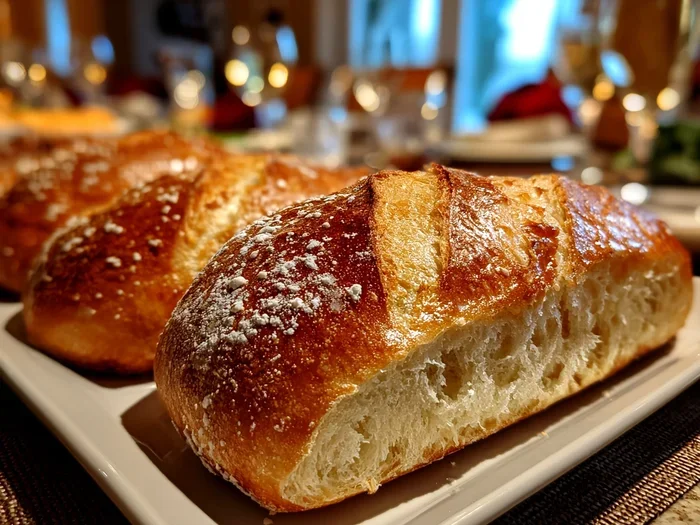
There is nothing quite like the smell of Italian bread fresh from the oven. The golden crust. The soft, airy inside. The way it practically melts in your mouth. But what happens when you have leftover bread? It gets hard. It gets stale. It loses all that wonderful texture.
This is where warming up Italian bread in the oven saves the day. The oven brings bread back to life. It restores the crust. It warms the inside evenly. And it does all of this without turning your loaf into a dry, crunchy brick.
Many people reach for the microwave when they want quick warm bread. But the microwave is the enemy of good bread. It heats unevenly. It turns the crust rubbery. And it robs the bread of its natural flavor. The oven, on the other hand, uses gentle, surrounding heat to revive every part of the loaf.
Whether you are warming up a full Italian loaf, a baguette, or just a few slices, the oven method works beautifully. It takes only a few minutes. It requires almost no effort. And the results are far better than any other heating method.
In this guide, we will walk you through everything you need to know. From the best oven temperature to the step-by-step process. From common mistakes to pro tips that make a huge difference. By the end, you will never waste a loaf of Italian bread again.
The Best Oven Temperature for Warming Italian Bread
Getting the oven temperature right is the single most important step. Too hot, and you burn the outside while the inside stays cold. Too low, and the bread dries out before it warms through. The sweet spot is simple and easy to remember.
Why 350°F (175°C) Works Best
350°F or 175°C is the gold standard for warming bread. At this temperature, the heat surrounds the bread gently. The crust slowly softens and releases trapped moisture. The inside warms through without overcooking. This temperature works for almost every type of Italian bread, from ciabatta to focaccia to a classic rustic loaf.
If your bread is frozen, you can go slightly higher at 375°F. This helps the center thaw while the outside warms evenly. But for room-temperature bread, stick with 350°F for the best bread warming results.
Temperature Guide for Different Bread Types
Not all Italian bread is the same. Different shapes and densities need slightly different approaches. Here is a quick guide to help you choose the right oven temperature for your bread:
- Full Italian loaf (round or oval): 350°F for 8 to 10 minutes
- Italian baguette or batard: 350°F for 5 to 7 minutes
- Ciabatta: 325°F for 4 to 5 minutes (it is lighter and dries out faster)
- Focaccia: 350°F for 5 to 6 minutes (it has more oil and stays moist)
- Frozen bread (any type): 375°F for 8 to 12 minutes
- Bread slices: 350°F for 3 to 5 minutes
These times are guidelines. Your oven may run hot or cool. The best approach is to check the bread early and adjust from there. You want the bread warm to the touch, not hot. When it feels warm all the way through, it is ready.
Step-by-Step: How To Warm Up Italian Bread In The Oven
Now that you know the right temperature, let us walk through the full process. This method works every time and gives you bakery-quality results with minimal effort.
Step 1: Prep Your Bread
Take your bread out of the fridge or freezer. If it is frozen, let it sit at room temperature for about 10 minutes. This small step helps the bread warm more evenly in the oven. It also reduces the risk of a cold center.
If your bread is in a plastic bag, take it out. Plastic traps steam and can make the crust soggy. Place the loaf or slices on a clean kitchen towel or a baking sheet. For a whole loaf, you can leave it as-is. For slices, spread them out in a single layer so the heat reaches every piece.
Step 2: Preheat the Oven
Set your oven to 350°F (175°C). Give it at least 5 minutes to fully preheat. A properly preheated oven is essential. Putting bread in a cold oven leads to uneven warming and a tough, dry crust.
While the oven heats, you can prepare your bread for the next step. This is also a great time to gather your supplies.
Step 3: Wrap the Bread in Foil
This is the secret step most people skip. Take a piece of aluminum foil and wrap the bread loosely. You do not want to wrap it tightly like a gift. The goal is to create a gentle, breathable cover that traps some moisture while letting heat circulate.
For slices, you can lay them on the foil and fold the edges up slightly. For a whole loaf, wrap it halfway or fold the foil over the top. This simple trick keeps the inside soft while the outside gently warms up.
Step 4: Place the Bread in the Oven
Put the wrapped bread on the middle rack of the oven. The middle rack gives the most even heat distribution. If you are warming slices, you can place them directly on the rack or on a baking sheet.
Set a timer. For a whole loaf, warm for 8 to 10 minutes. For slices, 3 to 5 minutes is plenty. For frozen bread, go with 8 to 12 minutes. Check the bread a minute or two before the timer goes off. You want warm bread, not hot bread.
Step 5: Remove and Unwrap
Take the bread out of the oven carefully. The foil will be hot. Unwrap it and let the bread sit for about 30 seconds. This brief rest lets the steam settle and the crust set. Then your warm Italian bread is ready to enjoy.
For extra flavor, brush the warm crust lightly with extra virgin olive oil. This adds a subtle richness and helps keep the crust from getting too hard as it cools. A light sprinkle of flaky sea salt on top is also delicious.
Common Mistakes to Avoid When Warming Bread
Warming bread seems simple enough. But there are a few mistakes that can ruin even the best loaf. Avoid these pitfalls, and your bread warming results will improve dramatically.
Using the Microwave Instead of the Oven
This is the number one mistake. The microwave heats bread fast, but it also makes the crust tough and chewy. The inside can become gummy and unevenly warm. If you want crispy crust and soft interior, always use the oven. The microwave has no place in warming quality Italian bread.
Skipping the Foil Wrap
Without foil, the bread loses moisture too quickly. The crust hardens while the inside barely warms. The foil acts as a gentle barrier that keeps the bread from drying out. Do not skip this step, even if you are in a hurry.
Overheating the Bread
More time does not mean better results. Leaving bread in the oven too long turns a soft loaf into a hard, stale one. Set a timer. Check the bread early. When it feels warm throughout, take it out immediately. Warm bread should feel comfortable to the touch, not hot enough to burn your fingers.
Warming Bread Straight from the Freezer Without Adjusting
Frozen bread needs more time and a slightly higher temperature. Putting a frozen loaf in a 350°F oven for the same time as room-temperature bread leads to a cold center and an overcooked outside. Always adjust for frozen bread by increasing the temperature to 375°F and adding a few extra minutes.
Forgetting to Let Bread Rest After Warming
Right out of the oven, the bread is full of trapped steam. If you cut into it immediately, the inside can be overly moist and the crust too soft. Letting it rest for 30 seconds to a minute allows the texture to set. The crust firms up slightly, and the inside settles into that perfect soft, warm consistency.
Quick Tips for Better Results
- Always preheat the oven before putting the bread in.
- Use foil to retain moisture during warming.
- Check the bread 2 minutes before the timer ends.
- Brush with olive oil after warming for extra flavor and a flexible crust.
- Never warm bread in the original plastic bag.
- For a extra crispy crust, remove the foil for the last 1 to 2 minutes of warming.
Tips for Perfectly Warmed Italian Bread Every Time
Once you master the basic method, these pro tips will take your bread warming game to the next level. Small adjustments make a big difference in the final result.
Add Fresh Herbs Before Warming
If you love garlic bread or herb bread, this trick is a game changer. Before wrapping the bread in foil, tuck a few sprigs of fresh rosemary or thyme between the slices. You can also brush the loaf with garlic-infused olive oil. The oven heat releases the herb oils and infuses the bread with incredible aroma and flavor. Your Italian bread will taste like it just came out of a Roman bakery.
Use a Pizza Stone or Baking Steel
If you have a pizza stone or baking steel, place it in the oven while it preheats. Put the wrapped bread directly on the hot stone. The stone stores intense heat and transfers it to the bread instantly. This creates a beautifully crisp crust on the outside while keeping the inside perfectly soft. It is the closest you can get to fresh-from-the-oven bread using a reheating method.
Warm Only What You Will Eat
Warming the whole loaf when you only need a few slices wastes energy and can dry out the bread you are not eating. Slice your bread first, then warm only the pieces you plan to consume right away. Store the rest properly and warm it fresh later.
Pair Your Warmed Bread with the Right Dipping Sauce
Warm Italian bread pairs wonderfully with olive oil and balsamic vinegar. A simple garlic butter is another classic choice. For a lighter option, try a drizzle of good-quality extra virgin olive oil with a pinch of sea salt. The warm bread absorbs these flavors beautifully, making every bite taste rich and satisfying.
How To Keep Warmed Italian Bread Fresh Longer
Warming bread is great, but what about the leftovers? If you have warmed more bread than you can eat in one sitting, proper storage makes a big difference.
Let the bread cool completely before storing. Putting warm bread in a bag creates condensation, which makes the crust soggy and can lead to mold. Once the bread is cool, wrap it in a clean kitchen towel or place it in a paper bag. Avoid plastic bags for storage, as they trap moisture.
For short-term storage, a bread box or a cool, dry spot in the kitchen works well. Warmed bread stays fresh for up to two days when stored this way. If you need to keep it longer, slicing and freezing the bread is your best option. Frozen bread can be warmed again in the oven using the same method described above.
Never refrigerate Italian bread. The cold temperatures actually speed up the staling process. The bread becomes hard and dry much faster in the fridge than it would at room temperature. Always store bread at room temperature or freeze it for long-term preservation.
Comparing Oven Warming vs Other Methods
There are several ways to warm up bread. But not all methods deliver the same quality. Here is how the oven stacks up against other popular approaches:
| Method | Crust Quality | Interior Texture | Ease | Best For |
|---|---|---|---|---|
| Oven | Crispy and authentic | Soft and warm | Moderate | All types of Italian bread |
| Microwave | Rubbery and tough | Uneven, often gummy | Very easy | Quick reheating of sandwiches only |
| Skillet on Stovetop | Crispy on one side | Warm but can be dry | Easy | Bread slices only |
| Toaster | Very crispy | Can be dry | Very easy | Bread slices only |
| Steaming | Soft crust | Moist and warm | Moderate | Very stale or dry bread revival |
As you can see, the oven is the clear winner for warming Italian bread. It delivers the best balance of crispy crust and soft interior. The microwave is fast but produces poor texture. The skillet works for slices but cannot warm a whole loaf evenly. The toaster is great for slices but dries them out over time.
If you want the closest thing to fresh-baked bread, the oven is the way to go. It is simple, reliable, and produces consistent results every time.
Expert Insights on Warming Italian Bread
We spoke with a professional baker who shared some valuable insights on the best bread warming practices. Here is what the experts had to say:
“The biggest mistake people make is overheating bread. They think hotter and longer is better. It is not. Gentle, low heat is the key to reviving Italian bread. You want to coax the moisture back, not cook the bread again,” says Marco Bianchi, a third-generation Italian baker based in Naples.
He also recommends the foil method strongly. “Wrapping bread in foil before warming traps just enough steam to soften the crust while warming the inside evenly. It is the same principle bakers use when they take bread out of the oven. The bread rests under a cloth, and the residual steam keeps it soft.”
Another expert tip from the baking world: never warm bread above 375°F. Higher temperatures cause the starches in the bread to crystallize quickly, making the crust hard and the interior dry. The gentle heat of 350°F is the sweet spot for perfect revival.
Key Takeaways
- 350°F is the ideal oven temperature for warming most types of Italian bread evenly without drying it out.
- Always wrap bread in foil before warming to trap moisture and keep the interior soft while the crust gently crisps.
- Warm for 5 to 10 minutes only depending on the bread type, and check early to avoid overcooking.
- Let frozen bread thaw slightly before warming, or increase the oven temperature to 375°F for frozen loaves.
- Avoid the microwave entirely for Italian bread, as it ruins the crust and makes the interior gummy.
- Brush with olive oil after warming to add flavor and maintain a flexible, delicious crust.
- Store leftover bread properly in a paper bag or bread box at room temperature to keep it fresh for up to two days.
Conclusion
Warming up Italian bread in the oven is one of the simplest kitchen skills you can learn. It takes just a few minutes, requires almost no equipment, and delivers results that taste like they came straight from a professional bakery. The oven method preserves the crispy crust, warms the soft interior evenly, and brings back the fresh-baked flavor that makes Italian bread so special.
By following the steps in this guide, you will never have to throw away stale or cold bread again. The right oven temperature, the foil wrap, and a watchful eye are all it takes. Whether you are reviving a leftover Italian loaf, reheating frozen bread, or simply warming up a few slices for dinner, the oven does the work for you.
Remember the common mistakes to avoid. Skip the microwave. Do not overheat. Let the bread rest after warming. And store any leftovers properly so they stay fresh. These small habits make a huge difference in the quality of your warm bread.
Now that you know the easy way to warm up Italian bread in the oven, put it into practice today. Your next loaf of bread will taste better, feel better, and last longer. Enjoy every warm, crispy, perfectly soft bite.
Frequently Asked Questions
Can I warm up Italian bread without foil?
Yes, you can warm bread without foil, but the results will not be as good. Without foil, the bread loses moisture faster and the crust can become overly hard. If you do not have foil, place the bread on a baking sheet and lightly sprinkle a few drops of water on the surface before warming. This adds a bit of steam to keep the bread from drying out.
How long can I keep warmed Italian bread before it goes stale?
Warmed Italian bread stays at its best for about 1 to 2 hours after warming. If you need to keep it longer, store it in a paper bag at room temperature. Properly stored, it stays good for up to two days. Avoid plastic bags, as they trap moisture and make the crust soggy.
Can I warm up flavored Italian bread like garlic or herb bread in the oven?
Absolutely. Flavored Italian bread warms beautifully in the oven using the same method. In fact, warming garlic or herb bread in the oven can enhance the flavors. The heat releases the garlic and herb oils, making the bread even more aromatic and delicious. Just be careful not to overheat, as some herbs can burn at high temperatures.
Is it safe to warm bread that has been left out overnight?
Yes, it is generally safe to warm bread that has been left out overnight at room temperature. However, if the bread has visible mold, an off smell, or a slimy texture, discard it. Bread left in a warm, humid environment can develop mold faster. When in doubt, throw it out. Properly stored bread left out overnight is fine to warm and eat.
What is the best way to warm up frozen Italian bread?
The best way to warm frozen Italian bread is to first let it thaw at room temperature for 10 to 15 minutes. Then preheat the oven to 375°F, wrap the bread loosely in foil, and warm for 8 to 12 minutes. This two-step process ensures the bread warms evenly from edge to center without drying out or burning the crust.
Can I warm up Italian bread rolls the same way?
Yes, the same oven method works perfectly for Italian bread rolls. Roll-shaped bread like grissini or dinner rolls warms beautifully at 350°F for 4 to 6 minutes. Keep a close eye on them since rolls are smaller and can dry out faster than a full loaf. Wrapping them in foil is optional but recommended for softer rolls.