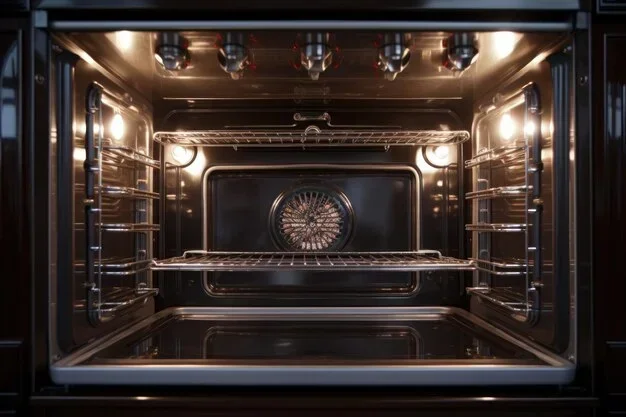
How To Use The Oven Clean Function For Sparkling Results
Using your oven clean function is the easiest way to keep your kitchen sparkling without harsh chemicals. This guide walks you through every step of the oven clean function process, from preparation to post-cleaning care. You will learn how self-cleaning cycles work, what to expect, and how to maintain your oven between deep cleans.
Your oven works hard every day. It bakes your favorite meals, roasts Sunday dinners, and handles everything in between. Over time, grease splatter and food residue build up on the oven interior. This can affect how your food cooks and even create unpleasant odors. The good news is that most modern ovens come with a built-in oven clean function designed to handle the tough work for you.
Whether you have a pyrolytic self-cleaning oven or a steam-clean model, understanding how to use the oven clean function properly makes all the difference. You will get better results, save time, and keep your oven running efficiently for years. This guide covers everything you need to know, step by step, in plain and simple language.
Key Takeaways
- Know your oven type: Pyrolytic and steam clean functions work differently, and understanding yours is the first step.
- Preparation is key: Removing racks and wiping loose debris before starting saves time and improves results.
- Safety always comes first: Ventilate your kitchen, keep pets away, and never open the door during a pyrolytic cycle.
- Post-cleaning care matters: Wiping away ash residue and reinserting clean racks extends your oven’s lifespan.
- Regular maintenance reduces buildup: A quick wipe after each use makes future clean cycles faster and more effective.
- Steam cleaning is gentler: It uses lower temperatures and less energy, making it ideal for light to moderate grime.
- Avoid common mistakes: Using chemical cleaners during a self-clean cycle or neglecting ventilation can cause damage or smoke.
📑 Table of Contents
- What Is The Oven Clean Function?
- How To Prepare Your Oven Before Starting The Clean Function
- How To Use The Oven Clean Function Step By Step
- What To Expect During The Clean Cycle
- Pyrolytic Vs Steam Clean: Which Is Better For You?
- Common Mistakes To Avoid When Using The Oven Clean Function
- How To Maintain Your Oven Between Clean Cycles
- Safety Tips For Using The Oven Clean Function
- What To Do If The Oven Clean Function Is Not Working
- Frequently Asked Questions
- Conclusion
What Is The Oven Clean Function?
The oven clean function is a built-in feature that uses high heat or steam to break down baked-on grease and food residue inside your oven. Instead of scrubbing and using harsh chemical cleaners, you simply start the cycle and let the oven do the work. Most ovens have one of two types of self-cleaning systems.
Pyrolytic Cleaning
Pyrolytic cleaning uses very high temperatures, usually between 800 and 1000 degrees Fahrenheit. At this heat, food residue and grease turn into ash. After the cycle finishes, you simply wipe away the ash with a damp cloth. This method is thorough and requires no chemical products at all.
Steam Cleaning
Steam cleaning uses lower temperatures and water to loosen grime. It is faster and uses less energy than pyrolytic cleaning. Steam cleaning works best for light to moderate buildup. It is not as powerful as pyrolytic cleaning but is great for regular maintenance between deep cleans.
How To Prepare Your Oven Before Starting The Clean Function
Preparation is the most important step. Skipping it can lead to uneven results or even damage. Take a few minutes before starting the oven clean function to set things up properly.
Step 1: Remove The Oven Racks
Take out all oven racks, trays, and any removable parts. The oven clean function is designed for the oven cavity only. Racks can warp or discolor at extreme temperatures. Wash them separately by hand or in the sink with warm soapy water.
Step 2: Clear Loose Debris
Use a damp cloth to wipe away any loose crumbs or food particles from the bottom of the oven. This prevents excessive smoke during the cleaning cycle. A quick wipe takes less than a minute but makes a big difference.
Step 3: Check For Large Spills
If you see large baked-on spills, scrape them gently with a wooden spatula. Avoid using metal tools that could scratch the oven interior. Removing large chunks of food helps the oven clean function work more efficiently.
Step 4: Ventilate Your Kitchen
Open windows and turn on your range hood or exhaust fan. Self-cleaning cycles produce smoke and odors as food residue burns off. Good ventilation keeps your kitchen comfortable and prevents smoke alarms from going off.
How To Use The Oven Clean Function Step By Step
Now that your oven is prepped, it is time to start the cleaning cycle. Follow these steps carefully for the best results.
Step 1: Consult Your Owner Manual
Every oven model is slightly different. Your owner manual will have specific instructions for the oven clean function. It will tell you which button to press, how long the cycle lasts, and any safety warnings. If you do not have the manual, check the manufacturer website for a digital copy.
Step 2: Lock The Oven Door
Most self-cleaning ovens lock automatically during the cycle. This is a safety feature. The door stays locked until the interior cools down to a safe temperature. If your oven does not lock automatically, refer to the manual for the locking mechanism.
Step 3: Select The Clean Cycle
Turn the oven control to the self-clean or steam-clean setting. Choose the cycle length based on how dirty your oven is. Most pyrolytic cycles run between two and four hours. Steam cycles usually take about 20 to 30 minutes.
Step 4: Start The Cycle And Walk Away
Press start and leave the kitchen. The oven clean function generates a lot of heat and smoke during the process. Do not open the door while the cycle is running. Let the oven complete the full cycle on its own.
Step 5: Wait For The Oven To Cool
Once the cycle ends, the oven will begin to cool down. The door will unlock automatically when it reaches a safe temperature. This can take one to two hours. Do not try to force the door open. Patience here keeps you safe.
Step 6: Wipe Away The Residue
After the oven cools, open the door and wipe away the ash or loosened grime with a damp microfiber cloth. For pyrolytic cleaning, the residue is powdery and easy to remove. For steam cleaning, you may need to wipe the interior a few times to remove all the softened grime.
What To Expect During The Clean Cycle
Understanding what happens during the oven clean function helps you feel confident and prepared. Here is a breakdown of what to expect.
During a pyrolytic cycle, the oven temperature rises very quickly. You may see smoke and smell a slight burning odor. This is completely normal. The smell comes from food residue being incinerated at high heat. The smoke may last for the first 30 to 60 minutes of the cycle.
Some ovens produce a small amount of smoke toward the end of the cycle as well. This happens when the last bits of grease are being burned off. Keeping your kitchen ventilated helps manage this.
For steam cleaning, you will hear some gentle bubbling or hissing sounds. There is very little smoke and almost no odor. This makes steam cleaning a much quieter and more pleasant experience.
Pyrolytic Vs Steam Clean: Which Is Better For You?
Not sure which oven clean function is right for your needs? Here is a detailed comparison to help you decide.
| Feature | Pyrolytic Clean | Steam Clean |
|---|---|---|
| Temperature | 800-1000 degrees F | 200-250 degrees F |
| Cycle Duration | 2-4 hours | 20-30 minutes |
| Best For | Heavy baked-on grease and grime | Light to moderate buildup |
| Energy Use | High | Low |
| Smoke Production | Moderate to heavy | Very little |
| Odor | Burning smell during cycle | Minimal to none |
| Manual Effort After | Wipe ash residue | Wipe loosened grime |
| Chemical Cleaners Needed? | No | No |
| Frequency Recommended | Every 4-6 months | Every 2-4 weeks |
Pyrolytic cleaning is the most thorough option. It handles heavy buildup without any effort from you. However, it uses a lot of energy and produces more smoke. Steam cleaning is faster, gentler, and more energy-efficient. It works best as a regular maintenance tool rather than a deep clean solution.
Many oven owners use both methods. They run a steam cycle every few weeks for light cleaning and a pyrolytic cycle every few months for a deep clean. This combination keeps the oven interior in excellent condition year-round.
Common Mistakes To Avoid When Using The Oven Clean Function
Even with the best intentions, mistakes can happen. Here are the most common errors people make when using the oven clean function and how to avoid them.
Using Chemical Cleaners During A Self-Clean Cycle
Never use oven cleaner sprays or chemical solutions inside the oven during a self-clean cycle. The high heat causes these chemicals to produce toxic fumes. This is dangerous for your health and can damage the oven’s interior. The oven clean function is designed to work without any chemical products.
Forgetting To Remove Racks
This is one of the most common mistakes. Leaving racks inside during a pyrolytic cycle can cause them to warp, discolor, or become brittle. Always remove all removable parts before starting the oven clean function.
Opening The Door During A Pyrolytic Cycle
Opening the door releases extreme heat and can cause burns. It can also interrupt the cleaning process and extend the cycle time. Trust the process and let the oven complete the cycle on its own.
Skipping Ventilation
Without proper ventilation, smoke can set off your smoke detectors and fill your home with odors. Always open windows and turn on the exhaust fan before starting the oven clean function.
Starting The Cycle With A Completely Empty Oven
Some people think an empty oven cleans better. In reality, a small amount of food residue helps the pyrolytic process work correctly. An absolutely spotless oven does not need a clean cycle and running one wastes energy unnecessarily.
How To Maintain Your Oven Between Clean Cycles
The best way to make the oven clean function work effectively is to maintain your oven between deep cleans. A little regular care goes a long way.
Wipe Spills Immediately
When food or grease spills inside your oven, wipe it up as soon as the oven cools down. Letting spills sit and bake on makes future cleaning much harder. A quick wipe after each use keeps buildup under control.
Use Oven Liners
Oven liners are inexpensive and very effective. Place one on the bottom of the oven to catch drips and spills. When the liner gets dirty, simply replace it or wash it. This simple step reduces the need for frequent oven clean function cycles.
Cover Food While Cooking
Use foil or a lid to cover dishes that tend to splatter. This prevents grease from reaching the oven walls and ceiling. Less splatter means less cleaning later.
Run A Quick Steam Clean Monthly
Even if your oven does not look very dirty, run a quick steam cycle once a month. This prevents grease from building up and hardening. A monthly steam clean keeps the oven interior fresh and makes deep cleans much faster.
Safety Tips For Using The Oven Clean Function
Safety should always come first when using the oven clean function. The high temperatures involved can pose risks if you are not careful.
- Keep children and pets away from the oven during the cleaning cycle. The exterior can get very hot.
- Never force the oven door open while the oven is still hot. Wait for the lock to release naturally.
- Wear oven mitts when wiping the interior after the cycle. Residual heat can still be present.
- Check the door seal before starting a cycle. A damaged seal can let heat escape and reduce cleaning effectiveness.
- Do not leave the house during a pyrolytic cycle if you are concerned about smoke. Stay nearby and monitor the process.
Following these safety tips ensures that using the oven clean function is a simple and worry-free experience. You protect yourself, your family, and your appliance at the same time.
What To Do If The Oven Clean Function Is Not Working
Sometimes the oven clean function may not start or may stop mid-cycle. Before calling a repair technician, try these troubleshooting steps.
- Check the door latch. The oven will not start a self-clean cycle if the door is not fully closed and latched. Make sure the door locks securely.
- Verify the control settings. Ensure you have selected the correct self-clean or steam-clean mode. Sometimes the wrong setting is accidentally chosen.
- Check the circuit breaker. A tripped breaker can cut power to the oven. Reset the breaker and try again.
- Look for error codes. Many modern ovens display error codes on the control panel when something is wrong. Refer to the manual to interpret the code.
- Allow the oven to cool. If the oven was recently used for cooking, it may not start the oven clean function until it cools to a safe temperature.
If none of these steps solve the problem, contact your oven manufacturer or a qualified technician. Do not attempt to repair the heating elements or control board yourself.
Frequently Asked Questions
How long does the oven clean function take?
A pyrolytic oven clean function typically takes between two and four hours depending on how dirty the oven is. Steam cleaning cycles are much shorter, usually lasting 20 to 30 minutes. Always refer to your owner manual for the exact timing for your specific oven model.
Is it safe to use the oven clean function with food inside?
No, never start the oven clean function with food inside the oven. The extreme heat will destroy the food and could create smoke, odors, or even a fire hazard. Always remove all food, racks, and trays before starting any cleaning cycle.
Can I use oven cleaner spray instead of the self-clean function?
You can use oven cleaner spray for manual cleaning, but never during a self-clean cycle. Chemical cleaners produce toxic fumes when exposed to high heat. The oven clean function is designed to work without any additional cleaning products, making it safer and more convenient.
Why does my oven smell bad during the clean cycle?
The burning smell during a pyrolytic cycle is completely normal. It comes from food residue and grease being incinerated at very high temperatures. Ventilating your kitchen with open windows and an exhaust fan helps reduce the smell significantly.
How often should I use the oven clean function?
Most households benefit from using the oven clean function every four to six months for pyrolytic cleaning. For steam cleaning, a monthly cycle works well for maintenance. If you cook frequently or notice heavy buildup, you may need to clean more often.
What do I do with the ash after a pyrolytic cleaning cycle?
After the oven cools completely, simply wipe the ash away with a damp microfiber cloth. The ash is non-toxic and can be disposed of in your regular household trash. Avoid using harsh scrubbers on the oven interior, as this can damage the protective coating.
Conclusion
Using the oven clean function is one of the simplest and most effective ways to keep your oven in top condition. It saves you from scrubbing, eliminates the need for harsh chemicals, and delivers sparkling results with minimal effort. By following the steps in this guide, you will get the most out of every cleaning cycle.
Remember to prepare your oven properly, choose the right cycle for your needs, and always prioritize safety. Regular maintenance between deep cleans makes the oven clean function even more effective and extends the life of your appliance. Whether you prefer pyrolytic cleaning for tough jobs or steam cleaning for quick maintenance, your oven has everything it needs to stay clean and fresh.
Start using the oven clean function today and enjoy a sparkling oven every time you open the door. Your future self will thank you the next time you bake a perfect meal with no grease or odors getting in the way.