How To Make Spanish Coffee Drink
Making a Spanish coffee drink at home is easier than you think. This guide walks you through the traditional recipe, ingredients, and techniques to brew an authentic cup. You will learn how to make Spanish coffee the right way, explore popular variations, and avoid common mistakes. Whether you are a coffee lover or a curious beginner, this step-by-step tutorial will help you create a rich, sweet, and satisfying Spanish coffee drink in your own kitchen.
There is something truly special about a Spanish coffee drink that sets it apart from your everyday cup of joe. Rich, sweet, and full of bold flavor, Spanish coffee has been a beloved tradition for centuries. People across Spain start their mornings and end their evenings with this iconic beverage. It is more than just a drink. It is a ritual, a social experience, and a true taste of Spanish culture.
If you have ever wondered how to make Spanish coffee at home, you are in the right place. This guide breaks down everything you need to know. From the essential ingredients to the step-by-step brewing process, you will find all the details you need. We will also explore popular variations, share pro tips, and dive into the fascinating history behind this classic drink. By the end, you will feel confident brewing a perfect Spanish coffee drink every single time.
What makes Spanish coffee drink recipes so appealing is their simplicity. You do not need expensive gear or hard-to-find beans. A few quality ingredients and a little patience are all it takes. Whether you prefer your coffee strong and straight or creamy and sweet, there is a Spanish style for you. Let us get started and bring this delicious tradition into your kitchen.
Key Takeaways
- Authentic Recipe: You will master the traditional Spanish coffee drink recipe with simple ingredients you likely already have at home.
- Easy Steps: The process is straightforward and does not require fancy equipment or advanced brewing skills.
- Multiple Variations: Discover popular Spanish coffee variations like café con leche, cortado, and carajillo to suit every taste.
- Pro Tips Included: Expert tips help you get the perfect balance of sweetness, strength, and creaminess every time.
- Cultural Context: Learn about the rich history and culture behind Spanish coffee traditions and how they shape the drink we know today.
📑 Table of Contents
What Is a Spanish Coffee Drink?
A Spanish coffee drink refers to a range of coffee beverages that originate from Spain. Unlike the drip coffee many people are used to, Spanish coffee often involves brewing methods that create a richer, more concentrated flavor. The drinks are typically sweetened with sugar during the brewing process, which gives them a unique caramel-like depth.
In Spain, coffee is not just a beverage. It is a way of life. People gather at cafés throughout the day to enjoy their favorite cups. The culture around coffee in Spain is deeply rooted in social habits and daily routines. Understanding this background helps you appreciate the drink even more when you make it at home.
Key Characteristics of Spanish Coffee
Several things set Spanish coffee drink recipes apart from other coffee styles. First, the brewing method matters a lot. Traditional Spanish coffee is often made using an espresso machine or a stovetop moka pot. This creates a strong, concentrated base that forms the foundation of most Spanish coffee drinks.
Second, sugar plays a starring role. In many Spanish coffee recipes, sugar is added directly to the brewing process. This creates a caramelized sugar layer at the bottom of the cup, known as “sugar quemado” or burnt sugar. This technique adds a distinctive sweetness and depth that you will not find in regular brewed coffee.
Third, the milk component varies depending on the specific drink. Some Spanish coffees are served black, while others include steamed milk or condensed milk. This flexibility is part of what makes Spanish coffee drink culture so diverse and enjoyable.
Ingredients You Will Need
Making a great Spanish coffee drink starts with the right ingredients. The good news is that you probably already have most of them in your pantry. Here is what you need to get started.
Essential Ingredients
- Freshly Roasted Coffee Beans: Use a medium to dark roast for the most authentic flavor. Freshly ground beans make a huge difference in taste.
- Granulated Sugar: Traditional Spanish coffee uses regular white sugar. Some recipes call for brown sugar for a deeper flavor.
- Hot Water: Clean, filtered hot water helps extract the best flavors from your coffee grounds.
- Milk: Whole milk works best for creamy drinks. Some variations use condensed milk or evaporated milk for extra richness.
- Optional Flavorings: Cinnamon sticks, lemon peel, or even a splash of liqueur can elevate your drink.
Equipment You Will Need
You do not need a lot of fancy equipment to make a Spanish coffee drink at home. A stovetop moka pot is the most traditional choice. It brews coffee at a higher pressure than drip machines, creating a rich and bold concentrate. If you do not have a moka pot, an espresso machine works perfectly too.
A small saucepan is helpful for caramelizing the sugar. You will also need a heat-resistant cup or glass, a spoon for stirring, and a milk frother if you want a creamy texture. For those who enjoy coffee drink recipes with a twist, a lemon peeler or cinnamon stick adds a lovely aromatic touch.
One thing to keep in mind is the quality of your water. Since coffee is mostly water, using filtered water ensures a cleaner, better-tasting result. Avoid distilled water, as it can make your coffee taste flat. Good water makes a real difference in the final cup.
Step-by-Step Spanish Coffee Recipe
Now that you have your ingredients and equipment ready, let us walk through the process of making a traditional Spanish coffee drink. Follow these steps carefully, and you will be rewarded with a cup that tastes authentic and delicious.
Step 1: Prepare Your Coffee
Start by grinding your coffee beans to a fine consistency, similar to what you would use for espresso. If you already have pre-ground coffee, that works too, but freshly ground beans will give you the best flavor. Measure out about two tablespoons of coffee grounds for each cup you plan to make.
Next, fill the bottom chamber of your moka pot with hot water up to the valve. Add the coffee grounds to the filter basket, leveling them off without packing them too tightly. Screw the top chamber back on tightly and place the pot on the stove over medium heat.
Step 2: Caramelize the Sugar
This is the step that makes Spanish coffee drink truly special. While your coffee is brewing, take a small saucepan and add about one tablespoon of sugar per cup. Place it over low heat and stir gently with a spoon. Watch the sugar carefully as it melts and turns into a golden amber liquid.
Do not stir too much or the sugar will crystallize again. Just let it sit and watch it transform. Once the sugar reaches a deep amber color, remove it from the heat immediately. This caramel will add a rich, sweet flavor that is signature to Spanish coffee culture.
Step 3: Combine and Serve
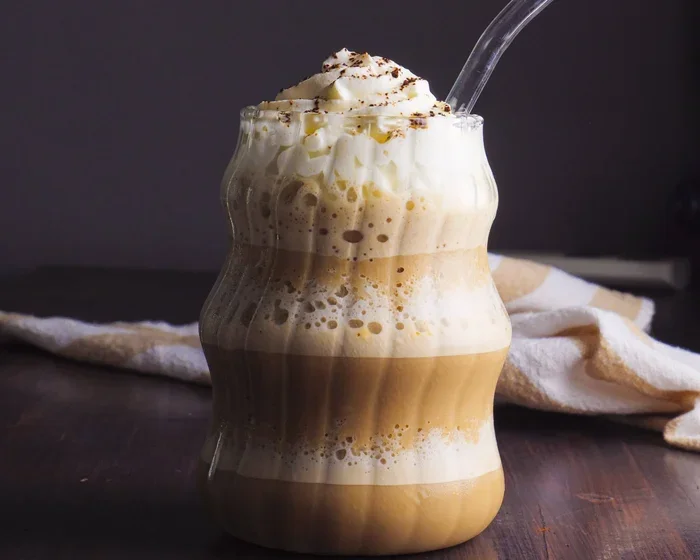
Once your coffee is ready and your caramel is prepared, it is time to bring everything together. Pour the hot caramel into your serving cup first. Then slowly add the freshly brewed coffee on top. Stir gently to combine the caramel and coffee. The result is a beautifully layered drink with a sweet, caramelized base.
If you are making a milk-based variation, now is the time to add steamed or frothed milk. Pour the milk slowly over the back of a spoon to create a nice layer. For an extra touch, sprinkle a pinch of cinnamon on top. Serve immediately while the drink is hot and enjoy every sip of your homemade Spanish coffee drink.
Popular Spanish Coffee Variations
Spain has a wonderful variety of coffee drinks, each with its own unique character. Once you master the basic Spanish coffee drink recipe, you can explore these popular variations. Each one offers a different experience and suits different tastes.
Café Solo
The café solo is the simplest and most traditional form of Spanish coffee. It is essentially a shot of strong, black espresso served in a small cup. No milk, no sugar unless you add it yourself. This drink is all about the pure, intense flavor of the coffee. Many Spaniards drink café solos throughout the day, often after meals. It is quick, strong, and satisfying.
Café Con Leche
Café con leche translates to “coffee with milk,” and it is one of the most popular drinks in Spain. This Spanish coffee drink combines equal parts of strong brewed coffee and steamed milk. The result is a creamy, balanced cup that is perfect for breakfast. Some people prefer to add sugar to the coffee before mixing in the milk, which creates a sweeter, more indulgent drink.
Cortado
The cortado is a smaller drink that balances espresso with a small amount of warm milk. The word “cortado” means “cut,” which refers to cutting the intensity of the espresso with milk. This drink is popular in the afternoon when people want a quick pick-me-up without the heaviness of a full café con leche. It is strong but smooth, making it a favorite among coffee purists.
Carajillo
The carajillo is a fun and spirited variation that adds a splash of liqueur to your coffee. Common choices include brandy, rum, or even coffee liqueur. This drink is especially popular in the evenings and is often enjoyed as a digestif after dinner. Making a carajillo is easy: brew your espresso, add a shot of your favorite liqueur, and stir. The combination of bold coffee and smooth liquor creates a drink that is hard to resist.
Tips for the Perfect Spanish Coffee Drink
Brewing a great Spanish coffee drink takes a little practice, but these tips will help you get excellent results from the start. Keep these pointers in mind as you experiment in your kitchen.
Use Quality Coffee Beans
The foundation of any great coffee drink is the beans themselves. Choose a high-quality medium to dark roast for the most authentic Spanish flavor. Freshly roasted beans make a noticeable difference in taste and aroma. Store your beans in an airtight container away from light and heat to keep them fresh longer.
Control Your Heat
When caramelizing sugar, low and slow is the way to go. High heat will burn the sugar quickly and create a bitter taste. Keep the flame low and watch the sugar closely. It should turn from white to golden to amber in a smooth, gradual process. If the sugar starts smoking, remove it from the heat immediately.
Experiment with Sweetness
Spanish coffee is traditionally sweeter than most coffee drinks, but you can adjust the sugar level to your liking. Start with less sugar and add more gradually until you find your perfect balance. Some people prefer a light sweetness, while others enjoy a very sweet cup. There is no wrong answer here.
Keep It Hot
Spanish coffee is best enjoyed hot and fresh. If you are making multiple cups, preheat your serving cups with hot water before brewing. This keeps your Spanish coffee drink at the perfect temperature for longer. If you need to keep coffee warm for a bit, you can use a thermal carafe or a small insulated container. The key is to serve it while it is still hot and aromatic.
Try Different Milk Options
Do not be afraid to experiment with different types of milk. Oat milk, almond milk, and coconut milk all work well in Spanish coffee drinks and add their own unique flavors. If you use condensed milk, you will get a sweeter, richer drink that is very popular in some regions of Spain. Each milk option changes the character of the drink, so find what you love best.
Common Mistakes to Avoid
Even experienced home baristas can make mistakes when trying a new Spanish coffee drink recipe. Here are some common pitfalls and how to avoid them.
- Using Stale Coffee Beans: Old beans lose their flavor and aroma. Always check the roast date and use beans within a few weeks of opening the bag.
- Burning the Sugar: This is the most common mistake. Burnt sugar tastes bitter and ruins the drink. Keep the heat low and stay attentive.
- Skipping the Preheating Step: Cold cups can quickly cool down your coffee. Always preheat your cups for the best experience.
- Using Too Much Milk: A Spanish coffee drink should have a good balance of coffee and milk. Too much milk dilutes the bold flavor.
- Not Stirring the Caramel Properly: Make sure the caramel is fully dissolved before adding the coffee. Undissolved sugar can create an uneven sweetness.
Another mistake people make is rushing the process. Making Spanish coffee is not like pressing a button on a machine. It is a craft that rewards patience and attention to detail. Take your time, enjoy the process, and savor the results.
Spanish Coffee Culture and History
The tradition of coffee in Spain has deep roots that stretch back centuries. Coffee first arrived in Spain in the 18th century through trade routes from the Middle East and North Africa. Over time, the Spanish developed their own unique way of preparing and enjoying coffee, which was influenced by their love of sweet flavors and social gatherings.
Today, the Spanish coffee drink culture is vibrant and alive. Cafés, known as “cafeterías,” can be found on nearly every street corner in Spain. People gather at these cafés to chat, read, people-watch, and of course, enjoy their coffee. The café culture in Spain is a social experience that goes far beyond just drinking a beverage.
One interesting aspect of Spanish coffee culture is the concept of “tapas” and coffee. In many parts of Spain, it is common to order a small snack alongside your coffee. This pairing creates a balanced and enjoyable break during the day. The combination of a sweet pastry or savory tapa with a rich Spanish coffee drink is something truly special.
If you are interested in learning more about traditional coffee preparation methods, you might enjoy exploring how different cultures approach coffee making. Understanding the broader context of coffee traditions around the world can deepen your appreciation for the Spanish style. Some traditional methods involve clay vessels and slow brewing techniques that have been passed down through generations.
Frequently Asked Questions
What makes Spanish coffee different from regular coffee?
The main difference is the caramelization of sugar during the brewing process. Spanish coffee drink recipes typically involve creating a burnt sugar base that gives the coffee a unique sweetness and depth. The brewing method also tends to produce a stronger, more concentrated cup compared to standard drip coffee.
Can I make Spanish coffee without a moka pot?
Yes, you absolutely can. While a moka pot is the most traditional tool, you can use an espresso machine or even a French press as a substitute. The key is to get a strong, concentrated coffee base that pairs well with the caramelized sugar. An espresso machine will give you the closest result to authentic Spanish coffee.
Is Spanish coffee very sweet?
Traditional Spanish coffee drink recipes do include a significant amount of sugar, but you can adjust the sweetness to your preference. Start with less sugar and increase gradually until you find the level that suits your taste. Some variations use condensed milk, which adds natural sweetness without extra sugar.
What is the best time of day to drink Spanish coffee?
Spaniards enjoy coffee throughout the day, but it is especially popular in the morning and after meals. A café solo or cortado is common after lunch or dinner as a digestive aid. However, you can enjoy your Spanish coffee drink whenever you like. There are no strict rules about timing.
Can I make Spanish coffee iced?
Absolutely. Iced Spanish coffee is a refreshing twist on the traditional hot version. Brew your coffee as usual, caramelize the sugar, and let the coffee cool. Pour it over ice and add cold milk if desired. It is a great way to enjoy this rich drink during the warmer months.
What type of coffee beans work best for Spanish coffee?
A medium to dark roast works best for Spanish coffee drink recipes. These roasts bring out the bold, rich flavors that pair well with caramelized sugar. Arabica beans are often preferred for their smooth and complex flavor profile, but blends can also work well depending on your personal taste.
Conclusion
Making a Spanish coffee drink at home is a rewarding experience that brings a taste of Spain right into your kitchen. From the simple beauty of a café solo to the creamy richness of a café con leche, there is a Spanish coffee style for everyone. The process is easy to follow, the ingredients are simple, and the results are absolutely delicious.
Remember that the secret to a great Spanish coffee drink lies in the details. Take your time with the caramelization, use quality beans, and enjoy the ritual of making something special. Each cup you brew will bring you closer to the rich coffee culture of Spain. So grab your moka pot, gather your ingredients, and start brewing. Your perfect cup of Spanish coffee is just a few steps away.
Once you have mastered the basic recipe, feel free to get creative. Try new variations, experiment with different milks, and add your own personal touches. The beauty of Spanish coffee drink culture is that it welcomes creativity while honoring tradition. Enjoy every sip and share your creations with friends and family. ¡Buen provecho!