Can You Brew Expired Coffee And Still Drink It Safely
You can brew expired coffee in most cases, but the taste and aroma will suffer significantly. While drinking brewed coffee past its expiration date is generally safe if stored properly, the quality drops fast. This guide covers everything you need to know about brewing expired coffee, including safety risks, storage best practices, and how to tell if your beans or grounds have gone bad.
You open the pantry and spot that bag of coffee grounds sitting in the back. The date on the label has passed. You wonder, can you brew expired coffee and still drink it safely? This question comes up more often than you might think, especially with coffee lovers who like to buy in bulk or forget about that half-used bag on the shelf.
The short answer is yes, in most cases you can brew expired coffee without any real health risk. But the longer answer is much more interesting. The taste, aroma, and overall quality of your cup will take a serious hit. Expired coffee does not mean dangerous coffee in most situations. It just means less enjoyable coffee. Let us dig into the details of what happens when coffee ages, how to tell if it is still good, and what you can do to get the best cup possible from beans or grounds that have seen better days.
Key Takeaways
- Expired coffee is usually safe to drink: The expiration date is more about quality than safety in most cases.
- Stale coffee tastes flat and bitter: Oxidation kills the flavors and aromas you love in fresh brews.
- Proper storage extends coffee life: Keeping beans or grounds in airtight containers away from heat and moisture makes a big difference.
- Watch for mold and rancid smells: These are clear signs your coffee has gone bad and should be thrown out.
- Expired coffee still has uses: It works great as a deodorizer, meat rub, or garden amendment.
- Brewing methods matter for stale coffee: Some methods mask the dull taste of old grounds better than others.
📑 Table of Contents
- What Happens When Coffee Expires?
- Is It Safe to Brew Expired Coffee?
- How to Tell If Your Coffee Has Gone Bad
- The Best Way to Store Coffee for Maximum Freshness
- Can You Use Expired Coffee for Anything Else?
- How Brewing Method Affects Stale Coffee
- Common Mistakes People Make with Expired Coffee
- Expert Insights on Coffee Freshness and Safety
- Final Thoughts on Brewing Expired Coffee
What Happens When Coffee Expires?
Coffee is a dried product. That means it does not spoil the way milk or meat does. When coffee reaches its expiration date, the main changes are chemical and sensory, not bacterial. The oils in the beans or grounds start to break down through a process called oxidation. This is the same thing that makes olive oil go rancid over time.
The Science Behind Coffee Aging
Once coffee is roasted, it begins to lose its volatile compounds. These are the aromatic molecules that give coffee its rich smell and complex flavor profile. Within two weeks of roasting, coffee loses a significant amount of its freshness. By the time the expiration date rolls around, much of the flavor has already faded.
Oxidation also causes the natural oils in coffee to turn rancid. This is what gives old coffee that musty, cardboard-like smell. The process accelerates when coffee is exposed to air, moisture, heat, or light. This is why proper coffee storage matters so much.
Does Coffee Actually Expire?
Here is the truth about expiration dates on coffee. Most coffee labels use a “best by” or “use by” date. These dates are about peak quality, not safety. Coffee does not become toxic after that date. It just becomes less flavorful and less enjoyable to drink. The coffee shelf life depends heavily on how the coffee is stored and whether it is whole beans or pre-ground.
- Whole bean coffee: Lasts 6 to 9 months past the printed date when stored properly.
- Ground coffee: Lasts 3 to 5 months past the printed date.
- Brewed coffee: Lasts only 3 to 4 days in the fridge.
- Instant coffee: Can last 2 to 20 years past the date if kept dry.
Is It Safe to Brew Expired Coffee?
This is the big question most people want answered. The good news is that drinking coffee past its expiration date is generally safe. You are not going to get sick from brewing a cup of expired coffee in most situations. The water you use for brewing is heated to a high temperature, which kills most harmful bacteria.
When Expired Coffee Becomes Unsafe
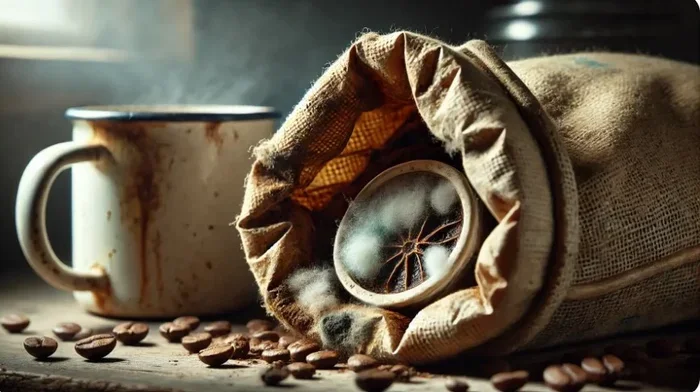
There are, however, situations where old coffee can actually be harmful. The biggest risk comes from mold. If moisture has gotten into your coffee container or bag, mold can grow on the grounds or beans. Moldy coffee should never be brewed or consumed. Ingesting mold can cause digestive issues, allergic reactions, and other health problems.
Another concern is rancidity. The oxidized oils in very old coffee can cause stomach upset in sensitive individuals. If your coffee smells like crayons, putty, or something flat and unpleasant, the oils have likely gone bad. In this case, it is best to toss the coffee and start fresh.
How Long Can You Safely Drink Coffee After the Expiration Date?
For dry, unopened coffee stored in a cool, dark place, the safety window is quite generous. Whole beans can remain safe for well over a year past the printed date. Ground coffee stays safe for several months beyond the date. The key factor is storage conditions. If the package has been opened and the coffee has been sitting in a humid kitchen, the timeline shortens considerably.
If you use a coffee maker or any brewing device, the cleanliness of that device also matters. Old coffee oils can build up inside your machine and go rancid over time. Regular cleaning of your equipment helps ensure that every cup you brew tastes fresh and safe.
How to Tell If Your Coffee Has Gone Bad
Your senses are the best tools for checking whether coffee is still good. You do not need a lab test or a fancy gadget. Just use your eyes, nose, and taste buds. Here is a simple guide to evaluating expired coffee before you brew it.
Check the Smell First
Fresh coffee has a strong, inviting aroma. It smells rich, earthy, and sometimes fruity or chocolatey depending on the roast. When coffee goes bad, the smell changes dramatically. Old coffee loses its fragrance and starts to smell flat, dusty, or musty. If you open the bag or container and the smell makes you wrinkle your nose, trust that instinct.
A rancid smell is a clear red flag. Rancid coffee smells like old cooking oil or vinaigrette that has been sitting out too long. This means the fats in the coffee have oxidized and broken down. Brewing rancid coffee will not make you seriously ill, but it can cause stomach discomfort and the taste will be awful.
Look at the Appearance
Check the color and texture of your coffee grounds or beans. Fresh ground coffee has a rich, dark brown color with a slightly oily sheen on darker roasts. Expired coffee often looks dull and dry. The color fades to a lighter brown or grayish tone. You might also notice clumping if moisture has gotten into the package.
For whole beans, look for any visible signs of mold. White, green, or black fuzzy spots mean the coffee is contaminated and should be discarded immediately. Do not try to scrape off the mold and use the rest. The roots of mold threads can penetrate deep into the bean.
Taste Test: The Final Check
If the smell and appearance pass your inspection, brew a small test cup. Take a sip and pay attention to the flavor. Fresh coffee should have a balanced taste with pleasant acidity and a smooth finish. Stale or expired coffee tastes flat, hollow, or overly bitter. It might also have a sour or ashy quality that is very unpleasant.
Even if the coffee is technically safe to drink, if it tastes terrible, there is no reason to force yourself. The whole point of coffee is to enjoy it. Toss the bad batch and grab a fresh bag. Your taste buds will thank you.
The Best Way to Store Coffee for Maximum Freshness
Prevention is always better than cure. If you want to avoid ending up with a bag of expired coffee that has lost its charm, proper storage is essential. The goal is to slow down the oxidation process and protect the coffee from moisture, heat, and light.
Storage Tips for Whole Bean Coffee
- Use an airtight container: A sealed container with a one-way valve is ideal. It lets carbon dioxide escape without letting oxygen in.
- Keep it in a cool, dark place: Your pantry or cupboard away from the stove works perfectly. Avoid the fridge or freezer unless you are storing coffee long-term, as moisture can be a problem.
- Buy whole beans and grind just before brewing: Whole beans stay fresh much longer than pre-ground coffee. Grinding exposes more surface area to oxygen, which speeds up flavor loss.
- Do not store coffee in the original bag long-term: Most coffee bags are not fully airtight. Transfer to a proper container after opening.
Storage Tips for Ground Coffee
Ground coffee has a much shorter window of freshness. Once you grind the beans, the oxidation process speeds up dramatically. Try to only grind what you need for each brew. If you must store pre-ground coffee, seal it tightly and use it within a few weeks of opening.
If you are someone who drinks a lot of coffee daily, consider buying smaller bags more frequently rather than large bulk quantities. This ensures you always have fresh, flavorful coffee. Buying in bulk only makes sense if you have a way to store it properly over a long period.
Can You Freeze Coffee?
Freezing coffee is a topic of debate among coffee enthusiasts. Some swear by it for long-term storage, while others say it damages the flavor. The truth is, you can freeze coffee if you do it right. The key is to use an airtight, moisture-proof container. Portion the coffee out before freezing so you do not keep opening the container and introducing moisture each time.
Thaw frozen coffee at room temperature before opening the container. Opening it while cold can cause condensation, which introduces moisture and ruins the quality. For best results, use frozen coffee within a few months.
Can You Use Expired Coffee for Anything Else?
If you discover that your coffee has gone stale or expired but is not moldy, do not throw it in the trash just yet. Old coffee still has several practical uses around the house and garden. Think of it as repurposing instead of wasting.
Natural Deodorizer
Coffee is excellent at absorbing odors. Place a small bowl of stale coffee grounds in your fridge, freezer, or near your trash can. They will neutralize unpleasant smells naturally. This is a fantastic eco-friendly alternative to chemical air fresheners. You can also rub dried coffee grounds on your hands after handling garlic or fish to remove the lingering smell.
Garden and Compost Helper
Expired coffee grounds make a great addition to your compost pile or garden. They add nitrogen and organic matter to the soil. Many gardeners swear by using coffee grounds as a natural fertilizer for acid-loving plants like tomatoes, roses, and blueberries. Just sprinkle them lightly and mix them into the soil. Too much at once can make the soil too acidic.
DIY Scrub and Beauty Uses
Old coffee grounds can be used as a natural exfoliating scrub for your skin. Mix them with a little coconut oil or olive oil and gently massage onto your face or hands. The fine particles help remove dead skin cells and leave your skin feeling soft. Some people also use coffee grounds as a natural dye for fabric or paper for craft projects.
How Brewing Method Affects Stale Coffee
Not all brewing methods treat old coffee the same way. Some methods are more forgiving of stale grounds than others. If you find yourself with expired coffee and want to make the best of it, choosing the right method can save your cup.
Methods That Mask Stale Flavors
Espresso and French press brewing extract more oils and flavors from the grounds, which can help mask some of the dullness in old coffee. If you have a coffee maker that brews at a higher temperature, it may also pull out more flavor from stale grounds. Adding milk, cream, sugar, or flavored syrups can also help cover up the flat taste of expired coffee.
Methods That Make Stale Coffee Worse
Cold brew and pour-over methods tend to highlight the flaws in stale coffee. These methods rely on the natural flavors of the grounds more heavily, so any loss of freshness becomes very noticeable. If your coffee is clearly past its prime, avoid these methods and opt for something more forgiving.
Many people use their coffee maker daily without thinking about the quality of the beans or grounds they are using. But the brewing method you choose really does matter when working with older coffee. A strong, milky latte can hide a lot of staleness that a black pour-over will expose immediately.
Common Mistakes People Make with Expired Coffee
There are a few habits that make the problem of expired coffee worse or lead people to make unsafe choices. Being aware of these mistakes can save you from a bad cup or even a health issue.
- Ignoring the smell before brewing: Always smell your coffee first. If it smells off, do not brew it.
- Storing coffee near the stove: Heat accelerates oxidation and ruins coffee faster than almost anything else.
- Keeping coffee in the original bag: These bags are not designed for long-term storage after opening.
- Using old coffee that has visible moisture: Moisture leads to mold, and moldy coffee is never safe to drink.
- Assuming the expiration date is a hard deadline: It is a quality guide, not a safety cutoff. Use your senses to judge.
- Reusing old grounds: Brewed coffee grounds should never be re-brewed. They have already released most of their flavor and can harbor bacteria.
One common mistake is confusing the roast date with the expiration date. Coffee bags sometimes show both. The roast date tells you when the coffee was roasted, which is a better indicator of freshness than the expiration date. Always check for a roast date if you want the freshest possible cup. Many specialty coffee roasters now print roast dates prominently on their packaging for exactly this reason.
Expert Insights on Coffee Freshness and Safety
Coffee professionals and food safety experts agree on a few key points when it comes to expired coffee. The consensus is that quality degrades long before safety becomes a concern. Dr. Sarah Chen, a food scientist at the Institute of Food Technologists, explains that “dried coffee products are inherently resistant to bacterial growth. The real enemy is oxidation and moisture, which affect flavor long before they affect safety.”
Barista and coffee educator Marcus Rivera adds that “the best way to enjoy coffee is to buy whole beans, grind them fresh, and brew immediately. But if you have older coffee, trust your senses. If it looks right and smells right, it is almost certainly safe to brew.” He also recommends using stale coffee for cold brew concentrate, which can mask staleness better than hot brewing methods.
Nutritionist Lisa Wong points out that “the caffeine content in coffee does not significantly degrade over time. So even expired coffee will still give you the energy boost you are looking for, even if the taste is not as good.” This is good news for those who rely on their daily caffeine fix but are working with older beans or grounds.
Final Thoughts on Brewing Expired Coffee
So, can you brew expired coffee and still drink it safely? The answer is a reassuring yes in the vast majority of cases. Coffee is a shelf-stable dried product that does not become dangerous simply because the printed date has passed. The real trade-off is quality. Old coffee loses its vibrant flavors, its rich aroma, and its satisfying finish.
Your best approach is to use your senses. Check the smell, look at the appearance, and do a small taste test. If everything checks out, brew it and enjoy. If something seems off, trust your instincts and toss it. And remember, stale coffee still has plenty of uses around the house, from deodorizing your fridge to enriching your garden soil.
The most important takeaway is that coffee freshness is about your experience, not your safety. Take care of your coffee with proper storage, buy in quantities you will use within a reasonable time, and always trust your nose. A fresh cup of coffee is one of life’s simple pleasures, and with the right knowledge, you can enjoy it every single time.
Next time you find that forgotten bag of coffee in the back of your pantry, do not panic. Inspect it, give it a sniff, and decide for yourself. You might be surprised at how perfectly fine it still is. And if it is not, well, now you know exactly what to do with it instead of letting it go to waste.
Frequently Asked Questions
Can old coffee make you sick?
Old coffee that is not moldy will not make you sick in most cases. The expiration date on coffee is about quality, not safety. However, if mold has developed on the coffee or the oils have gone rancid, drinking it could cause stomach upset or digestive discomfort. Always inspect your coffee before brewing.
How long does coffee last past the expiration date?
Whole bean coffee can last 6 to 9 months past the printed date if stored properly. Ground coffee lasts about 3 to 5 months past the date. The actual shelf life depends on storage conditions, packaging, and whether the package has been opened. Always use your senses to check freshness.
Does expired coffee still have caffeine?
Yes, caffeine does not break down significantly over time. Expired coffee will still contain caffeine and provide the same energy boost as fresh coffee. The only thing that degrades is the flavor and aroma.
Can you use expired coffee grounds for anything?
Absolutely. Stale coffee grounds make excellent natural deodorizers, compost material, garden fertilizer, and even DIY skin scrubs. They are versatile and eco-friendly. Just make sure the grounds have not developed mold before using them for any purpose.
What is the difference between the roast date and expiration date on coffee?
The roast date tells you when the coffee was roasted and is the best indicator of freshness. The expiration date is a manufacturer’s estimate of when peak quality begins to decline. Always check for a roast date if you want the freshest possible cup of coffee.
Is it safe to drink coffee that has been brewed and left out overnight?
No, brewed coffee should not be left out at room temperature for more than a few hours. Bacteria can grow in brewed coffee, especially if it contains milk or cream. Always store brewed coffee in the fridge if you plan to drink it later, and consume it within 3 to 4 days.
=== CONCLUSION ===
Brewing expired coffee is safe and perfectly fine in most situations. The real loss is in flavor, not safety. By understanding how coffee ages, storing it properly, and trusting your senses, you can make the most of every bag of coffee you buy. Whether you brew it, compost it, or use it as a natural deodorizer, expired coffee still has value. Keep these tips in mind, enjoy your cup with confidence, and never let good coffee go to waste.