Can Using An Air Fryer Cause Cancer What You Need to Know
Can using an air fryer cause cancer? This is a common concern that many home cooks share. While air fryer health risks exist in certain situations, understanding the science behind high-temperature cooking and following simple safety steps can help you enjoy crispy food without oil and minimize any potential harm.
Key Takeaways
- Air fryers themselves don’t cause cancer: The concern comes from acrylamide formation and other compounds created at high cooking temperatures, not the appliance itself.
- Overcooking and burning food is the real risk: Charred or burnt food, whether cooked in an air fryer or oven, contains higher levels of cancer-causing compounds like PAHs and acrylamide.
- Air fryers are generally safer than deep fryers: Oil-free cooking reduces fat intake and eliminates the harmful fumes associated with boiling oil.
- Temperature and timing matter most: Using moderate temperatures and avoiding overcooking significantly reduces air fryer cancer concerns.
- Proper cleaning is essential: Built-up residue can produce harmful cooking fumes and affect the taste and safety of your food.
- Balanced diet and variety are key: No single appliance determines your diet and cancer risk—overall eating habits matter far more.
📑 Table of Contents
- Can Using An Air Fryer Cause Cancer? What You Need to Know
- What Is an Air Fryer and Why Is It So Popular?
- Can Using an Air Fryer Cause Cancer? The Science Explained
- Air Fryer vs Deep Fryer: Which Is Safer?
- Common Mistakes That Increase Health Risks
- How to Use an Air Fryer Safely
- Expert Insights and Final Thoughts
Can Using An Air Fryer Cause Cancer? What You Need to Know
Air fryers have taken kitchens by storm. They promise crispy food without oil, faster cooking times, and easier cleanup. But lately, a worrying question has been popping up everywhere: can using an air fryer cause cancer? It’s a fair concern. After all, we all want to prepare healthy meals for ourselves and our families without accidentally introducing new risks.
The truth is, the answer isn’t as simple as a yes or no. The real issue isn’t the air fryer itself—it’s what happens to food when exposed to high-temperature cooking for too long. Certain compounds can form during cooking regardless of the method. But here’s the good news: with a few simple habits, you can enjoy your air fryer meals without worry. This guide breaks down the science, clears up the myths, and gives you practical tips to cook safely every single day.
Whether you’re a daily air fryer user or just getting started, this article covers everything you need to know about air fryer health risks, cancer-causing compounds, and how to make your cooking healthier. Let’s dive in.
What Is an Air Fryer and Why Is It So Popular?
How Does an Air Fryer Work?
An air fryer is essentially a small convection oven. It uses rapid hot air circulation to cook food evenly on all sides. A heating element sits at the top, and a fan pushes the hot air around the food basket at high speed. This creates a crispy outer layer similar to deep frying—but with little to no oil.
The process relies on the Maillard reaction, a chemical reaction between amino acids and sugars that gives food its brown, appetizing color and flavor. Think of how bread turns golden in a toaster or how roasted chicken gets that delicious brown skin. That same reaction happens inside your air fryer. It’s not unique to air fryers at all—it happens in regular ovens, toaster ovens, and even on stovetops.
Why People Love Air Fryers
So why have air fryers become a kitchen must-have? Here are the main reasons:
- Speed: Air fryers cook food up to 25% faster than conventional ovens.
- Energy efficiency: They use less electricity than heating a full-size oven.
- Healthier frying: You can make fried favorites with up to 80% less fat.
- Easy cleanup: Most baskets are dishwasher-safe and non-stick.
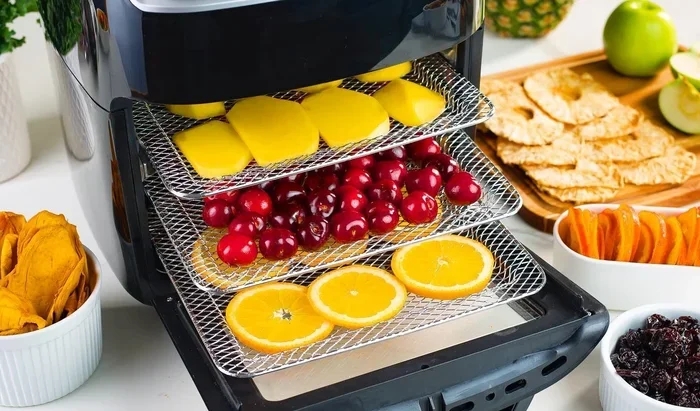
- Versatility: You can roast, bake, reheat, and even dehydrate food in an air fryer.
It’s clear why millions of households have embraced this kitchen appliance safety-friendly gadget. But the question about cancer risk is worth addressing honestly.
Can Using an Air Fryer Cause Cancer? The Science Explained
Let’s get straight to it. Can using an air fryer cause cancer? The short answer is: an air fryer doesn’t directly cause cancer. However, certain high-temperature cooking methods can produce compounds that, when consumed in large amounts over time, may increase cancer risk. This isn’t unique to air fryers—it applies to any cooking method that involves high heat, including traditional ovens, grills, and stovetops.
That said, understanding these compounds and how they form is important. Let’s break down the three main concerns.
What Is Acrylamide?
Acrylamide formation is probably the biggest concern when it comes to air fryers and cancer. Acrylamide is a chemical that forms in certain starchy foods when cooked above 248°F (120°C). It happens through a process called the Maillard reaction—the same reaction that makes food taste great.
Foods most likely to contain acrylamide include:
- French fries and potato chips
- Toasted bread and baked goods
- Coffee beans (surprisingly)
- Grain-based cereals and crackers
In 2015, the European Food Safety Authority (EFSA) noted that acrylamide may pose a cancer risk. The International Agency for Research on Cancer (IARC) classifies it as a cancer-causing compound. However, it’s important to note that the risk is tied to long-term, high-level exposure—not occasional consumption.
Here’s the key point: acrylamide forms in any high-heat cooking method, not just air fryers. In fact, deep frying often produces more acrylamide than air frying because of the extreme oil temperatures involved. So if you’re worried about air fryer cancer concerns, know that you’re not choosing the worst option here.
Polycyclic Aromatic Hydrocarbons (PAHs)
Polycyclic aromatic hydrocarbons (PAHs) are another group of potentially harmful compounds. They form when organic matter burns or chars. Smoking, grilling, and charring meat all produce PAHs. When food is cooked until heavily browned or burnt, the thermal decomposition of proteins and fats can release these compounds.
PAHs are well-established carcinogens. But again, the issue isn’t the air fryer—it’s the tendency to overcook or burn food. An air fryer actually produces fewer PAHs than grilling or open-flame cooking because it doesn’t expose food directly to smoke or flame.
Advanced Glycation End Products (AGEs)
Advanced glycation end products (AGEs) form when proteins or fats combine with sugars at high temperatures. Research has linked high AGE intake to inflammation, oxidative stress, and increased risk of chronic diseases including cancer and diabetes. High-heat cooking methods—including air frying—can increase AGE levels in food.
But here’s a reassuring fact: AGE formation increases with both temperature and cooking time. By cooking at moderate temperatures and avoiding overcooking, you can significantly reduce AGE levels. This applies to all cooking methods, not just air frying.
Air Fryer vs Deep Fryer: Which Is Safer?
One of the most common comparisons people make is between air fryers and deep fryers. Understanding the differences helps put air fryer health risks in perspective.
Key Differences
| Factor | Air Fryer | Deep Fryer |
|---|---|---|
| Oil Usage | Little to no oil needed | Requires full submersion in oil |
| Acrylamide Levels | Moderate; lower than deep frying | Higher due to extreme oil heat |
| PAH Formation | Low; no open flame or smoke | Moderate; smoke from hot oil |
| Fat Content in Food | Significantly reduced | High fat absorption |
| Harmful Fumes | Minimal | Strong oil fumes and fumes |
| Overall Cancer Risk | Lower when used properly | Higher due to multiple factors |
As the table shows, air fryers come out ahead in almost every category. Oil-free cooking eliminates many of the risks associated with deep frying. You still need to be mindful of food browning reactions and avoid overcooking, but the overall risk profile is much better than traditional deep frying.
Common Mistakes That Increase Health Risks
Most air fryer cancer concerns come down to user error. Here are the most common mistakes that can increase your exposure to harmful compounds.
Overcooking and Burning Food
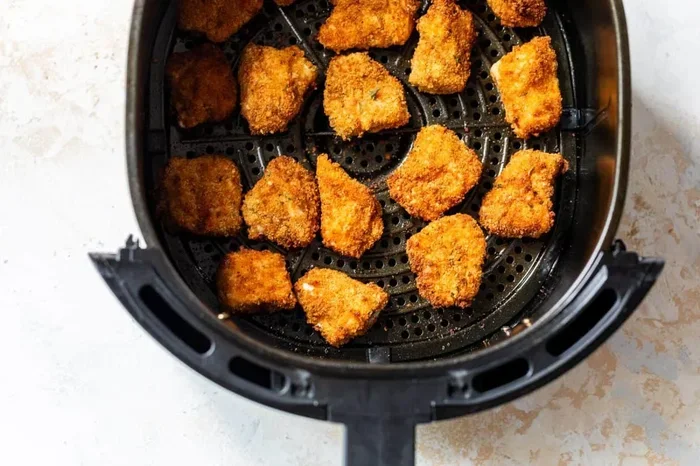
This is the number one mistake. When food is cooked too long or at too high a temperature, it chars. Charred food contains higher levels of PAHs and acrylamide. A perfectly golden potato is very different from a blackened one. Always keep an eye on your food and pull it out as soon as it reaches the desired crispiness.
Using the Wrong Temperatures
Cranking the temperature up to the maximum doesn’t always give you better results. In fact, it increases the risk of acrylamide formation and harmful cooking fumes. Most air fryer recipes work well between 320°F and 400°F (160°C–200°C). Stay within these ranges for safer cooking.
Ignoring Cleaning and Maintenance
A dirty air fryer can produce off-flavors and potentially harmful fumes. Built-up grease and food residue can overheat and release smoke. Regular cleaning keeps your appliance running safely and your food tasting fresh. If you’re unsure about upkeep, you can always learn more about coffee machine servicing for similar appliance maintenance tips—taking care of kitchen devices is always a smart habit.
Cooking the Wrong Foods for Too Long
Some foods are more prone to cancer-causing compounds than others. Highly starchy foods like frozen fries are more likely to form acrylamide. Processed meats cooked at high heat can produce more PAHs. Balance your air fryer menu with vegetables, lean proteins, and whole grains to reduce risk.
How to Use an Air Fryer Safely
Now that you understand the risks, let’s focus on what you can do to minimize them. Air fryer safety is all about smart habits.
Best Practices for Safe Air Frying
- Preheat properly: A brief preheat ensures even cooking and reduces cooking time.
- Use moderate temperatures: Stick to 350°F–400°F for most recipes.
- Don’t overcrowd the basket: Good air circulation prevents uneven cooking and burning.
- Shake or flip food halfway: This promotes even browning without overcooking one side.
- Use parchment liners: They prevent sticking and make cleanup easier without chemical coatings.
- Clean after every use: Remove grease and crumbs to prevent smoke and fume buildup.
Quick Tips for Healthier Air Frying
Here are some practical tips to make your nutritious meal prep even better:
- Lightly brush or spray food with olive oil instead of using aerosol sprays with chemicals.
- Marinate proteins before cooking—herbs and spices can reduce AGE formation by up to 50%.
- Choose sweet potatoes over regular potatoes to lower acrylamide risk.
- Avoid cooking processed or pre-seasoned frozen foods too frequently—they often contain added sodium and preservatives.
- Pair air-fried meals with fresh salads or steamed vegetables for a balanced plate.
Healthy Recipes to Try
Looking for ideas? Here are some healthy cooking methods that work perfectly in an air fryer:
- Crispy tofu bites: Toss cubed tofu with a little cornstarch and your favorite spices. Cook at 375°F for 15 minutes.
- Roasted vegetables: Broccoli, Brussels sprouts, and carrots come out beautifully with just a light drizzle of olive oil.
- Turkey meatballs: Lean ground turkey mixed with herbs and breadcrumbs makes a low-fat, high-protein meal.
- Whole roasted chicken: A small chicken roasts evenly and stays juicy inside with crispy skin outside.
- Apple chips: Thinly sliced apples with cinnamon, cooked at 350°F for 15 minutes, make a healthy snack.
These recipes prove that crispy food without oil can be both delicious and nutritious. The key is variety and moderation.
Expert Insights and Final Thoughts
So, can using an air fryer cause cancer? Based on current research, the answer is reassuring. Air fryers don’t inherently produce cancer. The concerns stem from high-temperature cooking practices that apply to all cooking methods—not just air frying.
Food scientists and nutritionists generally agree that air fryers are a healthier alternative to deep fryers. They reduce fat intake, minimize harmful fumes, and offer better control over cooking temperatures. The real risk comes from consistently burning food, eating heavily charred items, or relying too heavily on any single cooking method.
Dr. Michael Hansen, a senior scientist at Consumer Reports, has noted that air fryer cancer concerns are often overblown when compared to the well-documented risks of deep-fried food consumption. The key is balance. Eating a varied diet rich in whole foods, limiting processed items, and cooking with care goes a long way in reducing any diet and cancer risk.
Think of your air fryer as a tool—like any tool, how you use it determines the outcome. Used wisely, it can be a valuable part of a healthy kitchen routine.
Key Takeaways
Let’s recap everything you’ve learned:
- Air fryers don’t directly cause cancer. The concern is about compounds formed during high-heat cooking, which happens in all cooking methods.
- Overcooking and burning food is the biggest risk factor for cancer-causing compounds like acrylamide and PAHs.
- Air fryers are safer than deep fryers overall, producing less fat, fewer fumes, and lower acrylamide levels.
- Moderate temperatures and shorter cooking times significantly reduce health risks.
- Regular cleaning prevents residue buildup and harmful fumes.
- A balanced diet matters far more than any single kitchen appliance when it comes to cancer prevention.
- You can enjoy your air fryer with confidence by following the safety tips in this guide.
The bottom line? Don’t let fear keep you from enjoying your air fryer. Can using an air fryer cause cancer? Not when used correctly. Arm yourself with knowledge, cook mindfully, and keep enjoying those crispy, delicious meals. Your air fryer is a safe and healthy addition to your kitchen when treated with care and common sense.
Frequently Asked Questions
Is it safe to use an air fryer every day?
Yes, using an air fryer daily is safe as long as you follow proper cooking guidelines. Avoid burning food, use moderate temperatures, and keep the appliance clean. A balanced diet with varied cooking methods is always best for long-term health.Does air frying produce harmful chemicals?
Air frying can produce small amounts of acrylamide and other compounds when cooking starchy or protein-rich foods at high heat. However, these compounds form in all high-temperature cooking methods. Using proper temperatures and avoiding overcooking minimizes chemical production significantly.
Can I reduce acrylamide when using my air fryer?
Absolutely. You can reduce acrylamide by cooking at lower temperatures (below 375°F), avoiding overcooked or burnt food, soaking sliced potatoes before cooking, and choosing less processed ingredients. Marinating foods with herbs and spices also helps reduce harmful compound formation.
Is air-fried food healthier than oven-baked food?
Air-fried food is generally healthier than deep-fried food due to reduced fat content. Compared to oven baking, air frying uses less energy and often shorter cooking times. Both methods are safe when used properly. The health difference mainly comes down to avoiding overcooking regardless of the appliance.
Are there specific foods I should avoid cooking in an air fryer?
Avoid cooking heavily processed foods with lots of additives, sugary desserts at very high temperatures, and large amounts of breaded or coated items that easily burn. Also, never cook foods in large quantities that block airflow. Stick to whole, fresh ingredients for the safest results.
What temperature is safest for air frying?
Most recipes work safely between 325°F and 375°F (163°C–190°C). Staying in this range reduces acrylamide formation and harmful cooking fumes while still producing great results. Always follow recipe guidelines and check food doneness before cooking longer than needed.