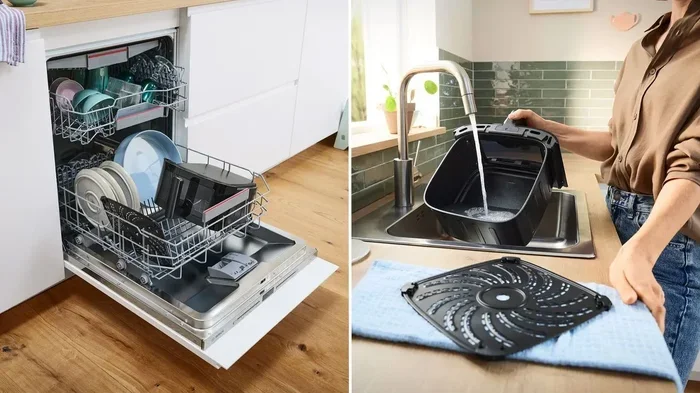
Can I Dishwash My Air Fryer Heres What You Need To Know
Yes, you can dishwash your air fryer — but only certain parts. Most air fryers have removable components like the basket, tray, and pan that are dishwasher safe. However, the main unit with its heating element and electrical parts should always be cleaned by hand. In this guide, you will learn exactly which parts can go in the dishwasher, how to clean every component properly, and common mistakes to avoid.
Key Takeaways
- Only removable parts go in the dishwasher: The basket, tray, and pan are typically dishwasher safe, but the main unit should never be submerged in water.
- Hand washing extends appliance longevity: Washing the main body by hand protects electrical components and prevents moisture damage.
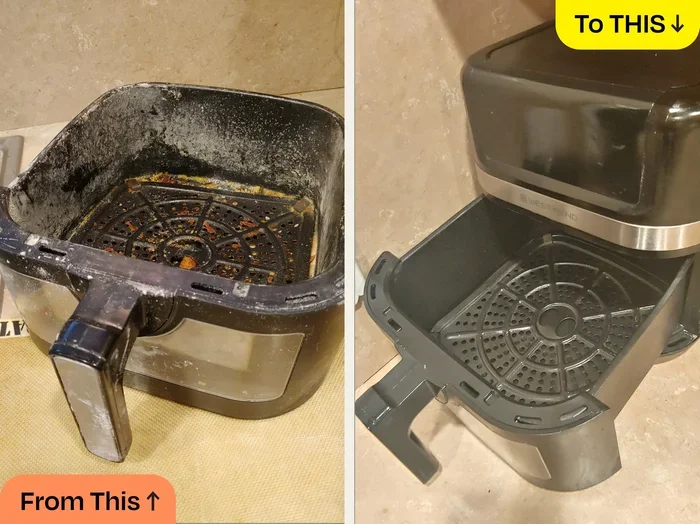
- Grease buildup is the enemy: Regular cleaning after each use prevents stubborn grease and food residue from hardening on surfaces.
- Non-stick coatings need care: Harsh dishwasher detergents and abrasive sponges can damage the non-stick coating over time.
- Soaking helps tough spots: Soaking removable parts in warm soapy water for 15-20 minutes makes grease easier to scrub off.
- Always check the manual: Different brands have different cleaning guidelines, so always check your specific model’s manufacturer recommendations.
- Never plug in a wet air fryer: Make sure all parts are completely dry before reassembling or plugging the unit back in.
📑 Table of Contents
- Can I Dishwash My Air Fryer? The Complete Guide
- Can I Dishwash My Air Fryer? The Short Answer
- Which Parts of Your Air Fryer Are Dishwasher Safe?
- Why Hand Washing Is Often the Better Choice
- How to Clean Your Air Fryer After Every Use
- Common Mistakes When Cleaning Your Air Fryer
- Expert Tips for Keeping Your Air Fryer Running Great
- Conclusion
Can I Dishwash My Air Fryer? The Complete Guide
Air fryers have become one of the most popular kitchen appliances in recent years. They cook food quickly, use less oil, and deliver crispy results that rival deep frying. But with all that cooking comes a big question: can I dishwash my air fryer?
The answer is not as simple as yes or no. Some parts of your air fryer are perfectly safe to toss into the dishwasher. Other parts need a gentle hand wash to avoid damage. Knowing the difference saves you time, protects your investment, and keeps your air fryer cleaning routine hassle-free.
In this comprehensive guide, we cover everything you need to know about dishwasher safe air fryer parts, which components require hand washing, and how to maintain your appliance for years of reliable performance. Let us dive in.
Can I Dishwash My Air Fryer? The Short Answer
The short answer is: it depends on the part. Most air fryers come with removable components that are labeled as dishwasher safe. These typically include the cooking basket, the drip tray, and sometimes the pan. However, the main housing unit — the part that contains the heating element, fan, and electrical components — should never go near water in a dishwasher.
Think of it this way. If a part pops off easily and has no electrical connections, it is likely safe for the dishwasher. If it is the base or the body of the unit, always wash it by hand. This simple rule keeps your kitchen appliance care on track and prevents costly repairs.
Just like you would not submerge your coffee maker in water — something to keep in mind when reading about how to unclog your Keurig coffee maker or learning why your coffee maker might be leaking — you should never expose your air fryer’s main unit to excessive moisture either.
What Makes a Part Dishwasher Safe?
Manufacturers design certain parts to withstand the heat, water pressure, and detergent used in dishwashers. Here is what typically qualifies a part as dishwasher safe:
- Material durability: The part is made from materials that can handle high temperatures and water exposure, such as stainless steel, ceramic, or dishwasher-safe plastic.
- No electrical components: There are no wiring, heating elements, or electronic sensors on the part.
- Removable design: The part detaches easily from the main unit without tools.
- Non-stick coating resilience: The coating can handle dishwasher detergent without degrading (though hand washing is gentler).
Always check your specific model. Not all air fryers are built the same, and manufacturer guidelines should always be your first reference.
Which Parts of Your Air Fryer Are Dishwasher Safe?
Let us break down the typical components of an air fryer and identify which ones can handle the dishwasher. Most standard models include the following parts:
The Cooking Basket
The air fryer basket is the most commonly washed part in the dishwasher. It is usually made from stainless steel or non-stick coated metal. Both materials can generally handle the dishwasher, though the non-stick coating may wear down faster with repeated dishwasher cycles. If your basket has a non-stick coating, consider hand washing it to preserve the surface and extend its life.
The Drip Tray or Pan
The drip tray sits at the bottom of the air fryer and catches grease, oil, and food drippings. Since this part is designed to handle liquid and fat, it is almost always dishwasher safe. It is usually made from metal or heat-resistant plastic. Tossing it in the dishwasher after every few uses keeps grease buildup under control and prevents food residue from becoming a stubborn mess.
The Tray or Rack
Some air fryers come with an additional tray or rack for multi-level cooking. These are typically made from metal and can go in the dishwasher. However, if the tray has a non-stick finish, hand washing is the safer option to maintain that coating over the long term.
The Container or Bowl (Air Fryer Oven Models)
Some air fryer oven models use a ceramic or metal bowl as the cooking vessel. Ceramic bowls are often dishwasher safe, but always verify with the manufacturer. Metal bowls with non-stick coatings should be hand washed to avoid scratching or coating damage.
Accessory Items
Many air fryers come with accessories like skewers, baking pans, or grilling racks. These are usually made from metal and can handle the dishwasher. Check for any plastic or wooden handles, as those may need hand washing to avoid warping or damage from heat.
Parts That Should NEVER Go in the Dishwasher
Now that you know what goes in the dishwasher, let us look at what stays out:
- Main housing unit: This contains the heating element, fan, thermostat, and electronics. Water exposure causes short circuits and permanent damage.
- Control panel: Touch screens and buttons are not waterproof. Moisture can break the electronics.
- Power cord: Never immerse the cord or plug in water.
- Heating element: The core component that generates heat should stay completely dry at all times.
- Fan assembly: Water in the fan motor leads to corrosion and motor failure.
Just as you would carefully maintain other kitchen appliances — like learning proper maintenance from resources about where to get your coffee machine serviced — your air fryer deserves the same careful attention to its electrical components.
Why Hand Washing Is Often the Better Choice
Even when parts are labeled dishwasher safe, hand washing offers several advantages that many home cooks overlook. Here is why you might want to wash your air fryer parts by hand instead:
Protects the Non-Stick Coating
Dishwasher detergent is harsh. Over time, it can strip away the non-stick coating on your air fryer basket and tray. The high heat inside the dishwasher accelerates this process. Hand washing with a soft sponge and mild dish soap keeps the coating intact for much longer. This means your food continues to cook evenly and release without sticking.
Prevents High Heat Damage
Dishwashers reach temperatures of 140-160 degrees Fahrenheit during the drying cycle. Some plastics and coatings cannot handle this level of heat. High heat damage can cause warping, discoloration, and weakening of materials. Hand washing keeps temperatures gentle and safe for every component.
Better Grease Removal
While dishwashers do a decent job with grease, stubborn grease buildup on air fryer parts sometimes needs extra attention. A quick soak in warm soapy water followed by scrubbing with a non-abrasive sponge often does a better job than a full dishwasher cycle. Pay special attention to corners, edges, and the mesh of the basket where food residue tends to hide.
Extends Appliance Longevity
Regular air fryer maintenance through gentle hand washing adds years to your appliance. The less stress you put on coatings, plastics, and metal surfaces, the longer they perform at their best. Think of it as an investment in your appliance longevity.
Saves Water and Energy
Running a full dishwasher cycle for just a few small air fryer parts wastes water and electricity. Hand washing a basket and tray takes only a few minutes and uses a fraction of the resources. It is also better for the environment and your utility bill.
Quick Tip: The Hand Wash vs Dishwasher Comparison
| Factor | Hand Washing | Dishwasher |
|---|---|---|
| Non-stick coating safety | Excellent | Moderate (wear over time) |
| Time required | 3-5 minutes | 30-60 minutes |
| Grease removal | Very good (with soaking) | Good |
| Heat exposure | Low | High (can damage parts) |
| Water and energy use | Low | High |
| Convenience | Requires manual effort | Set and forget |
| Best for | Non-stick parts, daily cleaning | Metal parts, heavy grease |
How to Clean Your Air Fryer After Every Use
The secret to a long-lasting air fryer is a consistent air fryer cleaning routine. Cleaning after every use prevents grease from hardening and food from sticking. Here is a simple step-by-step process:
Step 1: Unplug and Cool Down
Always unplug your air fryer before cleaning. Let it cool down for at least 10-15 minutes. The cooking surfaces are extremely hot right after use, and handling them too soon risks burns. Patience here pays off in safety.
Step 2: Remove All Parts
Take out the basket, tray, drip pan, and any accessories. Shake off loose crumbs and food particles over the trash can. Most cooking oil splatter and crumbs come off easily with a quick shake.
Step 3: Wash the Removable Parts
Wash the basket, tray, and pan with warm soapy water and a soft sponge. For dishwasher safe parts, you can load them into the top rack of your dishwasher. Avoid using abrasive scrubbers on non-stick surfaces, as they create scratches that worsen sticking over time.
For tough, stuck-on grease, soak the parts in warm soapy water for 15-20 minutes before scrubbing. This softens the grease and makes removal much easier. You can also use a paste of baking soda and water as a natural cleaner for stubborn spots.
Step 4: Wipe the Interior
Use a damp cloth or soft sponge to wipe the inside of the air fryer. Remove any grease splatter or food residue from the walls and ceiling of the cooking chamber. A cloth dipped in warm soapy water works perfectly. Do not spray water directly into the unit.
Step 5: Clean the Heating Element
Gently wipe the heating element with a dry cloth or a soft brush. Food particles can stick to the element and burn, creating smoke and odors. Never use water on the heating element. A dry microfiber cloth removes loose debris safely.
Step 6: Dry Everything Thoroughly
This step is critical. Dry all parts with a clean towel before reassembling. Moisture trapped inside the unit can lead to rust, mold, or electrical issues. Make sure the basket, tray, and interior are completely dry. Never plug in a wet air fryer.
Step 7: Reassemble and Store
Put all parts back in their proper place. Store the air fryer in a cool, dry location. If your model has a cord storage feature, wrap the cord neatly. Proper storage prevents dust buildup and keeps the appliance ready for next use.
Quick Tips for Daily Cleaning
- Keep a small brush near your air fryer for quick crumb removal between deep cleans.
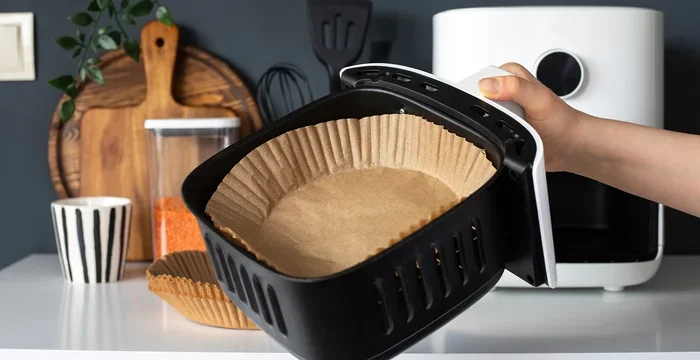
- Line the drip tray with parchment paper for easy cleanup of grease drippings.
- Wipe the basket right after cooking while it is still slightly warm — grease comes off easier.
- Use a damp microfiber cloth for the exterior to keep it looking new.
- Never use steel wool or harsh chemical cleaners on any part of the air fryer.
Common Mistakes When Cleaning Your Air Fryer
Even with the best intentions, people make mistakes when cleaning their air fryers. Here are the most common errors and how to avoid them:
Submerging the Main Unit
This is the biggest mistake. Some people think they can rinse the entire air fryer under the tap or place it in the sink full of water. This destroys electronics, shorts circuits, and creates a safety hazard. The main body is never waterproof. If you need help with stubborn residue inside the unit, consult the manufacturer guidelines or seek professional appliance servicing rather than risking water damage.
Using Abrasive Cleaners
Steel wool pads, metal scourers, and harsh chemical cleaners strip away non-stick coatings and scratch metal surfaces. Stick with soft sponges, cloths, and mild dish soap. For tough spots, use baking soda paste instead of abrasive pads.
Ignoring the Heating Element
When people clean their air fryer, they often focus on the basket and forget the heating element above it. Burnt food particles on the element cause smoke, bad smells, and even fire hazards. A quick wipe with a dry cloth after each use prevents this problem entirely.
Letting Parts Air Dry
Leaving parts to air dry leaves water spots and invites rust on metal surfaces. It also means moisture sits in crevices where bacteria can grow. Always dry every part thoroughly with a clean towel before putting the air fryer back together.
Forgetting the Drip Tray
The drip tray collects grease and oil after every cooking session. If you ignore it, buildup becomes hardened and difficult to remove. Clean the drip tray after every few uses or whenever it looks dirty. This simple habit keeps your air fryer running efficiently and prevents cooking oil splatter from becoming a bigger problem.
Using Too Much Detergent in the Dishwasher
If you do put parts in the dishwasher, avoid overloading with detergent. Excess detergent leaves a residue on parts that affects cooking performance and can transfer to your food. Use a standard amount and rinse well.
Not Reading the Manual
Every air fryer model is different. Some brands explicitly state which parts are dishwasher safe and which are not. Skipping this step leads to accidental damage. Spend five minutes reading the cleaning section of your manual. It saves time, money, and frustration down the road.
Expert Tips for Keeping Your Air Fryer Running Great
Beyond regular cleaning, a few expert strategies keep your air fryer performing at its peak for years. These tips come from appliance specialists and experienced home cooks who know their way around a kitchen.
Season Your Basket Occasionally
Just like cast iron cookware, your air fryer basket benefits from occasional seasoning. After washing and drying the basket, apply a thin layer of cooking oil to the surface. Run the air fryer at 400 degrees for about 3 minutes. This maintains the non-stick properties and protects the metal from oxidation. Repeat monthly for best results.
Use the Right Temperature and Time
Overcooking food at excessively high temperatures creates extra grease and smoke that coat the interior. Follow recipes closely and avoid cranking up the heat beyond what is needed. Proper cooking reduces the cleaning burden significantly.
Address Smoke and Odors Promptly
If your air fryer starts smoking or smelling during cooking, stop and check the heating element and basket. Burnt residue is usually the culprit. Clean the element and basket thoroughly before resuming. Persistent smoke can indicate a deeper issue that may need professional attention.
Keep Up with Regular Maintenance
Think of your air fryer like any other kitchen appliance that benefits from routine care. Just as you might search for information about why your coffee makes your hands shake to understand your body’s reaction to caffeine, understanding how your air fryer works helps you maintain it better. Regular maintenance means wiping down the interior, cleaning removable parts after every use, and checking for wear or damage periodically.
Store Properly Between Uses
Give your air fryer breathing room. Do not press other appliances tightly against it. Store it where dust does not accumulate on the heating element or control panel. A light dusting with a dry cloth before use keeps everything running smoothly.
Replace Worn Parts Immediately
Over time, the non-stick coating wears thin, baskets develop dents, and drip trays crack. Using damaged parts affects cooking quality and safety. Order replacement parts from the manufacturer rather than using generic substitutes that may not fit properly or handle heat correctly.
Deep Clean Monthly
Beyond your daily wipe-down, schedule a deep clean once a month. Remove all parts, soak them in warm soapy water, scrub gently, and wipe down every surface inside the unit. This monthly deep clean prevents hidden grease buildup and keeps your air fryer hygienic for every meal.
Conclusion
So, can I dishwash my air fryer? Yes — but with clear boundaries. The cooking basket, drip tray, and metal accessories can typically handle the dishwasher. The main unit, control panel, heating element, and power cord must stay completely dry and be cleaned by hand only. Understanding this distinction protects your appliance and extends its life significantly.
Regular air fryer cleaning after every use, combined with proper hand washing of delicate parts, keeps grease and food residue from building up. Avoid common mistakes like abrasive cleaners, submerging the base, and neglecting the heating element. Follow the expert tips in this guide, and your air fryer will deliver crispy, delicious meals for years to come.
Take a few minutes after your next cooking session to give your air fryer the care it deserves. Your future self — and your taste buds — will thank you.
Frequently Asked Questions
Can I put the entire air fryer in the dishwasher?
No. Only the removable parts like the basket, drip tray, and pan are dishwasher safe. The main housing unit contains electrical components, a heating element, and a control panel that will be damaged by water. Always keep the base and body dry.
How often should I clean my air fryer?
You should do a quick wipe-down after every use and a thorough hand wash of removable parts every few cooking sessions. Schedule a deep clean monthly to prevent hidden grease buildup and maintain optimal performance.
Is it safe to use soap when washing air fryer parts?
Yes, mild dish soap is safe for washing air fryer baskets, trays, and pans. Avoid harsh chemical cleaners or abrasive detergents that can damage non-stick coatings. Baking soda paste is a gentle alternative for stubborn grease spots.
What happens if water gets inside the air fryer unit?
Water inside the unit can short-circuit the electronics, damage the heating element, and create a safety hazard. If water gets inside, unplug the unit immediately, let it dry completely for at least 24 hours, and contact the manufacturer if you notice any issues.
Can I use aluminum foil in my air fryer basket?
Yes, you can use aluminum foil, but place it only on the bottom tray or basket where it will not block airflow. Avoid covering the entire basket with foil, as this restricts air circulation and affects cooking results. Also, never use foil with acidic foods as it can react and cause damage.
How do I remove burnt grease from my air fryer basket?
Soak the basket in warm soapy water for 20-30 minutes. Then scrub gently with a soft sponge and baking soda paste. For really stubborn spots, a mixture of white vinegar and baking soda applied to the affected area works effectively. Never use steel wool or abrasive pads that scratch the surface.