Here Is How To Tell When Your Oven Is Preheated Now
Knowing when your oven is preheated is the secret to perfect baking and roasting every time. Most ovens give clear signals like beeping, displaying a ready light, or reaching the target temperature on the display. This guide shows you all the simple ways to confirm your oven preheat is complete so your food cooks evenly and turns out great.
Have you ever wondered why your cookies came out flat or your roast wasn’t crispy on the outside? The answer might be simpler than you think. Your oven preheat might not have been complete before you put your food inside. Many people underestimate how important it is to wait until the oven is preheated before cooking. This guide will show you exactly how to tell when your oven is ready.
Preheating your oven is not just a step you skip. It sets the foundation for even cooking, proper rising, and that perfect golden crust. Whether you use a gas oven, an electric oven, or a convection oven preheat cycle, knowing the right time to start cooking makes a huge difference. In this article, we break down every simple way to confirm your oven is at temperature and ready to go.
Let us be real for a second. Ovens can be confusing. They have lights, beeps, displays, and sometimes nothing at all. You might wonder if the little light inside means the oven is ready. Spoiler alert. It usually does not. We will walk you through every reliable method so you never have to guess again. By the end of this guide, you will know exactly when oven is preheated and your cooking results will improve right away.
Key Takeaways
- Visual and Audio Signals: Most modern ovens use a beep sound or a light indicator to tell you the oven preheat is done.
- Use an Oven Thermometer: A standalone oven thermometer gives you the most accurate reading of your oven temperature.
- Preheat Time Matters: Most ovens need 10 to 20 minutes to reach the right preheat temperature for baking.
- Different Ovens, Different Methods: Convection oven preheat works differently than conventional ovens, so learn your specific model.
- Avoid Common Mistakes: Skipping preheat or opening the door too often leads to uneven cooking and poor results.
- Check the Heating Element: A visibly glowing or warm heating element confirms your oven is actively preheating and getting ready.
📑 Table of Contents
Why Preheating Your Oven Matters
Preheating is not just a suggestion on the recipe. It is a critical step that affects how your food cooks from the very first second. When you place cold food into a cold or partially heated oven, the cooking process starts unevenly. The outside might burn while the inside stays raw. That is because the oven temperature needs time to stabilize throughout the entire cavity.
Here is what happens when you skip preheating your oven:
- Uneven Cooking: Food cooks faster on the outside and stays underdone on the inside. This is especially true for baked goods like bread and pastries.
- Poor Texture: Cookies spread too much, cakes sink in the middle, and roasts lose their crispy exterior.
- Longer Cook Times: Your food has to spend extra time in the oven just to reach the right internal temperature, which dries it out.
- Wasted Energy: An oven that starts cold uses more energy overall because it runs longer to compensate.
When you let the preheat time finish properly, the entire oven cavity reaches a consistent preheat temperature. This means your food starts cooking the moment it goes in. The heat surrounds the dish evenly, giving you better results with less effort. Think of it as warming up before a workout. Your oven performs best when it is ready to go.
The Science Behind Preheating
Your oven works by pushing hot air around the cavity. The heating element at the bottom or back generates heat, and a thermal sensor monitors the air temperature. Until the sensor reads that the target temperature gauge has been reached, the element keeps cycling on and off. This cycling is what ensures even heat distribution. Rushing this process means hot spots and cold zones inside the oven.
How Long Does It Take to Preheat an Oven
The oven preheating time depends on several factors. Most home ovens need between 10 and 20 minutes to reach the desired preheat temperature. But that is just a general range. The actual time varies based on your specific appliance and what temperature you are targeting.
Here is a simple breakdown of preheating oven times:
- 350 degrees Fahrenheit: Usually takes about 10 to 15 minutes.
- 400 degrees Fahrenheit: Expect around 15 to 18 minutes.
- 450 degrees Fahrenheit: Typically 18 to 20 minutes.
- 500 degrees Fahrenheit: Can take 20 to 25 minutes or longer.
Gas ovens tend to heat up faster than electric ovens. A convection oven preheat is often quicker because the fan circulates hot air more efficiently. If you are using a toaster oven, the preheat time is much shorter, usually 5 to 8 minutes. Keep in mind that opening the oven door lets heat escape, which adds time to your oven preheat cycle.
Factors That Affect Preheat Time
Several things influence how long your oven warmup takes. The oven brand and model matter a lot. Older ovens might take longer because their insulation is less efficient. The starting temperature of the room also plays a role. A cold kitchen in winter means a longer wait. The size of the oven cavity matters too. Larger ovens need more energy to fill with heat. And if you have multiple racks inside, the air cannot circulate as freely, which slows down the process.
Signs Your Oven Is Preheated
Now we get to the core question. How do you actually tell when oven is preheated? There are several reliable signs that your oven has reached the target oven temperature. Let us go through each one so you can pick the method that works best for your appliance.
1. The Beep Sound
Most modern ovens have a built-in alarm. When the oven temperature reaches the set point, the oven beeps several times. This is the most straightforward signal. If your oven beeps and the display shows the target number, you are good to go. Some models beep once, others beep three or five times. Check your manual to learn your specific oven preheat signal.
Not all beeps mean the oven is ready. Some ovens beep to remind you to set the timer or to alert you if the door is open. Pay attention to the timing. The beep that matters is the one that comes after the display shows the set temperature has been reached.
2. The Ready Light
Many ovens have a light on the control panel that turns off when the oven is preheated. The light is usually red or orange while the oven is heating up. When it goes off, the oven temperature has stabilized. This is a quick visual cue that takes zero effort to notice.
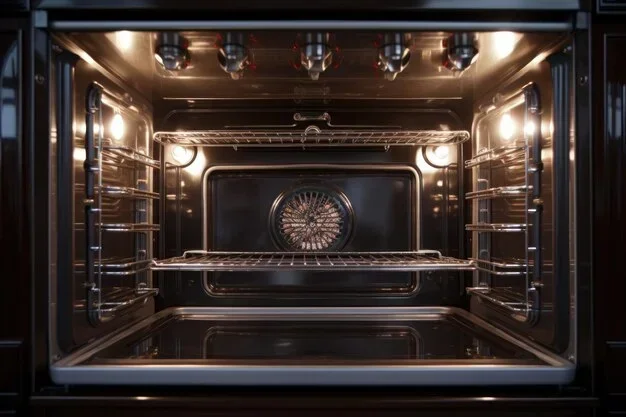
However, the oven light inside the cavity works differently. That light turns on whenever the oven is on. It does not specifically indicate readiness. Do not confuse the interior light with the panel indicator light. The panel light is your true preheat indicator.
3. The Display Reading
If your oven has a digital display, you can watch the temperature gauge climb in real time. Wait until the number on the display matches the temperature you set. At that point, the thermal sensor has confirmed the cavity is at the right preheat temperature. This is one of the most accurate methods available.
Keep in mind that digital displays can have a small margin of error. A standalone oven thermometer placed inside the oven gives you a second opinion. We will talk more about this in the next section.
4. The Heating Element Glow
If you have an electric oven, you can look through the window to see the heating element at the bottom. When the element is bright orange or red, it is actively producing heat. Once the element stops glowing and turns dark, it means the oven has reached the target temperature and the element has cycled off. This is a strong sign that your oven preheat is complete.
For gas ovens, you will see the burner flames. When the flames are steady and blue, the oven is heating properly. Once the flames dim or cycle off, the oven temperature has been reached.
5. Using an Oven Thermometer
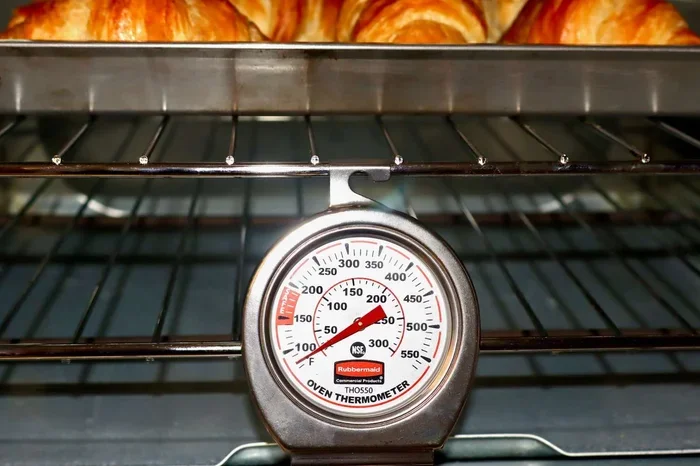
This is hands down the most reliable method. A standalone oven thermometer costs just a few dollars and takes all the guesswork out of preheating your oven. Place the thermometer in the center of the oven, close the door, and set your desired preheat temperature. Wait until the thermometer needle or digital reading matches the target.
Oven thermometers are especially useful because many ovens run hot or cold. Your oven display might say 350 degrees, but the actual oven temperature inside could be 330 or 370 degrees. A thermometer catches these discrepancies and helps you adjust accordingly. This is one of the best oven tips for anyone who bakes regularly.
Different Oven Types and How They Preheat
Not all ovens work the same way. The method you use to confirm oven preheat readiness can vary depending on the type of oven you have. Let us look at the most common types and how each one signals readiness.
Conventional Electric Ovens
These are the most common ovens in homes. They use electric coils at the top and bottom to generate heat. Preheating a conventional oven usually takes 10 to 20 minutes. You can rely on the beep sound, the panel light, or the display reading. These ovens do not have a fan, so heat distribution depends on natural convection. This is why preheating matters even more with conventional models.
Gas Ovens
Gas oven preheat is generally faster than electric. Gas ovens heat up quickly because the flames respond instantly to the thermal sensor. You can often tell when oven is preheated by watching the flame pattern. When the flames settle into a steady, even blue color, the oven is close to ready. The beep or light signal will confirm it.
Convection Ovens
A convection oven preheat uses a fan to circulate hot air. This means the oven temperature stabilizes faster and more evenly. Many convection ovens have a dedicated convection preheat mode. The fan runs during preheating to push warm air throughout the cavity. These ovens typically beep when ready, just like conventional models. The fan stopping is also a good visual cue that preheating is complete.
Toaster Ovens
Toaster ovens have a much smaller cavity, so preheat time is shorter, usually 3 to 8 minutes. Many toaster ovens use a simple light or beep system. Some higher-end models have a digital display with a temperature gauge. Because the cavity is small, toaster ovens reach the target preheat temperature very quickly. Just be careful not to open the door frequently, as this lets out heat fast in a small space.
Common Preheating Mistakes to Avoid
Even experienced cooks make mistakes when it comes to preheating oven basics. Here are the most common errors and how to fix them.
Putting Food in Too Early
This is the number one mistake. The oven looks hot, the light is on, and you think it is ready. But the oven temperature has not stabilized yet. Placing food in too early means the cooking starts at a lower temperature than intended. Your cookies spread, your roast takes longer, and the texture suffers. Always wait for the official signal. That beep or light-off means the oven is preheated and the thermal sensor has confirmed the target.
Opening the Door to Check
Every time you open the oven door, you release a significant amount of heat. The oven preheat cycle has to start over. This extends the preheat time by several minutes and creates uneven heat distribution. Use the window to peek if you need to. Trust the signals the oven gives you rather than opening the door to check.
Ignoring the Oven Thermometer
Your oven display is not always accurate. Over time, ovens drift in their calibration. An oven that says it is at 350 degrees might actually be at 370 degrees. This is called oven calibration drift. Using a standalone oven thermometer takes the guesswork out of preheating your oven. It is a small investment that pays off in better cooking results.
Skipping Preheat for Short Recipes
Some recipes say you can skip preheating. This is mostly true for slow-cooked dishes or casseroles. But for anything involving baking, roasting, or broiling, preheat time is essential. Even a quick 10-minute recipe needs the oven to be at the right preheat temperature from the start.
Tips for Perfect Preheating Every Time
Getting your oven preheat right every time is easier than you think. Follow these simple oven tips and you will notice an immediate difference in your cooking.
- Start Preheating Early: Turn on the oven before you begin preparing your food. This way, the oven preheat finishes right when you are ready to cook.
- Use an Oven Thermometer: Place one inside and check it periodically. It takes the mystery out of oven temperature accuracy.
- Keep the Door Closed: Resist the urge to peek. Every opening adds 3 to 5 minutes to your preheat time.
- Know Your Oven: Every model is different. Spend a few minutes reading the manual to learn your specific oven preheat signal and timing.
- Position Racks Correctly: Place racks where you need them before preheating. Moving them after the oven is hot is risky and slows down the process.
- Clean the Heating Element: A dirty element heats less efficiently. Wipe it down regularly for better performance.
- Check for Hot Spots: Use a piece of bread to test for even heat. Place slices on different racks and see which toasts fastest. This reveals oven calibration issues.
Quick Tips for Better Results
- If your oven has a convection setting, use it for faster and more even preheating.
- Place your oven thermometer at rack level where your food will sit for the most accurate reading.
- For pizza and bread, preheat a pizza stone or baking steel inside the oven during the preheat time.
- Never preheat for more than 30 minutes. If the oven has not reached temperature by then, something may be wrong with the heating element or thermal sensor.
Frequently Asked Questions
How long should I preheat my oven for cookies?
Most cookie recipes call for a preheat temperature of 350 degrees. Give your oven about 10 to 15 minutes to reach that preheat temperature. Wait for the beep or the panel light to turn off before placing your cookie sheet inside. This ensures the cookies start baking at the right oven temperature immediately.
Can I use the oven light to check if the oven is preheated?
The interior oven light turns on whenever the oven is powered on. It does not specifically indicate that the oven is preheated. Use the control panel light, the beep signal, or a standalone oven thermometer instead. The interior light is helpful for checking on food during cooking, not for confirming preheat readiness.
Why does my oven take so long to preheat?
Several factors affect preheating oven time. Electric ovens are generally slower than gas ovens. Older ovens with worn insulation take longer. Opening the door frequently adds time. If your oven consistently takes more than 25 minutes to reach 350 degrees, the heating element might be weakening or the thermal sensor could be failing. Consider a professional check or using a convection oven preheat mode for faster results.
Do I really need to preheat for roasting vegetables?
Yes, you do. Roasting vegetables at the right preheat temperature from the start ensures they caramelize properly and get crispy edges. A cold oven means the vegetables steam instead of roast. Always let the oven preheat finish before adding your veggies to the baking sheet.
Is a convection oven preheat different from a regular oven preheat?
The goal is the same, but the method differs. A convection oven preheat uses a fan to circulate hot air, which reaches the target oven temperature faster and more evenly. Some convection ovens have a dedicated preheat mode that runs the fan during the heating phase. The oven preheat signal works the same way, though. Wait for the beep or the indicator light before loading your food.
How can I tell if my oven temperature is accurate?
The best way to check oven calibration is with a standalone oven thermometer. Place it inside the oven, set the oven to 350 degrees, and wait for the preheat signal. Compare the thermometer reading to the oven display. If the thermometer shows 330 or 370 degrees, your oven is off by a significant margin. You can adjust your preheat temperature accordingly or have the oven serviced to fix the thermal sensor.
Conclusion
Knowing how to tell when your oven is preheated is one of the simplest yet most impactful cooking skills you can develop. The oven preheat process sets the stage for every successful bake, roast, and broil. Whether you rely on the beep sound, the panel light, the display reading, or a standalone oven thermometer, the key is to wait until your oven is at temperature before putting food inside.
Remember that preheating your oven is not wasted time. It is the foundation of even cooking, proper texture, and great flavor. A few extra minutes of waiting can be the difference between perfectly golden cookies and a tray of flat, underbaked discs. Use the tips in this guide, avoid common mistakes, and trust your oven’s signals. With practice, checking for the oven preheat signal becomes second nature.
Now that you know exactly when oven is preheated, you are ready to take your cooking to the next level. Preheat with confidence, cook with precision, and enjoy the delicious results every single time. Your kitchen skills are about to get a serious upgrade.