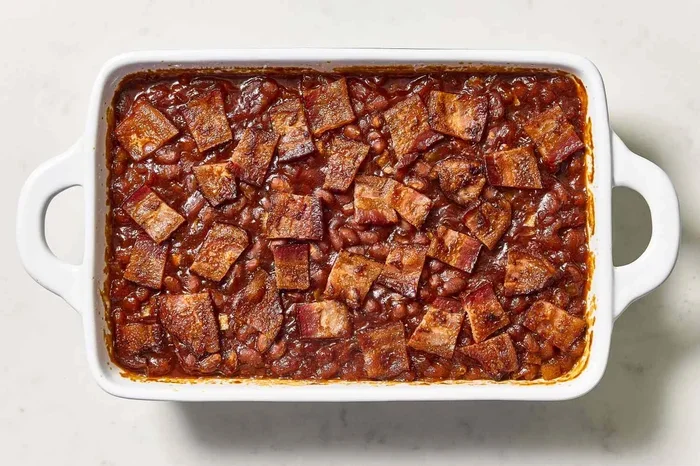
What Temperature To Cook Baked Beans In The Oven Perfectly
Discover the perfect oven temperature to cook baked beans in the oven for tender, flavorful results. This guide covers timing, dish choices, and pro tips to make the best baked beans every time. Whether you prefer a low-and-slow bake or a quick high-heat method, you’ll find the answer here.
There’s nothing quite like a warm, hearty pot of baked beans on a cold evening. But getting the texture just right can be tricky. Many people wonder about the what temperature to cook baked beans in the oven for the best results. The good news is that once you know the ideal heat, the process becomes simple and almost foolproof. You’ll end up with creamy, flavorful beans that taste even better than takeout.
Oven-baked beans are a classic side dish that works with almost any meal. Whether you’re feeding a crowd or meal prepping for the week, understanding the right oven temperature makes all the difference. In this guide, I’ll walk you through the exact what temperature to cook baked beans in the oven, how long to bake them, and which dishes work best. You’ll also learn how to boost flavor and avoid common mistakes.
By the time you finish reading, you’ll feel confident enough to make oven-baked beans from scratch. No more soggy or burnt beans. Just perfectly tender beans with a rich, savory sauce. Let’s dive in.
Key Takeaways
- Ideal Temperature Range: Bake beans between 325°F and 350°F for creamy, evenly cooked results.
- Low and Slow Wins: A lower temperature of 300°F to 325°F prevents scorching and deepens flavor.
- Timing Matters: Canned beans bake in 45 to 60 minutes; dried beans need 2 to 2.5 hours.
- Choose the Right Dish: Cast iron Dutch ovens and ceramic baking dishes give the best texture and flavor.
- Flavor Boosters Are Key: Sautéed onions, bacon, brown sugar, mustard, and apple cider vinegar elevate simple beans.
- Avoid Common Mistakes: Don’t overbake, skip the resting time, or use a pan that’s too shallow.
- Oven Beats Other Methods: The oven caramelizes the top and creates a richer sauce than stovetop or slow cooker.
📑 Table of Contents
The Best Oven Temperature for Baked Beans
The most common question is: what temperature to cook baked beans in the oven? The short answer is 325°F to 350°F (163°C to 177°C). This range allows the beans to heat through gently without drying out. A lower temperature like 300°F works too if you have more time. The key is to avoid high heat, which can scorch the sauce and leave the beans tough.
When you ask what temperature to cook baked beans in the oven, you’re really asking about control. The oven provides a steady, surrounding heat that a stovetop cannot match. This gentle environment lets the tomato sauce reduce slowly and the sugars in the brown sugar and molasses caramelize without burning. The result is a glossy, deeply flavored glaze that coats every bean.
Why Low and Slow Works Best
Baked beans benefit from a low and slow approach. When you cook them at 325°F, the tomato sauce reduces gradually. The sugars in the brown sugar and molasses caramelize without burning. The beans absorb all those flavors evenly. If you crank the heat to 400°F, the outside might bubble too fast while the center stays cold. That’s why 325°F to 350°F is the sweet spot for most oven-baked beans.
A low and slow bake also gives the pork and beans time to develop a rich, smoky depth. The sauce thickens naturally as the liquid reduces. You won’t need to reduce it on the stovetop first. Just mix everything in the baking dish, pop it in the oven, and let time do the work.
The Role of Your Oven
Every oven runs a little differently. Some ovens run hot, while others run cool. I always recommend using an oven thermometer if you’re serious about your baked beans recipe. Place the thermometer inside and check it before you start. If your oven runs 25 degrees hot, you might need to lower the temperature slightly. This small adjustment can make a big difference in the final texture of your baked beans.
Convection ovens also behave differently than conventional ones. The fan circulates hot air, which can brown the top faster. If you have a convection oven, reduce the temperature by about 25°F and keep a close eye on the beans during the last 15 minutes. This prevents the sugary glaze from burning while the center stays perfectly creamy.
Quick Tip: If you’re using a cast iron Dutch oven, you can go slightly lower, around 300°F. The heavy pot holds heat evenly and prevents hot spots. This method gives you incredibly creamy beans with a deep, smoky flavor.
How Long to Bake Beans in the Oven
Timing depends on the temperature you choose and whether the beans are canned or dried. For canned pork and beans or a homemade bean casserole, the typical bake time is 45 minutes to 1 hour at 350°F. If you’re using dried beans that have been soaked overnight, you’ll need closer to 2 to 2.5 hours at 325°F. The goal is tender beans that hold their shape but yield easily to a fork.
Baked Beans Recipe Timing Guide
Here’s a simple breakdown based on temperature:
- 300°F (150°C): 1.5 to 2 hours. Great for a hands-off, low-effort cook. Perfect for a comfort food side dish.
- 325°F (163°C): 1 to 1.5 hours. The best balance of flavor and convenience for most oven-baked beans.
- 350°F (177°C): 45 minutes to 1 hour. Ideal when you’re short on time but still want a good bake.
- 400°F (204°C): 30 to 45 minutes. Use this only if you want a quick, slightly caramelized top. Stir halfway to prevent burning.
Always check the beans at the minimum time. You want them creamy and tender, not mushy. A simple fork test works perfectly. If the beans slide off the fork easily, they’re done. If they still offer resistance, give them another 15 minutes.
The baking time also depends on how much sauce you use. A very wet mixture needs more time to reduce and thicken. If your baked beans recipe looks soupy after the minimum time, just leave them in for another 10 to 15 minutes uncovered. The extra time will cook off excess liquid and create that beautiful, glossy glaze.
Can You Overbake Baked Beans?
Yes, overbaking is a common mistake. When beans bake too long, the liquid evaporates and the sauce turns thick and pasty. The beans can burst and turn grainy. To avoid this, set a timer and check early. If the top starts to darken too much, cover the dish with foil for the remaining time. This traps moisture and keeps your baked beans silky.
I always pull my oven-baked beans when they look slightly looser than I want them. The sauce will thicken as the beans rest. This resting period is essential for the perfect texture. Skipping it is one of the most frequent reasons beans turn out too dry or too thin.
Choosing the Right Baking Dish for Oven Beans
The dish you use affects both cooking time and flavor. Not all baking pans are equal when it comes to oven-baked beans. The right vessel distributes heat evenly and holds the sauce perfectly without spilling over.
Cast Iron Dutch Oven
A cast iron Dutch oven is my top choice for baked beans. It retains heat beautifully and creates a slightly crispy top if you leave it uncovered. The enamel-coated versions are easy to clean and don’t react with the acidic tomato sauce. If you have one, use it. The beans will taste richer and more complex.
The heavy lid of a Dutch oven traps moisture, which keeps the beans from drying out during a long bake. This is perfect for a low and slow cook at 300°F. The even heat distribution means no hot spots, so every bean gets the same level of tenderness.
Ceramic Baking Dish
A ceramic baking dish is another excellent option. Ceramic heats slowly and evenly, which prevents scorching. It’s perfect for a bean casserole that you want to serve directly at the table. The dish also keeps beans warm longer after they come out of the oven. Just remember that ceramic takes longer to heat up, so add a few extra minutes to your bake time.
Ceramic also has a rustic charm that makes oven-baked beans look beautiful on a dinner table. The slight porosity of ceramic can enhance the flavor over time, especially if you use the same dish regularly. Many home cooks swear by their favorite ceramic baking dish for comfort food sides.
Glass or Metal Pan
A standard glass or metal baking pan works fine in a pinch. Glass pans heat quickly and can brown the top faster, so keep an eye on them. Metal pans conduct heat fast and are great for a quick bake at 350°F. For either option, use a deep dish to prevent bubbling over. A 9×13-inch pan is the perfect size for a standard can of beans.
Quick Tip: No matter which dish you use, grease it lightly before adding the beans. This prevents sticking and makes cleanup a breeze. A thin layer of butter or cooking spray works well. If you’re using a metal pan, consider lining it with parchment paper for even easier release.
Flavor Boosters That Make Oven-Baked Beans Shine
The base baked beans recipe is just the beginning. The real magic happens when you add layers of flavor before baking. These ingredients transform simple canned beans into a comfort food masterpiece. Here are the best additions for a rich, smoky, and savory result.
The Holy Trinity: Onion, Garlic, and Bacon
Sautéing diced onions and minced garlic in bacon fat creates a flavor foundation. The bacon adds a smoky depth that pairs perfectly with pork and beans. If you’re using a meatless bean casserole, smoked paprika or a dash of liquid smoke can mimic that same savory aroma. Cook the onions until they’re soft and golden before mixing them into the beans.
Don’t skip the garlic. It mellows during the bake and becomes sweet and nutty. For extra depth, add a small piece of diced jalapeño or a pinch of red pepper flakes. These subtle heat notes make the beans more interesting and pair wonderfully with the sweetness of the brown sugar.
Sweet and Tangy Balance
Most oven-baked beans rely on a mix of brown sugar, molasses, and tomato sauce. The brown sugar caramelizes in the oven, creating a glossy glaze. A splash of apple cider vinegar cuts through the sweetness and adds brightness. I always add a spoonful of dry mustard for a subtle kick. These three elements—sweet, tangy, and spicy—make the dish truly addictive.
If you like a deeper, more complex sweetness, try using a combination of brown sugar and maple syrup. The maple adds a warm, autumnal note that works beautifully in fall and winter. For a more traditional flavor, stick with molasses. It gives pork and beans their classic, robust taste.
Spices and Herbs
Don’t underestimate the power of spices. A teaspoon of cumin, a pinch of cayenne, and some dried oregano elevate the beans from ordinary to extraordinary. If you like a smoky flavor, add a little chipotle powder. Fresh herbs like thyme or rosemary work beautifully too, especially if you’re using a cast iron Dutch oven. The herbs infuse the sauce as the beans bake slowly.
Expert Insight: For the best flavor, let your mixed baked beans sit in the fridge overnight before baking. The beans absorb the sauce more deeply, and the flavors meld together. This is a common restaurant trick that works perfectly at home. The what temperature to cook baked beans in the oven stays the same, but the flavor improves dramatically with that extra rest time.
Oven-Baked Beans vs. Slow Cooker and Stovetop
Many people wonder whether the oven is really the best method. There are three main ways to make baked beans: oven, slow cooker, and stovetop. Each has its pros and cons. Let’s compare them so you can choose the right method for your baked beans recipe.
Oven-Baked Beans
Baking beans in the oven gives you a slightly caramelized top and a rich, concentrated flavor. The dry heat helps the sauce thicken naturally without extra reduction. It’s also hands-off—you just set the temperature and timer. The what temperature to cook baked beans in the oven is straightforward, and the results are consistently excellent. For a side dish that looks impressive, the oven is hard to beat.
The oven also allows you to build a thicker, more glossy sauce. Because the heat surrounds the dish evenly, the liquid reduces from all sides. This creates a sauce that clings to the beans rather than pooling at the bottom. The slight caramelization on top adds a pleasant textural contrast that slow-cooked beans simply can’t achieve.
Slow Cooker Beans
A slow cooker is great for set-it-and-forget-it cooking. You can assemble the beans in the morning and come home to a ready meal. The low, moist heat keeps beans very tender. However, slow-cooked beans often lack the caramelized top and concentrated flavor of oven-baked beans. If you choose this route, you can transfer the beans to a baking dish and broil them for a few minutes at the end to get that nice crust.
Slow cookers are ideal for large batches. If you’re feeding a big group, a slow cooker can hold several pounds of beans without any problem. The trade-off is a softer, more uniform texture. For a bean casserole with a thick, glossy sauce, the oven still wins.
Stovetop Simmering
Simmering beans on the stovetop is the fastest method. You can cook a pot of pork and beans in under 30 minutes. The downside is that you need to stir frequently to prevent sticking. The sauce also doesn’t reduce as much, so the beans can taste a bit more brothy. Stovetop is best when you’re in a rush, but for a comfort food side dish with a thick, rich sauce, the oven wins.
| Method | Time | Texture | Best For |
|---|---|---|---|
| Oven (325°F–350°F) | 45 min – 2 hrs | Creamy inside, caramelized top | Side dish, meal prep |
| Slow Cooker | 4 – 8 hrs on low | Very tender, saucy | Hands-off cooking, large batches |
| Stovetop | 20 – 40 min | Brothy, quick | Quick weeknight meal |
As you can see, each method has a place. But when you want the best flavor and texture for a baked beans recipe, I always recommend the oven. The what temperature to cook baked beans in the oven is easy to control, and the results are consistently delicious.
Troubleshooting Common Baked Bean Mistakes
Even with the right oven temperature, things can go wrong. I’ve made my share of mistakes with oven-baked beans. Here are the most common problems and how to fix them.
Beans Are Too Thick
If your baked beans come out too thick or pasty, the sauce reduced too much. This usually happens when you bake at too high a temperature or for too long. To fix it, stir in a splash of water, broth, or even apple juice. Bring the dish back to the oven for another 10 minutes at 325°F. The liquid will loosen the sauce without diluting the flavor.
Prevention is easier than cure. If your baked beans recipe looks very thick before baking, add a quarter cup of water or broth. You can always reduce it later. Starting with a slightly looser mixture gives you a safety margin and prevents the beans from drying out.
Beans Are Still Hard After Baking
Dried beans that aren’t soaked properly can stay hard even after a long bake. Always soak dried beans overnight before baking them in the oven. Drain and rinse them, then add to your baking dish with extra liquid. Dried beans take longer to bake, usually 2 to 2.5 hours at 325°F. They have a firmer texture and absorb flavors more deeply than canned beans.
If you’re using canned beans and they still taste firm, they might be old or stored in a hard water area. Add a pinch of baking soda to the soaking water or the baking dish. This helps soften the skins. Then continue baking at 325°F for an extra 15 minutes. The beans should become tender and creamy.
Top Is Burning While Bottom Is Cold
This happens when your oven runs hot or the dish is too shallow. A thin layer of beans in a wide pan will overcook on top before the center heats through. Use a deeper dish and check your oven temperature with a thermometer. If the top is browning too fast, cover the dish tightly with foil. This creates a steam effect that gently finishes cooking the beans without burning the sugar on top.
Another trick is to place the baking dish on a lower oven rack. The bottom of the oven is slightly cooler, which gives the beans more time to heat through before the top overcooks. This simple adjustment solves the burning problem for most home cooks.
Baked Beans Taste Bland
If your oven-baked beans taste flat, you probably need more salt, acid, or spice. Taste the sauce before baking and adjust the seasoning. A splash of apple cider vinegar or a squeeze of lemon juice at the end brightens everything up. Don’t forget the mustard—dry mustard adds a subtle heat that balances the sweetness of the brown sugar. Let the beans rest for 10 minutes after baking; the flavors will meld and intensify.
Common Mistakes to Avoid:
- Skipping the sauté of onions and garlic. This step builds the flavor base.
- Using a pan that’s too small, causing the beans to overflow.
- Baking at too high a temperature, which scorches the sauce.
- Not letting the beans rest after baking. This allows the sauce to thicken and the flavors to settle.
- Forgetting to taste and adjust seasoning before serving.
By avoiding these pitfalls, you’ll consistently produce perfect oven-baked beans that your family will love.
Conclusion
Now you know exactly what temperature to cook baked beans in the oven for the best results. Stick to 325°F to 350°F for creamy, flavorful beans every time. Choose the right baking dish, add your favorite flavor boosters, and avoid the common mistakes we discussed. Whether you’re making a classic pork and beans side dish or a hearty bean casserole, the oven gives you control and depth of flavor that other methods can’t match.
The beauty of oven-baked beans is their simplicity. You mix the ingredients, set the temperature, and let the oven do the work. In less than an hour, you’ll have a comfort food classic that pairs with everything from grilled meats to cornbread. Once you master the what temperature to cook baked beans in the oven, you’ll never go back to canned beans straight from the pot again.
So next time you’re planning a barbecue, a potluck, or a cozy weeknight dinner, give oven-baked beans a try. Use the tips and timing guide from this article, and you’ll be the hero of the table. Happy baking!
Frequently Asked Questions
Can I use dried beans instead of canned for oven-baked beans?
Yes, you can use dried beans, but you must soak them overnight first. Drain and rinse them, then add to your baked beans recipe with extra liquid. Dried beans take longer to bake, usually 2 to 2.5 hours at 325°F. They have a firmer texture and absorb flavors more deeply than canned beans.
Do I need to cover baked beans while they bake?
It depends on your preference. Covering with foil for the first 30 to 45 minutes keeps the beans moist and prevents the top from drying out. Then remove the foil to let the sauce thicken and the top caramelize. If you like a thicker glaze, leave the foil off for the entire bake.
Can I freeze oven-baked beans?
Absolutely. Let the beans cool completely, then transfer them to an airtight container or freezer bag. They keep well for up to 3 months. Reheat gently in the oven at 325°F with a splash of water or broth to restore the creamy texture. Avoid microwaving if possible, as it can make the beans grainy.
What is the best temperature to reheat leftover baked beans?
Reheat in the oven at 325°F for 15 to 20 minutes. This gentle heat warms the beans evenly without drying them out. If you’re in a hurry, the microwave works, but stir every 2 minutes to prevent hot spots. Adding a tiny bit of water helps keep them creamy.
Can I make baked beans without a Dutch oven?
Yes, a regular ceramic baking dish, glass pan, or even a deep metal tray works perfectly. The key is to use a deep dish to prevent bubbling over. A cast iron Dutch oven is ideal, but not required. Any oven-safe dish will produce great results as long as you follow the right oven temperature and timing.
Why are my baked beans always watery?
Watery beans usually mean there’s too much liquid in the dish or the beans weren’t baked long enough. Try simmering the sauce on the stovetop for a few minutes before adding the beans to reduce it slightly. Also, make sure to bake uncovered for the last 15 minutes to let excess moisture evaporate. A thicker sauce before baking leads to perfect oven-baked beans.