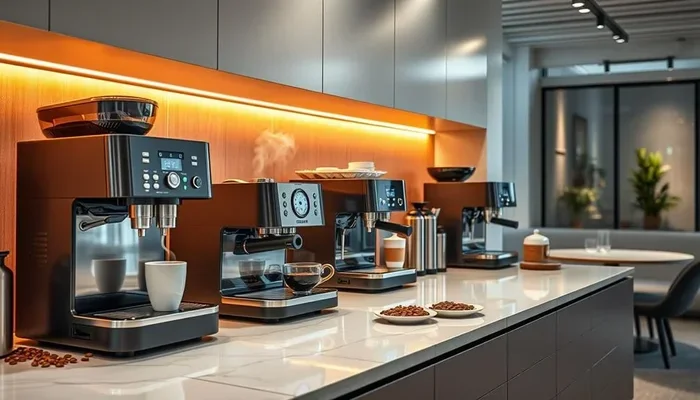
Is A Coffee Machine Tax Deductible For Home Office Workers
Is A Coffee Machine Tax Deductible for your home office? Yes, if you use it primarily for business. The IRS allows a home office deduction for equipment that supports your work, and a coffee maker can qualify when used exclusively for business purposes. This guide explains the rules, documentation, and common pitfalls to help you claim your deduction safely.
This is a comprehensive guide about Is A Coffee Machine Tax Deductible.
Key Takeaways
- Business Use Is Key: A coffee machine is tax deductible only if you use it primarily for business, not personal sipping.
- Exclusive vs. Daily Use: The IRS favors exclusive business use, but daily business use can also support a partial deduction.
- Documentation Matters: Keep receipts, logs, and photos to prove your coffee maker serves a legitimate work purpose.
- Percentage Rule: You can deduct a percentage of the cost based on how often you use it for work.
- Avoid Common Mistakes: Claiming a personal coffee habit as a business expense is a red flag for audits.
- Check IRS Guidelines: Always review current IRS rules or consult a tax professional to ensure compliance.
[FEATURED_IMAGE_PLACEHOLDER]
Working from home blurs the line between personal comfort and business necessity. A fresh cup of coffee fuels countless remote workdays, and many home office workers wonder if that daily brew can translate into a tax deduction. The question Is A Coffee Machine Tax Deductible comes up often among freelancers, solopreneurs, and remote employees. The short answer is yes, but with important caveats. This guide walks you through everything you need to know about claiming your coffee equipment on your taxes.
The IRS treats home office deductions seriously. You cannot simply buy a coffee maker and write it off without meeting specific criteria. The machine must serve a genuine business purpose, and you need to prove it. Whether you own a drip coffee maker, a single-serve pod machine, or a high-end espresso model, the rules remain the same. Understanding these rules protects you from an audit and helps you maximize your legitimate deductions.
Is A Coffee Machine Tax Deductible? The Short Answer
A coffee machine can be tax deductible if you use it primarily for business purposes in your home office. The IRS allows deductions for ordinary and necessary expenses that help you run your business. A coffee maker falls into this category when it directly supports your work. For example, if you need coffee to stay alert during long client calls or to fuel your creative work, the machine becomes a business tool.
However, the deduction is not automatic. You must demonstrate that the coffee maker serves your business more than your personal life. If you use it 100% for work, the deduction is straightforward. If you also make morning coffee for your family, you can only deduct a portion of the cost. The IRS expects you to calculate the business-use percentage accurately. This percentage becomes the foundation of your deduction.
Many home office workers also ask about smaller coffee accessories. Filters, coffee beans, and even a grinder can be deductible too. These are considered consumable business supplies when used exclusively for work. Just like your coffee machine, you need to track how often you use these items for business. Keeping a simple log can make a huge difference at tax time.
How The IRS Views Coffee Machines In A Home Office
Business vs. Personal Use
The IRS draws a clear line between business and personal expenses. A coffee machine sitting in your living room and used for family mornings is a personal item. The same machine placed in a dedicated home office and used solely during work hours becomes a business asset. The location and usage pattern determine how the IRS treats your deduction.
To claim the deduction, you must prove the machine is used for business. The IRS accepts several forms of evidence. A logbook that records each use for work is strong proof. Photos showing the coffee maker in your home office help too. Receipts for the machine and any maintenance costs add credibility. The more documentation you have, the smoother your claim will be.
Some workers wonder if a coffee machine counts as office furniture. It does not. The IRS categorizes it as office equipment or a business appliance. This distinction matters because equipment often falls under different deduction rules. You may need to depreciate the machine over several years if it costs more than a certain threshold. However, the IRS allows you to expense smaller items immediately under the de minimis safe harbor rule.
Exclusive Business Use
Exclusive business use is the gold standard for a full deduction. If you never make personal coffee on that machine, you can deduct 100% of the cost. This scenario applies to home offices that double as client meeting spaces or production studios. For instance, a freelance graphic designer who only brews coffee during work hours qualifies for the full deduction.
Exclusive use also means the machine stays in the home office. You cannot move it to the kitchen for personal use and then claim it as a business expense. The IRS expects consistency. If you use the machine for business 90% of the time and personal 10% of the time, you can deduct 90% of the cost. Tracking this ratio requires discipline, but it pays off during tax season.
Many remote workers use single-serve coffee makers because they are convenient. These machines often sit on a desk or a small office counter. If you only use them for your daily work coffee, they easily meet the exclusive business-use test. Just remember that the IRS may question a high-end machine if it seems more like a luxury than a necessity. Choosing a practical model helps your case.
Daily Business Use
Daily business use supports a strong deduction argument. If you brew coffee every workday to stay productive, the machine becomes a regular part of your business routine. The IRS views daily use as evidence that the equipment is necessary for your work. You do not need to prove that coffee is essential, but you should show it supports your business activities.
For example, a writer who needs coffee to meet deadlines can argue daily use. A customer service representative who takes calls from morning to evening also qualifies. The key is linking the coffee maker to your work output. When you describe your daily routine, emphasize how the machine helps you perform your job.
Daily use also applies to consumable items like coffee beans and filters. These supplies are deductible when used for business. If you buy premium beans for your work coffee, keep the receipts. The IRS allows deductions for supplies that are consumed during the workday. Just be careful not to mix personal and business supplies. A bag of coffee beans for family breakfasts is not deductible.
When A Coffee Machine Qualifies For A Tax Deduction
You Run A Sole Proprietorship Or Freelance Business
Sole proprietors and freelancers have the clearest path to a coffee machine deduction. Because your business and personal finances are intertwined, any ordinary business expense reduces your taxable income. A coffee maker in your home office is an ordinary expense if it supports your daily work. The IRS defines ordinary as common and accepted in your trade. Coffee breaks are universal in many professions, making a coffee maker a common business tool.
Freelancers often work irregular hours. A coffee machine helps you stay awake during late-night project deadlines. This practical use strengthens your deduction claim. You can write off the entire cost if the machine is used 100% for your freelance business. If you also use it for personal reasons, you must calculate the business percentage.
Remember that who makes Cuisinart coffee makers does not affect deductibility. The brand or manufacturer is irrelevant to the IRS. What matters is how you use the machine and whether it serves your business. Whether you buy a Cuisinart, a Keurig, or a Breville, the deduction rules stay the same. Focus on documenting your business use rather than the brand name.
You Are A Remote Employee With A Dedicated Home Office
Remote employees who have a dedicated home office can also deduct a coffee machine. The IRS requires that the office space be used regularly and exclusively for business. If your home office meets these criteria, any equipment inside it is a business expense. A coffee maker placed in that dedicated space qualifies for a deduction.
However, remote employees must be careful. If your employer provides a coffee machine, you cannot claim a deduction. The deduction is only for items you purchase and use for your own business. Also, if your employer reimburses you for office supplies, you should not double-dip. Use the deduction only for items that are not covered by your employer.
Many remote workers also ask if a coffee machine counts as a desk or chair deduction. It does not. The IRS treats coffee machines as separate equipment. You can claim them in the same year you purchase them if the cost is below the capitalization threshold. For most coffee makers, this means you can deduct the full amount in the year of purchase. Keep your receipt and a note about your business use.
You Use The Machine For Client Meetings Or Business Entertainment
If you host clients in your home office, a coffee machine becomes a business hospitality tool. Offering coffee to clients during meetings is a common practice. This use supports a deduction because it directly relates to generating business income. The IRS allows deductions for expenses that help you attract or retain clients.
In this scenario, you can deduct 100% of the coffee machine cost. The machine serves a clear business purpose: welcoming clients and creating a professional atmosphere. You do not need to split the deduction between personal and business use. Just make sure the machine is used for client meetings and not for personal family consumption.
Keep records of client meetings where coffee was served. A simple log with dates, client names, and the purpose of the meeting strengthens your claim. If the IRS asks for proof, you can show that the coffee machine played a role in your business development. This is especially helpful for consultants, coaches, and freelancers who meet clients virtually or in person.
Calculating Your Home Office Deduction For A Coffee Machine
Calculating your deduction involves a few simple steps. First, determine the business-use percentage. If you use the coffee machine exclusively for work, that percentage is 100%. If you split use with personal time, estimate the business percentage honestly. The IRS expects reasonable estimates, not perfect precision.
Next, multiply the business-use percentage by the cost of the coffee machine. For example, a $200 machine used 80% for business gives you a $160 deduction. If the machine costs less than the IRS de minimis threshold (typically $2,500), you can expense it immediately. Otherwise, you may need to depreciate it over several years.
Do not forget to include accessories and consumables. Filters, coffee beans, and cleaning supplies used for business are deductible too. These small expenses add up over a year. A home office worker who spends $30 a month on coffee supplies can deduct $360 annually. Track these purchases in a dedicated folder or app to stay organized.
Here is a quick comparison of deduction scenarios:
- Exclusive Business Use: 100% of cost and consumables deducted immediately.
- Primary Business Use (80%): 80% of cost deducted, plus 80% of consumables.
- Mixed Use (50%): 50% of cost deducted, plus 50% of consumables.
- Client-Facing Use: 100% of cost deducted as a business hospitality expense.
Use this table to estimate your potential deduction. Adjust the percentages based on your actual usage. The goal is to be accurate and defensible. A clear calculation shows the IRS you understand the rules and are not trying to inflate your deductions.
Documentation You Need To Keep
The IRS requires proof for every deduction. For a coffee machine, you should keep the following documents:
- Receipt or invoice: Shows the purchase date and price of the machine.
- Business-use log: Records each time you use the coffee maker for work.
- Photos: Pictures of the machine in your home office setup.
- Consumable receipts: Proof of coffee beans, filters, and other supplies bought for business.
- Client meeting notes: If you use the machine for hospitality, log the meeting details.
Organizing these documents takes a few minutes each week. A simple spreadsheet or a dedicated app works well. Some workers snap photos of their coffee setup and log daily use in a notes app. This habit makes tax time much easier. When the IRS asks for evidence, you can provide a complete file without stress.
Also, keep your records for at least three years. The IRS generally audits returns within three years of filing. If you claim a large deduction, keep records for up to seven years. A well-maintained file protects you if questions arise. Think of documentation as your safety net. It turns a simple coffee maker into a defensible business expense.
Common Mistakes Home Office Workers Make
Avoid these common pitfalls when claiming a coffee machine deduction:
- Claiming 100% for a shared machine: If family members use the coffee maker, you cannot deduct the full cost. Split the deduction fairly.
- Forgetting consumables: Coffee beans and filters are deductible supplies. Do not overlook these small but frequent expenses.
- No documentation: A receipt alone is not enough. The IRS wants proof of business use, not just a purchase record.
- Mixing personal and business claims: Do not claim your morning family coffee as a business expense. Keep personal and business use separate.
- Overvaluing the machine: A $1,500 espresso machine may raise eyebrows. Choose a practical model and explain its business purpose clearly.
One mistake that trips up many workers is confusing a coffee machine with a meal expense. The IRS treats business meals differently. You cannot deduct a coffee machine and then claim every coffee you drink as a meal deduction. The machine is equipment; the coffee beans are supplies. Keep these categories distinct to avoid confusion.
Another error is failing to update your deduction if your usage changes. If you start working from the office more often, your home office use decreases. You must adjust your business-use percentage accordingly. The IRS expects current and accurate information. Stale deductions can trigger an audit. Stay honest and review your numbers each year.
Expert Insights On Coffee Machine Deductions
Tax professionals agree that a coffee machine deduction is legitimate when used correctly. According to many CPAs, the key is demonstrating a clear business purpose. The machine must be an integral part of your work routine, not just a personal luxury. Experts recommend keeping a simple log that ties each coffee break to a work task.
Many tax advisors also suggest separating business and personal coffee supplies. If you buy coffee beans for your home office, use a separate account or credit card. This separation makes tracking easier. It also shows the IRS that you treat your business expenses with professionalism. A dedicated business account strengthens your overall deduction strategy.
Some workers ask if how to make espresso using a coffee maker affects their deduction. The answer is no. The method of brewing does not change the tax rules. Whether you use a French press, a pour-over, or an espresso machine, the deduction depends on business use, not the brewing technique. Focus on how the machine supports your work, not how it makes your coffee.
Experts also warn against claiming deductions for items that are purely personal. If your coffee machine sits in the kitchen and you only use it for family mornings, do not write it off. The IRS has clear guidelines about what qualifies as a home office expense. Staying within those guidelines protects you from penalties and interest. When in doubt, consult a tax professional for personalized advice.
Final Thoughts: Is A Coffee Machine Tax Deductible For You?
So, is a coffee machine tax deductible for home office workers? Yes, it can be, provided you use it primarily for business and keep proper documentation. The deduction is a legitimate way to reduce your taxable income. It rewards the practical reality that many remote workers rely on coffee to stay productive throughout the day.
Remember to calculate your business-use percentage accurately. If the machine is 100% for work, claim the full deduction. If it is shared, split the cost fairly. Keep all receipts, logs, and photos. These records are your best defense if the IRS ever questions your claim. A well-documented deduction is a safe deduction.
Take action today. Review your coffee setup and determine how it supports your business. If you use a machine for work, start tracking its business use now. You may be surprised at how much you can legitimately deduct. A simple coffee maker could save you real money at tax time. Just make sure your claim is honest, accurate, and backed by evidence.
FAQs
Can I deduct a coffee machine if I work from home part-time?
Yes, you can deduct a coffee machine even if you work from home part-time. The key is to calculate the business-use percentage based on how often you use it for work. If you work from home three days a week and use the coffee machine only on those days, you can deduct 60% of the cost. Track your usage carefully to support your claim.
Does the IRS require a dedicated home office for a coffee machine deduction?
The IRS does not require a dedicated home office for every deduction, but a dedicated space strengthens your claim. If the coffee machine sits in a room used regularly and exclusively for business, the deduction is much easier to justify. A shared kitchen space makes it harder to prove exclusive business use, so keep that in mind.
Are coffee beans and filters tax deductible as well?
Yes, coffee beans, filters, and other consumable supplies are deductible when used for business. These are considered ordinary business expenses. Keep receipts for all coffee-related purchases. If you use the supplies 100% for work, you can deduct the full cost. If you mix personal and business use, split the deduction accordingly.
Can I deduct a coffee machine if my employer provides one?
No, you cannot deduct a coffee machine if your employer provides it. The deduction is only for items you purchase and use for your own business. If your employer gives you a coffee maker, it is a fringe benefit and not your expense. Focus on deducting machines and supplies that you buy yourself.
Is a high-end espresso machine more likely to be audited?
A high-end espresso machine may attract more scrutiny from the IRS, but it is not automatically a red flag. The IRS looks at the overall reasonableness of your deductions. If you can prove the machine supports your business, a higher price is acceptable. However, choose a model that fits your actual work needs and document its business purpose clearly.
Why does instant coffee make me poop, and does it affect my deduction?
While some people wonder why instant coffee makes them poop, this is a personal health topic unrelated to tax deductions. The IRS does not consider digestive effects when evaluating a coffee machine deduction. Your deduction is based on business use, not how the coffee affects your body. Keep your health questions separate from your tax records.
Is A Coffee Machine Tax Deductible for home office workers? The answer is yes, when you follow the rules. Use the machine primarily for business, keep detailed records, and calculate your deduction accurately. With the right approach, your daily coffee ritual can become a smart financial move. Start documenting your business use today and enjoy the peace of mind that comes with a well-supported tax claim.
Frequently Asked Questions
What is Is A Coffee Machine Tax Deductible?
Is A Coffee Machine Tax Deductible is an important topic with many practical applications.