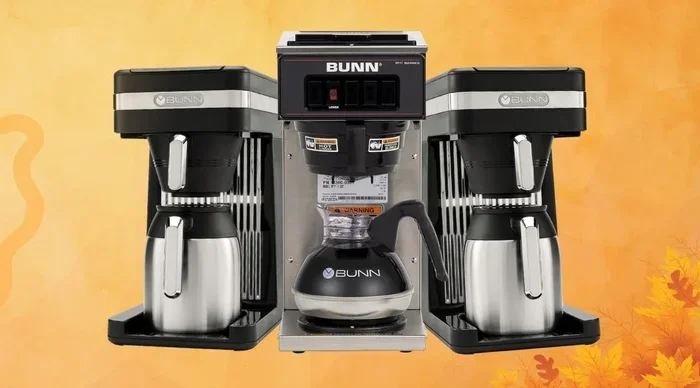
How To Prime A Bunn Coffee Maker Step By Step Guide
Priming your Bunn coffee maker is essential for smooth, great-tasting coffee. This step-by-step guide walks you through the entire process in minutes. You will learn how to flush the water system, clean key parts, and keep your machine running like new.
There is nothing quite like the rich aroma of fresh coffee brewing in a Bunn coffee maker. These machines are beloved in homes and offices for good reason. They brew fast, they brew hot, and they make a great cup every time. But like any kitchen appliance, your Bunn drip coffee maker needs regular care to keep working well.
One of the most important things you can do is prime your Bunn coffee maker. Priming flushes out air pockets, stale water, and tiny bits of residue that build up over time. If you have never done this before, do not worry. The process is simple, fast, and does not require any special skills. This guide will walk you through every step with clear instructions and helpful tips.
Whether you just bought a new Bunn coffee machine or your old one is starting to taste a little off, priming is the answer. Let us get into it and make sure your machine is running at its absolute best.
Key Takeaways
- Priming removes air and residue: This ensures your coffee brews at the right temperature and flavor.
- The process takes under 15 minutes: No special tools are needed, just clean water and a few minutes of your time.
- Regular priming extends your machine’s life: It prevents buildup and keeps your Bunn performing at its best.
- You should prime after cleaning or new setup: Also prime if you notice slow brewing or strange tastes.
- Use filtered water for best results: This reduces mineral buildup and keeps your coffee tasting fresh.
📑 Table of Contents
What Is Priming and Why Does It Matter?
Priming a coffee maker means running clean water through the machine without coffee grounds. This fills the internal tubes and reservoirs completely. It pushes out any air bubbles and flushes away dust or debris that may have collected inside.
Think of it like warming up a car on a cold morning. You want everything flowing smoothly before you put it to work. When you prime a Bunn coffee maker, you prepare the system for even heat distribution and consistent brewing pressure.
Here is why priming matters so much:
- Better tasting coffee: Stale water sitting in the machine can affect the flavor of every brew.
- Even extraction: Air pockets can cause uneven water flow, leading to weak or bitter coffee.
- Longer machine life: Regular flushing prevents mineral buildup and keeps parts working smoothly.
- Faster brewing: A properly primed machine heats water more efficiently, saving you time.
How Often Should You Prime?
You should prime your Bunn brewing system at least once a month. If you use it daily, consider doing it every two weeks. You should also prime after any deep cleaning or if you have not used the machine for a while. Signs that your machine needs priming include slow brewing, gurgling sounds, or a funny taste in the coffee.
Tools and Supplies You Will Need
One of the best things about priming a Bunn coffee maker is how simple the setup is. You do not need expensive tools or special equipment. Here is what you will want to have ready before you start:
- Clean, filtered water: This is the only thing you will need to run through the machine. Filtered water is best because it has fewer minerals that can cause buildup.
- A clean coffee filter: Place this in the brew basket to catch any loose particles during the flush cycle.
- A clean cloth or sponge: You will use this to wipe down the exterior and the spray head.
- Mild dish soap: Only needed if you are doing a full cleaning alongside the priming.
- A flat, stable surface: Make sure your machine sits on a level countertop for even water distribution.
That is it. Nothing fancy. If you have ever followed a how-to make espresso using coffee maker guide, you already have most of what you need. The simplicity of this process is what makes it so easy to do regularly.
Step-by-Step Guide to Priming Your Bunn Coffee Maker
Now let us get into the heart of the guide. Follow these steps carefully, and your Bunn coffee maker will be primed and ready to brew in no time.
Step 1: Unplug the Machine and Clean the Area
Safety always comes first. Unplug your Bunn coffee machine from the wall outlet. Let it cool down if you have used it recently. Wipe down the countertop around the machine to keep any dust or debris from falling into the open reservoir.
Remove the brew basket and the carafe. Set them aside on a clean towel. This gives you full access to the internal parts you will need to work with.
Step 2: Fill the Water Reservoir with Clean Water
Lift the lid on top of the Bunn drip coffee maker and remove the water reservoir if it is removable. Fill it with fresh, cold, filtered water. Do not use hot water at this stage. You want cold water to start the priming cycle properly.
If your reservoir stays attached to the machine, simply fill it directly through the opening. Fill it to the maximum line. Do not overfill, as this can cause water to spill during the flush cycle.
Step 3: Replace the Spray Head and Brew Basket
Put the spray head back in place if you removed it. The spray head is the part on top of the coffee grounds that distributes water evenly. Make sure it sits securely and is not loose.
Place a clean coffee filter in the brew basket. You do not need to add coffee grounds for this step. The filter catches any dust or particles that may come loose during the flush.
Step 4: Position a Container Under the Spray Head
Place a large measuring cup or a clean pitcher directly under the spray head. You want to catch all the water that flows through during the priming cycle. A glass measuring cup works great because you can see the water level clearly.
Make sure the carafe is also in place under the drip spout. This catches any water that overflows or drips past the spray head area.
Step 5: Turn On the Machine and Run the Flush Cycle
Plug the machine back in and turn it on. Press the brew button. The machine will start pushing water through the system. Watch as the water flows through the filter and into the carafe below.
Let the machine run through a full cycle. This usually takes about 3 to 5 minutes. You will see water moving through the tubes and dripping into the container. This is exactly what you want. The water is flushing out air pockets and any residue inside the internal pathways.
After the first cycle completes, dump the water from the container and the carafe. Repeat the process two more times. Three flush cycles total is the recommended number to ensure the system is completely clean and air-free.
Step 6: Wipe Down the Machine
Once you have completed the three flush cycles, turn off the machine and unplug it again. Use a damp cloth to wipe down the exterior. Pay special attention to the spray head, the brew basket area, and the water reservoir opening.
Dry everything with a clean towel. Your Bunn coffee maker is now primed and ready for its first real brew.
Common Problems When Priming and How to Fix Them
Even with a simple process like priming, you might run into a few hiccups. Here are the most common issues and how to solve them quickly.
Air Bubbles Won’t Go Away
If you notice air bubbles still coming through after three flush cycles, do not panic. Try running two or three more cycles. Sometimes a Bunn coffee maker just needs a few extra rounds to fully purge the air. You can also gently tap the side of the machine to help dislodge trapped air pockets.
Water Flow Seems Slow
Slow water flow usually means there is a blockage somewhere. Check the spray head and the brew basket for any debris. Clean them with warm, soapy water and a soft brush. Also check the water reservoir tube for any buildup. A clogged tube will slow everything down.
Machine Makes Gurgling Noises
Gurgling sounds during priming are normal, especially during the first few cycles. The sounds mean air is being pushed out of the system. If the noises persist after several cycles, check that the water reservoir is filled to the correct level. Low water can cause extra air to get pulled into the system.
Water Leaks From the Machine
If you see water leaking, stop immediately and unplug the machine. Check that all parts are seated correctly. The spray head, brew basket, and reservoir lid all need to be snapped or placed in properly. A loose part is the most common cause of leaks.
Maintenance Tips to Keep Your Bunn Coffee Maker Running Smoothly
Priming is just one part of keeping your Bunn coffee machine in top shape. Regular maintenance between priming sessions will keep your coffee tasting great and your machine lasting for years.
Clean the Spray Head Regularly
The spray head gets coated with coffee oils and mineral deposits over time. Remove it every week and rinse it under warm water. Use a soft brush to scrub away any buildup. A clean spray head means even water distribution and better-tasting coffee.
Descale Your Machine Monthly
Mineral deposits from tap water can build up inside your machine. Use a descaling solution or a mix of white vinegar and water to clean the internal pathways. Run a full cycle with the solution, then follow up with two to three plain water cycles to rinse it out.
Replace Filters on Schedule
If your Bunn drip coffee maker uses a reusable filter, clean it after every brew. If you use paper filters, replace them every time. Clean filters prevent clogs and keep the coffee flavor pure.
Store the Machine Properly
If you are not using the machine for an extended period, empty the reservoir completely. Store it in a cool, dry place. When you are ready to use it again, prime it before brewing your first cup.
Use Quality Water
The water you put into your machine directly affects the coffee it produces. Use filtered or bottled water whenever possible. This reduces mineral buildup and keeps your coffee tasting clean and fresh.
Expert Tips for the Best Priming Results
Here are some extra tips from coffee experts that will help you get the most out of your priming routine:
- Always start with cold water: Cold water absorbs heat more evenly and helps the machine warm up properly during the flush.
- Do not skip the third flush cycle: The third cycle is where most of the deep residue gets flushed out. Skipping it leaves behind buildup.
- Prime after every deep clean: If you do a thorough cleaning with vinegar or descaler, always prime afterward to remove any remaining cleaning solution.
- Keep a maintenance log: Write down when you prime and clean your machine. This helps you stay consistent and catch problems early.
- Run a test brew after priming: Brew a small batch of coffee and taste it. If it tastes clean and fresh, your priming was successful.
Taking care of your Bunn coffee maker does not have to be complicated. A few simple habits, like regular priming and cleaning, go a long way. Think of it like maintaining any other kitchen tool. A little attention now saves you from bigger problems later.
Conclusion
Priming your Bunn coffee maker is one of the easiest and most rewarding things you can do for your machine. It takes just a few minutes, requires no special tools, and makes a noticeable difference in every cup you brew. By following the steps in this guide, you will keep your machine running smoothly, your coffee tasting great, and your investment protected for years to come.
Make priming a regular part of your coffee routine. Set a reminder on your phone if you need to. Your future self and your morning coffee will thank you. Now go ahead and give your Bunn coffee machine the care it deserves. Happy brewing!
Frequently Asked Questions
How long does it take to prime a Bunn coffee maker?
The entire priming process takes about 10 to 15 minutes. This includes three flush cycles that each last around 3 to 5 minutes. The actual hands-on time is even shorter since the machine does most of the work on its own.
Can I use tap water to prime my Bunn coffee maker?
You can, but filtered water is highly recommended. Tap water contains minerals that can build up inside the machine over time. Using filtered water during priming helps keep your internal pathways clean and your coffee tasting better.
What is the difference between priming and descaling a Bunn coffee maker?
Priming flushes the system with plain water to remove air and loose debris. Descaling uses a vinegar or descaling solution to break down mineral deposits. You should do both regularly, but they serve different purposes in keeping your machine healthy.
My Bunn coffee maker is new. Do I need to prime it before first use?
Yes, absolutely. New machines often have dust or manufacturing residue inside the water pathways. Priming before the first brew ensures that the water and coffee you make are completely clean and safe to drink.
How do I know if my Bunn coffee maker needs priming?
Common signs include slow brewing, gurgling sounds, air bubbles in the water stream, or a stale or off taste in the coffee. If you notice any of these issues, running a priming cycle will usually fix the problem right away.
Can priming fix a Bunn coffee maker that is not brewing at all?
Priming can help if the issue is caused by air pockets or minor blockages. However, if the machine is completely non-functional, the problem might be electrical or mechanical. In that case, check the power connection and heating element before assuming priming alone will solve it.
=== CONCLUSION ===
Priming a Bunn coffee maker is a simple yet essential task that every coffee lover should know. It keeps your machine clean, your coffee tasting great, and your brewing system running efficiently. Follow the steps in this guide, make it part of your regular routine, and you will enjoy better coffee every single morning.