How To Cook A Ham Butt In The Oven For Juicy Results
Cooking a ham butt in the oven is easier than you think. This guide shows you how to get juicy, tender results every single time. You will learn the best oven temperature, cooking time, and glaze tricks. Whether you are a beginner or a seasoned cook, these ham cooking tips will transform your next oven-baked ham into a showstopper.
Key Takeaways
- Choose the Right Ham Butt: A bone-in ham butt gives the best flavor and moisture retention for your ham butt in the oven.
- Low and Slow Is the Way: Cooking at 325°F ensures a juicy ham butt without drying it out.
- Score and Glaze for Flavor: Scoring the ham helps the glaze for ham seep in and create a beautiful caramelized crust.
- Use a Meat Thermometer: The ham internal temperature should reach 140°F for a fully cooked, safe result.
- Rest Before Slicing: Letting the ham roast rest for 15 minutes keeps all the juices locked in.
- Store Leftovers Properly: Ham leftovers stay fresh in the fridge for up to 5 days and freeze well for months.
- Avoid Common Mistakes: Overcooking and skipping the rest period are the top errors people make when baking ham.
📑 Table of Contents
- Opening Summary
- Introduction
- What Is a Ham Butt and Why Cook It in the Oven?
- How to Prep Your Ham Butt for the Oven
- The Best Oven Temperature and Cooking Time
- Making the Perfect Ham Glaze
- Step-by-Step: Cooking the Ham Butt in the Oven
- Resting, Slicing, and Serving Your Ham Butt
- Storing and Reheating Leftover Ham
- Common Mistakes to Avoid When Cooking Ham Butt
- Expert Insights for the Perfect Ham Butt
- Conclusion
Opening Summary
Cooking a ham butt in the oven is one of the most rewarding things you can do in the kitchen. A ham butt is a thick, meaty cut from the top of the pork leg, and it is perfect for holidays and family gatherings. When you cook it right, the meat turns out juicy, tender, and full of flavor. This guide walks you through every step, from choosing the right cut to slicing and serving. By the end, you will feel confident enough to make a perfect ham roast every time.
Introduction
A ham butt in the oven might seem intimidating at first. There are so many variables to consider. What temperature should you use? How long does it take? What kind of glaze works best? The good news is that baking ham is much simpler than most people think. With the right approach, you can pull a stunning oven-baked ham out of your oven that will have everyone asking for seconds. This article covers everything you need to know. We will go through selecting the cut, prepping it, making a delicious glaze for ham, and cooking it to perfection.
What Is a Ham Butt and Why Cook It in the Oven?
Understanding the Ham Butt Cut
A ham butt comes from the upper portion of the pork hind leg. It is also called a pork shoulder ham or a whole ham butt. This cut is well-marbled with fat, which makes it ideal for slow cooking. The extra fat keeps the meat moist during long cooking time for ham in the oven. Many people confuse a ham butt with a ham shank, but they are different cuts. The butt is fatter and more tender, while the shank is leaner and has a bone that looks like a club.
When you buy a ham butt, you can choose between bone-in and boneless. A bone-in ham adds more flavor during cooking. The bone also acts as a natural heat shield, preventing the meat from drying out too quickly. Boneless hams are easier to slice, but they can lose moisture faster. For the best results, go with a bone-in ham butt whenever possible.
Why the Oven Is the Best Method
There are several ways to cook a ham butt. You can use a slow cooker, a pressure cooker, or even a grill. But the oven remains the most popular method, and for good reason. An oven gives you even heat distribution around the entire cut. This means the ham roast cooks more uniformly. You also get a beautiful caramelized exterior when you add a glaze for ham during the last part of cooking.
The oven also gives you more control. You can adjust the temperature, monitor the progress, and baste the meat as needed. This level of control is hard to achieve with other methods. For holiday ham traditions and special occasions, the oven is the go-to choice for most home cooks.
How to Prep Your Ham Butt for the Oven
Choosing the Right Ham Butt
Not all ham butts are created equal. When you shop, look for a cut that is plump and has a good layer of fat. The meat should be pink or rosy in color. Avoid any ham that looks dry or has a grayish tint. If you are buying a cured ham, check the label for added sugars or preservatives. Some cured hams are very salty, which can affect the final taste.
A typical ham butt weighs between 5 and 8 pounds. Plan for about 1/3 to 1/2 pound per person. This gives you enough for generous servings plus leftovers. If you are feeding a large crowd, consider buying two smaller hams instead of one large one. This gives you more flexibility with timing and serving.
Trimming and Scoring the Ham
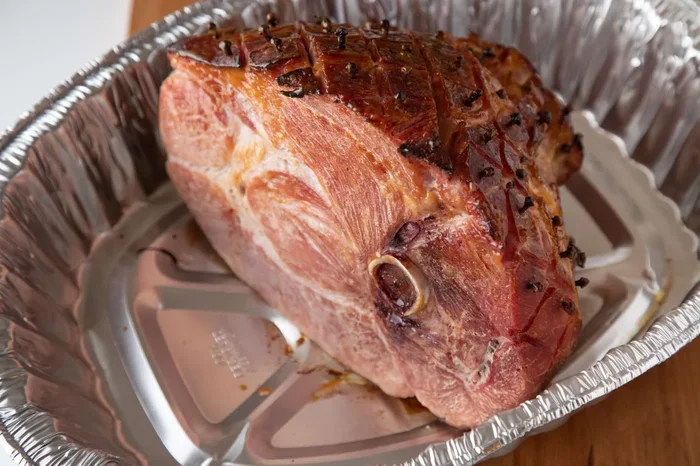
Before your ham butt goes into the oven, you need to prep it properly. Start by removing any excess fat, but leave about a quarter-inch layer. This thin layer of fat bastes the meat as it cooks and keeps it juicy. Next, use a sharp knife to score the surface. Make shallow cuts in a diamond pattern, about 1 inch apart.
Scoring serves two purposes. First, it allows the glaze for ham to penetrate deeper into the meat. Second, it creates those beautiful caramelized edges that everyone loves. After scoring, place the ham on a rack inside a roasting pan. The rack lifts the ham, allowing hot air to circulate underneath. This prevents the bottom from becoming soggy.
The Best Oven Temperature and Cooking Time
Temperature Settings for Juicy Results
The ideal oven temperature for ham is 325°F. This low and steady heat cooks the meat slowly, which is the secret to a juicy ham butt. Higher temperatures can cause the outer layer to dry out before the inside is fully heated. At 325°F, the fat renders slowly and keeps the meat tender throughout the entire cooking time for ham.
Some recipes call for starting at a higher temperature to sear the outside. While this can add flavor, it is not necessary for a bone-in ham. The low-and-slow approach at 325°F gives you the best results with very little effort. Just make sure your oven is fully preheated before you place the ham inside.
Calculating Cooking Time by Weight
The cooking time for ham depends on the weight of your cut. As a general rule, plan for about 15 to 20 minutes per pound at 325°F. Here is a simple guide to help you estimate:
- 5-pound ham butt: About 1 hour 15 minutes to 1 hour 40 minutes
- 6-pound ham butt: About 1 hour 30 minutes to 2 hours
- 7-pound ham butt: About 1 hour 45 minutes to 2 hours 15 minutes
- 8-pound ham butt: About 2 hours to 2 hours 40 minutes
These times are for a fully cooked cured ham that just needs to be heated through. If you are cooking a raw or fresh ham, the time will be longer. Always use a meat thermometer to check the internal temperature. This is the most reliable way to know when your ham butt in the oven is done.
Making the Perfect Ham Glaze
Classic Brown Sugar Glaze
A good glaze for ham makes all the difference. The classic brown sugar ham glaze is simple, sweet, and absolutely delicious. You will need brown sugar, Dijon mustard, a splash of pineapple juice, and a pinch of cloves. Mix these ingredients in a bowl until smooth. The brown sugar creates a sticky, caramelized coating, while the mustard adds a savory kick.
Apply the glaze during the last 30 to 45 minutes of cooking. Spread it evenly over the scored surface of the ham. You can also drizzle pineapple juice directly over the ham for extra moisture and sweetness. If you want a more complex flavor, add a tablespoon of apple cider vinegar to the glaze. This balances the sweetness and brings out the natural savory ham taste.
Creative Glaze Variations
Once you master the classic glaze, feel free to experiment. Here are some popular ham cooking tips for different glaze styles:
- Honey-Clover Glaze: Mix honey, whole-grain mustard, and a little butter for a rich, golden glaze.
- Pineapple-Bourbon Glaze: Add bourbon and crushed pineapple for a Southern-style twist on your oven-baked ham.
- Maple-Cinnamon Glaze: Pure maple syrup with a dash of cinnamon creates a warm, autumnal flavor perfect for fall gatherings.
- Coffee-Glaze: Brewed coffee, brown sugar, and a splash of soy sauce make a deep, savory glaze that pairs beautifully with whole ham cuts.
Apply any glaze in the final third of the cooking time. This prevents the sugar from burning and gives you a glossy, flavorful finish. Brush the glaze on every 10 minutes for the best results.
Step-by-Step: Cooking the Ham Butt in the Oven
Now that you have prepped your ham butt and made your glaze, it is time to cook. Follow these steps for a perfect ham butt in the oven:
- Preheat your oven to 325°F. Let it reach the target temperature before placing the ham inside.
- Prepare the roasting pan. Place a rack inside the pan and add about one cup of water to the bottom. This creates steam and keeps the oven moist.
- Place the ham cut-side down on the rack. Insert a meat thermometer into the thickest part of the meat, avoiding the bone.
- Cover the ham loosely with aluminum foil. This traps moisture and prevents the surface from drying out too early.
- Cook for the estimated time based on the weight. Check the temperature after the halfway point.
- Remove the foil during the last 30 to 45 minutes. This allows the surface to caramelize and the glaze for ham to set.
- Brush on the glaze every 10 minutes during this uncovered phase. You want a thick, glossy coating.
- Check the internal temperature. The ham internal temperature should reach 140°F for a fully cooked ham that is just being heated.
- Remove from the oven and let the ham rest for at least 15 minutes before slicing.
Following these ham cooking tips ensures that every ham butt in the oven comes out perfectly cooked. The foil covering phase keeps the meat moist, and the final uncovered phase creates that beautiful, sticky glaze everyone loves.
Resting, Slicing, and Serving Your Ham Butt
How to Know When Ham Is Done
The ham internal temperature is your best indicator of doneness. For a fully cooked cured ham, aim for 140°F. This means the ham is heated through and safe to eat. If you are cooking a raw or fresh ham roast, the target temperature is 145°F, followed by a three-minute rest.
Do not rely solely on cooking time. Every oven is different, and the actual cooking time for ham can vary based on the shape of the cut and your oven’s calibration. Always use a reliable meat thermometer. Insert it into the thickest part of the meat, away from the bone, for the most accurate reading.
Slicing Tips for Beautiful Serving
Once your ham butt has rested, it is time to slice. Resting is crucial because it allows the juices to redistribute throughout the meat. If you cut too early, the juices will run out, and the ham will be dry. Use a sharp carving knife for clean, even slices.
For a bone-in ham, start by slicing along the bone. Then turn the ham and slice across the grain in thin, even pieces. If you have a spiral ham, it may already be pre-sliced. In that case, simply pull the slices apart gently. Arrange the slices on a platter and spoon any accumulated juices over the top for extra flavor.
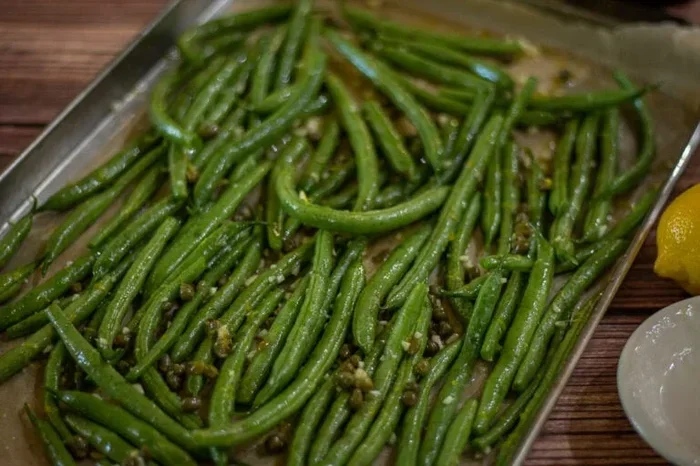
Serve your savory ham with classic sides like scalloped potatoes, green beans, or a fresh fruit salad. The leftovers make excellent sandwiches and soups the next day, so do not worry if you have extra.
Storing and Reheating Leftover Ham
One of the best things about cooking a ham butt in the oven is the leftovers. Ham leftovers are incredibly versatile and delicious. To store, wrap the sliced ham tightly in plastic wrap or aluminum foil. Place it in an airtight container and refrigerate within two hours of cooking. Properly stored ham leftovers stay fresh for up to 5 days in the fridge.
If you want to keep the ham longer, freezing is the way to go. Wrap individual slices in freezer paper or place them in a freezer-safe bag. Frozen ham roast slices keep well for up to 3 months. When you are ready to eat them, thaw in the refrigerator overnight and reheat gently in the oven or microwave.
To reheat, wrap the ham slices in foil and warm them in a 325°F oven for about 10 to 15 minutes. This keeps the moisture in and prevents the meat from drying out. You can also use the microwave for quicker reheating, but the oven method gives better texture.
Common Mistakes to Avoid When Cooking Ham Butt
Even experienced cooks can make mistakes when preparing a ham butt in the oven. Here are the most common errors and how to avoid them:
- Overcooking the ham: This is the number one mistake. Overcooked ham becomes dry and tough. Always monitor the ham internal temperature closely and pull the ham out as soon as it reaches 140°F.
- Skipping the rest period: Cutting into the ham right after it comes out of the oven releases all the juices. Give it at least 15 minutes to rest before slicing.
- Applying the glaze too early: If you put the glaze for ham on too soon, the sugars will burn. Always apply it in the last 30 to 45 minutes of cooking.
- Using too much salt: Many cured hams are already salty. Taste before adding extra salt to your glaze or seasoning.
- Not scoring the ham: Skipping the scoring step means the glaze sits on top instead of soaking into the meat. Take the extra five minutes to score properly.
- Cooking at too high a temperature: Cranking up the oven to save time will dry out your ham butt. Stick with 325°F for the best juicy results.
Expert Insights for the Perfect Ham Butt
Professional chefs share a few extra ham cooking tips that can take your ham butt in the oven from good to great. First, brine the ham overnight if you have time. A simple brine of water, brown sugar, and salt helps the meat absorb extra moisture. This is especially helpful for leaner cuts or if you tend to overcook.
Second, consider adding whole cloves to the scored surface of the ham. Press them into the diamond indentations before glazing. Cloves add a warm, aromatic flavor that pairs perfectly with brown sugar ham and creates a traditional holiday presentation. Third, save the pan drippings. You can make a simple pan sauce by deglazing the roasting pan with a splash of apple juice or cider. This makes a flavorful accompaniment to your oven-baked ham.
Finally, do not throw away the bone. After you have sliced all the meat, the bone still has flavor left in it. Use it to make ham stock for soups, beans, or cooking grains like rice and quinoa. This is a great way to use every part of your whole ham and reduce waste in the kitchen.
Conclusion
Cooking a ham butt in the oven is a rewarding and satisfying experience. With the right cut, the proper temperature, and a delicious glaze, you can create a juicy ham butt that will be the star of any meal. Follow the steps in this guide, use a meat thermometer, and remember to let the ham rest before serving. These simple ham cooking tips will help you achieve juicy results every single time.
Whether you are preparing a holiday ham for Thanksgiving or a weekend feast for the family, the ham butt in the oven method never fails. It is forgiving, delicious, and impressive. So go ahead, fire up your oven, and make a ham roast that everyone will remember. Your kitchen will smell incredible, and your guests will be asking for your secret. The truth is, there is no secret, just a little patience and the right technique.
Frequently Asked Questions
How long does it take to cook a ham butt in the oven?
The cooking time for ham depends on the weight. At 325°F, plan for 15 to 20 minutes per pound. A 6-pound ham butt typically takes about 1.5 to 2 hours. Always check the ham internal temperature to confirm doneness.
What is the best temperature to cook a ham butt in the oven?
The best oven temperature for ham is 325°F. This low and steady heat ensures the meat cooks evenly and stays juicy. Higher temperatures can dry out the outer layers before the inside is fully heated.
Should I cover the ham with foil while cooking?
Yes, covering the ham butt in the oven with foil for the first part of cooking helps retain moisture. Remove the foil during the last 30 to 45 minutes so the glaze for ham can caramelize and form a beautiful crust.
Can I use a spiral ham for this method?
Absolutely. A spiral ham works well in the oven with this method. Since it is already sliced, you may need slightly less cooking time. Check the ham internal temperature regularly and apply the glaze during the last 20 minutes.
How do I know when the ham is done?
The ham is done when the ham internal temperature reaches 140°F for a fully cooked cured ham. Use a meat thermometer inserted into the thickest part of the meat, avoiding the bone, for the most accurate reading.
What can I do with leftover ham butt?
Ham leftovers are incredibly versatile. You can make sandwiches, soups, casseroles, and omelets. Store them in the fridge for up to 5 days or freeze for up to 3 months. Reheat gently in the oven wrapped in foil to keep the meat moist.