How To Make The Perfect Coffee In Coffee Maker Video
Making coffee in a coffee maker is easy when you follow the right steps. This guide walks you through the entire process using a detailed coffee maker video. You will learn how to choose beans, grind them, and brew a strong, flavorful cup every time.
There is nothing quite like a fresh cup of coffee to start your day right. Whether you are a casual coffee drinker or a true coffee lover, making coffee at home can save you time and money. A coffee maker video makes the whole process simple to follow. You do not need to be a barista to brew a great cup. With the right tools and a little practice, you can make coffee that tastes just as good as your favorite café.
In this guide, we will show you exactly how to make the perfect coffee using your coffee maker. We will cover everything from picking the right beans to cleaning your machine after brewing. Our goal is to give you all the tips and tricks you need for a perfect cup every single morning. Let us dive in and get started.
Key Takeaways
- Right Ratio Matters: Use 2 tablespoons of coffee grounds per 6 ounces of water for the best flavor.
- Water Temperature Is Key: Hot water between 195°F and 205°F extracts the perfect taste from your grounds.
- Clean Your Machine Regularly: A clean coffee maker ensures better-tasting coffee every time you brew.
- Fresh Beans Make a Difference: Always use freshly roasted beans and grind them just before brewing.
- Watch a Coffee Maker Video: Visual learners benefit greatly from seeing each step demonstrated clearly.
- Experiment with Brew Time: Adjusting how long the water interacts with the grounds changes the strength and flavor.
📑 Table of Contents
- Why Use a Coffee Maker Video to Learn Brewing
- What You Need to Make Coffee in a Coffee Maker
- Step-by-Step Guide to Brewing Coffee
- Common Mistakes People Make When Brewing Coffee
- How to Clean and Maintain Your Coffee Maker
- How to Elevate Your Coffee Brewing Skills
- More Kitchen How-To Video Guides You Might Enjoy
- Conclusion
Why Use a Coffee Maker Video to Learn Brewing
Watching a coffee maker video is one of the best ways to learn how to brew coffee at home. When you see each step in action, it becomes much easier to follow along. Written instructions can sometimes be confusing. But a video shows you the exact movements, timing, and techniques you need.
Here are some reasons why a video guide works so well for learning coffee brewing:
- Visual demonstration helps you see the right amount of grounds and water.
- Step-by-step pacing lets you pause and replay any part you do not understand.
- Real-time results show you what a perfect brew looks like from start to finish.
- Expert tips are often shared that you might not find in a written recipe.
Even if you have used a coffee maker before, a video can teach you new tricks. Maybe you have been using too much water or not grinding your beans fine enough. A good coffee brewing video helps you spot these small mistakes and fix them right away.
Types of Coffee Makers You Can Use
Not all coffee makers are the same. Different machines work in different ways, and each one produces a unique flavor profile. Here are the most common types you might use at home:
- Drip Coffee Maker: The most popular type. It heats water and drips it through a filter full of coffee grounds.
- Single-Serve Pod Machine: Uses pods or capsules for quick, one-cup brewing with minimal cleanup.
- French Press (Immersion Brewer): Steeps grounds in hot water, then uses a plunger to separate the brew.
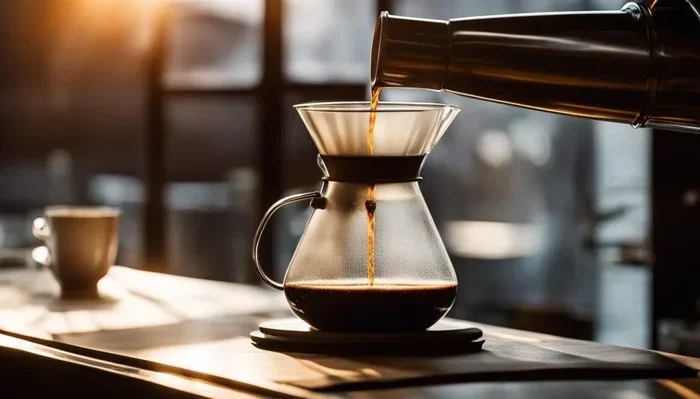
- Pour-Over Brewer: You manually pour hot water over grounds for full control over the brewing process.
- Espresso Machine: Uses pressure to force water through finely ground coffee for a strong, concentrated shot.
For this guide, we focus mainly on using a standard drip coffee maker. This is the type most people have in their kitchen. But the basic principles apply to all brewing methods. If you want to explore other methods, many coffee maker video tutorials cover each type in detail.
What You Need to Make Coffee in a Coffee Maker
Before you start brewing, make sure you have everything ready. Having all your tools and ingredients prepared makes the process smooth and fast. Here is a simple list of what you need:
- A clean coffee maker machine
- Fresh coffee beans or pre-ground coffee
- A coffee grinder (if using whole beans)
- Clean, filtered water
- A coffee filter (paper or reusable)
- A mug or carafe to catch the brew
You do not need anything fancy to make great coffee. A basic drip machine works perfectly fine. The secret is in the quality of your beans and the ratio of water to grounds. Using filtered water also makes a big difference in taste. Tap water can sometimes contain minerals or chlorine that affect the flavor of your coffee.
Choosing the Right Coffee Beans
The beans you choose are the foundation of your coffee. Fresh, quality beans make a huge difference. Look for beans that were roasted within the last two to four weeks. Check the roast date on the bag if it is listed. Dark roast beans give a bold, rich flavor. Medium roast offers a balanced taste. Light roast preserves more of the original flavors from the coffee region.
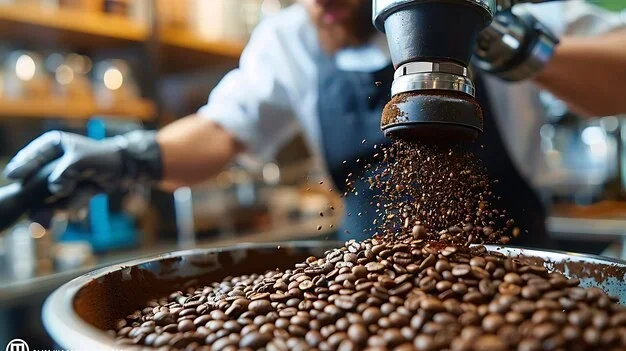
Buy whole beans whenever possible. Grind them just before you brew for the freshest cup. Pre-ground coffee loses its flavor faster because the oils evaporate once the beans are crushed. If you must use pre-ground, store it in an airtight container away from light and heat.
Step-by-Step Guide to Brewing Coffee
Now that you have your tools and beans ready, let us walk through the brewing process. Follow these steps carefully, and you will be amazed at how simple it is to make excellent coffee at home.
Step 1: Measure Your Water
Start by filling the reservoir of your coffee maker with clean, cold water. The amount of water you use determines how many cups you will brew. A standard coffee cup is about 6 ounces. Most coffee makers have markings on the side to help you measure. If yours does not, use a measuring cup to get the right amount.
Pro tip: Always use cold water. Hot water from the tap can contain impurities and may affect the taste of your coffee. Cold, filtered water gives the cleanest flavor base.
Step 2: Insert the Filter
Place a coffee filter into the filter basket. If you use a reusable metal filter, make sure it is clean and free of old grounds. Paper filters work well too. They catch the oils and fine particles that can make coffee taste muddy or bitter. Some people prefer the richer taste that comes from a metal filter. Choose whichever suits your preference.
Step 3: Add the Coffee Grounds
This is where the magic happens. The ratio of coffee grounds to water is the most important factor in brewing. Use about 2 tablespoons of ground coffee for every 6 ounces of water. This is the standard ratio recommended by most coffee experts.
If you like stronger coffee, add an extra half tablespoon per cup. If you prefer a milder taste, use a little less. The beauty of making coffee at home is that you control the strength. A coffee maker video often demonstrates this step in real time, which makes it easy to copy the exact amount.
Step 4: Brew the Coffee
Once the grounds are in the filter, close the basket and start the machine. The hot water will heat up and drip through the grounds slowly. This process usually takes between 5 and 10 minutes depending on your machine and how many cups you are brewing.
Do not rush the process. The water needs time to extract the flavors from the grounds properly. If your machine has a setting for brew strength, choose your preference. Some machines also have a pause feature that lets you pour a cup before the brewing cycle finishes.
Step 5: Serve and Enjoy
Once the brewing cycle is complete, pour your coffee into a warm mug. Black coffee tastes best when the mug is pre-warmed. You can run hot water in your mug for a few seconds before pouring the coffee in. Add milk, cream, sugar, or any sweetener you like. Or enjoy it black to taste the full flavor profile of your beans.
Drink your coffee within 30 minutes of brewing for the best taste. Coffee that sits on a hot plate for too long can turn bitter and lose its aroma. If you are not drinking it right away, pour it into a thermal carafe instead.
Common Mistakes People Make When Brewing Coffee
Even experienced coffee drinkers sometimes make mistakes that hurt the flavor of their brew. Here are the most common errors to avoid:
- Using stale beans: Old beans lose their flavor and produce flat, lifeless coffee. Always check the roast date.
- Grinding too fine or too coarse: The wrong grind size leads to over-extraction or under-extraction. Aim for a medium grind for drip machines.
- Using the wrong water temperature: Water that is too hot burns the grounds. Water that is too cool does not extract enough flavor. The sweet spot is between 195°F and 205°F.
- Skipping the cleaning: Oil buildup inside the machine can go rancid and ruin the taste of your next pot. Clean your coffee maker regularly.
- Measuring by scoop instead of weight: Scoops can be inaccurate. Using a kitchen scale gives you consistent results every time.
Avoiding these simple mistakes will immediately improve the taste of your coffee. Many of these tips are shown clearly in a good coffee maker video tutorial. Watching someone demonstrate the wrong way and the right way is incredibly helpful.
How to Clean and Maintain Your Coffee Maker
A clean coffee maker is essential for great-tasting coffee. Over time, oils from the coffee grounds build up inside the machine. Mineral deposits from water can also accumulate in the heating element. Regular cleaning keeps your coffee tasting fresh and extends the life of your machine.
Here is a simple cleaning routine you should follow:
- After every use: Throw away the used grounds and rinse the filter basket with warm water. Wipe down the outside of the machine.
- Once a week: Run a cycle with equal parts white vinegar and water. This removes mineral buildup and kills bacteria. Follow it up with two to three cycles of plain water to rinse out the vinegar taste.
- Once a month: Disassemble any removable parts like the carafe, lid, and filter basket. Wash them with warm soapy water and let them dry completely before reassembling.
- Replace filters regularly: If you use paper filters, change them every brew. Reusable metal filters should be deep cleaned every two weeks.
Taking care of your coffee maker means better coffee for years to come. A well-maintained machine also heats water more evenly, which leads to a more consistent brew. If you want to see a full cleaning demonstration, search for a coffee maker video that covers maintenance tips.
How to Elevate Your Coffee Brewing Skills
Once you have mastered the basics, you can start experimenting to take your coffee to the next level. Here are some advanced tips that coffee enthusiasts love:
Try Different Grind Sizes
The grind size affects how quickly water extracts flavor from the grounds. A coarse grind works well for French presses. A medium grind is perfect for drip coffee makers. A fine grind is ideal for espresso. Experimenting with different sizes lets you customize the flavor profile of your cup. A coffee brewing video can show you exactly what each grind looks like and how it affects the final brew.
Explore Different Coffee Origins
Coffee from different regions has distinct flavor notes. Ethiopian beans often have fruity and floral flavors. Colombian beans tend to be smooth and nutty. Kenyan beans are bright and acidic. Trying beans from different origins is like going on a journey around the world without leaving your kitchen.
Master the Art of Milk Frothing
If you enjoy latte or cappuccino style drinks, learning to froth milk is a game changer. Many coffee makers come with a steam wand for this purpose. Heat your milk to about 150°F and use a frothing pitcher. Move the wand just below the surface to create creamy microfoam. Practice makes perfect, and a coffee maker video can show you the exact technique.
Keep a Coffee Journal
Write down what beans you used, the grind size, the water ratio, and how the coffee tasted. Over time, you will learn what combinations work best for your palate. This is a great way to refine your skills and develop your own signature brew.
Brewing coffee at home should be fun and rewarding. Do not be afraid to try new things. The more you experiment, the better your coffee will become.
More Kitchen How-To Video Guides You Might Enjoy
If you enjoy learning new kitchen skills through video guides, you might also like our other how-to articles. Check out our guide on how to make toast in oven without a toaster for a simple breakfast trick. We also have a detailed piece on how to cook bacon and sausage in the oven if you want to pair your morning coffee with a perfect breakfast. And for a quick lunch idea, see our tips on how to reheat Dominos pizza in a toaster oven for the best reheated slice ever.
Conclusion
Making the perfect coffee at home does not have to be complicated. With a coffee maker video guide, you can learn the right techniques quickly and easily. Remember to use fresh beans, the correct water ratio, and clean equipment. These simple steps will transform your daily coffee routine into something truly special.
Whether you drink one cup a day or several, the quality of your brew matters. Take the time to experiment with different beans, grind sizes, and brewing methods. You will discover new flavors and find your perfect cup. Now that you know how to make coffee in a coffee maker the right way, go ahead and brew yourself a delicious cup. Enjoy every sip!
Frequently Asked Questions
Can I use any type of coffee maker for this method?
Yes, the basic principles apply to most coffee makers. Drip machines, pod machines, and pour-over brewers all follow similar steps. The key is getting the right ratio of water to coffee grounds and using clean, filtered water.
How long does it take to brew coffee in a coffee maker?
A standard drip coffee maker usually takes between 5 and 10 minutes to brew a full pot. Single-serve machines are faster and can brew a single cup in about 1 to 3 minutes. The brew time depends on the machine type and the amount of coffee you are making.
What is the best coffee-to-water ratio for a coffee maker?
The standard ratio is 2 tablespoons of coffee grounds for every 6 ounces of water. You can adjust this based on your taste preference. Use more grounds for a stronger cup or fewer grounds for a milder flavor.
Why does my coffee taste bitter?
Bitter coffee usually results from over-extraction. This can happen if the water is too hot, the brew time is too long, or the grind is too fine. Try lowering the water temperature or using a coarser grind to fix the issue.
How often should I clean my coffee maker?
You should rinse the filter basket and carafe after every use. Run a vinegar and water cleaning cycle once a week to remove mineral buildup. Deep clean removable parts once a month for the best results.
Can I reuse coffee grounds for a second brew?
Yes, you can reuse grounds for a second, weaker brew often called a “second cup.” However, the flavor will be much lighter since most of the extract was already pulled out in the first brew. It is best to use fresh grounds for the strongest cup of coffee.