How Hot To Brew Coffee For A Perfect Flavor Every Time
The ideal how hot to brew coffee temperature ranges from 195°F to 205°F for most methods. Water that is too hot causes over-extraction and bitterness, while water that is too cold leads to under-extraction and flat flavor. Whether you use a pour over, French press, or drip machine, nailing the right heat level is the single biggest factor in brewing a great cup.
There is nothing quite like a perfect cup of coffee in the morning. The aroma fills the kitchen. The warmth hits your hands. And that first sip wakes up your whole world. But here is the thing most people miss. The secret to a amazing cup of coffee is not just about beans or grind size. It is about how hot to brew coffee. Water temperature is the hidden lever that controls everything. It decides whether your coffee tastes bright and smooth or bitter and harsh. In this guide, we will walk you through exactly what temperature to use, why it matters, and how to nail it every single time.
Whether you are a beginner just starting out or a seasoned coffee lover looking to level up, this article has you covered. We will break down the science in simple terms. We will cover every popular brewing method. And we will share practical tips you can use starting today. So grab your favorite mug and let us dive into the world of brewing coffee temperature.
Key Takeaways
- Target 195°F to 205°F: This is the sweet spot for most coffee brewing methods and ensures proper extraction.
- Too hot burns the grounds: Water above 205°F pulls out bitter compounds and ruins your cup.
- Too cold under-extracts: Water below 195°F leaves your coffee weak, sour, and lacking depth.
- Different methods need different temps: Espresso runs hotter, while cold brew skips heat entirely.
- A simple kitchen thermometer changes everything: Measuring your water takes seconds and transforms your brew.
- Freshly boiled water needs a moment: Letting water rest for 30 seconds brings it into the ideal range.
- Clean equipment matters: Mineral buildup insulates your gear and throws off temperature accuracy.
📑 Table of Contents
The Science Behind Coffee Brewing Temperature
Let us start with the basics. When hot water touches coffee grounds, it pulls out flavors, oils, and acids. This process is called extraction. The temperature of your water controls how fast and how much gets extracted. Think of it like steeping tea. Hotter water extracts faster. Cooler water takes longer. Coffee works the same way, but with much more complexity.
The ideal coffee extraction temperature sits between 195°F and 205°F (90°C to 96°C). In this range, water dissolves the right balance of compounds. You get sweetness, acidity, body, and aroma all working together. Go above 205°F and you start pulling out bitter, harsh flavors. Go below 195°F and your coffee tastes sour and thin. This narrow window is why how hot to brew coffee is such a big deal.
Several factors affect extraction besides temperature. Grind size plays a huge role. Water contact time matters too. But temperature is the one variable you can control most easily. A good thermometer removes all the guesswork. And once you master it, your coffee will never taste the same again.
What Happens When Water Is Too Hot
Boiling water is 212°F. That is way too hot for coffee. When you brew with water at this temperature, you over-extract the grounds. Over-extraction pulls out unpleasant compounds. Your coffee turns bitter and astringent. It can also taste burnt or hollow. Many people blame their beans when the real problem is the water.
If you pour boiling water directly off the boil, wait at least 30 seconds. This lets the temperature drop into the safe zone. Another trick is to boil water and then transfer it to a different container. This cools it slightly faster. The goal is always to stay between 195°F and 205°F for the best results.
What Happens When Water Is Too Cold
Under-extraction is just as bad as over-extraction. When water is too cool, it does not dissolve enough flavor compounds. Your coffee tastes sour, weak, and flat. It lacks body and depth. Some people mistake this for a bad bean when the real issue is brewing temperature.
If you find your coffee always tastes a bit sharp or tart, check your water temperature first. You might be surprised. A small adjustment can make a huge difference. This is especially true for methods like pour over and drip brewing where water cools quickly.
Ideal Brewing Temperatures For Different Methods
Not all coffee brewing methods use the same temperature. Each method has its own sweet spot. Let us break it down by method so you know exactly what to do.
Pour Over Coffee
Pour over brewing is all about control. You decide the water temperature, the pour speed, and the contact time. The best temperature for pour over coffee is 200°F to 205°F. This range extracts the full flavor profile without pulling out bitterness. Use a gooseneck kettle for precision. Heat your water to a boil, then let it sit for 30 seconds before pouring.
A kitchen thermometer is your best friend here. Dip it into the water before each pour. You will be amazed at how much better your coffee tastes when you are consistent. Many coffee shops use thermometers because they know the difference it makes.
French Press
French press coffee needs slightly lower temperatures because of the long steep time. The ideal range is 195°F to 200°F. Since the grounds sit in water for four minutes, hotter water can over-extract quickly. Start with water just off the boil. Let it cool for about a minute before pouring it over the grounds.
Stir the mixture gently at the one-minute mark. This ensures even extraction. Then let it sit for the remaining time. The result is a rich, full-bodied cup with balanced flavors. French press lovers swear by this temperature range for a reason.
Espresso
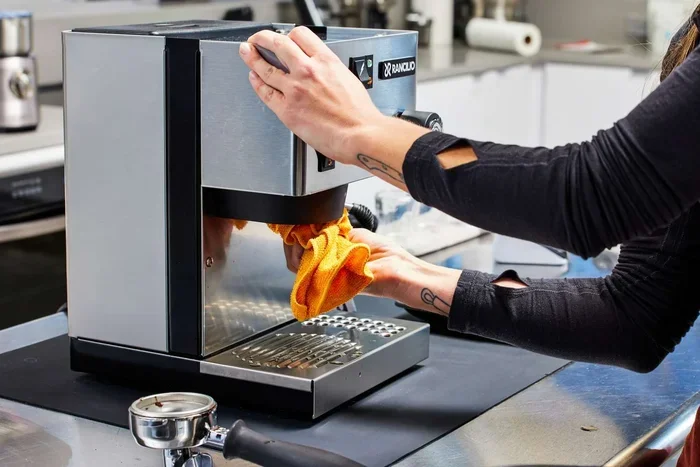
Espresso machines run hotter than most other methods. The water temperature for espresso typically ranges from 195°F to 205°F as well. However, because espresso uses pressure, the extraction happens in just 25 to 30 seconds. The high pressure forces water through fine grounds at a fast rate.
If your espresso tastes bitter, try lowering the temperature by a few degrees. If it tastes sour, raise it slightly. Most machines have a temperature setting you can adjust. Take time to experiment. Finding your perfect espresso brewing temperature is a journey worth taking.
Drip Coffee Maker
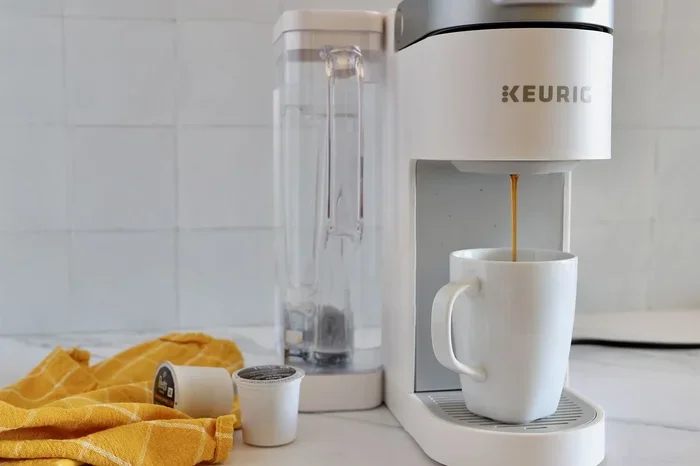
Drip coffee makers heat water internally, and not all machines do it well. Some brew at too low a temperature, which leads to weak, sour coffee. Others run too hot and create bitterness. The best drip machines maintain a temperature between 195°F and 205°F throughout the brew cycle.
If you want more control, preheat your machine with plain water first. Then discard that water and add your grounds. This warms the internal components and helps maintain a stable brewing temperature. You can also use a separate kettle to heat water and pour it into a drip machine with a manual setting if yours has one.
AeroPress
The AeroPress is a versatile little device. It works well with a range of temperatures. For a standard brew, aim for 175°F to 185°F. For a longer steep, use 200°F to 205°F. The AeroPress is forgiving because of its short brew time and pressure-assisted extraction. This makes it a great option for beginners learning about how hot to brew coffee.
Many AeroPress fans use the inverted method for more control. Whatever technique you prefer, the temperature flexibility of the AeroPress lets you experiment and find your personal sweet spot.
Cold Brew
Cold brew skips hot water entirely. Instead, you steep coarse grounds in cold or room-temperature water for 12 to 24 hours. The result is a smooth, low-acid concentrate. Because there is no heat involved, extraction happens very slowly. Cold brew is naturally less bitter than hot brewed coffee.
If you want a faster steep, you can use room-temperature water instead of cold. This shortens the brew time to about 8 to 12 hours. The flavor is slightly brighter but still smooth. Cold brew is perfect for hot days and for people who are sensitive to acidity.
How To Measure Water Temperature For Coffee
Measuring your water temperature does not have to be complicated. You have several options, and none of them are expensive. The key is finding a method that works for your routine.
Using a Kitchen Thermometer
A simple digital kitchen thermometer is the most accurate tool. Just dip the probe into your water before brewing. These thermometers cost under fifteen dollars and last for years. Look for one with a fast readout so you are not waiting around. Place it in the water and wait for the number to stabilize. Then adjust your pouring or waiting time accordingly.
Many coffee enthusiasts keep a thermometer next to their kettle at all times. It becomes second nature after a few days. Once you see the numbers, you start to understand your water better. This small habit transforms your daily coffee brewing routine.
Using a Variable Temperature Kettle
Variable temperature kettles are a game changer. They let you set the exact temperature you want and hold it there. You do not need a separate thermometer. Just dial in your number and start brewing. These kettles are especially popular among pour over and espresso temperature enthusiasts.
Brands like Bonavita, Fellow Stagg, and Hario make excellent options. Prices range from thirty to one hundred dollars depending on features. If you drink coffee every day, a variable temperature kettle is one of the best investments you can make. It takes the guesswork out of how hot to brew coffee completely.
The Boil and Wait Method
No equipment? No problem. You can estimate temperature without any tools. Bring your water to a full boil, then remove it from the heat. Wait 30 seconds for a temperature around 205°F. Wait 60 seconds for roughly 200°F. Wait 90 seconds for about 195°F.
This method is not perfect, but it gets you close. Over time, you will develop a feel for it. You will notice the difference in your cup and start to adjust naturally. It is a great starting point for anyone new to coffee brewing temperature control.
Common Mistakes That Ruin Your Brew
Even experienced coffee drinkers make temperature mistakes. Here are the most common ones and how to avoid them.
Using Boiling Water Directly
This is the number one mistake. Boiling water at 212°F scorches coffee grounds. It extracts too many bitter compounds and destroys delicate flavors. Always let your water cool for at least 30 seconds after boiling. If you are using a kettle with a temperature setting, even better. Set it to 200°F and skip the waiting.
Ignoring Room Temperature
Did you know that the temperature of your kitchen affects your coffee? In a cold room, water cools faster. In a hot room, it stays warmer longer. This changes your brewing temperature without you realizing it. Try to brew in a stable environment. Avoid placing your kettle or mug near drafts or direct sunlight.
Neglecting Equipment Maintenance
Mineral buildup inside your coffee maker or kettle acts as insulation. It makes it harder for your machine to reach the right temperature. It also creates hot spots that unevenly extract your grounds. Descale your equipment regularly. For tough stains, a dishwasher tablet works wonders for cleaning without scrubbing. Check out how to clean with a dishwasher tablet without scrubbing for tips that also apply to kitchen equipment care.
Not Preheating Your Brewer or Mug
Cold equipment steals heat from your water the moment it touches the surface. A cold mug or a cold French press drops your brewing temperature by several degrees in seconds. Always rinse your brewer and mug with hot water before you start. This small step keeps your temperature stable and your coffee tasting its best.
Tips For Brewing Coffee At The Right Temperature
Now that you understand the science, here are practical tips to improve your daily brew.
- Invest in a thermometer. A 10-dollar digital thermometer changes everything. Use it every day until temperature control becomes second nature.
- Buy a variable temperature kettle. This is the single best upgrade for pour over and drip coffee lovers. Set it and forget it.
- Store your beans properly. Fresh beans from a coffee roaster taste better at any temperature. Keep them in an airtight container away from light.
- Grind just before brewing. Pre-ground coffee loses flavor fast. Freshly ground beans extract more evenly at the right temperature.
- Use filtered water. Tap water contains minerals and chlorine that affect taste and temperature stability. Filtered water gives you a cleaner, more consistent brew.
- Experiment and take notes. Try different temperatures for the same beans. Write down what you taste. Over time, you will find your perfect coffee extraction temperature.
Temperature control is not about being a perfectionist. It is about making your coffee taste better with minimal effort. Even small adjustments lead to big improvements in flavor.
How Temperature Affects Coffee Flavor
The relationship between how hot to brew coffee and flavor is fascinating. Let us break it down by what different temperature ranges taste like.
| Temperature Range | Flavor Profile | Best For |
|---|---|---|
| 185°F to 195°F | Bright, acidic, light body | Light roast, pour over |
| 195°F to 205°F | Balanced, sweet, full body | Medium roast, all methods |
| 205°F to 212°F | Bitter, harsh, burnt notes | Avoid this range |
| Room temp (cold brew) | Smooth, low acid, sweet | Cold brew concentrate |
As you can see, temperature shapes every aspect of your cup. Lighter roasts tend to shine at slightly lower temperatures. Darker roasts can handle a bit more heat without turning bitter. The key is to match your temperature to your roast level and your taste preferences.
Some coffee drinkers love the bright acidity of a lighter brew. Others prefer the deep, bold flavors that come from a hotter extraction. Neither is wrong. It is all about finding what works for you. Start with the standard range of 195°F to 205°F and adjust from there. Your taste buds are the best guide you have.
Temperature also affects the aroma of your coffee. Hotter water releases more aromatic compounds. This is why coffee smells so good when it is fresh and hot. But too much heat burns off the delicate aromas that make specialty coffee so complex. The balance is everything. When you get the brewing heat right, you can smell and taste the difference immediately.
Final Thoughts On Brewing The Perfect Cup
How hot to brew coffee might seem like a small detail, but it is the detail that makes the biggest difference. Temperature controls extraction, flavor, acidity, and aroma. Master this one variable and your coffee will leap to a whole new level. You do not need expensive gear or years of experience. You just need a thermometer, a little patience, and a willingness to experiment.
Start today. Check your water temperature before your next brew. Notice the difference. Adjust if needed. Keep what works and toss what does not. Over time, you will develop a routine that produces a perfect cup every single morning. That is the beauty of understanding coffee brewing temperature. It puts you in control. It turns an everyday habit into a ritual you genuinely enjoy.
The world of coffee is vast and wonderful. There is always something new to learn. But temperature is the foundation everything else builds on. Get this right and everything else falls into place. Your beans, your grind, your method, and your water all work together. But it is the heat that brings them all to life. So go ahead. Brew yourself a perfect cup and savor every sip.
Frequently Asked Questions
What is the best temperature to brew coffee?
The best temperature to brew coffee is between 195°F and 205°F. This range works for almost all brewing methods and ensures proper extraction without bitterness or sourness. A simple kitchen thermometer helps you hit this target consistently every time you brew.
Can you brew coffee with boiling water?
You can, but you should not pour boiling water directly onto your grounds. Water at 212°F over-extracts the coffee and creates a bitter, harsh taste. Let boiling water sit for 30 to 60 seconds to cool into the ideal range before brewing for the best results.
Does water temperature affect coffee acidity?
Yes, water temperature has a big impact on acidity. Lower brewing temperatures around 195°F tend to highlight bright, acidic notes. Higher temperatures above 205°F can make acidity feel harsh and unpleasant. Finding your preferred temperature helps balance acidity with sweetness and body.
What is the best temperature for French press coffee?
French press coffee tastes best when brewed at 195°F to 200°F. Because the grounds steep for four minutes, a slightly lower temperature prevents over-extraction. This produces a rich, smooth cup with balanced flavors and a pleasant body.
How can I measure water temperature without a thermometer?
The boil and wait method works well without a thermometer. Bring water to a full boil, then remove it from heat. Wait 30 seconds for roughly 205°F, or 60 seconds for about 200°F. While not exact, this approach gets you close to the ideal range for most brewing methods.
Does grind size affect the ideal brewing temperature?
Grind size and temperature work together in extraction. Finer grinds extract faster and can use slightly lower temperatures. Coarser grinds need a bit more heat or longer contact time. Adjusting both variables together gives you the most control over your final cup of coffee.
=== CONCLUSION ===
How hot to brew coffee is one of the most important things you can learn about making great coffee at home. The ideal temperature range of 195°F to 205°F applies to nearly every brewing method, from pour over to French press to espresso. Too hot and your coffee turns bitter. Too cold and it turns sour. Getting the temperature right brings out the full flavor, aroma, and sweetness of your beans.
Start with a thermometer or a variable temperature kettle. Pay attention to your water. Preheat your equipment. And never be afraid to experiment. Small changes in temperature lead to big changes in flavor. Once you feel the difference, you will never go back to guessing again. Your perfect cup of coffee is waiting, and it starts with the right heat.