How To Make Boiled Coffee Using The Simple Stovetop Method
Boiled coffee is one of the oldest and simplest ways to brew a rich, full-bodied cup of coffee right on your stovetop. This how to make boiled coffee guide walks you through the easy stovetop method using just water, coffee grounds, and a pot. You will learn the exact steps, tips, and tricks to get café-quality boiled coffee without any fancy equipment. Whether you prefer strong boiled coffee or a milder cup, this method gives you full control over flavor and strength.
Key Takeaways
- Boiled coffee is simple: You only need water, coffee grounds, and a pot to make it on the stovetop.
- It is a traditional method: Boiled coffee has been enjoyed for centuries and is the basis for styles like Turkish and cowboy coffee.
- You control the flavor: Adjust the water-to-coffee ratio and brewing time to get your perfect cup every time.
- No special equipment needed: Skip the expensive coffee maker and use what you already have in your kitchen.
- Quick and easy: The whole process takes just a few minutes from start to finish.
- Versatile and forgiving: Experiment with spices, ratios, and serving styles to make boiled coffee your own.
📑 Table of Contents
- What Is Boiled Coffee And Why Make It?
- What You Need To Make Boiled Coffee
- Step-By-Step Guide To Making Boiled Coffee On The Stovetop
- Tips For Perfect Boiled Coffee Every Time
- Common Mistakes To Avoid When Making Boiled Coffee
- Boiled Coffee Versus Other Brewing Methods
- Serving Suggestions and Pairings
- Conclusion
What Is Boiled Coffee And Why Make It?
Boiled coffee is exactly what it sounds like. You heat water on the stove, add coffee grounds, and let the mixture simmer. This is one of the oldest ways to brew coffee in the world. People have been making boiled coffee for centuries across many cultures. From the hills of the American West to the streets of Istanbul, this method has stood the test of time.
The method is simple but effective. Unlike modern drip machines or espresso makers, boiled coffee lets the grounds steep directly in hot water. This creates a strong, rich flavor that many coffee lovers prefer. The result is a bold cup that feels traditional and satisfying. Every sip carries the deep, full taste that comes from direct contact between water and grounds.
There are several reasons to try this method. First, it requires no special equipment. You do not need a coffee maker or fancy gadgets. Second, it gives you full control over the taste. You decide how strong or mild you want your brew. Third, it is fast. A pot of boiled coffee is ready in under ten minutes. If you are in a hurry or do not want to deal with complicated machines, this method is perfect for you.
Many people also love boiled coffee because it connects to tradition. Cowboy coffee, Turkish coffee, and Scandinavian boiled coffee all use this basic approach. Each culture has its own twist, but the core method stays the same. Making boiled coffee at home lets you join a long line of coffee drinkers who preferred simplicity and bold flavor over convenience.
What You Need To Make Boiled Coffee
You do not need much to make boiled coffee on the stovetop. Here is what you should have ready before you start. The fewer tools you need, the easier it is to get started.
Essential Equipment
A medium-sized pot is your main tool. A saucepan works great for this. Choose one that is at least four cups in size. This gives you room for the water to boil without overflowing. A pot with a heavy bottom distributes heat more evenly, which helps prevent burning.
You will also need a spoon for stirring. A long-handled spoon is best because it keeps your hands away from the heat. A fine mesh strainer or cheesecloth helps filter the grounds when you pour. These are items you likely already have in your kitchen, which makes this method even more appealing.
Ingredients You Need
The ingredients are simple. You need fresh cold water and ground coffee. Use about two tablespoons of coffee for every six ounces of water. This ratio gives you a standard strength cup that most people enjoy.
Freshly ground coffee works best for the best flavor. However, pre-ground coffee also works fine. The key is to use a medium or coarse grind. Avoid very fine grounds because they make the coffee gritty and hard to filter. A coarse grind lets the water flow through more easily and produces a cleaner cup.
If you like flavored coffee, you can add spices. Cinnamon, cardamom, or a pinch of salt all work well. These additions give your boiled coffee a unique twist. Some people even add a tiny bit of cocoa powder for a mocha-like flavor. The possibilities are endless when you brew at home.
Step-By-Step Guide To Making Boiled Coffee On The Stovetop
Now let us get into the process. Follow these steps for a perfect cup every time. The stovetop method is straightforward, but small details make a big difference in the final taste.
Step One: Heat the Water
Pour cold water into your pot. Use fresh, cold water for the best taste. Heat the water on medium-high until it reaches a rolling boil. This usually takes about three to five minutes depending on your stove and pot size.
Do not use already hot water. Hot tap water can taste flat or contain traces of metals from your pipes. Cold water always makes cleaner, better-tasting coffee. Starting with cold water also ensures that the water heats evenly as it boils.
Step Two: Add the Coffee Grounds
Once the water boils, remove the pot from the heat. Let it sit for about thirty seconds. This brief pause helps the water cool slightly. It also prevents the coffee from tasting bitter. Adding grounds to water that is just off the boil extracts flavor without burning the coffee.
Add your coffee grounds slowly. Stir gently with your spoon. Make sure all the grounds are wet and submerged in the water. Even distribution of grounds ensures that every sip has consistent flavor. Take your time with this step to get the best results.
Step Three: Let It Brew
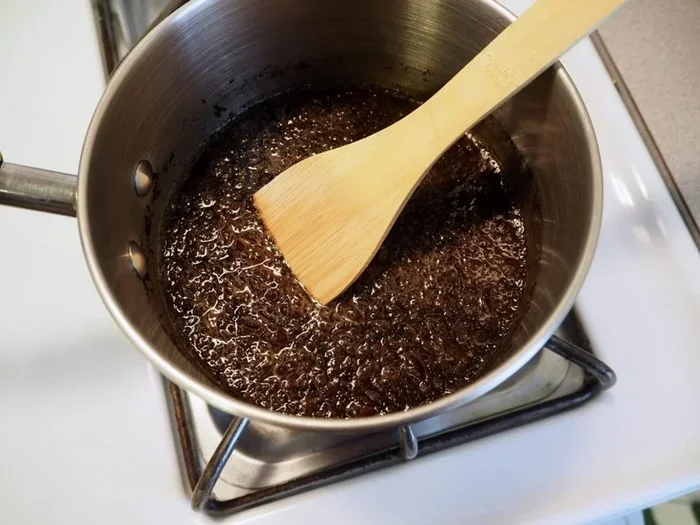
Place the pot back on low heat. Let the mixture heat up slowly. You want small bubbles to form, not a full rolling boil. A gentle simmer is ideal for extracting flavor without burning the grounds. Keep the heat low and let the coffee do its work.
Let the coffee brew for about two to three minutes. Watch it carefully. You will notice a layer of foam forming on top. This is normal and part of the brewing process. The foam contains oils and fine particles that add to the coffee’s body and richness. Do not worry if it looks a little frothy.
Step Four: Let the Grounds Settle
Remove the pot from the heat and let it sit for one to two minutes. The grounds will sink to the bottom of the pot. This settling step is crucial for a clean cup. Patience here makes a noticeable difference in the texture of your drink.
If you are in a hurry, you can skip this step. But waiting just a little longer gives you a smoother drink with less grit in your cup. The choice is yours, but I strongly recommend taking those extra minutes.
Step Five: Pour and Serve
Pour the coffee slowly into your cup. Pour gently to avoid disturbing the grounds at the bottom. A steady, thin stream works best. If you pour too fast, you stir up the sediment and create a gritty drink.
If you have a strainer, place it over your cup while pouring. This catches any remaining fine particles. Your boiled coffee is now ready to enjoy. Sit down, take a sip, and savor the result of your simple, hands-on brewing process.
Tips For Perfect Boiled Coffee Every Time
Making great boiled coffee is easy once you know a few tricks. These tips help you get the best flavor from every batch. Small adjustments can turn a good cup into a great one.
Use the Right Water Ratio: The water-to-coffee ratio matters a lot. For a standard cup, use two tablespoons of grounds per six ounces of water. If you like stronger coffee, add an extra half tablespoon. For a milder taste, use one and a half tablespoons instead. Experiment until you find your sweet spot.
Cold, filtered water makes the cleanest cup. Avoid distilled water because it lacks minerals that help extract flavor from the grounds. The small amount of minerals in regular tap or filtered water actually improves the extraction process.
Do Not Overboil the Coffee: Boiling coffee for too long makes it bitter and harsh. Keep the brewing time short. Two to three minutes on low heat is the sweet spot. Overcooking the grounds releases unpleasant flavors that ruin the drink. Set a timer if you need to stay on track.
Some people like to bring the water to a boil first, then add grounds off the heat. This is called the off-heat method. It produces a smoother, less bitter cup. Try both approaches and see which one you prefer. Different methods suit different tastes.
Use the Right Grind Size: A medium or coarse grind works best for boiled coffee. Fine grounds pass through strainers and make your coffee gritty. They also release too much flavor too quickly, leading to bitterness. If you only have fine grounds, let the coffee settle longer before pouring. This gives the grounds more time to sink to the bottom.
Clean Your Equipment Promptly: Coffee residue builds up in pots over time. It can affect the taste of your next brew. Clean your pot thoroughly after each use. If you need to clean other kitchen surfaces or appliances, a dishwasher tablet can work wonders for tough kitchen messes without harsh scrubbing. Keeping your kitchen clean makes the whole coffee-making experience more enjoyable.
Common Mistakes To Avoid When Making Boiled Coffee
Even simple methods have common pitfalls. Here are mistakes to watch out for so you can avoid them. Learning from others saves you time and wasted coffee.
Using Boiling Water Directly on Grounds: Many people pour boiling water straight onto coffee grounds. This burns the coffee and creates a harsh, bitter taste. Let the water cool for thirty seconds after boiling before adding grounds. That short wait makes a real difference in the final flavor.
Skipping the Settling Step: Rushing to pour before the grounds settle leads to a gritty cup. Always let the pot sit for at least one minute. Your tongue will thank you. The sediment at the bottom of the pot is normal and expected. Pouring slowly and carefully keeps it out of your cup.
Using Too Much Coffee: More coffee does not mean better coffee. Using too many grounds makes the drink overly strong and bitter. Stick to the recommended ratio and adjust to your taste over time. It is easier to add more coffee than to fix an over-extracted, bitter cup.
Not Paying Attention to Heat: High heat causes the water to boil too aggressively, which can scorch the coffee grounds. Keep the heat low during the brewing phase. A gentle simmer extracts the best flavors without introducing bitterness. Trust the process and let the low heat do the work.
Boiled Coffee Versus Other Brewing Methods
How does boiled coffee compare to other popular methods? Let us take a quick look at the most common alternatives. Understanding the differences helps you choose the right method for your lifestyle.
Boiled Coffee vs Drip Coffee
Drip coffee makers are convenient and consistent. They produce a clean cup with minimal sediment. However, they can lack the deep, rich flavor that boiled coffee delivers. Boiled coffee extracts more oils from the grounds, giving it a fuller body and more complex taste. If you love bold coffee, boiled coffee might be your new favorite.
Boiled Coffee vs Espresso
Espresso uses pressure to force water through fine grounds. It creates a concentrated, intense shot. Boiled coffee is gentler and less concentrated. It is closer to a French press in strength but with a different texture. Espresso requires expensive equipment, while boiled coffee needs nothing more than a pot and a stove.
Boiled Coffee vs Instant Coffee
Instant coffee is the fastest option. You just add hot water to a spoon of powder. But it lacks the depth and complexity of freshly brewed coffee. If you have ever wondered why instant coffee affects your stomach differently, it is because the processing changes the compounds in the coffee. Boiled coffee uses real grounds, which many people find easier on the stomach and more satisfying in flavor.
Boiled Coffee vs French Press
A French press steeps grounds in hot water and then uses a plunger to separate them. Boiled coffee uses a similar steeping method but with heat applied directly. The result is comparable in body and richness, but boiled coffee has a slightly different mouthfeel. Both methods produce full-flavored coffee without the need for paper filters.
| Method | Brew Time | Equipment Needed | Flavor Strength | Ease of Use |
|---|---|---|---|---|
| Boiled Coffee | 5-7 min | Pot and spoon | Strong and bold | Very Easy |
| Drip Coffee | 5 min | Drip machine | Medium and clean | Easy |
| Espresso | 2 min | Espresso machine | Very strong | Moderate |
| French Press | 4 min | French press | Strong and rich | Easy |
| Instant Coffee | 1 min | None | Mild and simple | Very Easy |
Serving Suggestions and Pairings
Boiled coffee tastes great on its own. But it also pairs wonderfully with breakfast foods. Try it alongside crispy bacon and sausage for a hearty morning meal. The bold flavor of boiled coffee cuts through the richness of breakfast meats perfectly. It is a classic combination that never gets old.
You can also add milk, cream, or sugar to taste. Some people enjoy a dash of cinnamon or cocoa powder stirred in. These additions make boiled coffee feel like a cozy treat on cold mornings. A little vanilla extract can also add a warm, sweet note without adding calories.
For an iced version, let the coffee cool completely and pour it over ice. Add a splash of milk or vanilla for a refreshing summer drink. Iced boiled coffee works especially well on hot days when you want something cold but still full of flavor. It is a great alternative to sugary iced coffee drinks from the store.
Try serving boiled coffee at gatherings or family breakfasts. It is a conversation starter and a crowd-pleaser. People are often curious about traditional methods, and sharing the process makes coffee time more meaningful. Plus, it is incredibly easy to make a large pot for multiple people.
Conclusion
Making boiled coffee on the stovetop is one of the easiest and most rewarding ways to enjoy coffee at home. It requires no expensive equipment, no complicated steps, and no special skills. With just water, grounds, and a pot, you can brew a strong, flavorful cup in minutes.
The stovetop boiled coffee method has stood the test of time for good reason. It produces a rich, full-bodied drink that modern machines often struggle to match. Whether you are a coffee purist or just looking for a simple morning routine, this method delivers every time. The simplicity of the process is part of its charm.
Try it today. Once you master the basic technique, you can experiment with ratios, spices, and serving styles. Boiled coffee is versatile, forgiving, and deeply satisfying. Your perfect cup is just a few minutes on the stove away. Embrace the tradition, enjoy the process, and savor every sip of your homemade boiled coffee.
Frequently Asked Questions
Can I Use Any Type of Coffee Grounds for Boiled Coffee?
Yes, you can use any type of ground coffee for boiled coffee. However, a medium or coarse grind works best. Fine grounds can make the coffee gritty and harder to filter. If you only have finely ground coffee, let the pot settle longer before pouring to get a cleaner cup.
How Long Should I Boil Coffee For?
The ideal brewing time is two to three minutes on low heat after adding the grounds. Let the mixture simmer gently rather than boil aggressively. Overboiling the coffee makes it bitter and harsh, so keep a close eye on the pot during this step.
Is Boiled Coffee the Same as Cowboy Coffee?
Yes, cowboy coffee is a type of boiled coffee. The term comes from cowboys who brewed coffee over open fires on the trail. The basic method is the same: heat water, add grounds, let it brew, and let the grounds settle before pouring. Different cultures have their own names for this simple technique.
Can I Make Boiled Coffee Without a Stovetop?
Absolutely. You can use any heat source, including a campfire, hot plate, or electric kettle followed by steeping. The key is heating water and allowing the grounds to steep. The stovetop method is just the most common and convenient way to do it at home.
Why Does My Boiled Coffee Taste Bitter?
Bitter boiled coffee usually results from using water that is too hot when adding grounds, boiling for too long, or using too much coffee. Let the water cool for thirty seconds after boiling, keep the brewing time short, and stick to the recommended ratio. Adjusting these variables almost always fixes bitterness.
Can I Reheat Boiled Coffee?
Yes, you can reheat boiled coffee, but it may lose some of its fresh flavor. Reheating can also bring out more bitter notes. It is best to make only as much as you plan to drink right away. If you must reheat, do so gently on low heat to preserve the taste as much as possible.