How Do You Toast Nuts In The Oven For Perfect Crunch
Toasting nuts in the oven is the easiest way to unlock deep flavor and satisfying crunch. You simply spread raw nuts on a baking sheet, set the right temperature, and watch them transform in minutes. This guide covers every step from prep to cooling so you get perfect results each time. Whether you love almonds, walnuts, or pecans, you will find clear instructions and pro tips here. Master the art of oven-toasted nuts and elevate your cooking today.
There is something magical about toasting nuts in the oven. A few minutes of heat transforms bland, soft raw nuts into crunchy, aromatic bites packed with flavor. Whether you are topping a salad, garnishing a dessert, or snacking straight from the pan, oven-toasted nuts take your dishes to the next level.
Many people wonder how do you toast nuts in the oven without burning them or ending up with uneven color. The truth is, it is simpler than most recipes make it sound. With the right temperature, a little patience, and a few easy tricks, you can achieve perfectly crunchy nuts every single time. This guide walks you through the entire process step by step.
Key Takeaways
- Low and slow is the secret: Toast nuts at 325°F to 350°F for even browning and maximum flavor.
- Spread nuts in a single layer: This ensures uniform toasting and prevents burning or steaming.
- Stir halfway through cooking: Regular stirring promotes even color and prevents hot spots.
- Cool nuts on a sheet pan: They continue to crisp up as they cool, so resist the urge to move them immediately.
- Store properly to keep crunch: Airtight containers at room temperature keep toasted nuts fresh for up to two weeks.
- Watch for the visual and aroma cues: Nuts are done when golden brown and fragrant, not just by timer alone.
- Chop after toasting for best results: Toasting whole nuts preserves flavor and prevents burning on cut edges.
📑 Table of Contents
- Why You Should Toast Nuts In The Oven
- Choosing the Right Nuts for Toasting
- How Do You Toast Nuts In The Oven: Step by Step
- Timing and Temperature Guide for Different Nuts
- Common Mistakes to Avoid When Toasting Nuts
- Flavor Variations and Seasoning Ideas
- Using Toasted Nuts in Recipes
- How to Store Toasted Nuts Properly
- Quick Tips for Perfect Toasted Nuts
- Expert Insights on Toasting Nuts
- Frequently Asked Questions
- Conclusion
Why You Should Toast Nuts In The Oven
Raw nuts taste fine on their own, but toasting them changes everything. The heat triggers a process called the Maillard reaction, which creates complex flavors and a rich aroma. This is the same reaction that makes toasted bread so irresistible.
When you toast nuts in the oven, you get several benefits that make the effort worthwhile.
Enhanced Flavor
Heat brings out the natural oils inside each nut. The result is a deeper, more rounded taste that raw nuts simply cannot match. Walnuts taste earthier. Almonds taste sweeter. Pecans taste richer. This flavor boost makes a noticeable difference in any recipe.
Better Texture
Raw nuts can feel soft or slightly chewy. Toasting removes moisture and creates that satisfying snap and crunch we all love. Crunchy toasted nuts add a wonderful contrast to smooth dishes like salads, yogurt, and ice cream.
Easier Digestion
Some people find raw nuts harder to digest. The toasting process helps break down certain compounds, making nuts gentler on the stomach. While this is not a cure-all, many cooks notice a difference after switching to oven-baked nuts.
Longer Shelf Life
Toasting removes residual moisture, which helps prevent spoilage. Properly stored, toasted nuts stay fresh longer than their raw counterparts. This makes them a great make-ahead ingredient for your kitchen.
Choosing the Right Nuts for Toasting
Not all nuts behave the same way in the oven. Some toast quickly, while others need a bit more time. Understanding these differences helps you get the best results every time.
Best Nuts for Oven Toasting
Almost any nut can be toasted, but some are especially forgiving and delicious:
- Almonds: Toast evenly and develop a sweet, nutty flavor. Sliced and whole almonds both work great.
- Walnuts: Rich and buttery when toasted. Break them into halves for the best results.
- Pecans: Caramelize beautifully and add a warm, sweet depth to dishes.
- Cashews: Toast quickly and develop a golden color fast. Watch them closely to avoid burning.
- Pistachios: Turn a vibrant green when toasted. They make a stunning garnish for desserts and salads.
- Hazelnuts: Develop a toasty, caramel-like flavor perfect for baking and spreads.
- Brazil Nuts: Toast slowly and develop a creamy, rich taste.
Tips for Selecting Nuts
Always start with fresh, raw nuts. Avoid nuts that have been sitting in your pantry for months. Fresh nuts toast better and taste significantly superior. Look for nuts that feel heavy and smell clean. If they smell rancid, skip them and buy a new batch.
Buy nuts in their shells whenever possible. Shelled nuts lose flavor faster and can dry out during toasting. Raw unsalted nuts give you the most control over flavor and seasoning.
How Do You Toast Nuts In The Oven: Step by Step
This is the core section that answers the main question directly. Follow these steps for perfectly toasted nuts every time.
Step 1: Preheat Your Oven
Set your oven to 325°F (163°C). This moderate temperature is the sweet spot for even toasting without burning. Some recipes call for 350°F, but 325°F gives you a wider window and more control. Oven temperature matters more than most people realize.
Step 2: Prepare Your Baking Sheet
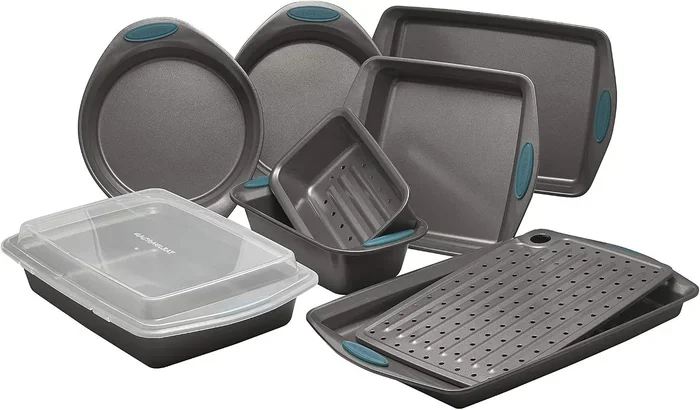
Line a baking sheet or sheet pan with parchment paper or a silicone baking mat. This prevents sticking and makes cleanup a breeze. You can also use a bare metal pan, but parchment is more forgiving.
Step 3: Spread Nuts in a Single Layer
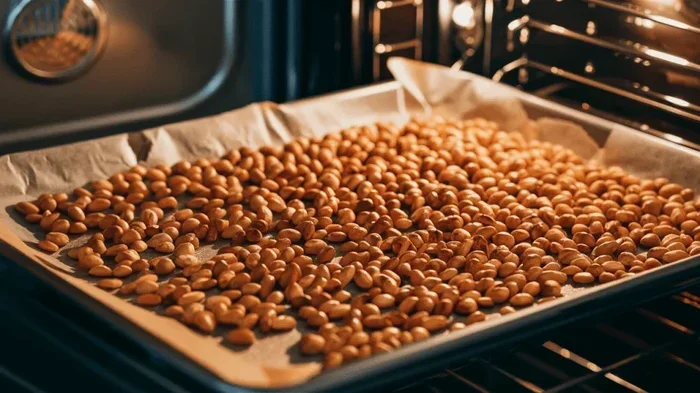
Arrange your nuts in a single layer across the pan. This is the most important step. Overcrowding causes nuts to steam instead of toast. They will turn soft and pale instead of crispy and golden. Give each nut room to breathe.
If you are toasting a large batch, use two pans rather than stacking nuts on top of each other. Even browning depends on good air circulation around each piece.
Step 4: Place in the Oven
Put the pan on the middle rack of your oven. The middle position ensures even heat distribution. Avoid placing the pan too close to the top or bottom element, as this creates hot spots that can burn your nuts.
Step 5: Stir Halfway Through
Set a timer for about 5 minutes, then open the oven and stir the nuts with a spatula. This simple step promotes uniform toasting and prevents any single nut from burning. Stir again at the halfway mark of your total cooking time.
Step 6: Watch and Smell
Start checking your nuts 2 to 3 minutes before the timer goes off. Visual cues and aroma tell you more than a clock ever will. Nuts are done when they turn a uniform golden brown and fill your kitchen with a warm, toasty smell.
Step 7: Cool Completely
Remove the pan from the oven and let the nuts cool on the sheet. This is counterintuitive but important. Nuts continue to crisp up as they cool because residual heat drives out more moisture. Resist the urge to transfer them immediately.
Once cooled, you can chop them, leave them whole, or toss them with salt or seasoning. Cooling on the pan is the secret to maximum crunch.
Timing and Temperature Guide for Different Nuts
Every nut has a slightly different toasting profile. Use this guide to dial in your results.
Quick Reference: Toasting Times
Here is a general breakdown of cooking times for common nuts at 325°F:
- Almonds (whole): 10 to 12 minutes
- Almonds (sliced): 6 to 8 minutes
- Walnuts (halves): 10 to 12 minutes
- Pecan halves: 8 to 10 minutes
- Cashews: 5 to 7 minutes
- Pistachios (shelled): 5 to 7 minutes
- Hazelnuts: 10 to 12 minutes
- Brazil nuts: 8 to 10 minutes
- Pine nuts: 5 to 7 minutes
Adjusting for Altitude and Humidity
High altitude and humid environments affect toasting time. At higher elevations, increase time by 1 to 2 minutes. In humid climates, nuts may take slightly longer because they contain more moisture. Always rely on color and smell more than the clock.
Common Mistakes to Avoid When Toasting Nuts
Even experienced cooks make mistakes with oven-toasted nuts. Learning what to avoid saves time, nuts, and frustration.
Overcrowding the Pan
This is the number one mistake people make. When nuts overlap or pile up, they steam instead of roast. You end up with pale, soft nuts instead of golden, crunchy ones. Spread them out and give every nut its own space on the pan.
Using Too High a Temperature
It is tempting to crank the heat to speed things up. Resist this urge. High heat burns the outside of nuts while leaving the inside undercooked. Low and slow is the golden rule for roasting nuts in the oven.
Skipping the Stir
Nuts toast unevenly without stirring. The edges of the pan get hotter than the center. Stirring at the halfway point ensures every nut gets equal exposure to heat. Do not skip this step.
Forgetting to Cool
Many people transfer hot nuts to a bowl right away. This traps steam and makes them soggy. Let them cool on the baking sheet. The extra few minutes make a huge difference in final texture.
Storing Toasted Nuts Improperly
Toasted nuts lose their crunch fast if stored incorrectly. Do not leave them in an open bowl on the counter. Transfer them to an airtight container once they are completely cool. They will stay fresh for up to two weeks at room temperature.
Toasting Chopped Nuts
Chopped nuts toast much faster than whole nuts because more surface area is exposed. If you need chopped nuts, toast them whole first, then chop after cooling. Toasting whole nuts gives you more control and prevents burning on the cut edges.
Flavor Variations and Seasoning Ideas
Plain toasted nuts are delicious on their own, but adding flavor takes them to another level. Try these easy variations after your nuts come out of the oven.
Sweet Options
- Toss warm nuts with a light coating of honey and a pinch of cinnamon.
- Sprinkle with brown sugar and a dash of sea salt.
- Mix in a tiny bit of vanilla extract and dried cranberries.
Savory Options
- Toss with olive oil, rosemary, and a pinch of garlic powder.
- Sprinkle with smoked paprika and a squeeze of lemon zest.
- Mix in a touch of soy sauce and sesame seeds for an Asian-inspired twist.
Spicy Options
- Coat nuts with cayenne pepper, cumin, and a pinch of salt.
- Toss with chili powder and a drizzle of maple syrup.
- Add a dusting of chipotle powder for smoky heat.
Always add seasonings while the nuts are still warm. The heat helps the flavors stick to the surface. Let the nuts cool completely before storing so the seasoning stays put.
Using Toasted Nuts in Recipes
Now that you have mastered toasting nuts in the oven, it is time to put them to work. Toasted nuts add texture and flavor to a wide range of dishes.
Breakfast Ideas
- Sprinkle toasted almonds over oatmeal or yogurt.
- Add chopped walnuts to pancake or waffle batter.
- Top French toast with toasted pecans and a drizzle of maple syrup.
Salads and Sides
- Toss toasted pine nuts into a spinach salad with goat cheese.
- Add candied walnuts to a pear and arugula salad.
- Garnish roasted vegetables with toasted almonds.
Baking and Desserts
- Fold toasted hazelnuts into brownie batter.
- Use toasted pecans as a pie topping or crust ingredient.
- Sprinkle toasted pistachios over ice cream or panna cotta.
Snacking
Toasted nuts make a healthy, satisfying snack on their own. Portion them into small bags for grab-and-go fuel. They pair wonderfully with dried fruit for a balanced trail mix.
How to Store Toasted Nuts Properly
Proper storage is key to keeping your oven-toasted nuts crunchy and flavorful for as long as possible.
Short Term Storage
For nuts you plan to eat within one to two weeks, store them in an airtight container at room temperature. Mason jars work perfectly. Keep the container in a cool, dark place away from direct sunlight and heat sources.
Long Term Storage
For longer storage, place toasted nuts in a sealed bag or container and store them in the freezer. Freezing toasted nuts keeps them fresh for up to three months. Let them come to room temperature before eating so they regain their full crunch.
What Not to Do
Do not store toasted nuts in the refrigerator. The moisture in the fridge can make them go soft and lose their crunch. Always choose room temperature or freezer storage for the best results.
Quick Tips for Perfect Toasted Nuts
Here are some fast, actionable tips that make a big difference:
- Start with room temperature nuts. Cold nuts from the fridge take longer to toast and may cook unevenly.
- Use parchment paper. It prevents sticking and promotes even browning on the bottom.
- Set a timer and stay nearby. Nuts go from perfectly toasted to burnt in seconds. Do not walk away from the oven.
- Trust your senses. The color should be a light golden brown, and the smell should be warm and nutty. If it smells bitter, they are burning.
- Toast one type of nut at a time. Different nuts have different toasting times. Mixing them leads to some nuts being overdone and others underdone.
- Cool on the pan, then transfer. This one habit makes a noticeable difference in crunch.
Expert Insights on Toasting Nuts
Professional chefs and bakers share a few secrets that elevate your nut toasting game to the next level.
Chef Maria Torres, a pastry chef with over 15 years of experience, says: “The biggest secret I share with home cooks is patience. Low heat and a watchful eye make all the difference. Never rush the process.”
Another common pro tip is to toast nuts whole and chop them after. This prevents the cut edges from burning while the interior stays perfectly toasted. It also gives you more control over the final texture.
Some bakers also recommend blanching nuts before toasting for certain recipes. Blanching removes the skin from nuts like almonds and hazelnuts, resulting in a cleaner flavor and smoother texture. While this adds a step, the results are worth the effort for special dishes.
Finally, keep in mind that toasted nuts continue to develop flavor for several hours after cooling. If you can wait, the flavor only gets better with time. This makes them an ideal make-ahead ingredient for meal prep and entertaining.
Frequently Asked Questions
Can you toast nuts at a higher temperature to save time?
You can, but the results are not as good. Higher temperatures burn the outside of nuts before the inside is fully toasted. Stick to 325°F or 350°F for the best balance of speed and quality. Oven temperature control is the key to even, delicious results every time.
How do you know when nuts are done toasting?
Nuts are done when they turn a uniform golden brown color and smell warm and nutty. Look for a slight darkening and listen for a faint crackling sound. Start checking them a few minutes before the timer goes off. Visual and aroma cues are more reliable than the clock alone.
Can you toast nuts without oil or butter?
Yes, absolutely. Raw nuts contain enough natural fat to toast without any added oil. Parchment paper or a silicone mat prevents sticking without the need for grease. This keeps your toasted nuts lighter and lets the natural flavor shine through.
Do toasted nuts go bad faster than raw nuts?
Toasted nuts do lose their freshness faster because the toasting process removes moisture and opens up the oils. However, proper storage in an airtight container at room temperature keeps them fresh for up to two weeks. Freezing extends their shelf life even further.
Is it better to toast nuts whole or chopped?
Always toast nuts whole and chop them afterward. Chopped nuts have more exposed surface area, which causes the cut edges to burn before the interior is fully toasted. Toasting whole nuts gives you more control and a more even result. This is one of the most important kitchen tips for perfect roasted almonds and other nuts.
Can you re-toast nuts that have gone soft?
Yes, you can. Spread soft nuts back on a baking sheet and toast them at 300°F for 3 to 5 minutes. This drives out residual moisture and restores their crunch. However, they will not taste as fresh as nuts toasted from the start. For the best flavor, always toast a fresh batch.
Conclusion
Toasting nuts in the oven is one of the simplest yet most rewarding kitchen skills you can learn. With just a baking sheet, an oven, and a little patience, you can transform ordinary raw nuts into golden, crunchy flavor bombs that elevate any dish.
Remember the core principles: keep the temperature moderate at 325°F, spread nuts in a single layer, stir halfway through, and let them cool completely on the pan. Avoid common pitfalls like overcrowding, skipping the stir, and storing nuts improperly. Follow these guidelines and you will never go back to plain, untopped salads or bland desserts again.
The beauty of oven-toasted nuts is that once you master the basics, the variations are endless. Sweet, savory, spicy, or plain, toasted nuts add a layer of texture and depth that makes every bite more interesting. Start with a simple batch of toast nuts in the oven today, and you will wonder how you ever cooked without them.
Now that you know exactly how do you toast nuts in the oven, it is time to put this knowledge into action. Grab a bag of raw nuts, preheat your oven, and enjoy the wonderful aroma that fills your kitchen. Your taste buds will thank you.