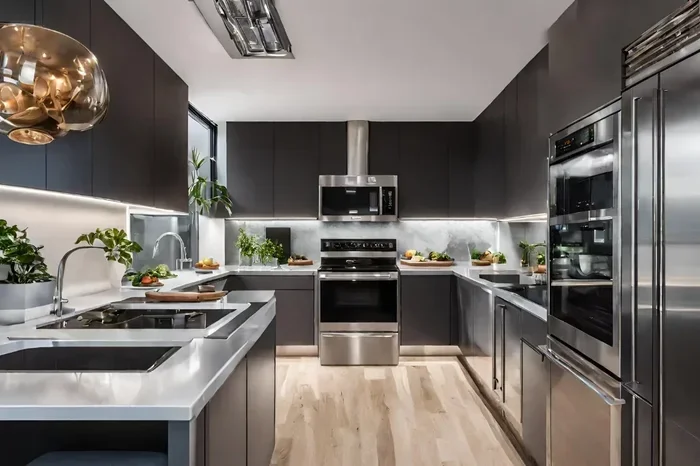
Are Gas Ovens Being Phased Out in the Modern Kitchen
Are Gas Ovens Being Phased Out? The answer is more complicated than a simple yes or no. Many regions are pushing toward cleaner energy, and gas ovens face increasing regulations. Homeowners are exploring electric oven and induction cooktop alternatives for better energy efficiency and kitchen safety.
Have you walked into a kitchen store lately and noticed something strange? The gas oven section seems smaller than it used to be. Meanwhile, the electric oven and induction cooktop displays keep growing. It might make you wonder: are gas ovens being phased out? The short answer is yes, in many places. But the full story is more nuanced than you might expect.
Homeowners across the country are asking big questions about their kitchen appliances. They want to know what the future holds for gas cooking and whether they should switch to electric now. This guide breaks down everything you need to know. We will cover regulations, performance, costs, and what experts think about the shift away from natural gas in the kitchen.
The conversation about gas ovens has exploded in recent years. It is not just about cooking anymore. It is about energy policy, indoor air quality, and the environment. Whether you are building a new home or renovating your current kitchen, understanding this shift matters. Let us dive into the details and help you make an informed decision.
Key Takeaways
- Regulations Are Growing: Several states and cities are banning or restricting natural gas appliances in new construction.
- Electric Ovens Are Rising: Modern electric and induction options rival or beat gas in cooking performance.
- Health and Safety Matter: Gas ovens can release pollutants indoors that affect air quality.
- Cost Plays a Role: Operating costs differ between gas and electric, and incentives may offset switch costs.
- Cooking Preference Varies: Many professional chefs still prefer gas for heat control, but electric is catching up fast.
- The Transition Is Gradual: Gas ovens are not disappearing overnight, but the trend clearly favors electric alternatives.
📑 Table of Contents
Why Are Gas Ovens Under Scrutiny?
The rise of scrutiny on gas ovens did not happen overnight. Several factors have pushed this topic into the spotlight. Understanding these reasons helps you see the bigger picture.
Environmental Concerns and Clean Energy Goals
Burning natural gas releases carbon dioxide into the atmosphere. This contributes to climate change. Many governments are setting ambitious clean energy targets. Phasing out natural gas appliances is one way to reduce emissions. The goal is to power homes with renewable electricity instead.
Some states have passed laws limiting gas hookups in new buildings. This includes California, New York, and several others. These policies directly impact whether new homes get gas stoves or electric ovens. The trend is clearly moving toward all-electric homes.
Indoor Air Quality and Health Risks
Here is something many homeowners do not think about. Gas ovens can release pollutants inside your home. These include nitrogen dioxide, carbon monoxide, and fine particles. Studies have linked gas cooking to worsened asthma symptoms, especially in children.
The Environmental Protection Agency has raised concerns about indoor air pollution from natural gas appliances. Even well-ventilated kitchens can accumulate these pollutants over time. This health factor is driving many families to consider oven replacement with electric models.
Quick Tips
- Always use your range hood when cooking with gas.
- Open windows while cooking to improve ventilation.
- Consider a portable air monitor to check indoor air quality.
- If you keep a gas oven, schedule regular safety inspections.
The Gas Stove Ban Movement
The term “gas stove ban” has become a hot-button political topic. But what does it actually mean? Most of the time, it refers to local building codes that prevent gas lines from being installed in new construction. It does not usually mean you must rip out your existing gas oven.
Cities like New York, Berkeley, and Seattle have adopted these codes. The movement has spread to dozens of municipalities. While not a nationwide gas stove ban, the cumulative effect is significant. It makes gas ovens less accessible for new homeowners.
The Shift to Electric and Induction Cooking
As gas ovens face more restrictions, the electric cooking industry has stepped up its game. Modern electric ovens are nothing like the models your parents used. Today’s options deliver impressive performance that rivals or beats gas in many ways.
Electric Ovens: Modern Marvels
Conventional electric ovens have improved dramatically. They now offer precise temperature control and even heating. Many models include smart features like Wi-Fi connectivity and app control. Self-cleaning functions, steam cooking, and air frying are now standard in many units.
The biggest advantage of electric ovens is their simplicity. No open flames means no gas leaks. No combustion means no indoor air pollutants. For many homeowners, this peace of mind alone makes the switch worthwhile.
Induction Cooktops: The Game Changer
Induction cooktops deserve their own spotlight. They use electromagnetic energy to heat the cookware directly. The cooktop surface stays cool to the touch. This technology offers lightning-fast heating and incredible temperature precision.
Many professional chefs have switched to induction. The response has been overwhelmingly positive. Cooking performance on high-end induction units matches or exceeds what gas provides. The only catch is that you need magnetic cookware. But most modern pots and pans work perfectly with induction.
Energy Efficiency Comparison
One of the strongest arguments for electric cooking is efficiency. Gas ovens lose a lot of heat during operation. Electric ovens, especially induction, convert nearly all their energy into cooking heat. This means lower energy bills over time and less wasted electricity.
Let us look at a quick comparison of how these technologies stack up.
| Feature | Gas Ovens | Electric Ovens | Induction Cooktops |
|---|---|---|---|
| Heating Speed | Moderate | Moderate to Fast | Very Fast |
| Temperature Control | Excellent | Good to Excellent | Excellent |
| Energy Efficiency | Lower (40-50%) | Moderate (60-70%) | High (85-90%) |
| Indoor Air Impact | Pollutant Emissions | None | None |
| Installation Complexity | Gas Line Required | Standard Outlet | Standard Outlet |
| Operating Cost | Varies by Region | Generally Higher | Moderate |
| Safety | Open Flame Risk | No Open Flame | No Open Flame |
As you can see from the table, induction cooktops lead in most categories. Electric ovens have improved significantly and now compete closely with gas. The gap between gas vs electric ovens continues to narrow every year.
Expert Insights
Chef and kitchen appliance expert Maria Torres says: “The idea that gas is the only way to get great cooking results is outdated. Modern electric and induction ovens deliver incredible performance. Home cooks should focus on what fits their lifestyle, not what they think they should prefer.”
Gas vs Electric Ovens: A Head-to-Head Comparison
Choosing between gas ovens and electric ovens is a big decision. Let us break down the key factors that matter most to home cooks.
Heat Control and Responsiveness
Gas ovens have long been praised for their instant heat control. When you turn the knob, the flame adjusts immediately. This responsiveness appeals to experienced cooks who make quick adjustments. Electric ovens take longer to respond because the heating element needs time to change temperature.
However, modern electric ovens with convection fans have narrowed this gap significantly. Many models now offer precise temperature settings within a few degrees. Induction cooktops are the closest competitor to gas in this category.
Cooking Evenness
Hot spots are a common complaint with gas ovens. The flame can create uneven heat distribution. Electric ovens with convection fans tend to cook more evenly. This makes them great for baking and roasting.
If you are a frequent baker, you might prefer an electric oven. The consistent heat helps cakes rise evenly and bread bake uniformly. Gas ovens can still produce excellent results, but they may require more rotation of dishes.
Installation and Infrastructure
One practical factor often gets overlooked. Gas ovens require a gas line connection. If your home does not have one already, installation can be expensive and complicated. Electric ovens simply need a standard electrical outlet or dedicated circuit.
This is a crucial point for kitchen renovation projects. If you are building or remodeling, going electric from the start saves money and future-proofs your home. You avoid the cost of running gas lines and the ongoing maintenance of gas connections.
Operating Costs Over Time
Natural gas is often cheaper per unit than electricity in many regions. This makes gas ovens less expensive to operate day-to-day. However, electric ovens and especially induction cooktops use energy more efficiently. The real-world cost difference depends on local utility rates.
Some homeowners find that the higher upfront cost of an electric oven pays off over time through lower energy bills. Others stick with gas because of existing infrastructure and lower fuel costs. Your local energy prices will heavily influence this calculation.
What Does the Future Hold for Kitchen Appliances?
The trajectory is clear. The kitchen appliance industry is moving toward electric cooking. Manufacturers are investing heavily in electric oven and induction technology. This investment drives innovation and better products for consumers.
Smart Technology Integration
Electric ovens are leading the way in smart kitchen technology. Features like remote preheating, automatic temperature adjustment, and recipe-guided cooking are becoming standard. These smart kitchen appliances make cooking easier and more enjoyable for everyone.
Gas ovens are not sitting still either. Many modern gas ranges now include digital controls and Wi-Fi connectivity. But the smart features tend to be more advanced on electric models. This gives electric cooking an edge in the technology department.
Government Incentives and Rebates
Switching from gas ovens to electric is becoming more affordable. Many states offer rebates and incentives for purchasing energy-efficient electric ovens. Federal programs also support the transition to cleaner home appliances.
These incentives can significantly reduce the cost of oven replacement. Before you make a purchase, check what programs are available in your area. You might be surprised by how much you can save.
The Role of Renewable Energy
When you power your electric oven with renewable energy, the environmental benefits multiply. Solar panels and wind power make electric cooking nearly carbon-neutral. This is a powerful advantage that gas ovens simply cannot match.
As more homes install solar panels, the case for electric ovens grows stronger. You cook your meals with clean energy and reduce your reliance on fossil fuels. This synergy between clean energy and electric cooking is a major driver of the phase-out trend.
Should You Switch from Gas to Electric?
This is the question on every homeowner’s mind. The answer depends on your situation, priorities, and cooking habits. Let us walk through some key considerations.
When Switching Makes Sense
Switching to an electric oven makes sense if you are building a new home or doing a major kitchen renovation. The cost of installing a gas line may not be worth it if you are already doing electrical work. Going all-electric from the start is often the most practical choice.
If you are concerned about indoor air quality, switching away from gas cooking is a smart move. The health benefits of removing combustion pollutants from your home are well-documented. This is especially important for families with young children or anyone with respiratory conditions.
Homeowners in regions with high electricity rates may find the operating costs of electric ovens too high. But if you have access to renewable energy or time-of-use rates, electric can be very affordable.
When Keeping Your Gas Oven Works
If your current gas oven is working well and you love how it cooks, there is no urgent need to replace it. The phase-out of gas ovens is a gradual process. You are not required to swap out a functioning appliance overnight.
Some cooks simply prefer the feel of gas cooking. The visual flame and instant heat response are hard to replicate. If this matters to you, keeping a gas oven is perfectly fine. Just be mindful of ventilation and indoor air quality.
Common Mistakes to Avoid
- Switching too quickly without research: Take time to compare models and read reviews before buying.
- Ignoring cookware compatibility: If you switch to induction, make sure your pots and pans work with it.
- Underestimating electrical requirements: Some electric ovens need a dedicated 240-volt circuit. Check your home’s electrical setup first.
- Overlooking ventilation needs: Even with electric ovens, a good range hood improves your kitchen experience.
- Assuming all electric ovens are the same: There is a big difference between conventional electric and induction.
Key Factors Driving the Phase-Out
Several forces are accelerating the move away from gas ovens. Understanding these drivers helps you see where the industry is headed.
Regulatory Changes
Building codes are changing fast. More jurisdictions are requiring electric appliances in new construction. This regulatory shift sends a clear signal to manufacturers and consumers alike. The era of default gas hookups in new homes is fading.
Consumer Demand
Homebuyers are increasingly asking for electric ovens and induction cooktops in their new homes. This demand drives what manufacturers produce and what stores stock. The market is responding to consumer preferences, and those preferences are shifting toward electric.
Technological Advancements
The technology behind electric ovens has improved so much that it now competes directly with gas. Better heating elements, smarter controls, and sleeker designs make modern electric options attractive. As technology continues to advance, the performance gap will likely disappear entirely.
The writing is on the wall. Gas ovens are facing a gradual but real phase-out. The question is not if they will be replaced but when and how fast. For now, both options remain available, and homeowners have the freedom to choose what works best for them.
Conclusion
So, are gas ovens being phased out? The evidence points to yes, over time. Regulations are tightening, electric technology is improving, and consumer preferences are shifting. The modern kitchen is moving toward electric cooking and induction technology.
However, this transition will not happen overnight. Gas ovens are not disappearing from store shelves next month. Homeowners who currently use gas ovens can continue doing so without worry. The phase-out primarily affects new construction and future appliance purchases.
If you are in the market for a new oven, now is a great time to explore your options. Electric ovens and induction cooktops offer compelling benefits. They are efficient, safe, and packed with modern features. Whether you are cooking a weeknight dinner or a holiday feast, today’s electric cooking technology delivers excellent results.
The bottom line is simple. The future of kitchen appliances is electric. And with every passing year, the reasons to make the switch get stronger. Embrace the change, explore your options, and find the oven that fits your kitchen and your cooking style.
Frequently Asked Questions
Are gas ovens being banned completely in the United States?
No, there is no nationwide ban on gas ovens. However, several cities and states have passed regulations that restrict or discourage gas appliances in new construction. The trend is toward limiting gas hookups rather than forcing homeowners to remove existing gas ovens.
Do induction cooktops really work as well as gas for everyday cooking?
Yes, modern induction cooktops deliver excellent cooking performance. They heat up faster than gas, offer precise temperature control, and cook evenly. Many home cooks and professional chefs agree that induction is a worthy alternative to gas cooking for everyday meals.
Is it expensive to switch from a gas oven to an electric oven?
The oven replacement cost varies depending on the model you choose. However, if your home already has electrical infrastructure, the switch can be affordable. Government rebates and incentives may also help offset the cost. Long-term energy savings can make electric more economical over time.
Are electric ovens better for the environment than gas ovens?
Generally, yes. Electric ovens do not release indoor air pollutants, and when powered by renewable energy, their carbon footprint is very low. Gas ovens burn fossil fuels directly in your home, which contributes to both outdoor emissions and indoor air quality issues.
What should I look for when buying an electric oven?
Look for features like convection fans, precise temperature controls, smart connectivity, and energy efficiency ratings. Consider whether you want a conventional electric oven or an induction cooktop setup. Read reviews, compare models, and think about your cooking habits to find the best fit.
Can I still buy a gas oven if I want one?
Yes, gas ovens are still widely available for purchase. Retailers continue to stock a range of gas ranges and ovens. However, availability may decrease over time as regulations tighten and manufacturers shift focus toward electric cooking technology.