How To Make Perfect Coffee In French Press Every Morning
Making coffee in a French press is one of the easiest and most rewarding ways to start your day. This guide walks you through every step, from choosing the right coffee grounds to mastering your steeping time. You will learn the perfect ratio, avoid common mistakes, and enjoy a rich, full-bodied cup every single morning.
There is something deeply satisfying about making a perfect cup of French press coffee at home. It is simple, fast, and produces a rich, full-bodied brew that no drip machine can match. Whether you are a coffee beginner or a seasoned home brewer, learning how to make coffee in a French press will change your mornings forever.
The beauty of a French press lies in its simplicity. There are no paper filters, no complicated settings, and no electricity needed. Just hot water, quality coffee grounds, and a few minutes of patience. In this guide, we will walk you through every single step so you can brew a clean cup of coffee that tastes amazing every time.
By the end of this article, you will know exactly how much coffee to use, what water temperature to aim for, and how to avoid the mistakes that ruin a good brew. Let us dive in and make your morning coffee routine something to look forward to.
Key Takeaways
- Use coarsely ground coffee: A coarse grind prevents over-extraction and keeps your coffee smooth and clean.
- Stick to a 1:15 ratio: One part coffee to fifteen parts water gives you the perfect strength.
- Steep for exactly 4 minutes: Timing matters a lot for getting the best flavor and aroma.
- Preheat your French press: Warming the carafe before brewing keeps the temperature stable.
- Plunge slowly and steadily: A slow plunge gives you a cleaner cup with less sediment.
- Drink immediately: French press coffee tastes best right after brewing before it over-extracts.
📑 Table of Contents
- What Is a French Press and Why Does It Make Better Coffee?
- What You Need to Make French Press Coffee at Home
- Step-by-Step Guide to Making Perfect Coffee in French Press
- How to Get the Perfect Coffee-to-Water Ratio Every Time
- Common Mistakes That Ruin French Press Coffee
- Tips for Making French Press Coffee Every Morning
- French Press Coffee vs. Other Brewing Methods
- Frequently Asked Questions
- Conclusion
What Is a French Press and Why Does It Make Better Coffee?
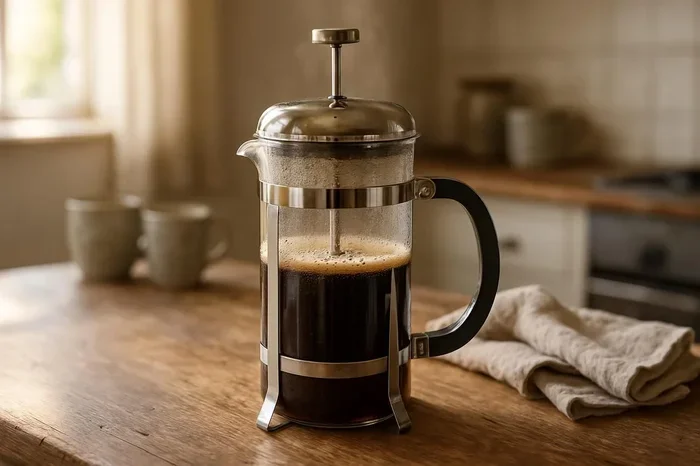
A French press, also called a press pot or plunger pot, is a simple brewing device made of glass or stainless steel. It works by steeping coarsely ground coffee in hot water and then pressing a metal filter down to separate the grounds from the liquid.
Unlike drip coffee makers or pour over coffee methods, a French press keeps the coffee oils in the brew. This is why the flavor is so rich and full. You taste more of the natural oils and aromas that paper filters strip away.
The Science Behind French Press Brewing
When hot water meets coffee grounds, it extracts flavors, oils, and acids. This process is called coffee extraction. With a French press, the water and grounds stay together for the entire brewing time. This means more flavor ends up in your cup.
The metal mesh filter on a French press allows tiny coffee particles through. This gives the coffee a heavier body and a slightly gritty texture that many people love. If you prefer a cleaner taste, you can strain the coffee through a fine mesh after pressing.
What You Need to Make French Press Coffee at Home
You do not need a lot of equipment to make great French press coffee. Here is everything you need to get started.
Essential Equipment
- A French press: Choose one that fits how much coffee you drink. A 34-ounce press makes about 4 cups.
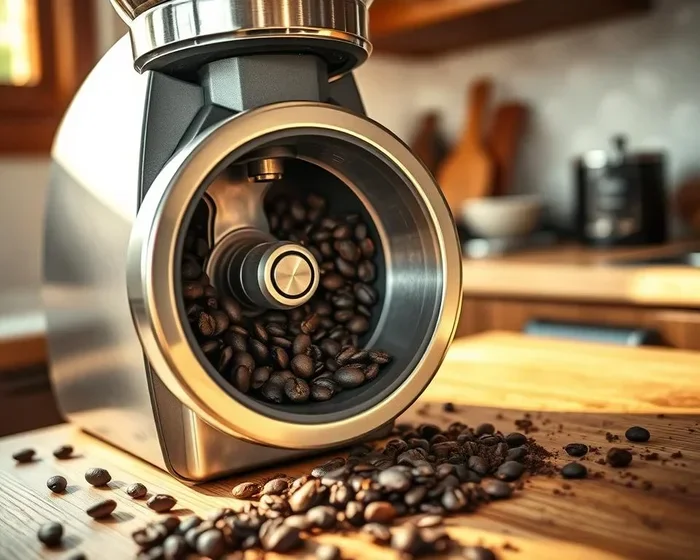
- Coarsely ground coffee: Buy whole beans and grind them yourself, or buy pre-ground coffee labeled for French press.
- Hot water: You need water heated to about 195 to 205 degrees Fahrenheit.
- A kettle: A gooseneck kettle gives you better control over the water flow.
- A timer: Your phone works perfectly for tracking steeping time.
- A wooden spoon or stirrer: Metal spoons can scratch the glass, so wood is a great choice.
Choosing the Right Coffee Beans
The beans you choose matter a lot. For the best French press coffee, look for medium to dark roast beans. These roasts bring out bold, chocolatey, and nutty flavors that shine in a press brew. Lighter roasts can work too, but they tend to taste more acidic in a French press.
Buy whole beans and grind them just before brewing. Pre-ground coffee loses its flavor fast. If you must use pre-ground, store it in an airtight container and use it within a week of opening.
Step-by-Step Guide to Making Perfect Coffee in French Press
Now let us get into the actual process. Follow these steps every morning and you will never make bad French press coffee again.
Step 1: Heat Your Water
Start by heating your water to between 195 and 205 degrees Fahrenheit. If you do not have a thermometer, just bring the water to a boil and then let it sit for 30 seconds. Boiling water is too hot and can burn the coffee, making it taste bitter.
While the water heats up, go ahead and measure your coffee. A good rule of thumb is to use about 1 ounce of coffee for every 15 ounces of water. This coffee ratio gives you a balanced brew that is not too weak and not too strong.
Step 2: Add Coffee Grounds to the French Press
Put your coarsely ground coffee into the bottom of the French press. Make sure the grind is coarse, like sea salt. If the grind is too fine, the coffee will be over-extracted and taste harsh. Fine grounds can also slip through the filter and make your coffee gritty.
Give the grounds a quick stir with a wooden spoon before adding water. This helps the coffee wake up and start releasing its flavors.
Step 3: Pour Hot Water Over the Grounds
Pour about one-third of the hot water over the coffee grounds first. Let it sit for 30 seconds. This step is called the bloom. During the bloom, carbon dioxide escapes from the coffee, which helps the extraction process go more evenly.
After the bloom, pour in the rest of the water slowly. Try to saturate all the grounds evenly. If you have a gooseneck kettle, this is much easier to do.
Step 4: Steep for 4 Minutes
Place the lid on the French press and start your timer. Let the coffee steep for exactly 4 minutes. This is the sweet spot for most coffee brewing methods using a press.
If you like stronger coffee, you can steep for 5 minutes. If you prefer a lighter taste, try 3 minutes. Experiment until you find what works best for you. The coffee strength is easy to adjust once you know your base timing.
Step 5: Press the Plunger Down Slowly
After 4 minutes, grab the plunger and press it down slowly and steadily. Do not rush this step. A fast plunge can agitate the grounds and make your coffee cloudy and bitter.
Press all the way down until the plunger rests on top of the grounds. This separates the liquid from the solid coffee particles.
Step 6: Pour and Serve Immediately
Once you press the plunger, pour the coffee into your mug right away. Do not leave the coffee sitting in the French press. The grounds will continue to extract, and the coffee will become over-extracted and bitter.
If you are not drinking it all at once, pour the remaining coffee into a separate warm carafe. This keeps your coffee tasting fresh for a little longer.
How to Get the Perfect Coffee-to-Water Ratio Every Time
Getting the ratio right is one of the most important parts of making great French press coffee. Too much coffee and your drink will be overpowering. Too little and it will taste like weak water.
Here is a simple table to help you find the right amounts:
- 1 cup (8 oz): Use 17 grams of coffee and 250 ml of water.
- 2 cups (16 oz): Use 34 grams of coffee and 500 ml of water.
- 4 cups (34 oz): Use 57 grams of coffee and 850 ml of water.
These measurements are a great starting point. From there, you can adjust the coffee ratio based on your personal taste. If the coffee tastes too strong, add a little more water next time. If it tastes too weak, add a bit more coffee.
Understanding Coffee Ratios
The standard ratio for French press coffee is 1:15. That means one gram of coffee for every 15 grams of water. Some people prefer a 1:14 ratio for a stronger brew, while others like 1:16 for a lighter cup.
Using a kitchen scale makes this much easier. Measuring by weight is far more accurate than using tablespoons. A tablespoon of coffee can weigh anywhere from 5 to 10 grams depending on the grind size and roast level.
Common Mistakes That Ruin French Press Coffee
Even though making coffee in a French press is simple, there are a few mistakes that can ruin your brew. Here are the ones to watch out for.
Using the Wrong Grind Size
This is the number one mistake people make. If you use a fine grind, the coffee will be over-extracted and taste bitter. Fine grounds can also clog the filter and make pressing the plunger very difficult.
Always use a coarse grind. It should look and feel like sea salt or breadcrumbs. If you buy pre-ground coffee, make sure the label says it is suitable for a French press.
Using Water That Is Too Hot
Boiling water burns coffee grounds and pulls out unpleasant flavors. The ideal temperature is between 195 and 205 degrees Fahrenheit. If you do not have a thermometer, just let boiling water cool for 30 to 45 seconds before pouring it over the grounds.
Steeping for Too Long
Leaving the coffee in the press for more than 4 to 5 minutes leads to over-extraction. The coffee will taste bitter and harsh. Set a timer and stick to it. If you want to keep coffee warm, transfer it to a different container after brewing.
Skipping the Preheat Step
Before you add any coffee or water, pour warm water into the empty French press and swirl it around. This warms up the glass and helps maintain a stable brewing temperature. Cold glass can drop the water temperature quickly, which leads to uneven extraction.
Not Stirring the Bloom
Many people skip the bloom, but it makes a real difference. Giving the coffee grounds a gentle stir after the first pour helps all the grounds extract evenly. Without stirring, some grounds may be under-extracted while others are over-extracted.
Tips for Making French Press Coffee Every Morning
Building a morning coffee routine around your French press is easier than you think. Here are some tips to make it a habit.
Prep the Night Before
Measure out your coffee beans the night before and store them in an airtight container. In the morning, all you need to do is grind the beans, heat the water, and start brewing. This cuts your morning prep time in half.
Pair It with a Simple Breakfast
A great cup of French press coffee pairs wonderfully with a warm breakfast. Try making some toast in oven without toaster alongside your coffee for a quick and satisfying start to the day. You can also heat up dinner rolls in the oven or cook some bacon and sausage in the oven to build a complete breakfast spread.
Clean Your French Press Regularly
Oil buildup from coffee can make your next brew taste off. After each use, disassemble the plunger and wash all the parts with warm soapy water. Rinse thoroughly to remove all the soap. A deep clean once a week keeps your press in great shape.
Experiment with Different Beans
Once you master the basics, try different coffee beans and roasts. Each origin brings different flavors. Ethiopian beans might taste fruity and floral, while Colombian beans may taste nutty and chocolatey. Exploring different beans makes your morning routine more exciting.
Use Filtered Water
The water you use matters more than you might think. Tap water with heavy chlorine or mineral content can affect the taste of your coffee. Filtered water gives you a cleaner, purer taste that lets the coffee flavors shine through.
French Press Coffee vs. Other Brewing Methods
How does French press coffee compare to other popular brewing methods? Here is a quick look.
A drip coffee maker is convenient and makes multiple cups quickly, but it uses paper filters that remove coffee oils. The result is a lighter, cleaner cup. A French press keeps those oils, giving you a richer and more flavorful brew.
Pour over coffee, like a V60 or Chemex, produces a very clean and bright cup. But it takes more skill and attention than a French press. With a French press, you just set a timer and wait.
An espresso machine makes concentrated, bold shots of coffee, but it requires expensive equipment and a steep learning curve. A French press gives you a similar boldness at a fraction of the cost and effort.
Overall, the French press strikes the best balance between simplicity, flavor, and affordability. It is the perfect brewing method for people who want great coffee without complicated equipment.
Frequently Asked Questions
Can I use regular ground coffee in a French press?
You should not use regular pre-ground coffee designed for drip machines. The grind size is too fine, which leads to over-extraction and a bitter taste. Always look for coffee labeled as coarse ground, or grind whole beans yourself to a sea-salt consistency for the best results.
How long does French press coffee stay good?
French press coffee tastes best when poured and consumed immediately after brewing. If you leave the coffee sitting in the press, it continues to extract and becomes increasingly bitter. Transfer any leftover coffee to a warm carafe or mug to preserve the flavor for up to 20 minutes.
Can I make cold brew coffee in a French press?
Yes, you can absolutely make cold brew in a French press. Simply mix coarse coffee grounds with cold water at a 1:8 ratio, stir gently, and let it steep in the refrigerator for 12 to 24 hours. Press the plunger down slowly and serve over ice for a smooth, refreshing cold coffee drink.
Why is my French press coffee always bitter?
Bitter French press coffee usually comes from one of three issues: water that is too hot, a grind that is too fine, or steeping time that is too long. Try lowering your water temperature, using a coarser grind, and reducing the steeping time to 3 minutes to see if the bitterness improves.
How often should I clean my French press?
You should rinse your French press after every single use to remove coffee oils and grounds. A deeper cleaning with warm soapy water should happen at least once a week. Disassemble the plunger mechanism and filter screen to remove any built-up residue that can affect the taste of your next brew.
What is the best type of coffee bean for French press?
Medium to dark roast beans work best in a French press because they bring out bold, rich flavors like chocolate, caramel, and nuts. However, medium roasts also produce excellent results with more brightness and acidity. Ultimately, the best bean is the one you enjoy drinking the most.
Conclusion
Making perfect coffee in French press every morning is easier than you think. With the right beans, the correct grind size, and a simple 4-minute steeping process, you can enjoy a rich, full-bodied cup that rivals any coffee shop. The key is consistency and paying attention to the small details like water temperature, coffee ratio, and steeping time.
Start by mastering the basic steps outlined in this guide. Once you feel comfortable, experiment with different beans, ratios, and steeping times to find your perfect cup. The beauty of the French press is that it gives you complete control over your brew.
Your mornings deserve better than a rushed cup of weak coffee. With a French press, you can slow down, enjoy the process, and savor every sip. So grab your press, measure out your grounds, and make today the first day of your new morning coffee routine. Your taste buds will thank you.