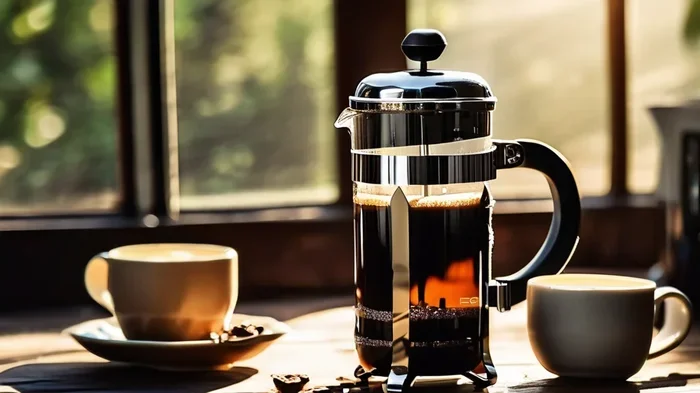
How Long Should You Leave Your French Press Coffee
Finding the right steeping time is the key to great French press coffee. Most experts recommend leaving your French press for about 4 minutes to achieve the perfect balance of flavor and strength. This guide covers everything you need to know about brew time, water temperature, and common mistakes to avoid.
There is something magical about a morning cup of French press coffee. The rich aroma, the full body, and the deep flavor make it a favorite for coffee lovers everywhere. But here is the question that trips up so many people: how long should you actually leave your French press before you drink it?
The answer might surprise you. Many people rush the process or leave their coffee sitting too long. Both mistakes lead to a disappointing cup. Whether you are a beginner or a seasoned coffee drinker, understanding steeping time makes all the difference. This guide walks you through everything you need to know about French press brewing, from the ideal brew time to common errors you should avoid.
We will cover the science behind extraction, the role of water temperature, and practical tips you can use right away. By the end, you will know exactly how long to leave French press coffee for the best possible cup every single time. Let us dive in.
Key Takeaways
- 4 minutes is the sweet spot: The ideal steeping time for French press coffee is typically 4 minutes for a balanced and flavorful cup.
- Grind size matters: Use a coarse grind to prevent over-extraction and avoid a bitter taste in your coffee.
- Water temperature is critical: Heat your water to between 195°F and 205°F for optimal extraction and the best flavor profile.
- Do not leave it too long: Steeping beyond 6 minutes can lead to over-extraction and a harsh, unpleasant taste.
- Plunge gently and serve immediately: A slow, steady plunge helps maintain the coffee’s natural oils, and serving right away preserves the flavor.
- Keep your equipment clean: Regular cleaning of your French press and kitchen gear keeps your coffee tasting fresh every time.
📑 Table of Contents
The Perfect French Press Steeping Time
When it comes to how long to leave French press coffee, timing is everything. The general rule of thumb is 4 minutes. This is the sweet spot that most coffee experts and baristas agree on. It allows enough time for the water to extract the right flavors without pulling out too much bitterness.
What Happens During Steeping
The process of immersion brewing is what makes the French press unique. Unlike drip coffee makers or pour over methods, the grounds stay submerged in water the entire time. This means the extraction happens evenly and consistently. During those first few minutes, hot water pulls out oils, sugars, and acids from the coffee grounds.
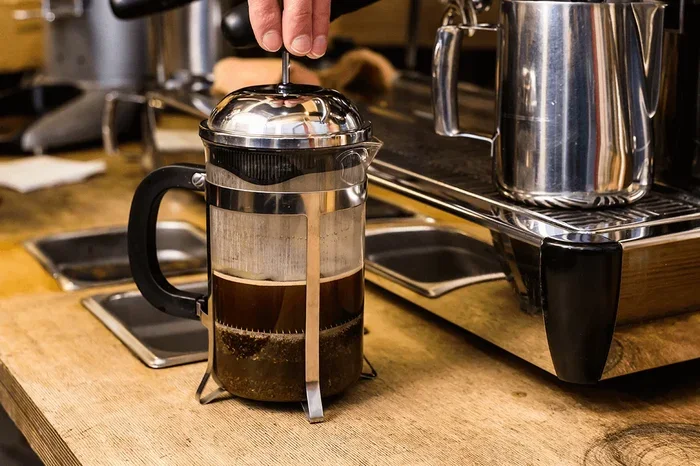
In the first minute, you will notice the coffee grounds float to the top. This is called the bloom. It is a sign that fresh carbon dioxide is escaping from the beans. The bloom is a good indicator that your coffee is fresh. After about two minutes, the extraction really starts to pick up speed.
By minute three and four, the coffee reaches its peak flavor profile. The oils are fully released, and the body of the coffee develops its characteristic richness. This is why 4 minutes has become the standard brew time for French press coffee.
The Sweet Spot for Brew Time
While 4 minutes is the target, there is a small window that works well. Anywhere from 3.5 to 4.5 minutes can produce excellent results. Here is a quick breakdown:
- 3 minutes: Lighter, more acidic cup. Good for people who prefer a milder taste.
- 4 minutes: The sweet spot. Balanced flavor with a full body and rich aroma.
- 5 minutes: Stronger and more robust. But watch out for bitterness creeping in.
- 6+ minutes: Risk of over-extraction. The coffee will taste harsh and unpleasant.
The key is to experiment. Try different times and see what suits your palate best. Everyone’s taste buds are different, and that is perfectly fine. A good brewing guide always encourages you to adjust based on your personal preference.
How Coffee Grounds Affect Your Brew
The type of coffee grounds you use plays a huge role in how long to leave French press coffee. The wrong grind size can ruin even a perfectly timed brew. Understanding the relationship between grind size and extraction is essential for making great coffee every morning.
Grind Size Matters
For French press coffee, you need a coarse grind. Think of the texture of sea salt or rough breadcrumbs. A coarse grind slows down the extraction process. It prevents fine particles from slipping through the mesh filter and keeps the coffee clean and smooth.
If you use a fine grind, the water will extract too much too quickly. This leads to over-extraction, which makes the coffee taste bitter and muddy. Fine grounds also pass through the filter more easily, giving your coffee a gritty texture that nobody wants in their cup.
On the other hand, if your grind is too coarse, the water cannot extract enough flavor. This results in under-extraction, which produces a weak, sour, and thin cup of coffee. Finding the right grind size is just as important as getting the timing right. Invest in a quality burr grinder and take the time to dial in your setting.
Coffee-to-Water Ratio
Another factor that affects your brew is the ratio of coffee to water. A standard French press recipe calls for about 1 gram of coffee for every 15 milliliters of water. For a standard 34-ounce French press, this means about 60 grams of coffee and 900 milliliters of water.
You can adjust this ratio based on your preference. Want a stronger cup? Use more coffee. Prefer a lighter taste? Use less. The ratio works hand in hand with your steeping time to determine the final coffee strength and overall flavor. Using a kitchen scale is the best way to get consistent results every time. Scoops and tablespoons can be inaccurate, and consistency is the secret to great coffee day after day.
Water Temperature and Its Role in Extraction
Water temperature is one of the most overlooked factors in French press brewing. Many people just boil water and pour it right over the grounds. But the temperature of your water has a direct impact on how the coffee extracts and what your final cup tastes like.
Why Temperature Changes Everything
Hot water extracts flavor compounds from coffee grounds. But not all compounds extract at the same rate or at the same temperature. Some flavors come out quickly at lower temperatures, while others need more heat. This is why controlling your water temperature matters so much when you are brewing at home.
Water that is too hot will extract bitter compounds along with the good stuff. This is the same thing that happens when you steep your coffee for too long. On the flip side, water that is not hot enough will under-extract the grounds. You end up with a weak, sour cup that lacks depth and complexity. Getting the temperature right is just as important as the steeping duration.
The Ideal Temperature Range
The sweet spot for water temperature is between 195°F and 205°F. That is just below boiling. If you boil your water and then wait 30 to 60 seconds before pouring, you will hit this range almost perfectly.
Here are some quick tips for managing water temperature during the brewing process:
- Use a thermometer: A simple kitchen thermometer takes the guesswork out of the process and ensures consistent results.
- Let boiling water rest: Wait about 30 to 60 seconds after boiling before pouring it over the grounds.
- Heat evenly: Make sure the water is evenly heated before it touches the coffee grounds.
- Preheat the French press: Rinse the press with hot water before adding grounds. This keeps the brewing temperature stable throughout.
Getting the temperature right combined with the right steeping time is the foundation of a great cup. These two factors work together to create the perfect balance of flavor, aroma, and body in every sip.
French Press vs Other Brewing Methods
Understanding how the French press compares to other brewing methods helps you appreciate why the steeping time matters so much. Each method has its own unique approach to extraction, and the brew time varies significantly from one to the next.
Comparing Brew Times
Different coffee brewing methods use different techniques and timelines. Here is how they compare:
- French Press: 4 minutes of immersion brewing. Full contact between water and grounds throughout the entire process.
- Drip Coffee: 5 to 10 minutes total brew time. Water passes through grounds quickly, relying on gravity and pressure.
- Pour Over: 3 to 4 minutes. Water is poured in stages, allowing for controlled and even extraction.
- AeroPress: 1 to 2 minutes. Pressure speeds up the extraction process significantly for a quick cup.
- Espresso: 25 to 30 seconds. High pressure forces water through finely ground coffee very quickly.
The French press stands out because of its long immersion time. This extended contact is what gives French press coffee its signature full body and rich flavor. The coffee oils and fine particles that stay in the cup during brewing contribute to that distinctive mouthfeel you cannot get from paper filter methods like drip coffee or pour over.
If you are used to drip coffee, switching to a French press will feel like a completely different experience. The flavor is deeper, heavier, and more complex. Once you master the steeping time and understand the coffee extraction process, you will never want to go back to your old routine.
Common Mistakes That Ruin Your French Press Coffee
Even with the best intentions, it is easy to make mistakes when brewing French press coffee. Knowing what to avoid will save you from a disappointing cup and help you get the most out of your favorite beans every single day.
Leaving It Too Long
The most common mistake is leaving the coffee in the French press for too long. After about 5 minutes, the extraction starts to go too far. Bitter compounds that normally stay locked inside the grounds begin to dissolve into the water. The result is a harsh, astringent cup that masks the natural sweetness of the beans.
If you are not ready to drink your coffee right after 4 minutes, do not just leave it sitting in the press. Transfer it to a separate carafe or mug. This stops the extraction process and keeps your coffee tasting great. If you are looking for ways to keep beverages warm without using an oven, check out our guide on how to keep food warm without an oven for helpful tips that work for hot beverages too.
Using the Wrong Grind Size
As we mentioned earlier, grind size is critical. Using a pre-ground coffee from the grocery store is often a bad idea. These grinds are usually too fine for a French press. They slip through the mesh filter and create a gritty, unpleasant drinking experience that ruins the whole cup.
Invest in a good burr grinder and grind your beans just before brewing. Freshly ground coffee has more flavor and aroma than pre-ground options. The grind size should resemble sea salt, not powder. Getting this right makes a world of difference in your final cup and helps you avoid both over-extraction and under-extraction.
Skipping the Pre-Heat Step
Many people forget to preheat their French press before adding coffee and water. Cold glass or metal absorbs heat from the brewing water, which drops the temperature below the ideal range. This leads to uneven extraction and a weaker cup of coffee that lacks the depth you are looking for.
Simply rinse the empty press with hot water before you start brewing. This small step takes only a few seconds but has a big impact on the quality of your coffee. It keeps the temperature stable and helps the grounds bloom properly. For other tough kitchen cleaning jobs, you can also learn how to clean an oven with a dishwasher tablet without scrubbing, which works great for maintaining all your kitchen equipment.
How to Get the Perfect Cup Every Time
Now that you understand the key factors, let us put it all together. Here is a step-by-step approach to brewing the perfect French press coffee every single time. Follow these steps and you will notice an immediate improvement in your morning routine.
Step-by-Step Brewing Guide
Follow these steps for a consistently excellent cup of French press coffee:
- Heat your water: Bring water to a boil, then let it cool for 30 to 60 seconds until it reaches 195°F to 205°F.
- Preheat the press: Rinse the French press with hot water. Discard the water before adding coffee grounds.
- Add your grounds: Use a coarse grind and measure out about 60 grams per 900 milliliters of water.
- Pour the water: Start with a small amount of water and stir the grounds gently. This helps the coffee bloom and release gases.
- Add the rest of the water: Pour the remaining water evenly over the grounds. Place the lid on top with the plunger pulled up.
- Wait 4 minutes: Set a timer and resist the urge to plunge early. Let the coffee steep for the full 4 minutes.
- Plunge slowly: Press the plunger down with a steady, gentle motion. Do not rush this step or force it down too quickly.
- Serve immediately: Pour the coffee into cups right away. Do not leave it sitting in the press where it will continue to extract.
Following this process every time will give you consistent, delicious results. Once you get into a rhythm, the whole process takes less than 10 minutes from start to finish. It is a small investment of time for a much better cup of coffee compared to rushed or careless brewing.
Keeping Your Coffee at the Right Temperature
After you plunge and pour, your coffee will start to cool down. This is natural, and it is actually a good thing. Coffee tastes best when it is hot but not scalding. The ideal drinking temperature is between 155°F and 175°F. At this range, you can really taste the full flavor profile of the beans.
If you like your coffee to stay warm longer, preheat your mugs with hot water before pouring. You can also use an insulated carafe to store the brewed coffee. This keeps it warm without continuing to extract bitter flavors from the grounds. Remember, the French press is a brewing device, not a serving vessel. Treat it that way, and your coffee will always taste its best.
For other kitchen appliance tips and tricks, you might also enjoy learning how to reheat Dominos pizza in a toaster oven for perfectly warmed leftovers using similar kitchen appliance techniques.
Conclusion
The answer to how long to leave French press coffee is simpler than you might think. Four minutes is the golden standard that delivers the perfect balance of flavor, strength, and aroma. But understanding the why behind that number is what truly sets great coffee makers apart from the rest.
Your grind size, water temperature, and coffee-to-water ratio all work together with steeping time to create the final cup. Avoid the common mistakes of leaving your coffee too long, using the wrong grind, or skipping the pre-heat step. And always serve your coffee right after plunging to enjoy it at its absolute best.
With a little practice and attention to detail, you will brew French press coffee that rivals your favorite café. So go ahead, grab your favorite beans, and start experimenting. Your perfect cup is just four minutes away.
Frequently Asked Questions
Can I Leave French Press Coffee Overnight?
No, you should never leave French press coffee sitting overnight. Extended steeping causes severe over-extraction, which makes the coffee taste bitter, harsh, and flat. The coffee oils can also go rancid over time. Always brew a fresh batch in the morning and drink it within 20 to 30 minutes of brewing for the best flavor and aroma.
What Happens If You Steep French Press Coffee for Too Long?
Steeping for too long pulls out excessive bitter compounds from the coffee grounds. The result is a harsh, astringent, and unpleasant cup of coffee. Over-extracted coffee can also have a hollow or dry feeling on the palate. Stick to the 4-minute guideline to avoid these problems and enjoy a balanced, flavorful brew every time.
Does the Type of Coffee Bean Affect Steeping Time?
Yes, the type of bean can influence the ideal steeping time slightly. Dark roast beans tend to extract faster and can become bitter if steeped too long. Light roast beans may benefit from an extra 30 seconds to fully develop their flavor profile. However, 4 minutes remains a reliable starting point for all roast levels and bean varieties.
How Many Times Can You Reuse French Press Coffee Grounds?
You can technically reuse French press grounds once, but the second brew will be significantly weaker and less flavorful. The first extraction pulls out the majority of the desirable compounds. If you want a stronger second cup, use more grounds and extend the steeping time by about a minute. However, for the best taste and quality, always use fresh grounds for each brew.
Is French Press Coffee Stronger Than Drip Coffee?
French press coffee often tastes stronger because it retains the natural oils and fine particles that paper filters remove in drip coffee makers. The immersion brewing method extracts more of the coffee’s natural fats and flavor compounds. This creates a fuller body and richer mouthfeel, even if the caffeine content is similar to what you get from a standard drip machine.
Can You Make Cold Brew with a French Press?
Yes, you can use a French press to make cold brew coffee. The process is similar but uses cold or room temperature water instead of hot water. Steep the grounds for 12 to 24 hours in the refrigerator. The long steeping time and cold water produce a smooth, low-acid concentrate that is perfect for iced coffee during the warmer months. It is a simple and effective way to enjoy French press coffee year round.