How To Make Iced Coffee Less Bitter With These Easy Tips
Making iced coffee less bitter is easier than you think. With the right beans, brewing method, and a few simple additions, you can transform a harsh cup into a smooth, refreshing drink. This guide covers everything from choosing the best coffee beans to quick fixes that eliminate bitterness in minutes.
There is nothing quite like a cold glass of iced coffee on a hot day. But that first sip can quickly turn disappointing when a wave of bitterness hits your tongue. Whether you brew at home or grab one from your favorite café, bitter iced coffee can ruin an otherwise perfect morning. The good news is that fixing this problem is simpler than most people think.
In this guide, we will walk you through proven methods to make iced coffee less bitter. You will learn why coffee turns bitter in the first place, which beans work best, and how small changes in your routine can make a huge difference. By the end, you will know exactly how to craft a smooth, refreshing cup every single time. Let us dive in.
Bitterness in coffee is not something you just have to accept. It usually comes down to a few key factors that are well within your control. From the type of beans you choose to how long you brew, every step matters. Making iced coffee less bitter starts with understanding these basics, and we will cover each one in detail below.
Key Takeaways
- Use cold brew or room-temperature water to reduce over-extraction and bitterness.
- Choose medium or dark roast beans for a smoother, less acidic iced coffee.
- Adjust your coffee-to-water ratio to prevent over-concentrated, bitter coffee.
- Add milk, cream, or natural sweeteners to neutralize harsh flavors.
- Avoid over-brewing by limiting steeping and brewing time.
- Clean your coffee equipment regularly to remove built-up oils that cause off-flavors.
📑 Table of Contents
Why Does Iced Coffee Taste Bitter?
Before we fix the problem, it helps to understand what causes it. Bitterness in coffee comes from over-extraction, which happens when water pulls too many compounds out of the grounds. Think of it like steeping a tea bag for too long. The first sip is pleasant, but leave it too long and it turns harsh and unpleasant.
The Science Behind Coffee Bitterness
Coffee beans contain hundreds of chemical compounds. Some of these create pleasant flavors, while others produce bitter notes. When hot water contacts coffee grounds, it extracts these compounds in a specific order. First, it pulls out acids and fruity flavors. Then it draws out sweet and balanced notes. Finally, it grabs bitter compounds like chlorogenic acid lactones and phenylindanes.
The key to smooth iced coffee is stopping extraction before the bitter compounds dominate. This is why brew time, water temperature, and grind size all play such important roles. When you brew coffee that will be poured over ice, the dilution from melting ice also affects the final flavor balance.
Interestingly, temperature plays a bigger role than most people realize. Hot water extracts faster and more aggressively than cold water. This is one reason why cold brew coffee tends to be less bitter than hot-brewed coffee that is then chilled. The slow, cool extraction process pulls out fewer of the harsh bitter compounds, which is why cold brew has grown so popular among coffee lovers looking for a smoother cup.
Common Mistakes That Cause Bitter Iced Coffee
Several everyday mistakes can turn your iced coffee into a bitter mess. Here are the most common culprits:
- Using water that is too hot. Boiling water extracts bitter compounds faster than lower temperatures.
- Grinding beans too fine. Fine grounds have more surface area, leading to over-extraction.
- Brewing for too long. Extended contact between water and grounds pulls out excess bitterness.
- Using too many coffee grounds. An overly concentrated brew amplifies bitter flavors.
- Storing brewed coffee improperly. Coffee that sits too long develops stale, harsh notes.
Once you identify which of these mistakes you are making, fixing them becomes much easier. Small adjustments to your routine can lead to dramatically better results every time you brew a fresh cup.
Choosing the Right Coffee Beans and Grounds
The foundation of any great iced coffee starts with the beans you choose. Not all coffee beans are created equal, and some are naturally less bitter than others. Selecting the right beans and grinding them correctly can eliminate a lot of bitterness before you even start brewing.
Best Coffee Beans for Less Bitter Iced Coffee
When it comes to reducing bitterness, your bean choice matters more than you might think. Here is a quick breakdown of what works best:
- Medium roast beans offer a balanced flavor profile with moderate bitterness and pleasant acidity.
- Dark roast beans have bolder, smoky flavors that can mask bitterness, though they can also taste burnt if over-extracted.
- Light roast beans tend to be more acidic and can taste sharp when served cold over ice.
- Single-origin beans from Brazil or Colombia often have naturally smooth, chocolatey notes that work beautifully in iced coffee.
For the smoothest result, look for beans labeled as medium or medium-dark roast. These provide enough body and flavor to stand up to ice and milk without turning harsh. Freshly roasted beans also make a noticeable difference. Coffee that has been sitting on a shelf for months loses its sweetness and can taste more bitter over time.
Grind Size: Why It Matters So Much
Your grind size is one of the most overlooked factors in coffee bitterness. Too fine, and the water extracts too much too quickly. Too coarse, and the coffee tastes weak and sour. For iced coffee, you want a medium-coarse grind that allows for balanced extraction.
If you are using a drip coffee maker, a medium grind works well. For cold brew, go with a coarse grind, similar to sea salt. This slow extraction method naturally produces a less bitter cold coffee concentrate that dilutes perfectly over ice.
Investing in a simple burr grinder can make a huge difference. Blade grinders create inconsistent particle sizes, which leads to uneven extraction and more bitterness. A burr grinder gives you uniform grounds for a cleaner, smoother cup every time you brew.
Brewing Methods That Reduce Bitterness
How you brew your coffee has the biggest impact on its final taste. Some methods naturally produce smoother results, while others can amplify bitterness if you are not careful. Let us explore the best approaches for making iced coffee less bitter at home.
Cold Brew vs Hot Brew: Which Is Better?
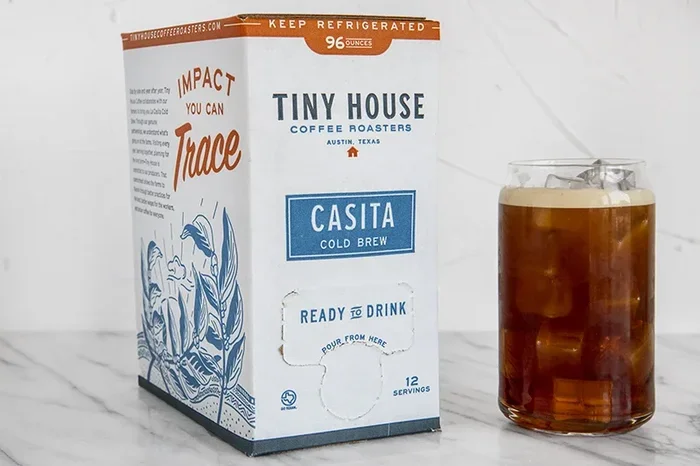
Cold brew and hot brew are two very different processes, and they produce very different flavor profiles. Cold brew uses room-temperature or cold water and steeps for 12 to 24 hours. This slow process extracts fewer bitter compounds, resulting in a naturally smooth, sweet concentrate that is perfect for iced coffee.
Hot brewing, on the other hand, uses heated water and takes only a few minutes. While faster, hot extraction pulls out more bitter compounds. However, you can still make smooth hot-brewed iced coffee by following a few key rules:
- Use water that is between 195 and 205 degrees Fahrenheit. Boiling water is too hot and will extract excessive bitterness.
- Brew for no more than 4 to 5 minutes to prevent over-extraction.
- Let the coffee cool to room temperature before pouring it over ice.
If you are new to cold brew, it is worth trying both methods. Many people find that cold brew iced coffee is naturally sweeter and smoother without any additives. The trade-off is time. Cold brew takes hours, while hot brew takes minutes. Choose the method that fits your lifestyle and taste preferences.
The Right Coffee-to-Water Ratio
Getting the ratio right is critical for avoiding bitterness. Too much coffee and the brew becomes over-concentrated and harsh. Too little coffee and the result is weak and sour. For hot-brewed iced coffee, a good starting point is about 1 to 2 tablespoons of ground coffee per 6 ounces of water.
For cold brew, the ratio is typically 1 part coffee to 4 parts water. This creates a concentrate that you can dilute with water, milk, or ice to taste. Adjusting the ratio is one of the simplest ways to control bitterness. If your coffee tastes too harsh, try using slightly less coffee or a bit more water. A kitchen scale can help you get precise measurements every time.
Brewing Time and Extraction
Time is the silent driver of bitterness in coffee. The longer water stays in contact with grounds, the more compounds it extracts. This includes the bitter ones. For hot-brewed coffee, aim for a total brew time of 3 to 5 minutes. For cold brew, 12 to 18 hours is the sweet spot.
If you use a French press, remember that the steeping time includes the time the coffee sits after you press down. Pour it out immediately after pressing to avoid extracting extra bitterness from the settled grounds. This is a small step that makes a noticeable difference in the final cup.
Simple Additions to Neutralize Bitterness
Sometimes, even with the best beans and brewing method, you may want a little extra help smoothing out your iced coffee. The good news is that a few simple additions can transform a bitter cup into something delicious. These are not about masking the coffee flavor but about balancing it naturally.
Milk, Cream, and Non-Dairy Alternatives
Milk and cream are classic coffee companions, and for good reason. The proteins in dairy bind to bitter compounds, softening their impact on your taste buds. A splash of whole milk, oat milk, or cream can take the edge off even a strong brew.
Here are some popular options for adding creaminess to your iced coffee:
- Whole milk adds a natural sweetness and smooth texture without overwhelming the coffee flavor.
- Oat milk is a great plant-based option that froths well and has a naturally slightly sweet taste.
- Coconut cream adds a rich, tropical note that pairs beautifully with iced coffee.
- Half-and-half provides a richer, creamier texture for those who want a more indulgent drink.
Start with a small amount and adjust to your taste. You can always add more, but you cannot take it away once it is in the cup. Each option brings a different flavor profile, so experiment until you find your favorite combination.
Natural Sweeteners and Flavor Boosters
If milk alone is not enough, natural sweeteners can help round out bitter flavors. Unlike refined sugar, which can make coffee taste overly sweet and artificial, natural options add depth and balance to your cup.
Try these simple additions to your next iced coffee:
- A tiny pinch of salt. This may sound strange, but salt suppresses bitterness and enhances sweetness. Just a pinch does the trick without making your coffee taste salty.
- Honey or maple syrup. These natural sweeteners blend seamlessly into cold drinks and add complex flavor notes that refined sugar cannot match.
- A drop of vanilla extract. Vanilla is a natural flavor enhancer that softens harsh edges and adds warmth to cold coffee drinks.
- Cinnamon or cocoa powder. A light dusting on top adds aroma and a subtle sweetness that balances bitterness beautifully.
These additions work best when you add them before pouring the coffee over ice. This gives them time to mix and integrate with the coffee flavor. Experiment with combinations to find your perfect balance. A little goes a long way, so start small and adjust as you go.
Temperature and Serving Tips
How you serve your iced coffee also affects its perceived bitterness. Coffee served at very cold temperatures can taste different than coffee at room temperature. The cold numbs your taste buds slightly, which can either reduce or amplify bitterness depending on the coffee.
One important tip: do not brew coffee and then immediately pour it over ice. Let it cool to room temperature first. This prevents the rapid temperature change from locking in harsh flavors. Think about it this way: just as you would not rush how to keep food warm without an oven by cranking the heat to maximum, you should not rush the cooling process for your coffee either. Patience pays off in better flavor.
Using larger ice cubes or frozen coffee cubes instead of regular ice also helps. They melt more slowly, which means less dilution and a more consistent flavor from the first sip to the last. You can freeze leftover brewed coffee into cubes and use them to keep your iced coffee strong and flavorful without watering it down.
Quick Tips and Common Mistakes to Avoid
Now that you understand the science and methods behind less bitter iced coffee, let us put it all together with some practical advice. These quick tips will help you avoid the most common pitfalls and get better results every time you brew.
Quick Tips for Smoother Iced Coffee
- Always use fresh, filtered water. Tap water with chlorine or minerals can add off-flavors that amplify bitterness in your cup.
- Clean your coffee maker or French press after every use. Residual oils go rancid and create stale, harsh flavors. In fact, keeping your equipment clean is just as important as learning how to clean oven with dishwasher tablet without scrubbing because both involve simple maintenance that prevents buildup and off-tastes.
- Store brewed coffee in the refrigerator immediately. Do not let it sit at room temperature for more than 30 minutes.
- Use the right amount of coffee. A kitchen scale is more accurate than scooping by hand and helps you achieve consistent results.
- Experiment with different bean origins. Brazilian and Colombian beans tend to be naturally sweeter and less bitter than other varieties.
- Add a pinch of salt to your grounds before brewing. This is a chef’s trick that neutralizes bitterness at the source before it even hits your cup.
Common Mistakes That Make Coffee Bitter
Even experienced coffee drinkers can fall into habits that increase bitterness. Here are the mistakes to watch out for:
- Reheating coffee. This breaks down the flavors and amplifies bitter compounds. Always brew fresh for the best taste and aroma.
- Using pre-ground coffee that is too old. Coffee grounds lose their freshness within 15 to 30 minutes of grinding. Grind just before brewing for the best results.
- Ignoring your water quality. Hard water with high mineral content can interact with coffee compounds and create a harsher taste.
- Overfilling the filter. Too many grounds in the filter restricts water flow and causes uneven extraction, which increases bitterness significantly.
Avoiding these mistakes alone can improve your iced coffee dramatically. Combine them with the tips above, and you will notice a world of difference in every cup you make.
Conclusion
Making iced coffee less bitter is entirely within your control. From choosing the right beans and grind size to adjusting your brew time and ratio, every step plays a role in the final cup. The bitterness you taste is not a fixed characteristic of coffee. It is a result of how the coffee was prepared, and that means you can change it.
Start with fresh, quality beans. Use the right water temperature and brewing time. Add milk, cream, or natural sweeteners to balance the flavor. Keep your equipment clean and store your coffee properly. These simple changes will transform your iced coffee from harsh and unpleasant to smooth, refreshing, and absolutely delicious.
The beauty of making iced coffee at home is that you can customize every variable to suit your personal taste. Do not be afraid to experiment. Try different beans, adjust your ratios, and explore new flavor additions. People have been perfecting brewing techniques for centuries, much like the ingenuity behind how to make a clay oven represents the patience and craftsmanship of traditional methods that produce the best results. Once you find your perfect formula, you will never go back to bitter iced coffee again. Your mornings deserve something better, and now you have the tools to make it happen.
Frequently Asked Questions
Why does my iced coffee taste so bitter?
Bitter iced coffee usually results from over-extraction, which happens when water pulls too many compounds out of the coffee grounds. This can be caused by using water that is too hot, grinding the beans too fine, brewing for too long, or using too much coffee. Adjusting any of these variables can significantly reduce bitterness and improve your cup.
Does adding salt really make coffee less bitter?
Yes, a small pinch of salt is a well-known trick to reduce bitterness in coffee. Salt suppresses the taste receptors that detect bitter flavors without making the coffee taste salty. Just a tiny amount added to the grounds before brewing or directly into the cup can make a noticeable difference in flavor.
Is cold brew iced coffee less bitter than regular iced coffee?
Generally, yes. Cold brew uses cold or room-temperature water and a long steeping time of 12 to 24 hours. This slow extraction process pulls out fewer of the bitter compounds that hot water extracts quickly. As a result, cold brew iced coffee tends to be naturally smoother and less bitter than hot-brewed coffee served over ice.
What is the best milk to add to iced coffee to reduce bitterness?
Whole milk and oat milk are two of the best options for reducing bitterness. The proteins in dairy bind to bitter compounds, while oat milk has a naturally slightly sweet flavor that balances harsh notes. Both options add creaminess without overpowering the coffee flavor, making them ideal for smoother iced coffee.
How long can I store brewed iced coffee in the refrigerator?
Brewed iced coffee stays fresh for up to 24 hours when stored in the refrigerator. After that, it begins to develop stale, flat flavors that can taste more bitter. For the best taste, brew fresh each day or store your concentrate separately from any milk or ice you plan to add later.
Can I use regular ground coffee for cold brew?
Yes, you can use regular ground coffee for cold brew, but a coarse grind works best. A coarse grind, similar to sea salt, prevents over-extraction and produces a cleaner, less bitter result. If you only have medium or fine grounds available, steep for a shorter time and strain more carefully to avoid grit and excess bitterness in your cold brew.