What Size To Grind Coffee For Keurig The Perfect Way
Finding the right size to grind coffee for Keurig is the simplest way to upgrade your morning cup. A medium-fine grind works best for most Keurig machines, giving you smooth, balanced flavor without clogging the filter. Whether you use a blade grinder or burr grinder, this guide shows you the exact settings and techniques for perfect Keurig grind size every single time.
There is nothing quite like walking into the kitchen and smelling fresh coffee brewing. But if you are using a Keurig machine and grinding your own beans at home, the size to grind coffee for Keurig matters more than you might think. Get it right, and you will enjoy a rich, smooth cup that rivals any café. Get it wrong, and you end up with something bitter, weak, or just plain disappointing.
This guide walks you through everything you need to know about Keurig grind size. We will cover what grind setting works best, which grinders to use, common mistakes to avoid, and simple tips that will transform your daily brew. Whether you are a complete beginner or a coffee lover looking to fine-tune your routine, you will find practical advice here.
The good news is that nailing the perfect ground coffee for Keurig does not require expensive equipment or years of experience. A few simple adjustments and a basic understanding of how grind size affects extraction are all you need. Let us dive in.
Key Takeaways
- Medium-fine grind is the sweet spot: This size mimics store-bought K-Cup grounds and extracts evenly in Keurig machines.
- Avoid extra-fine or coarse grinds: Too fine causes clogging and bitter coffee, while too coarse leads to weak, watery brews.
- A burr grinder gives the best results: It produces a uniform grind size, which is key for consistent flavor.
- Use fresh beans when possible: Grinding right before brewing preserves aroma and flavor far better than pre-ground coffee.
- Adjust based on your Keurig model: Different machines handle grind sizes slightly differently, so minor tweaks may be needed.
- Clean your grinder regularly: Residual oils and particles can affect taste and machine performance over time.
📑 Table of Contents
Understanding Coffee Grind Sizes
Before we talk about the best Keurig grind size, it helps to understand what grind sizes actually mean. Coffee beans can be ground into many different textures, from powder-fine to chunky coarse. Each size affects how water flows through the grounds and how flavors are extracted.
Think of it like tea. If you drop a whole tea bag into hot water, it brews slowly. But if you crush the tea leaves into tiny pieces, the water extracts flavor much faster. Coffee works the same way. The smaller the grind, the more surface area is exposed, and the faster the extraction happens.
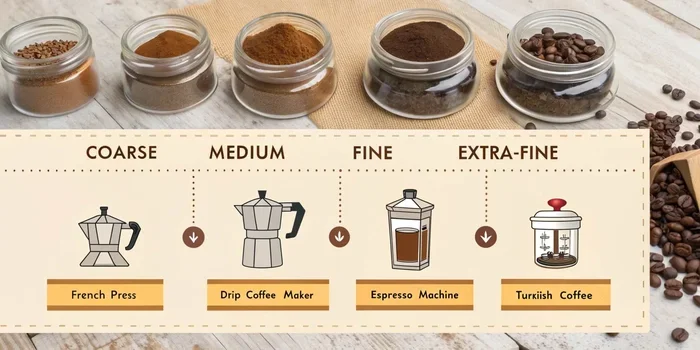
Here are the main grind sizes you will encounter:
- Extra Fine: Like powdered sugar. Used for Turkish coffee.
- Fine: Like table salt. Used for espresso.
- Medium-Fine: Like sandy texture. Ideal for drip and Keurig machines.
- Medium: Like rough sand. Common for standard drip coffee makers.
- Medium-Coarse: Like sea salt. Used for pour-over methods.
- Coarse: Like peppercorns. Used for French press.
- Extra Coarse: Like large chunks. Used for cold brew.
Each coffee grind setting serves a specific brewing method. Using the wrong one leads to over-extraction or under-extraction, both of which ruin the taste of your coffee.
The Best Grind Size for Keurig Machines
So, what is the ideal size to grind coffee for Keurig? The answer is a medium-fine grind. This setting closely matches the grind used inside commercial K-Cups, which are designed to brew quickly under pressure in a small space.
A medium-fine grind allows water to flow through the grounds at just the right speed. It extracts enough flavor to give you a full-bodied cup without pulling out bitter compounds. Think of it as the Goldilocks zone of coffee grinding. Not too fine. Not too coarse. Just right.
Here is a quick comparison of what happens with different grind sizes in a Keurig:
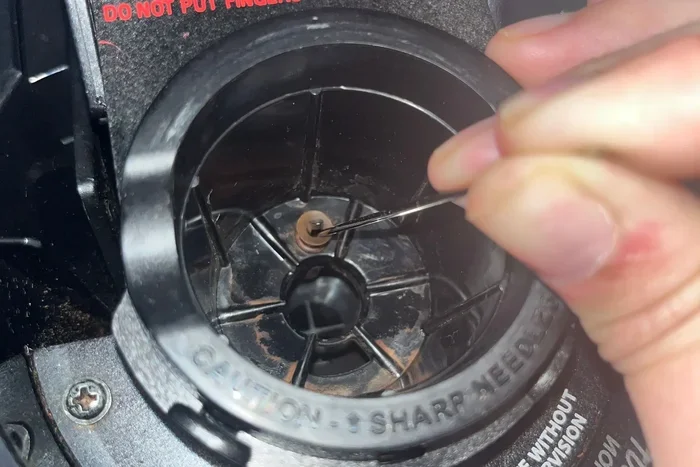
- Too Fine: Water struggles to pass through. This causes over-extraction, leading to bitter, harsh flavors. It can also clog the needle and filter, slowing down or stopping the brew entirely.
- Too Coarse: Water rushes through too quickly. This causes under-extraction, resulting in weak, sour, and watery coffee that tastes like nothing.
- Medium-Fine (Ideal): Water flows steadily and extracts a balanced range of flavors. You get a smooth, rich, and satisfying cup every time.
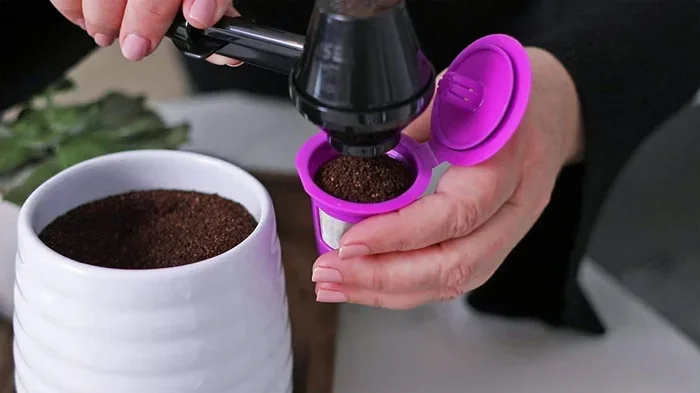
If your Keurig came with a reusable filter, you have even more control over the coffee particle size. This is a great advantage over single-use K-Cups because you can experiment with different grinds until you find your perfect match.
How Grind Size Affects Extraction
Extraction is the process of pulling flavors, oils, and compounds out of the coffee grounds using hot water. The coffee brewing ratio and grind size work together to determine the final taste of your cup.
When you grind coffee too fine, the water spends too much time in contact with the grounds. It pulls out too many compounds, including unpleasant bitter ones. When you grind too coarse, the water barely has time to extract anything meaningful. The result is a flat, underwhelming drink.
The medium-fine grind size for Keurig hits the sweet spot where extraction happens quickly but thoroughly. You get the bright, complex notes of the beans without any harsh aftertaste.
How to Grind Coffee for Keurig at Home
Now that you know the target Keurig grind size, let us talk about how to actually achieve it at home. The type of grinder you use makes a huge difference in the quality and consistency of your grounds.
Burr Grinder vs Blade Grinder
This is the most important decision you will make when grinding coffee for your Keurig. The two main types of grinders produce very different results.
A blade grinder works like a blender. It spins sharp blades at high speed to chop the beans into pieces. The problem is that it creates an uneven mix of large chunks and fine powder. Some particles will over-extract while others under-extract, leading to an inconsistent and often muddy taste.
A burr grinder, on the other hand, uses two rotating surfaces (burrs) that crush beans into uniform particles. This gives you a much more uniform grind size, which is essential for balanced extraction. If you want the best possible cup from your Keurig, a burr grinder is the clear winner.
That said, a blade grinder can still work if you are on a tight budget. Just be extra careful with timing. Pulse the grinder in short bursts and check the texture frequently. Stop as soon as the grounds reach a sandy, medium-fine consistency.
Recommended Grinders for Keurig Users
Not all grinders are created equal. Here are some features to look for when choosing a best coffee grinder for Keurig:
- Adjustable settings: You need the ability to dial in a medium-fine grind precisely.
- Burr mechanism: Conical or flat burrs both work well. Avoid blade grinders if possible.
- Small capacity: You do not need to grind large batches for a single Keurig cup. A smaller hopper is perfectly fine.
- Easy cleanup: Coffee oils build up quickly. Choose a grinder that is simple to disassemble and clean.
Step-by-Step Grinding Process
Follow these simple steps to grind coffee perfectly for your Keurig every time:
- Start with fresh, whole coffee beans. Stale beans produce flat, lifeless coffee no matter how well you grind them.
- Measure out the right amount. For a single Keurig cup, use about 2 tablespoons (roughly 10 grams) of beans.
- Set your grinder to a medium-fine setting. This is usually between settings 4 and 7 on most burr grinders, but it varies by model.
- Grind the beans and check the texture. It should feel like fine sand or slightly coarser than table salt.
- If needed, adjust the setting slightly finer or coarser and try again. Small tweaks make a big difference.
- Grind only what you need for immediate brewing. Freshly ground coffee tastes noticeably better than grounds that have been sitting out.
Common Mistakes When Grinding Coffee for Keurig
Even experienced coffee lovers make mistakes when it comes to grinding coffee beans for Keurig. Here are the most common errors and how to avoid them.
Using Pre-Ground Coffee Without Checking the Grind
Pre-ground coffee from the grocery store might seem convenient, but it is often ground for a different brewing method. Most pre-ground coffee is labeled for drip machines, which use a medium grind. This is close but not quite the same as the medium-fine grind your Keurig needs. The result is often a slightly weak or flat cup.
Grinding Too Far in Advance
Once coffee is ground, it starts losing flavor rapidly. The oils that give coffee its rich aroma begin to evaporate within minutes of grinding. For the best taste, always grind your beans right before you brew. If you must grind ahead, store the grounds in an airtight container and use them within 15 minutes.
Ignoring Your Keurig Model
Different Keurig models have different needle sizes, water pressure, and brew times. Some models handle slightly coarser grinds better than others. For example, the Keurig 2.0 and newer models with strong brew settings may respond differently to grind size than older models. Pay attention to how your specific machine performs and adjust accordingly.
Overfilling the Reusable Filter
If you use a Keurig reusable filter, it is tempting to pack it full of grounds to make a stronger cup. But overfilling restricts water flow and leads to uneven extraction. Stick to the recommended fill line and use a level scoop of grounds. The coffee brewing ratio matters just as much as the grind size.
Neglecting Grinder Maintenance
Coffee oils and fine particles build up inside your grinder over time. This residue can go rancid and affect the taste of your fresh coffee. Clean your grinder at least once a month. For burr grinders, use a small brush to remove trapped grounds. For blade grinders, a quick wipe with a dry cloth after each use goes a long way.
Tips for the Perfect Keurig Cup Every Time
Getting the size to grind coffee for Keurig right is the foundation of a great cup. But a few extra tips can take your coffee from good to exceptional.
Use filtered water. Keurig machines heat water quickly, and the quality of your water directly affects the taste of your coffee. Filtered water removes chlorine and impurities that can mask the delicate flavors of your beans.
Experiment with roast levels. Medium roasts tend to work best with a medium-fine grind because they have a balanced flavor profile. Dark roasts can become overly bitter if the grind is too fine. Light roasts may need a slightly finer grind to extract enough flavor.
Try the strong brew setting. If your Keurig has a strong brew option, use it with a slightly coarser grind. The stronger brew setting increases extraction time, so a coarser grind prevents over-extraction and bitterness.
Store your beans properly. Keep whole beans in an airtight container away from light and heat. Do not store them in the freezer, as moisture and odors can damage the beans. A cool, dark pantry works perfectly.
Clean your Keurig regularly. Run a water-only cycle with white vinegar once a month to remove mineral buildup. A clean machine brews better coffee and lasts longer.
Consider the coffee-to-water ratio. For a standard 8-ounce Keurig cup, use about 10 grams of coffee grounds. Adjust up or down based on your taste preference. More grounds make a stronger cup, but only if the grind size is correct.
Don’t be afraid to experiment. Every bag of coffee beans is different. The same grind setting that works perfectly for a medium roast from Colombia might not work the same way for a dark roast from Ethiopia. Adjust your grind size slightly with each new bean and keep notes on what works best.
Also, if you are curious about how different cooking methods affect flavor, you might enjoy learning about how to cook bacon and sausage in the oven for a perfect breakfast pairing with your Keurig coffee. And for a completely different take on kitchen appliances, check out how to reheat Domino’s pizza in a toaster oven for quick snacks that complement your coffee routine.
Final Thoughts on Keurig Grind Size
The perfect size to grind coffee for Keurig is a medium-fine grind. It gives you the best balance of flavor, aroma, and extraction without clogging your machine or producing weak coffee. Pair this grind size with a good burr grinder, fresh beans, and clean water, and you will never want to go back to pre-ground K-Cups again.
Remember, coffee brewing is both a science and an art. The grind size is just one piece of the puzzle. But it is a very important piece. Once you dial in your Keurig grind size, you will notice a dramatic improvement in every cup you brew. The effort it takes to grind your own beans is small compared to the reward of a truly great cup of coffee.
Start with the tips in this guide. Make small adjustments. Trust your taste buds. Before long, you will know exactly what works best for your Keurig and your personal preference. Happy brewing.
Frequently Asked Questions
Can I use a blade grinder to grind coffee for my Keurig?
Yes, you can use a blade grinder, but the results will be less consistent than a burr grinder. Pulse the grinder in short bursts and stop when the grounds reach a medium-fine, sandy texture. Check the size frequently to avoid creating too much fine powder.
What happens if I grind my coffee too fine for the Keurig?
Grinding too fine causes the water to struggle through the grounds. This leads to over-extraction, which produces bitter, harsh coffee. It can also clog the needle and filter, slowing down or stopping the brew cycle entirely.
Is medium-fine grind the same as pre-ground store-bought coffee?
Not exactly. Most store-bought pre-ground coffee is ground for standard drip machines, which is slightly coarser than a medium-fine grind. Grinding your own beans at home gives you a finer, more consistent texture that is better suited for Keurig brewing.
How much coffee should I use per Keurig cup?
For a standard 8-ounce cup, use about 2 tablespoons or 10 grams of coffee grounds. You can adjust this amount up or down based on your preferred strength. Just make sure the grind size stays at medium-fine for the best results.
Can I reuse coffee grounds in my Keurig?
You can, but the second brew will be much weaker because most of the flavor compounds have already been extracted. It is always better to use fresh grounds for each cup to get the full flavor and aroma.
How often should I clean my coffee grinder?
You should clean your grinder at least once a month. For daily users, a quick brush after each session helps remove trapped oils and particles. A deep clean with a damp cloth and mild soap should be done monthly to keep the grinder running smoothly.
=== CONCLUSION ===
The size to grind coffee for Keurig is simpler than most people think. A medium-fine grind is your go-to setting for a smooth, balanced, and flavorful cup every single time. Whether you use a burr grinder or a blade grinder, the key is consistency and freshness. Avoid common mistakes like grinding too fine, using stale beans, or overfilling your filter. Follow the tips in this guide, experiment with different beans, and trust your palate. With the right Keurig grind size and a little practice, you will brew coffee at home that tastes just as good as your favorite coffee shop. Start today and taste the difference fresh grinding makes.