How Does A Bunn Commercial Coffee Maker Actually Work
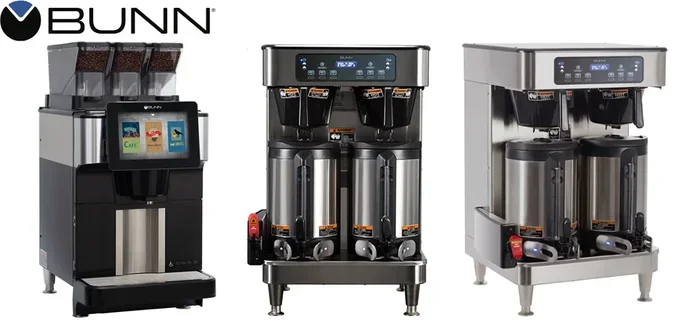
A Bunn commercial coffee maker uses a unique tank-style brewing system that heats water continuously and delivers it evenly over coffee grounds. Its hot water tank, spray head, and thermal carafe work together to produce large batches of consistently hot coffee. Understanding how each component functions helps you brew better coffee and maintain the machine for years.
A Bunn commercial coffee maker is a workhorse. You see them in diners, offices, break rooms, and restaurants across the country. But have you ever wondered what happens inside that sleek tank when you press the brew button?
The answer is more fascinating than you might think. Unlike your regular drip machine at home, a Bunn commercial coffee maker uses a continuous tank system that heats water around the clock. This design lets it brew cup after cup at remarkable speed. In this article, we will break down exactly how a Bunn commercial coffee maker works, piece by piece.
Whether you are a coffee shop owner, an office manager, or just a coffee lover curious about the machine behind your morning cup, this guide has you covered. We will explore the core components, the brewing process, temperature control, and maintenance tips. By the end, you will understand why Bunn machines are trusted by professionals worldwide.
Key Takeaways
- Tank-Style Brewing: A Bunn coffee maker holds and continuously heats water, unlike drip machines that heat per cycle.
- Spray Head Distribution: The spray head evenly saturates grounds for consistent extraction and flavor.
- Optimal Brewing Temperature: Bunn machines maintain water at 195-205°F, the ideal range for coffee extraction.
- Thermal Carafe Design: The carafe keeps coffee hot without a warming plate, preserving taste.
- Regular Maintenance Matters: Descaling and cleaning extend the machine’s lifespan and improve coffee quality.
- Batch Brewing Efficiency: Commercial Bunn models can brew multiple batches per hour for high-volume needs.
- Flow Control Valve: This valve regulates water speed, ensuring proper brew time and flavor.
📑 Table of Contents
- What Makes A Bunn Commercial Coffee Maker Different
- The Core Components Of A Bunn Commercial Coffee Maker
- How The Brewing Process Works Step By Step
- Temperature Control And Water Flow
- Maintenance And Care Tips
- Who Should Use A Bunn Commercial Coffee Maker
- Common Mistakes To Avoid
- Expert Insights On Bunn Commercial Coffee Makers
- Key Takeaways
What Makes A Bunn Commercial Coffee Maker Different
Not all coffee makers are created equal. A Bunn commercial coffee maker stands apart because of its tank-style design. Most home drip machines heat a small amount of water, brew it, and then move on. A Bunn machine does things differently.
Inside the machine, a large reservoir holds heated water at all times. When you start a brew cycle, cold water enters the bottom of the tank. The machine immediately heats this new water while the already-hot water above gets pushed out and through the coffee grounds. This means brewing starts almost instantly.
This is why Bunn machines are so fast. A full batch can be ready in minutes. The continuous heating system also means the water is always at the right temperature. No waiting. No lukewarm coffee.
Compare this to keeping food warm without an oven where you need a steady heat source. A Bunn machine works the same way. It maintains a constant temperature so your coffee is always ready to serve.
Tank-Style vs. Tankless Machines
Some commercial coffee machines use a tankless design. These heat water on demand as it passes through. Bunn machines use a tank because it allows for faster brew times and more consistent output. The trade-off is that the machine uses more energy to keep the tank heated. But for high-volume settings, the speed and consistency are worth it.
The Core Components Of A Bunn Commercial Coffee Maker
To understand how a Bunn machine works, you need to know its parts. Each component plays a specific role in the brewing process. Let us walk through them one by one.
The Water Reservoir And Hot Water Tank
The water reservoir sits at the back or top of the machine. This is where you pour in fresh, cold water before brewing. From there, the water flows into the hot water tank. The tank is insulated and contains a heating element at the bottom.
The heating element keeps the water in the tank at the perfect brewing temperature. Most Bunn machines maintain water between 195 and 205 degrees Fahrenheit. This is the sweet spot for extracting the best flavors from coffee grounds.
The tank capacity varies by model. Smaller units hold around 2.5 gallons while larger commercial models can hold up to 5 gallons or more. This determines how many cups you can brew before needing to refill.
The Spray Head
The spray head is the part that distributes water over the coffee grounds. It sits at the top of the brew funnel. When the brew cycle starts, hot water from the tank flows up through a tube and exits through the spray head.
The spray head has small holes or ridges that spread the water evenly across the grounds. This even distribution is critical. If water hits only one spot, the coffee will be over-extracted in some areas and under-extracted in others. The result is a bitter, uneven cup.
The Brew Funnel And Filter Basket
The brew funnel holds the filter basket in place over the carafe or pot. You add your coffee grounds to the filter basket. The hot water from the spray head drips down through the grounds and the filter. The brewed coffee then flows into the carafe below.
Bunn machines work best with medium-ground coffee. Too fine and the water will struggle to pass through. Too coarse and the coffee will taste weak. The grind size matters a lot for getting the best results.
The Thermal Carafe
Most Bunn commercial coffee makers come with a thermal carafe. Unlike glass pots that sit on a warming plate, thermal carafes use double-wall insulation to keep coffee hot. There is no heating element underneath.
This design has two big advantages. First, it prevents the burnt, bitter taste that comes from coffee sitting on a hot plate. Second, it saves energy because the machine is not constantly reheating the coffee. The carafe does the work.
The Flow Control Valve
The flow control valve is a small but important part. It regulates how fast water moves from the tank to the spray head. This controls the brew time. If water flows too fast, the coffee will be weak. If it flows too slow, the coffee will be over-extracted and bitter.
Bunn machines are designed with the valve already set to the optimal flow rate. In most cases, you do not need to adjust it. But knowing it is there helps you understand why the machine brews at a consistent pace every time.
The Heating Element
The heating element is the powerhouse of the machine. It sits at the bottom of the hot water tank and heats the water to the target temperature. Most Bunn heating elements are rated between 1200 and 1600 watts, depending on the model.
The element turns on and off automatically to maintain the set temperature. When you add cold water to the reservoir, the element ramps up to heat it quickly. Once the tank reaches the right temperature, it switches to a low-power mode to hold that temperature.
How The Brewing Process Works Step By Step
Now that you know the parts, let us walk through the actual brewing process. Understanding each step helps you troubleshoot problems and get the best results every time.
Step 1: Water Fill And Heating
First, you fill the water reservoir with cold, filtered water. The water then flows down into the hot water tank. The heating element kicks on and brings the water up to brewing temperature. This can take 3 to 5 minutes for a cold start.
Once the tank is heated, the machine is ready to brew. Some models have a ready light that turns on when the water is at the right temperature. This is your signal that brewing can begin.
Step 2: Cold Water Intake
When you start the brew cycle, cold water enters the bottom of the hot water tank. The incoming cold water pushes the already-heated water up and out through the spray head. This displacement method is what makes Bunn machines so fast.
The cold water also gets heated almost immediately by the element at the bottom of the tank. This means the tank never runs out of hot water, even during consecutive batches.
Step 3: Water Distribution Through The Spray Head
The hot water travels up a central tube and exits through the spray head. The spray head spreads the water evenly across the coffee grounds in the filter basket. This even saturation is the key to a balanced, flavorful brew.
The entire brew cycle for a full batch typically takes 4 to 6 minutes. The flow control valve ensures the water moves at the right speed. Too fast and you lose flavor. Too slow and you risk bitterness.
Step 4: Filtration And Drip
As the water passes through the coffee grounds, it extracts oils, flavors, and caffeine. The paper or reusable filter catches the grounds while letting the liquid coffee pass through. The brewed coffee drips down into the thermal carafe below.
The filtration process is simple but essential. Without a proper filter, fine grounds would end up in your cup and create a gritty, unpleasant texture. Always use the right size filter for your Bunn model.
Step 5: Carafe Filling And Serving
Once the brew cycle is complete, the carafe is full of fresh coffee. Because it is a thermal carafe, the coffee stays hot for hours without a warming plate. You can serve cup after cup without worrying about the coffee turning bitter or burnt.
For high-volume settings, you can start a new batch almost immediately. The tank reheats quickly and the next brew cycle begins. This is what makes Bunn machines ideal for busy environments.
Temperature Control And Water Flow
Temperature control is one of the most important factors in making great coffee. Water that is too hot will over-extract the grounds and create bitterness. Water that is too cool will under-extract and produce weak, flat coffee.
Bunn commercial coffee makers are engineered to maintain water at 195 to 205 degrees Fahrenheit. This is the Specialty Coffee Association’s recommended brewing range. The thermostat and heating element work together to keep the temperature steady within this range.
Some advanced Bunn models allow you to adjust the temperature slightly. This is useful if you are brewing a particular coffee bean that tastes better at a specific temperature. Most users, however, will find the default setting works perfectly.
The water flow rate also plays a big role. The flow control valve ensures that water spends the right amount of time in contact with the coffee grounds. This contact time, combined with the correct temperature, produces a well-balanced cup.
Why Consistent Temperature Matters
Inconsistent temperature leads to inconsistent coffee. One batch might be perfect while the next is too weak or too strong. Bunn’s tank system solves this problem by keeping a constant supply of hot water ready at all times. Every brew starts with water at the same temperature.
This consistency is one of the main reasons why businesses choose Bunn over other brands. When you are serving dozens or hundreds of cups a day, you need every batch to taste the same.
Maintenance And Care Tips
A Bunn commercial coffee maker is built to last, but it still needs regular care. Proper maintenance keeps the machine running smoothly and ensures great-tasting coffee batch after batch.
Daily Cleaning
After each use, remove the brew funnel and filter basket. Rinse them with warm water to remove any leftover coffee oils and grounds. Wipe down the exterior of the machine with a damp cloth. Empty and rinse the carafe.
These simple steps take just a few minutes and prevent buildup that can affect coffee flavor. Think of it like cleaning your oven with a dishwasher tablet without all the scrubbing. A little regular care goes a long way.
Weekly And Monthly Maintenance
Once a week, run a vinegar and water solution through a brew cycle to remove mineral deposits. This is especially important if you have hard water. Mineral buildup inside the tank and tubes can reduce heating efficiency and affect coffee taste.
Once a month, inspect the spray head for clogs. Remove it and soak it in warm, soapy water. Use a small brush to clear any residue from the spray holes. A clogged spray head leads to uneven water distribution and poor coffee quality.
Replacing Parts
Over time, certain parts will wear out. The spray head, filter baskets, and carafe seals are the most common replacements. Bunn sells replacement parts directly and through authorized dealers. Replacing worn parts is much cheaper than replacing the entire machine.
Just like replacing a part like the igniter in an oven keeps it running, replacing worn Bunn parts keeps your coffee maker in top shape. Do not wait until something breaks to order replacements.
Descaling Schedule
Descaling removes calcium and lime buildup inside the machine. Most manufacturers recommend descaling every 1 to 3 months depending on water hardness. Use a commercial descaling solution or a mix of white vinegar and water.
To descale, fill the reservoir with the solution, run a brew cycle without coffee grounds, then run two to three cycles with fresh water to rinse. Your machine will thank you with better performance and better-tasting coffee.
Who Should Use A Bunn Commercial Coffee Maker
A Bunn commercial coffee maker is not for everyone. But if your situation matches any of the following, it might be the perfect choice.
- Busy Offices: If you need to brew large quantities of coffee quickly for a team, a Bunn machine delivers.
- Diners And Restaurants: The speed and consistency of a Bunn machine make it ideal for food service environments.
- Coffee Shops: While espresso machines handle specialty drinks, Bunn machines are great for drip coffee service.
- Event Venues: For catered events where you need to serve many people, a Bunn machine can keep up with demand.
- Large Households: If your family drinks a lot of coffee, a Bunn machine saves time and ensures everyone gets a fresh cup.
Small households or casual coffee drinkers might find a Bunn machine too large or too powerful. In those cases, a simpler drip machine or a single-serve pod machine might be a better fit.
Common Mistakes To Avoid
Even with a great machine, mistakes can ruin your coffee. Here are the most common ones to watch out for.
- Using the Wrong Grind Size: Too fine causes clogs and bitterness. Too coarse makes weak coffee. Stick to a medium grind.
- Skipping the Warm-Up: Always let the machine heat the water fully before starting the first brew. A cold start without waiting leads to lukewarm coffee.
- Overfilling the Filter Basket: Too many grounds block water flow and cause uneven extraction. Follow the recommended fill line.
- Ignoring Descaling: Mineral buildup reduces efficiency and can damage the machine over time. Stick to a regular descaling schedule.
- Using Old or Stale Coffee Grounds: Freshly ground coffee produces the best flavor. Pre-ground coffee loses its aroma quickly.
Expert Insights On Bunn Commercial Coffee Makers
Industry professionals have long praised Bunn machines for their reliability and consistency. Coffee shop owners often say that a Bunn machine is the last thing they need to replace. These machines can last 10 years or more with proper care.
The key to getting the most out of your Bunn machine is understanding its design. The tank system, spray head, and thermal carafe are all engineered to work together. When each part functions as intended, you get a cup of coffee that is hot, flavorful, and consistent.
Baristas also recommend using filtered water in Bunn machines. Filtered water reduces mineral buildup and improves the taste of the coffee. It is a small change that makes a big difference over time.
Key Takeaways
A Bunn commercial coffee maker works by using a heated water tank that continuously maintains hot water at brewing temperature. When you start a brew cycle, cold water enters the tank and pushes the hot water through a spray head, evenly saturating coffee grounds. The brewed coffee drips through a filter into a thermal carafe, where it stays hot for hours without a warming plate.
The flow control valve, heating element, and thermostat all work together to ensure every batch brews at the right temperature and speed. Regular maintenance like descaling, cleaning the spray head, and replacing worn parts keeps the machine running at peak performance for years.
Whether you run a busy office, a diner, or simply want the best drip coffee at home, understanding how your Bunn machine works helps you get the most out of it. With the right technique and a little care, your Bunn commercial coffee maker will deliver perfect cups of coffee day after day.
Frequently Asked Questions
How long does a Bunn commercial coffee maker take to brew a full batch?
A full batch typically takes 4 to 6 minutes from start to finish. The tank heating process adds a few minutes if the machine has been idle. Once the tank is hot, consecutive batches brew even faster because the water is already at the right temperature.
What temperature does a Bunn commercial coffee maker brew at?
Most Bunn machines brew at 195 to 205 degrees Fahrenheit. This is the ideal range recommended by coffee experts for extracting the best flavors without causing bitterness or under-extraction.
Can I use regular ground coffee in a Bunn commercial coffee maker?
Yes, but a medium grind works best. Fine grinds can clog the filter and spray head, while coarse grinds may produce weak coffee. Always use fresh, quality ground coffee for the best results.
How often should I descale my Bunn commercial coffee maker?
Descale every 1 to 3 months depending on your water hardness. If you notice slower brewing or a change in coffee taste, it is time to descale. Using filtered water can extend the time between descaling sessions.
Why does my Bunn coffee maker taste bitter?
Bitter coffee is usually caused by over-extraction. This can happen if the water temperature is too high, the brew time is too long, or the grind is too fine. Check your machine settings and adjust the grind size to fix the problem.
How long can a Bunn commercial coffee maker last with proper care?
With regular maintenance, a Bunn commercial coffee maker can last 10 years or more. Cleaning the spray head, descaling regularly, and replacing worn parts like the carafe seal will significantly extend the machine’s lifespan.
=== CONCLUSION ===
A Bunn commercial coffee maker is more than just a machine. It is a carefully engineered brewing system designed to deliver consistent, great-tasting coffee at volume. From the hot water tank and heating element to the spray head and thermal carafe, every component works together to create the perfect cup.
Understanding how your Bunn machine works empowers you to use it better. You will troubleshoot faster, brew with more confidence, and maintain the machine more effectively. The result is better coffee and a longer-lasting machine.
Take the time to learn your specific model. Read the manual, follow the maintenance schedule, and experiment with grind sizes and coffee brands. Once you master your Bunn commercial coffee maker, you will never go back to mediocre coffee again.