Does Black Coffee Break Intermittent Fasting Today
Does Black Coffee Break Intermittent Fasting? The short answer is no. Black coffee is a zero-calorie drink that won’t disrupt your fast. It can boost fat burning and mental clarity. This guide covers the science, safe additives, and common mistakes to avoid.
If you’ve ever wondered why does my oven shut off randomly, you know how annoying small mysteries can be. But a bigger mystery for many people is whether their morning cup of coffee breaks a fast. The good news is that does black coffee break intermittent fasting has a clear answer. Black coffee is a zero-calorie beverage that fits perfectly into a fasting window. It won’t kick you out of ketosis or stop autophagy. In this guide, we’ll explore the science, answer common questions, and give you practical tips. You’ll learn exactly what you can add to your coffee without breaking a fast.
Many people rely on coffee to start their day. When you’re practicing intermittent fasting, you might worry about every sip. The truth is that plain black coffee is safe. It can even make fasting easier by suppressing hunger. Let’s dive into the details and clear up any confusion. Whether you drink espresso, cold brew, or drip coffee, this article has you covered.
Key Takeaways
- Black coffee does not break a fast: It has zero calories and won’t spike insulin.
- It may enhance fasting benefits: Coffee can boost fat oxidation and mental focus.
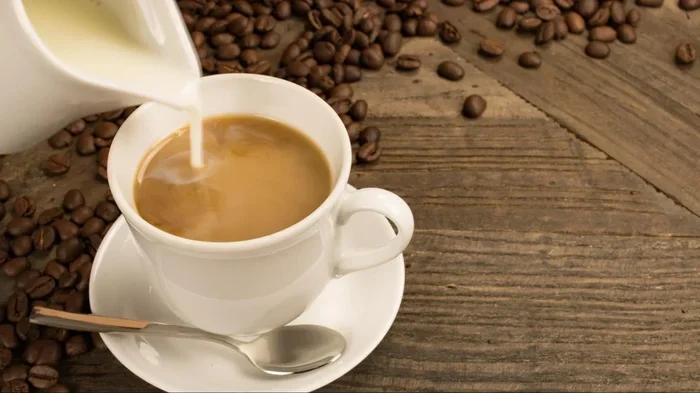
- What you add matters: Cream, sugar, and flavored creamers will break your fast.
- Stick to plain brewed or espresso: Avoid sweetened and flavored varieties.
- Stay hydrated: Coffee is a mild diuretic, so drink water alongside it.
- Listen to your body: If coffee causes hunger or jitters, skip it during fasting windows.
📑 Table of Contents
- Does Black Coffee Break Intermittent Fasting?
- The Science Behind Coffee and Fasting
- What You Can Add to Coffee Without Breaking a Fast
- Common Mistakes People Make
- Benefits of Black Coffee During Fasting
- Comparison: Coffee Drinks and Their Impact on Fasting
- Final Verdict: Does Black Coffee Break Intermittent Fasting?
Does Black Coffee Break Intermittent Fasting?
The short answer is no. Does black coffee break intermittent fasting? It does not. Black coffee contains virtually no calories. A standard cup of brewed black coffee has about 2 to 5 calories. That’s not enough to trigger an insulin response or break your fast. So you can enjoy your morning brew without worry.
But not all coffee drinks are created equal. A latte with whole milk and sugar will definitely break your fast. A black espresso or americano is fine. The key is to avoid any added calories. If you’re following a strict fasting protocol, stick to plain coffee. This includes drip coffee, French press, and cold brew without any sweeteners or cream.
What Counts as Black Coffee?
Black coffee means no additives. You can use regular ground beans, espresso beans, or instant coffee. As long as you don’t add sugar, honey, milk, or cream, it’s black. Some people use a tiny splash of unsweetened almond milk, but that’s not truly black. For the strictest fasting rules, keep it completely plain. The fewer ingredients, the better. Your goal is to keep insulin levels low and stay in a fasted state.
Why Do People Drink Coffee While Fasting?
Coffee has several benefits during fasting. It can reduce hunger and boost energy. Many people find it easier to stick to their fasting window when they have a cup of black coffee. It also enhances mental clarity and focus. Caffeine stimulates the nervous system, which can help you feel alert. Plus, coffee is rich in antioxidants. These compounds support overall health and may complement the benefits of intermittent fasting.
The Science Behind Coffee and Fasting
Understanding the science helps you trust the process. When you fast, your body shifts from using glucose to using fat for fuel. This is called fat oxidation. Coffee can support this shift. Caffeine increases metabolic rate and promotes the release of fatty acids from fat tissue. That means your body may burn more fat during a fasted workout or throughout the morning.
Some people ask does parmesan cheese melt in the oven, but the real question is how coffee affects fasting. The answer is simple: black coffee doesn’t interfere with the metabolic changes that happen during a fast. It doesn’t raise blood sugar or insulin levels. In fact, caffeine may slightly improve insulin sensitivity over time. That’s a good thing for metabolic health.
How Caffeine Affects Insulin
Caffeine can have a short-term effect on insulin sensitivity. Some studies show a slight temporary drop in insulin sensitivity after drinking coffee. However, this effect is small and doesn’t break a fast. The key is that black coffee has no calories. Insulin stays low, which is the goal of fasting. If you add sugar or cream, insulin will spike, and you’ll exit the fasted state.
Autophagy and Coffee
Autophagy is the body’s cleanup process. It recycles old or damaged cells. Fasting triggers autophagy, and many people fast specifically for this benefit. Does coffee stop autophagy? Research suggests no. Black coffee does not inhibit autophagy. In fact, some studies indicate that caffeine may promote autophagy. So your morning coffee might actually enhance this cellular repair process. Just keep it free of calories and sweeteners.
What You Can Add to Coffee Without Breaking a Fast
If plain black coffee feels too bitter, you have some options. You can add certain ingredients that won’t break your fast. The rule is simple: stay under 50 calories. Anything above that may trigger an insulin response and end your fasted state. Here are some safe additions to consider.
Safe Additives for Fasting Coffee
- A pinch of salt: This can reduce bitterness and help with electrolytes.
- Cinnamon: A small sprinkle adds flavor without calories.
- Unsweetened cocoa powder: A tiny amount gives a chocolatey taste with minimal calories.
- Collagen peptides: Some fasting experts allow collagen because it doesn’t spike insulin significantly. However, it does break a strict fast.
- MCT oil: This is a debated topic. MCT oil provides quick energy and may not fully break autophagy, but it does contain calories. Use it only if you’re doing a dirty fast.
What to Avoid in Coffee While Fasting
Stay away from anything that adds calories or sugar. Here is a quick list of what not to add:
- Whole milk, cream, or half-and-half
- Sugar, honey, maple syrup, or agave
- Flavored creamers or syrups
- Whipped cream or chocolate syrup
- Sweetened plant milks like vanilla almond milk
Even a splash of cream can break your fast if you’re doing strict intermittent fasting. Always check the label. Some “unsweetened” milks still contain calories and carbs. When in doubt, stick to plain black coffee.
Common Mistakes People Make
Many people ruin their fast without realizing it. Coffee is a common culprit because it’s so easy to add things to. Here are the most frequent mistakes and how to avoid them.
Adding Cream or Sugar
The most obvious mistake is adding cream or sugar. A splash of cream adds about 20 calories. Sugar adds more. Even a small amount can trigger insulin and break your fast. If you’re used to sweetened coffee, try switching to black gradually. Use cinnamon or a pinch of salt to ease the transition. Remember, the goal is to keep your body in a fasted state so it can burn fat and repair cells.
Drinking Flavored or Sweetened Coffees
Flavored lattes, frappuccinos, and sweetened cold brews are loaded with sugar and calories. A single flavored coffee drink can have 200 to 400 calories. That completely breaks a fast. If you buy coffee from a shop, always ask for a plain black coffee or espresso. No sugar, no syrup, no milk. You can also make your own at home to stay in control.
If you’ve ever wondered why does my oven shut off randomly, you know how a small glitch can ruin your plans. The same goes for adding the wrong ingredient to coffee. One splash of cream can “shut off” your fasted benefits. Stay disciplined and keep your coffee simple.
Overdoing Caffeine
Coffee is a tool, not a replacement for water. Drinking too much coffee can cause jitters, anxiety, and sleep issues. It can also dehydrate you because caffeine is a mild diuretic. During a fast, you’re already not getting fluids from food. Drink plenty of water alongside your coffee. Aim for no more than 2 to 3 cups of black coffee per day. This keeps the benefits without the downsides.
Benefits of Black Coffee During Fasting
Black coffee offers several advantages when you’re fasting. It’s not just a tasty pick-me-up. It can actively support your fasting goals. Here are the main benefits.
Fat Burning and Energy
Caffeine boosts your metabolic rate. It signals your body to release stored fat into the bloodstream. This makes fat more available for energy. Many people drink black coffee before a fasted workout. It can improve performance and increase fat oxidation. The result is more calories burned and better endurance.
Mental Clarity and Focus
Fasting can sometimes cause brain fog. Coffee helps clear that fog. Caffeine increases the production of neurotransmitters like dopamine and norepinephrine. This sharpens your focus and improves mood. You’ll feel more alert and productive during your fasting window. That makes it easier to stick to your schedule and avoid snacking.
Appetite Suppression
One of the hardest parts of fasting is dealing with hunger. Black coffee can suppress appetite naturally. It slows gastric emptying and reduces ghrelin, the hunger hormone. A cup of black coffee in the morning can help you push through until your feeding window opens. This is especially helpful for beginners who are still adjusting to fasting.
Comparison: Coffee Drinks and Their Impact on Fasting
Not all coffee drinks are equal when it comes to fasting. Here is a simple comparison table to help you choose wisely.
| Coffee Drink | Calories | Breaks a Fast? | Best For |
|---|---|---|---|
| Black Brewed Coffee | 2–5 | No | Strict fasting |
| Espresso (single shot) | 3–5 | No | Strict fasting |
| Cold Brew (black) | 2–5 | No | Strict fasting |
| Americano (black) | 5–10 | No | Strict fasting |
| Coffee with a splash of almond milk | 10–15 | Maybe (dirty fast) | Flexible fasting |
| Latte with whole milk | 150–250 | Yes | Feeding window |
| Flavored Frappuccino | 300–500 | Yes | Avoid during fast |
| Coffee with sugar | 50+ | Yes | Avoid during fast |
The table shows that plain black coffee is the safest choice. If you’re doing a strict fast, stick to the zero-calorie options. If you’re on a more relaxed or dirty fast, a small splash of unsweetened almond milk might be okay. But for the best results, keep it black.
Final Verdict: Does Black Coffee Break Intermittent Fasting?
So, does black coffee break intermittent fasting? No, it does not. Black coffee is a zero-calorie drink that supports your fast. It can boost fat burning, improve mental clarity, and suppress hunger. Just remember to keep it plain. No sugar, no cream, no flavored syrups. If you follow these simple rules, your morning coffee will never break your fast.
Some people ask does parmesan cheese melt in the oven, and the answer is yes under the right conditions. Similarly, the answer to whether coffee breaks a fast is yes for some types of coffee, but no for black coffee. The key is to know what you’re drinking. Plain black coffee is your best friend during a fasting window. It helps you stay on track and enjoy the full benefits of intermittent fasting. So go ahead, pour yourself a cup, and savor the clarity and energy it brings. Your fast will stay intact, and your goals will stay within reach.
Always listen to your body. If coffee makes you feel shaky or hungry, try reducing the amount or switching to decaf. Decaf coffee also has minimal calories and won’t break your fast. The most important thing is to find what works for you. With the right approach, coffee and fasting can go hand in hand. Stay consistent, stay hydrated, and enjoy the journey toward better health.
Frequently Asked Questions
Can I drink black coffee during intermittent fasting?
Yes, black coffee is safe during intermittent fasting. It has virtually no calories and won’t trigger an insulin response. Just avoid adding sugar, cream, or any sweeteners. Plain brewed, espresso, or cold brew coffee is perfectly fine.
Does adding a splash of milk break a fast?
A small splash of milk adds a few calories and can slightly raise insulin. For a strict fast, it’s best to avoid it. If you’re doing a more flexible or dirty fast, a tiny splash might be acceptable. But for the most benefits, stick to black coffee.
Will coffee with cream kick me out of ketosis?
Yes, adding cream will likely kick you out of ketosis. Cream contains fat and calories that trigger an insulin response. Even a small amount can shift your body from burning fat to processing the cream. Keep your coffee completely plain to stay in ketosis.
Is it okay to drink coffee before a blood test while fasting?
Black coffee is usually allowed before blood tests because it has no calories. However, some labs have specific rules. Always check with your healthcare provider or the lab instructions. Never add sugar, cream, or flavorings to your coffee before a fasting blood test.
Does coffee affect autophagy?
No, black coffee does not inhibit autophagy. In fact, some research suggests caffeine may promote autophagy. Autophagy is the body’s cellular cleanup process, and fasting is a powerful trigger for it. Black coffee supports this process without breaking your fast.
Can I drink decaf coffee while fasting?
Yes, decaf coffee is also safe during fasting. It contains almost no calories and won’t break your fast. Decaf still has the same antioxidants as regular coffee, just without the caffeine. It’s a great option if you’re sensitive to caffeine or drinking coffee later in the day.