How Do You Brew Coffee Beans For The Best Flavor Ever
Brewing the perfect cup starts with understanding your beans, grind size, water temperature, and coffee ratio. This guide covers everything from choosing fresh coffee beans to mastering popular methods like pour over coffee, French press, and espresso. Follow these simple steps to unlock the best coffee flavor every single morning.
There is nothing quite like a fresh cup of coffee made from whole beans. The aroma fills your kitchen, and the first sip wakes up your senses. How do you brew coffee beans to get the best possible flavor? The answer lies in understanding a few simple steps that anyone can master.
Brewing coffee at home gives you control over every detail. You choose the beans, the grind, the water, and the method. This guide walks you through the entire process from start to finish. Whether you are a complete beginner or a coffee lover looking to improve your routine, you will find practical tips here.
We cover everything from picking the right beans to mastering your brewing technique. You will learn about grind size, water temperature, coffee ratio, and popular brewing methods. By the end, you will know exactly how do you brew coffee beans for a cup that suits your taste perfectly.
So grab your favorite beans and let us get started. This guide is designed to be simple, practical, and full of real value. No fluff, just honest advice that helps you brew better coffee every single day.
Key Takeaways
- Start with fresh beans: Always choose whole beans with a recent roast date for the best flavor and aroma.
- Grind just before brewing: Grind size affects extraction and taste. Match it to your chosen method for balanced results.
- Control water temperature: Keep your hot water between 195 and 205 degrees Fahrenheit for optimal extraction.
- Get the coffee ratio right: Use about two tablespoons of grounds per six ounces of water as your starting point.
- Choose the right method: Pour over, French press, espresso, drip, and AeroPress each bring out different qualities in your beans.
- Avoid common mistakes: Skip stale beans, wrong grind sizes, bad water, dirty equipment, and rushing the process.
- Practice and experiment: The more you brew, the better you get. Keep notes and adjust your approach with each cup.
📑 Table of Contents
- Why Brewing Coffee Beans The Right Way Matters
- Choosing the Best Coffee Beans for Great Flavor
- How Do You Brew Coffee Beans: Mastering the Grind
- Water Temperature and Coffee Ratio
- Popular Brewing Methods for the Best Coffee Flavor
- Common Mistakes That Ruin Your Coffee Taste
- Expert Tips for Brewing Coffee Like a Pro
- Conclusion
Why Brewing Coffee Beans The Right Way Matters
Many people rush through their morning coffee routine without thinking about what they are doing wrong. The truth is, coffee brewing is both an art and a science. Small changes in how you handle your beans can make a huge difference in the final cup.
When you brew correctly, you unlock the full potential of your beans. You get better aroma, richer taste, and a more satisfying experience every morning. Understanding the basics also saves you money because you waste fewer beans and less coffee grounds.
The flavor of your coffee depends on several factors working together. The bean quality, roast level, grind size, water temperature, and brewing time all play a role. Getting even one of these wrong can lead to a flat or bitter cup. Learning how to balance them is the key to great coffee.
Think of it like cooking a meal. You would not throw random ingredients together and expect a great result. The same logic applies to your morning brew. Taking a few extra minutes to get things right pays off in a big way.
Choosing the Best Coffee Beans for Great Flavor
The journey of great coffee starts before you even grind a bean. Fresh coffee beans are the foundation of a delicious cup. Without good beans, no brewing method can save your coffee.
Whole Beans vs Pre-Ground Coffee
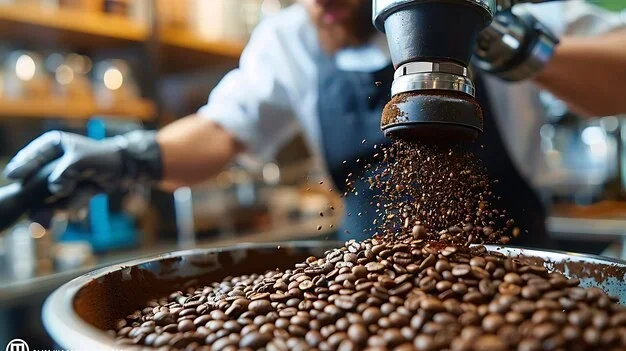
Whole beans stay fresh much longer than pre-ground options. When coffee is ground, it starts losing its oils and aroma quickly. Buying whole beans and grinding them just before brewing gives you the best coffee flavor every time.
Pre-ground coffee can still work in a pinch. But if you want to truly elevate your morning routine, whole beans are the way to go. The difference in taste is noticeable from the very first sip.
Understanding Roast Levels
Coffee beans come in different roast levels, and each one brings a unique profile to your cup. Light roasts preserve the original flavors of the bean. They often have fruity, floral, or acidic notes that are bright and complex.
Medium roasts offer a balanced taste with mild sweetness and deeper flavors. This is the most popular choice for everyday drinking. Dark roasts bring bold, smoky, and chocolatey notes. They have less acidity and a heavier body.
Your choice of roast level depends on personal preference. If you like mild and nuanced coffee, go with a light roast. If you prefer strong and bold, a dark roast might be your best bet.
Where to Buy Quality Beans
Look for beans that have a roast date printed on the bag. Freshness matters a lot in coffee brewing. Beans that are roasted within the last two to four weeks give the best results. Avoid bags that only list a best-by date without a roast date.
Local roasters often carry the freshest beans available. Specialty coffee shops and online retailers also offer great options. Buying in small quantities ensures you use your beans while they are still at peak freshness.
How Do You Brew Coffee Beans: Mastering the Grind
How do you brew coffee beans without paying attention to the grind? You cannot. The grind size is one of the most important factors in coffee brewing. It affects extraction, brew strength, and overall coffee taste.
Why Grind Size Matters
Grind size determines how much surface area is exposed to water. Finer grinds have more surface area, which speeds up extraction. Coarser grinds extract more slowly. If your grind does not match your brewing method, the result will be either over-extracted or under-extracted.
Over-extracted coffee tastes bitter and harsh. Under-extracted coffee tastes sour and weak. Finding the right grind size for your method is essential for a balanced and enjoyable cup.
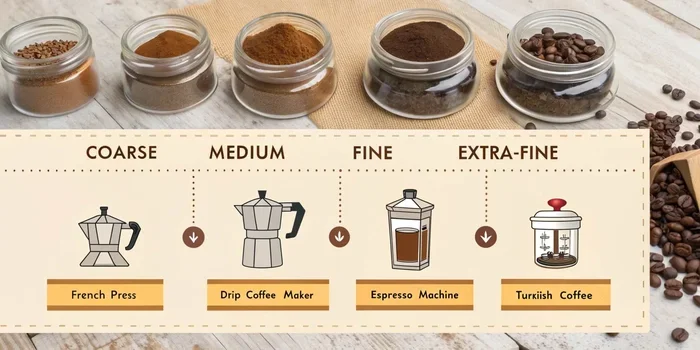
Grind Size Guide by Brewing Method
Different methods require different grind sizes. Here is a simple guide to help you get it right:
- Extra Coarse: Best for cold brew. These look like rough chunks and steep slowly over many hours.
- Coarse: Ideal for French press. The large particles allow for a clean, full-bodied cup.
- Medium-Coarse: Great for pour over coffee. This size balances extraction and flow rate well.
- Medium: Works well for drip coffee makers and coffee makers with built-in filters.
- Medium-Fine: Good for AeroPress and some espresso machines. These create a rich, concentrated brew.
- Fine: Essential for espresso. The fine particles create the pressure needed for proper extraction.
Burr Grinder vs Blade Grinder
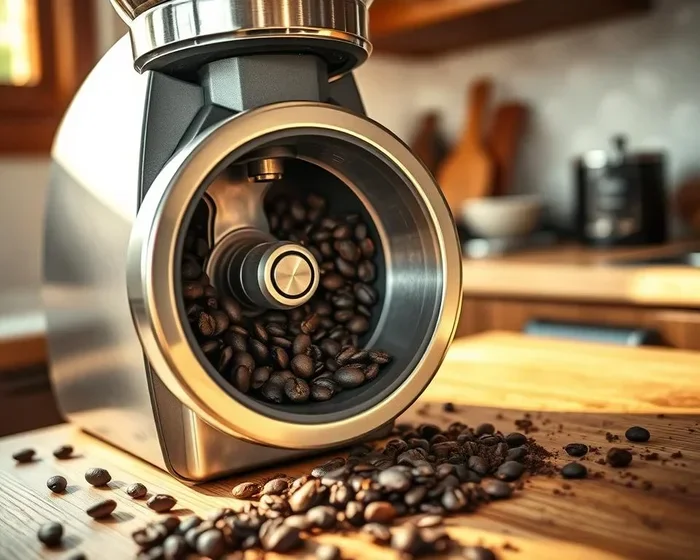
A burr grinder gives you consistent grind size, which is crucial for even extraction. Blade grinders chop beans unevenly, creating a mix of fine and coarse particles. This inconsistency leads to uneven coffee taste in your cup.
If you are serious about coffee brewing, invest in a burr grinder. It makes a noticeable difference in flavor and brew strength. Your morning cup will thank you for the upgrade.
Water Temperature and Coffee Ratio
Two factors that people often overlook are water temperature and the coffee ratio. Both play a huge role in how your final cup tastes. Getting these right can transform a mediocre brew into something amazing.
The Right Water Temperature
Water that is too hot will over-extract your coffee grounds, leading to bitterness. Water that is too cool will under-extract, leaving your coffee sour and thin. The sweet spot for most brewing methods is between 195 and 205 degrees Fahrenheit.
If you do not have a thermometer, bring your water to a boil and then let it sit for about 30 seconds. This cooling period brings it into the ideal range for hot water extraction. Using properly heated water is one of the simplest ways to improve your brew.
Getting the Coffee Ratio Right
The coffee ratio is the amount of coffee grounds compared to water. A standard starting point is about two tablespoons of coffee for every six ounces of water. This gives you a balanced cup that is neither too strong nor too weak.
However, personal preference plays a big role here. Some people like a stronger brew, while others prefer something milder. Adjust the ratio gradually until you find your perfect brew strength. Think of it like seasoning food — you add a little at a time until it tastes just right.
Getting the ratio right is similar to precision in the kitchen. Just as you would learn how to measure toaster oven settings for perfect results, measuring your coffee and water carefully leads to a consistently great cup every time.
Popular Brewing Methods for the Best Coffee Flavor
There are many ways to brew coffee at home, and each method brings out different qualities in your beans. The best method for you depends on your taste preferences, lifestyle, and how much time you have in the morning.
Pour Over Coffee
Pour over coffee is one of the most popular methods for coffee enthusiasts. It gives you complete control over the brewing process. You pour hot water over coffee grounds in a filter, and the liquid drips through into your cup below.
This method produces a clean, bright cup with clear flavors. It works especially well with medium grind sizes. Pour over coffee highlights the subtle notes in lighter roasts, making it a favorite among flavor seekers.
You will need a pour over dripper, a paper coffee filter, and a gooseneck kettle for best results. The process takes a few minutes but is well worth the effort.
French Press
The French press is a classic brewing method that produces a rich, full-bodied cup. You steep coarsely ground beans in hot water for about four minutes, then press the plunger down to separate the grounds from the liquid.
Because the coffee grounds stay in contact with water for the entire brewing time, French press coffee has a heavier mouthfeel and more oils. This method is perfect for people who love bold, robust coffee taste.
One tip for French press users: do not leave the coffee sitting in the press after brewing. Pour it out right away to avoid over-extraction and bitterness.
Espresso
Espresso is a concentrated brewing method that forces hot water through finely ground coffee at high pressure. The result is a small, intense shot with a layer of crema on top. Espresso serves as the base for lattes, cappuccinos, and many other popular drinks.
Making espresso at home requires an espresso machine, which can be a significant investment. But the flavor and control you get are unmatched. If you love milk-based coffee drinks, learning to pull a good shot at home is incredibly rewarding.
Drip Coffee Maker
The drip coffee maker is the most common method in households around the world. It is simple, convenient, and produces consistent results. You add water to the reservoir, place a coffee filter with grounds in the basket, and press start.
Drip machines work well with medium grind sizes and are perfect for brewing multiple cups at once. They are ideal for busy mornings when you want a reliable cup without much effort.
Comparison of Brewing Methods
Here is a quick comparison of popular brewing methods to help you choose the right one for your needs:
| Method | Flavor Profile | Grind Size | Brewing Time | Best For |
|---|---|---|---|---|
| Pour Over | Clean, bright, nuanced | Medium-Coarse | 3-4 minutes | Single cups, flavor clarity |
| French Press | Full-bodied, rich, bold | Coarse | 4 minutes | Bold coffee lovers |
| Espresso | Intense, concentrated, creamy | Fine | 25-30 seconds | Milk-based drinks, enthusiasts |
| Drip Coffee Maker | Balanced, smooth, easy | Medium | 5-10 minutes | Busy mornings, multiple cups |
| AeroPress | Smooth, clean, versatile | Medium-Fine | 1-2 minutes | Portable brewing, quick cups |
Common Mistakes That Ruin Your Coffee Taste
Even with great beans and the right equipment, small mistakes can ruin your cup. Avoiding these common errors will help you get the best results every time you brew.
Using Stale Beans
Stale beans are the number one enemy of good coffee. Beans lose their freshness and oils over time, especially after grinding. Always check the roast date and buy beans in quantities you can use within two to four weeks.
Wrong Grind Size for Your Method
Using the wrong grind size leads to over-extraction or under-extraction. If your coffee tastes bitter, your grind may be too fine. If it tastes sour, it may be too coarse. Match your grind size to your brewing method and adjust from there.
Ignoring Water Quality
Water makes up more than 98 percent of your cup of coffee. If your water tastes bad, your coffee will too. Use filtered water for the best results. Avoid distilled water, as it lacks the minerals that help extract flavor from coffee grounds.
Skipping the Clean Equipment
Dirty coffee makers and grinders leave old oils and residue that turn rancid over time. Keeping your equipment clean is just as important as using fresh beans. A clean setup ensures that nothing interferes with the pure taste of your brew.
Keeping your equipment clean is just as important as knowing how to maintain other kitchen tools. Think about how you would handle maintenance, similar to how to clean oven with dishwasher tablet without scrubbing — a little regular care goes a long way in keeping everything running smoothly.
Rushing the Brewing Process
Patience is key in coffee brewing. Rushing through the process means you skip important steps like pre-wetting the grounds or letting the coffee steep properly. Each method has an ideal brewing time. Follow it closely for the best results.
Expert Tips for Brewing Coffee Like a Pro
Once you have the basics down, these expert tips will take your coffee brewing to the next level. These small adjustments make a big difference in flavor and aroma.
Preheat Your Equipment
Warm your coffee maker, French press, or mug before you start brewing. Cold equipment absorbs heat from the water, which drops the temperature and affects extraction. A quick rinse with hot water keeps your brewing temperature stable throughout the process.
Keeping your coffee warm after brewing is also important. If you are not drinking right away, think about how to keep food warm without oven — an insulated carafe or thermal mug preserves heat without overcooking your coffee.
Bloom Your Coffee Grounds
Blooming is the process of pouring a small amount of hot water over your grounds and letting them sit for 30 to 45 seconds. This releases carbon dioxide from fresh beans and allows for more even extraction. You will see the grounds bubble and expand during this step.
Blooming is especially important for pour over coffee and French press methods. It is a simple step that significantly improves the clarity and sweetness of your cup.
Store Beans Properly
Store your fresh coffee beans in an airtight container at room temperature. Keep them away from direct sunlight, heat, and moisture. Avoid storing beans in the freezer, as moisture and odors can affect their quality.
A cool, dark pantry is the best place for your beans. If you buy beans in larger quantities, divide them into smaller portions so you only open one bag at a time.
Experiment and Keep Notes
Every bag of beans is different, and every water source varies slightly. The best coffee brewers experiment with different ratios, grind sizes, and brewing times. Keep a simple notebook with your settings and results so you can repeat what works and avoid what does not.
Experimentation is the heart of great coffee brewing. Treat each cup as a learning opportunity. Over time, you will develop an instinct for what works best with each type of bean and roast level.
Conclusion
Learning how do you brew coffee beans is a journey that rewards you with every cup. Once you understand the basics of grind size, water temperature, and coffee ratio, you can adapt to any method and any bean. The difference between a good cup and a great cup comes down to attention to detail.
Start with fresh, quality beans. Grind them to the right size. Use properly heated water. Choose a method that fits your lifestyle. And most importantly, take your time and enjoy the process. Coffee brewing is one of those simple pleasures in life that gets better the more you practice.
Now that you have all the knowledge you need, it is time to put it into action. Brew a cup, taste it carefully, and adjust from there. Your perfect cup of coffee is waiting for you. Happy brewing!
Frequently Asked Questions
What is the best grind size for brewing coffee?
The best grind size depends on your brewing method. Coarse grinds work well for French press, medium grinds are ideal for drip coffee makers, and fine grinds are essential for espresso. Matching your grind size to your method ensures proper extraction and the best coffee taste.
How hot should the water be for brewing coffee?
The ideal water temperature for coffee brewing is between 195 and 205 degrees Fahrenheit. Water that is too hot causes over-extraction and bitterness, while water that is too cool leads to under-extraction and sourness. If you do not have a thermometer, let boiled water rest for about 30 seconds before using it.
How much coffee should I use per cup?
A good starting point is two tablespoons of coffee grounds for every six ounces of water. This ratio produces a balanced cup. You can adjust it based on your personal preference for brew strength. Some people prefer more coffee for a stronger, richer flavor.
Can I reuse coffee grounds?
While it is technically possible to reuse coffee grounds, the second brew will be much weaker and lack the flavor of the first extraction. Fresh grounds produce the best coffee aroma and taste. For the best results, always use fresh coffee grounds for each brew.
What is the best brewing method for beginners?
The drip coffee maker is the easiest and most beginner-friendly method. It requires minimal effort and produces consistent results. Pour over coffee is also a great option if you want more control over the process. Both methods are simple to learn and deliver excellent coffee taste.
How long should I brew coffee for?
Brewing time varies by method. French press coffee should steep for about four minutes. Pour over coffee takes three to four minutes. Espresso shots extract in 25 to 30 seconds. Following the recommended brewing time for each method ensures proper extraction and the best flavor profile.