Here Is What To Do If Your Oven Catches On Fire Now
Knowing what to do if your oven catches on fire can save your home and your life. The most important steps are to turn off the heat, keep the door closed, and evacuate if the fire grows. Never use water on a grease fire, and always call emergency services if the flames do not go out quickly.
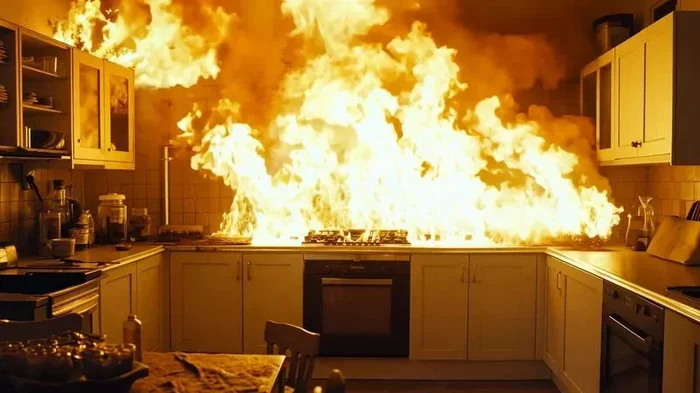
Your oven is one of the most used appliances in any kitchen. You rely on it every day to cook meals, bake desserts, and warm up leftovers. But what happens when something goes wrong and your oven catches on fire? It is a terrifying situation that no one wants to face. Yet oven fires are more common than most people think. Every year, thousands of home fires start in the kitchen, and the oven is often the culprit.
What To Do If Your Oven Catches On Fire is not just a search query. It is a question that could save your life. The right response in the first few seconds makes all the difference. Panic leads to bad decisions. But if you know the correct steps, you can stay calm and handle the situation safely. This guide walks you through everything you need to know. From the immediate actions to take, to prevention tips that keep your kitchen safe for years to come.
Key Takeaways
- Turn off the oven immediately: Cutting the heat source is the first and most critical step to stop the fire from spreading.
- Keep the oven door closed: Closing the door starves the fire of oxygen and helps it die down on its own.
- Never use water on an oven fire: Water can cause a grease fire to explode and spread dangerous flames.
- Use baking soda or a fire extinguisher: These are safe and effective tools for smothering small oven fires.
- Call emergency services if needed: If the fire does not go out in seconds, evacuate and let the fire department handle it.
- Prevent future oven fires with regular cleaning: Grease buildup is the number one cause of oven fires, so keep your oven clean.
- Know what not to do: Using a wet towel, moving the burning oven, or opening the door wide can make things much worse.
📑 Table of Contents
- Understanding Oven Fires
- What To Do If Your Oven Catches On Fire Right Now
- What Not To Do When Your Oven Is on Fire
- After the Fire: What To Do Next
- Preventing Oven Fires Before They Start
- Oven Fire Safety Equipment You Should Have
- When To Call the Fire Department
- Expert Insights on Kitchen Fire Safety
- Key Takeaways
- Conclusion
Understanding Oven Fires
Before diving into the steps, it helps to understand why oven fires happen. Knowledge gives you power. When you know the cause, you can act faster and smarter. Oven fires usually start from a few common sources. Grease splatter inside the oven is the biggest offender. Food left over after cooking can burn and ignite. Electrical malfunctions can also spark a fire inside the oven cavity.
Common Causes of Oven Fires
Understanding the root causes of oven fires helps you prevent them. Here are the most common reasons an oven might catch fire:
- Grease buildup: Over time, grease and food residue build up on the oven walls, floor, and racks. When you cook at high temperatures, this residue can ignite.
- Unattended cooking: Leaving the oven on without monitoring is one of the leading causes of kitchen fires. A moment of distraction can turn into a disaster.
- Overheating food: Forgetting about food in the oven can cause it to carbonize and catch fire.
- Electrical issues: Faulty wiring, damaged heating elements, or malfunctioning thermostats can create sparks inside the oven.
- Self-cleaning cycle risks: The self-cleaning feature heats the oven to extremely high temperatures, which can cause built-up grease to ignite.
Types of Oven Fires
Not all oven fires are the same. The type of fire determines how you should respond. A grease fire in oven happens when cooking oils or fats reach their ignition point. These fires burn intensely and spread fast if you try to put water on them. An electrical oven fire starts from a short circuit or a damaged heating element. These fires may produce sparks and smoke before flames appear. Then there are food fires, which happen when food scraps or overflow catch fire. Each type needs a slightly different approach, but the general safety principles remain the same.
What To Do If Your Oven Catches On Fire Right Now
This is the most important section of the article. If your oven is currently on fire, read this carefully and act fast. The steps below are designed to keep you safe and stop the fire from getting worse.
Step 1: Stay Calm and Do Not Panic
Your first instinct might be to panic. That is completely normal. But panic leads to poor decisions that can make the fire worse. Take a deep breath. Remind yourself that you have a plan. Staying calm helps you think clearly and act decisively. You have seconds to act, so every clear thought counts.
Step 2: Turn Off the Oven
The single most important thing you can do is turn off the oven. This cuts the heat source and stops the fire from getting more fuel. If your oven has a knob, simply turn it to the off position. If you have a digital oven, press the off button. Do not open the door yet. Just turn it off and move to the next step.
Step 3: Keep the Oven Door Closed
This might feel counterintuitive. You might want to open the door to see what is happening. Resist that urge. Keeping the oven door closed limits the oxygen supply to the fire. Fire needs oxygen to burn. Without it, the flames will weaken and eventually go out. Leave the door closed for at least a few minutes. Let the oven cool down on its own.
Step 4: Do Not Use Water
This cannot be stressed enough. Never throw water on an oven fire. Water and grease do not mix. If you have a grease fire, adding water can cause the burning grease to explode and spread flames everywhere. Water can also cause electrical fires to worsen. Even if you are tempted, do not use water. Always reach for something else.
Step 5: Use Baking Soda for Small Fires
If the fire is small and contained inside the oven, baking soda can help. Baking soda releases carbon dioxide when it burns, which smothers the flames. Pour a generous amount of baking soda directly into the oven if it is safe to do so. Do not use flour or baking powder. These can actually make the fire worse. Only use plain baking soda.
Step 6: Use a Fire Extinguisher if Necessary
If the fire does not go out after turning off the oven and keeping the door closed, you may need a fire extinguisher. Use a Class B or Class K extinguisher for grease fires. Aim at the base of the fire, not the flames. Sweep from side to side. If you do not have a fire extinguisher, do not try to fight the fire. Move to the next step.
Step 7: Evacuate and Call Emergency Services
If the fire grows beyond the oven, gets smoke throughout the kitchen, or does not go out within a few minutes, evacuate immediately. Get everyone out of the house. Close the door behind you to contain the fire. Once you are safely outside, call emergency services. Do not go back inside until professionals tell you it is safe.
What Not To Do When Your Oven Is on Fire
Knowing what not to do is just as important as knowing what to do. Many well-meaning actions can make an oven fire much worse. Here are the biggest mistakes people make during an oven fire:
- Do not open the oven door wide: Opening the door wide feeds the fire with oxygen and can cause a sudden flare-up.
- Do not move the oven: Trying to carry a burning oven outside can cause burns or spread the fire to other parts of your home.
- Do not use a wet towel: Wet towels can create steam explosions when they touch a hot fire, spreading burning grease everywhere.
- Do not use water: We have said this before because it is that important. Water and oven fires are a dangerous combination.
- Do not ignore the fire: Hoping the fire will go away on its own is risky. Even small fires can grow quickly.
- Do not use glass or ceramic items to smother the fire: These can shatter from the heat and make the situation more dangerous.
After the Fire: What To Do Next
Once the fire is out, your work is not done. There are important steps to take after an oven fire to ensure your home is safe and to prevent it from happening again.
Let the Oven Cool Completely
Do not touch the oven for at least 30 minutes after the fire is out. The interior can remain extremely hot even after the flames are gone. Let it cool naturally. Do not try to clean it while it is still warm. Residual grease or food particles may still be smoldering inside.
Inspect for Damage
Once the oven is cool, open the door carefully and inspect the interior. Look for charring, melted racks, or damaged heating elements. If the oven looks damaged, do not use it. Contact a professional technician for repairs. Using a damaged oven can lead to another fire.
Clean Thoroughly
After a fire, your oven will likely have a layer of soot and residue. Clean the interior with warm water and a mild detergent. For stubborn residue, use a specialized oven cleaner. Make sure the oven is completely dry before using it again. Lingering moisture can cause rust or electrical issues.
Check Your Smoke Alarm
If your smoke alarm went off during the fire, test it to make sure it still works. Replace the batteries if needed. A working oven smoke alarm is your first line of defense against future fires. Make sure you have smoke alarms installed in the kitchen and in every bedroom.
Document the Damage
If the fire caused significant damage, take photos before cleaning up. This documentation is important for insurance claims. Contact your homeowner’s insurance provider as soon as possible to start the claims process.
Preventing Oven Fires Before They Start
The best way to deal with an oven fire is to prevent one from happening in the first place. Oven fire prevention is simple and requires just a few regular habits. Here are the most effective steps you can take:
Clean Your Oven Regularly
Grease and food buildup is the number one cause of oven fires. Make it a habit to clean your oven regularly. Wipe up spills as soon as the oven cools down. Do a deep clean at least once a month. Use oven-safe cleaning products and follow the manufacturer’s instructions.
Never Leave the Oven Unattended
Always stay in the kitchen when the oven is on. Set a timer on your phone to remind yourself. If you need to leave the room, turn off the oven first. Unattended cooking is the leading cause of kitchen fires across the country.
Use the Right Temperature Settings
Follow recipe instructions for temperature and cooking time. Setting the oven too high can cause food to ignite. Do not leave the oven running at high temperatures for extended periods without checking on it.
Keep the Oven Interior Clear
Do not let food scraps, aluminum foil, or other items build up on the oven floor. These can catch fire when exposed to high heat. Remove any items from the oven before preheating.
Install a Heat-Resistant Oven Mitt
When handling hot items from the oven, always use oven mitts. A fire blanket kept nearby is also a great safety measure. In case of a small fire, a fire blanket can smother the flames quickly and effectively.
Have a Kitchen Fire Safety Plan
Every household should have a kitchen fire safety plan. Make sure everyone in your home knows what to do if a fire starts. Practice your plan regularly. Know where the fire extinguisher is and how to use it. Identify two exits from the kitchen and the rest of the house.
Oven Fire Safety Equipment You Should Have
Having the right equipment in your kitchen can make all the difference during a fire. Here is what every kitchen should have:
- Fire extinguisher: Keep a Class B or Class K fire extinguisher within easy reach of the oven. Make sure everyone in the household knows how to use it.
- Fire blanket: A fire blanket is compact and easy to use. It smothers small fires by cutting off the oxygen supply.
- Baking soda: Keep a box of baking soda in your kitchen. It is an effective and safe way to smother small grease fires.
- Smoke alarm: Install a smoke alarm near the kitchen but not too close to the oven. Test it monthly and replace batteries twice a year.
- Thermal fuse: Some modern ovens have built-in thermal fuses that automatically shut off the oven if it overheats. Check if your oven has this feature.
When To Call the Fire Department
Sometimes an oven fire is too big to handle on your own. Here are the situations where you should call the fire department immediately:
- The fire does not go out within a few seconds of turning off the oven.
- Flames are visible outside the oven or spreading to the countertop.
- Thick smoke is filling the kitchen or spreading to other rooms.
- You smell gas or notice a hissing sound near the oven.
- The fire alarm in your home has activated.
- You feel unsafe or unsure about handling the situation.
It is always better to call emergency services and have them come out to find nothing serious than to wait too long and let a small fire become a big one. Do not hesitate to make the call. Your safety is the top priority.
Expert Insights on Kitchen Fire Safety
Fire safety experts consistently emphasize a few key points when it comes to oven fires. First, they stress that kitchen fire safety starts with prevention. Regular cleaning and attentive cooking habits reduce the risk of fire significantly. Second, experts recommend having a fire extinguisher in every kitchen and knowing how to use it before an emergency happens. Third, they warn against the common misconception that water can put out any fire. Water and grease fires are a deadly combination that everyone should understand.
According to the National Fire Protection Association, cooking equipment is the leading cause of home fires and home fire injuries. The oven is one of the most common sources of these fires. The good news is that most oven fires can be prevented with simple precautions. And if a fire does occur, the right response can stop it from becoming a tragedy.
Key Takeaways
- Turn off the oven immediately: Cutting the heat source is the first and most critical step to stop the fire from spreading.
- Keep the oven door closed: Closing the door starves the fire of oxygen and helps it die down on its own.
- Never use water on an oven fire: Water can cause a grease fire to explode and spread dangerous flames.
- Use baking soda or a fire extinguisher: These are safe and effective tools for smothering small oven fires.
- Call emergency services if needed: If the fire does not go out in seconds, evacuate and let the fire department handle it.
- Prevent future oven fires with regular cleaning: Grease buildup is the number one cause of oven fires, so keep your oven clean.
- Know what not to do: Using a wet towel, moving the burning oven, or opening the door wide can make things much worse.
Conclusion
What To Do If Your Oven Catches On Fire is knowledge that everyone should have. The steps are simple but they can make all the difference in a dangerous moment. Turn off the oven, keep the door closed, and never use water. Use baking soda or a fire extinguisher for small fires. Evacuate and call emergency services if the fire grows. These actions can protect your home and your family.
Prevention is the best defense against oven fires. Clean your oven regularly, never leave it unattended, and keep safety equipment within reach. A little preparation goes a long way toward keeping your kitchen safe. Share this guide with your family and friends so they are prepared too. Knowledge is the best tool you have when it comes to fire safety.
Stay safe, stay prepared, and remember that your quick and calm response is the most powerful tool you have in an oven fire emergency.
Frequently Asked Questions
Can you put water on an oven fire?
No, you should never put water on an oven fire. Water can cause grease fires to explode and spread rapidly. It can also worsen electrical fires inside the oven. Always use baking soda, a fire extinguisher, or keep the door closed to smother the flames instead.
How long should you keep the oven door closed during a fire?
Keep the oven door closed for at least 10 to 15 minutes after turning off the heat. This cuts off the oxygen supply and allows the fire to die down naturally. Do not open the door until the oven has cooled significantly and you are sure the fire is completely out.
What type of fire extinguisher is best for oven fires?
A Class B fire extinguisher is best for grease fires, and a Class K extinguisher is ideal for kitchen cooking fires. Keep at least one extinguisher in your kitchen and make sure everyone in your household knows how to use it properly.
Is it safe to use the oven after a small fire?
Only if the oven is not damaged. After a small fire, let the oven cool completely and inspect the interior for charring or damage. If everything looks intact, clean it thoroughly and test it with a short heating cycle before normal use. If you notice any damage, have a professional repair it first.
What should you do if smoke fills the room before flames appear?
If you see smoke but no flames yet, turn off the oven immediately and keep the door closed. Ventilate the room by opening windows if it is safe to do so. If the smoke continues or gets thicker, evacuate the house and call emergency services right away.
How can you prevent grease buildup inside the oven?
Clean your oven regularly with mild detergent or a specialized oven cleaner. Wipe up spills immediately after the oven cools down. Avoid using aluminum foil on the oven floor, as it can trap heat and grease. Run a self-cleaning cycle occasionally, but stay nearby and follow the manufacturer’s safety guidelines.