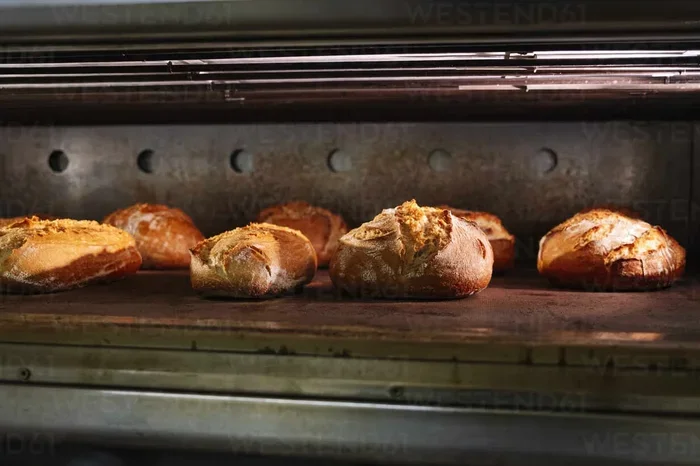
How To Freshen Bread In Oven And Restore Its Original Freshness
Reviving stale bread is simple when you use the right oven method. A quick spritz of water and a low oven temperature can restore the bread texture you love. Learn the best bread reheating tips to keep every loaf tasting fresh.
You have probably had this moment. You walk to the kitchen counter and spot that bread loaf from yesterday. It looks a little dry. It feels a bit hard. You wonder if it is still good to eat. The answer is yes. You do not have to throw away stale bread. In fact, learning how to freshen bread in oven can save your loaf and your wallet.
Bread goes stale because of a natural process called starch retrogradation. It sounds fancy, but it just means the starch molecules in the bread reorganize and lose moisture over time. This makes the bread texture firm and crumbly. The good news is that heat and a little moisture can reverse this process. Your oven is the perfect tool for this simple bread revival. Let us walk through exactly how it works.
Key Takeaways
- Revive stale bread easily: A damp paper towel and low heat bring back the soft interior and golden crust.
- Right temperature matters: Keep your oven between 300°F and 350°F for the best bread warming results.
- Different breads need different care: Crusty loaves and soft loaves require slightly different approaches.
- Avoid common mistakes: Skip the microwave for best results and never overheat your bread.
- Storage extends freshness: Proper bread storage after reviving keeps your loaf fresh for days.
- Quick and easy: The entire oven method takes less than 10 minutes of active time.
📑 Table of Contents
Why Bread Goes Stale Overnight
Understanding why bread turns stale helps you prevent it. When bread cools after oven-baked baking, the starch begins to crystallize. This happens faster at room temperature. Within just a few hours, your soft homemade bread can feel firm and dry. By the next morning, the bread crumb has lost much of its moisture.
The Science Behind Staling
Staling is not the same as mold. Mold is a sign that bread has gone bad. Staling is a texture change. The bread is still safe to eat. It just does not feel or taste the way you want it to. Factors that speed up staling include:
- Exposure to air — bread left uncovered loses moisture fast.
- Cool temperatures — your bread box or counter lets starch crystals form.
- Low humidity — dry environments pull moisture out of the bread loaf.
- Refrigeration — surprisingly, the fridge speeds up staling more than room temperature.
Knowing this means you can take steps to slow it down. But if your bread is already stale, do not worry. The next section covers exactly what to do.
How To Freshen Bread In Oven Step By Step
The oven method is the gold standard for bread reheating tips. It works because gentle heat loosens the starch crystals and restores moisture. Here is the full process broken down into simple steps.
Step 1: Preheat Your Oven
Set your oven to 300°F to 350°F. This low temperature is key. You are not trying to bake the bread again. You are gently warming it to relax the starch molecules. A hot oven will dry out the loaf and make it worse. Keep it moderate and steady.
Step 2: Prepare the Bread
Take your stale bread and lightly dampen the outside. Use a spray bottle with water or a quick pass under the faucet. You want the surface moist, not soaking wet. For a crusty bread like a baguette, skip this step. The crust already has the right texture and does not need extra moisture.
Step 3: Wrap or Place on a Sheet
For soft bread, wrap the loaf loosely in aluminum foil. This traps steam and keeps the interior moist. For crusty bread, place it directly on the oven rack or on a baking sheet. The open air helps maintain that crispy golden crust.
Step 4: Heat for 5 to 10 Minutes
Place the bread in the oven. Set a timer for 5 minutes. Check the bread texture by pressing the top gently. If it still feels firm, add 2 to 3 more minutes. Most loaves need only 5 to 10 minutes total. Do not walk away and forget about it. Overheating is the most common mistake.
Step 5: Let It Cool Briefly
Remove the bread from the oven. Let it rest for 2 to 3 minutes before slicing. This allows the heat to distribute evenly through the bread crumb. The result should be warm, soft bread with a gentle aroma that fills your kitchen.
Quick Tip: Add a small oven-safe dish of water on the rack below the bread. This creates steam inside the oven and helps soften the crust even more. It is a simple trick that makes a big difference for bread warming.
Best Oven Settings For Different Bread Types
Not all bread is the same. A dense sourdough loaf needs different treatment than a light sandwich bread. Using the wrong oven temperature can ruin a good loaf. Here is how to handle the most common types.
Soft Sandwich Bread
Soft sandwich bread dries out quickly because it has a thin crust and a tender bread crumb. Wrap it in foil and heat at 300°F for 5 to 7 minutes. The foil traps moisture and keeps the soft texture intact. This is one of the best bread reheating tips for this type.
Crusty Artisan Bread
Artisan loaves like baguettes and ciabatta deserve special care. Do not wrap these in foil. Place them directly on the oven rack at 350°F for 5 minutes. The open heat crisps up the golden crust while warming the inside. You want that crackling sound when you break a piece off.
Baked Goods Like Rolls and Buns
Dinner rolls and hamburger buns are small and dry out fast. Wrap them in a damp paper towel and place them in the oven at 300°F for 3 to 5 minutes. The damp towel adds just enough steam to soften them without making them soggy.
Gluten Free Bread
Gluten free bread is especially prone to staling because it lacks the structure that wheat bread has. Heat it at a lower temperature of 275°F for 4 to 5 minutes. Wrap it in foil and check it often. Gentle heat prevents the loaf from becoming too hard.
| Bread Type | Temperature | Time | Foil? | Moisture? |
|---|---|---|---|---|
| Soft Sandwich Bread | 300°F | 5-7 min | Yes | Light spray |
| Crusty Baguette | 350°F | 5 min | No | None |
| Dinner Rolls | 300°F | 3-5 min | With damp towel | Damp paper towel |
| Gluten Free Bread | 275°F | 4-5 min | Yes | Light spray |
Quick Tips To Keep Bread Fresh Longer
Reviving bread is great, but preventing it from going stale in the first place is even better. These simple bread storage habits will extend the bread shelf life of every loaf you bake or buy.
Store Bread the Right Way
Never store bread in the refrigerator. The cold temperature accelerates starch crystallization and makes bread stale faster. Instead, keep your loaf in a bread box or a paper bag at room temperature. This allows just enough airflow to prevent moisture buildup without drying out the bread crumb.
Freeze for Long Term Storage
If you will not finish a loaf within 2 to 3 days, freeze it. Slice the bread first so you can thaw individual pieces. Wrap the loaf tightly in plastic wrap and place it in a freezer bag. Frozen bread can last for up to 3 months. When you are ready to eat, use your oven method to freshen bread in oven straight from the freezer.
Buy or Bake in Smaller Batches
One of the best bread reheating tips is to avoid having too much stale bread in the first place. If you bake homemade bread, make smaller loaves more often. If you buy from a bakery, choose smaller portions and eat them within a day or two.
Use the Oven Instead of the Microwave
The microwave might seem faster, but it is not the best tool for bread warming. Microwaves heat unevenly and make the crust rubbery. The oven restores the original bread texture gently and evenly. It takes a few extra minutes but the results are worth it every time.
Common Mistakes People Make When Reviving Bread
Even with the best intentions, it is easy to make mistakes when trying to bring stale bread back to life. Here are the most common errors and how to avoid them.
Using Too High a Temperature
This is the number one mistake. Cranking the oven up to 400°F or higher will dry out the bread even more. The goal is gentle, low heat. Stick to the 300°F to 350°F range and your bread will come out soft and warm.
Forgetting the Water
Skipping the moisture step for soft bread leads to a dry result. A light spritz of water or a damp paper towel creates steam inside the foil wrap. This steam softens the bread crumb from the inside out. Without it, you are just reheating dry bread.
Leaving Bread in Too Long
Set a timer and watch your bread closely. Leaving it in for 15 or 20 minutes will turn a soft loaf into a hard, overcooked disc. Five to ten minutes is all you need for most bread types. Check it early and often.
Ignoring the Bread Type
Treating a crusty baguette the same way you treat a soft sandwich loaf will give you poor results. Crusty bread needs open air and higher heat. Soft bread needs foil and lower heat. Paying attention to the bread type makes a huge difference in the final result.
Expert Secrets For Perfectly Fresh Bread Every Time
Professional bakers use a few tricks that take bread revival to the next level. You can use these same techniques at home for restaurant-quality results.
The Steam Method
Professional bakeries rely on steam during baking to create that perfect golden crust. You can mimic this at home by placing a baking dish of water on the bottom rack of your oven while the bread warms. The steam keeps the crust flexible and prevents it from becoming too hard during the bread warming process.
The Butter Finish
For an extra touch, brush the warm bread with a thin layer of butter or olive oil right after it comes out of the oven. This adds flavor and creates a beautiful shine on the crust. It also adds a tiny bit of moisture that keeps the bread soft for hours. This works especially well with crusty bread and artisan loaves.
Revive Multiple Times
Did you know you can freshen bread in oven more than once? If your bread has gone stale again after a day, simply repeat the process. Each revival works because the heat reactivates the starch molecules. You can get two or three extra days of enjoyable bread from a single loaf with this simple method.
Pair With the Right Spreads
Freshly warmed bread pairs beautifully with olive oil, butter, jam, or even a simple garlic spread. The warmth brings out the flavors of any topping. This is why warm bread always tastes better than room temperature bread. The heat opens up the aroma and makes every bite more enjoyable.
Conclusion
Learning how to freshen bread in oven is one of the most useful skills you can add to your cooking routine. It is fast, easy, and it saves food from going to waste. Whether your stale bread came from a bakery, a homemade bread recipe, or the grocery store, the oven method brings it back to life. Remember to keep the temperature low, add a little moisture for soft breads, and never walk away from the oven while the bread warms.
The steps in this guide work for every type of bread you will encounter. From a dense sourdough to a light white sandwich loaf, gentle heat and a little care go a long way. Your kitchen will smell amazing, and your bread texture will be close to fresh-baked. Start using these bread reheating tips today and enjoy warm bread every single time you reach for that loaf from yesterday.
Bread freshness does not have to be complicated. With the right oven temperature and a few minutes of your time, you can restore any loaf to its original glory. Your fresh-baked bread experience is just one oven cycle away.
Frequently Asked Questions
Can I freshen any type of bread in the oven?
Yes, almost any bread can be revived in the oven. Soft sandwich loaves, crusty baguettes, dinner rolls, and even gluten free bread all respond well to gentle oven heat. The key is adjusting the temperature and moisture level based on the bread type. Follow the guidelines in this article for the best results every time.
How long should I heat bread in the oven?
Most bread needs only 5 to 10 minutes at 300°F to 350°F. Soft breads wrapped in foil take about 5 to 7 minutes. Crusty breads on the rack take about 5 minutes. Always check early and add time in small increments if needed. Overheating will dry out your bread.
Is it better to use the oven or the microwave for bread?
The oven is far better for restoring bread texture and bread freshness. Microwaves heat unevenly and make the crust rubbery. The oven uses gentle, even heat that relaxes the starch molecules and brings back the soft, warm feel of fresh-baked bread. It takes a few extra minutes but the results are much better.
Can I freshen bread that has already started to mold?
No. If bread has visible mold, it should be thrown away. Mold can spread deep into the bread even if you cannot see it. Staling and mold are completely different. Staling is a texture change that the oven can fix. Mold is a sign of spoilage and the bread is no longer safe to eat.
Do I need to add water when freshening bread in the oven?
For soft bread, yes. A light spray of water or a damp paper towel helps create steam inside the foil wrap. This steam softens the bread crumb from the inside. For crusty breads like baguettes, do not add moisture. The dry oven air helps maintain the crispy crust while warming the interior.
Can I freeze bread and then freshen it in the oven later?
Absolutely. Freezing is one of the best ways to extend bread shelf life. When you are ready to eat, take the bread out of the freezer and use the oven method directly. You may need to add 1 to 2 extra minutes since the bread starts cold. The result will taste almost as good as fresh-baked bread.