What Kind Of Ovens Are There And Which Is Best For You
There are many different kinds of ovens out there, and finding the right one can feel overwhelming. This guide breaks down every type of oven so you can make a smart choice for your kitchen. You will learn about gas, electric, countertop, wall, and specialty ovens, along with what to look for when buying. By the end, you will know exactly which oven fits your cooking style and budget.
When you walk into any kitchen appliance store, the sheer number of ovens on display can stop you in your tracks. What kind of ovens are there, really? The answer is more varied than most people expect. From traditional gas models to sleek wall ovens and compact countertop units, the world of ovens is surprisingly diverse.
Choosing the right oven is one of the most important decisions you will make for your kitchen. Your oven affects how your food tastes, how much energy you use, and even how much counter space you have left. Whether you are a casual cook who heats up frozen pizza or a baking enthusiast who makes sourdough every weekend, the right oven makes all the difference.
This guide walks you through every major oven type in plain language. We will compare options, highlight pros and cons, and give you practical tips so you can pick with confidence. No jargon, no fluff, just clear information that helps you find the best fit for your home and cooking style.
Key Takeaways
- Gas ovens offer precise temperature control and are a favorite for serious home cooks who love baking and roasting.
- Electric ovens provide even heat distribution and are easier to install in most kitchens.
- Countertop ovens like toaster ovens and microwave ovens are perfect for small spaces and quick meals.
- Wall ovens and double ovens give you more capacity and a sleek, built-in look for modern kitchens.
- Specialty ovens such as steam ovens and pizza ovens unlock unique cooking features that regular ovens cannot match.
- Your cooking habits and kitchen size should always guide your oven choice, not just trends or price.
- Energy efficiency matters, and choosing the right oven type can lower your utility bills over time.
📑 Table of Contents
What Kind of Ovens Are There – A Complete Overview
Before diving into specific types, it helps to understand the big picture. Ovens fall into several main categories based on how they heat food, where they sit in your kitchen, and what they are designed to do. Each category has its own strengths, and the best choice depends on your needs.
Conventional Ovens
A conventional oven is the most basic type. It uses heating elements at the top and bottom to create heat. The hot air stays relatively still inside the cavity. This works great for most everyday cooking tasks like roasting meat, baking casseroles, and making cookies.
The downside is that heat does not circulate as evenly as it does in other oven types. You may notice hot spots, which means you might need to rotate your baking trays halfway through cooking. For many home cooks, though, a conventional oven gets the job done just fine.
Convection Ovens
A convection oven adds a fan and exhaust system to the traditional oven design. The fan blows hot air around the cooking cavity, which means heat reaches your food from all directions at once. This leads to faster, more even cooking.
Many bakers love convection ovens because they reduce hot spots significantly. Roasting vegetables, meats, and pastries all come out more evenly browned. Most convection ovens also let you turn off the fan if you prefer traditional heating for delicate dishes like soufflés or cakes that might shift from the fan’s airflow.
Steam Ovens
A steam oven uses pure steam to cook food. This is a newer technology that has gained a lot of popularity among health-conscious cooks. Steam cooking preserves nutrients better than dry heat methods, and it keeps food moist without needing extra fats or oils.
Steam ovens are excellent for reheating leftovers without drying them out. They also work wonderfully for vegetables, fish, and dumplings. Some models combine steam with convection heat, giving you the best of both worlds. These are often pricier than standard ovens, but the cooking results can be remarkable.
Electric vs Gas Ovens
The debate between gas and electric ovens is one of the oldest in the kitchen appliance world. Both have loyal followers, and both have clear advantages. Let us break down what each type brings to the table.
| Feature | Gas Oven | Electric Oven |
|---|---|---|
| Heat Source | Gas burner underneath | Electric heating elements |
| Temperature Control | Fast and responsive | Slower to adjust |
| Heat Distribution | Can have hot spots | More even overall |
| Installation | Requires gas line | Standard electrical outlet |
| Operating Cost | Lower in most areas | Higher in most areas |
| Best For | Baking and roasting | General cooking and broiling |
Electric Ovens
An electric oven is the most common type found in homes across the country. It uses electric coils at the top and bottom to generate heat. Electric ovens are known for providing steady, even heat throughout the cooking cavity.
One big advantage of electric ovens is that they are simple to install. As long as you have a dedicated electrical outlet, you can get one up and running. There is no need for a gas line, which makes them ideal for apartments and homes that do not have gas hookups.
Electric ovens also tend to be easier to clean. Many models come with a self-cleaning oven feature that uses high heat to burn off food residue. The smooth interior surfaces of most electric ovens make wiping down a breeze compared to gas models with burner grates and caps.
Gas Ovens
A gas oven uses a gas burner to produce heat. Many professional chefs and serious home cooks prefer gas because the temperature responds almost instantly when you turn the dial up or down. This precise temperature control is a huge advantage when you are baking delicate items like pastries or meringues.
Gas ovens also tend to have a slightly moist cooking environment, which some bakers believe produces better bread crusts and more tender roasts. The broiler in a gas oven typically heats up faster than an electric one, making it great for browning dishes like gratins and casseroles right before serving.
The main drawbacks are the need for a gas line and slightly higher installation costs. If your home does not already have gas service, getting a line installed can add significant expense. You should also keep in mind that gas ovens may require a self-cleaning oven cycle less frequently because the moisture helps prevent stubborn baked-on residue.
Expert Insight: “Many experienced bakers swear by gas ovens for bread baking because the moisture in the oven environment creates a better crust. If you bake often, a gas oven is worth the investment,” says culinary expert Chef Maria Torres.
Countertop and Compact Ovens
Not everyone needs a full-size oven. If you live in a small apartment, a dorm room, or an RV, or if you simply want a second oven for quick tasks, countertop and compact options are fantastic solutions. These kitchen appliance alternatives are compact, affordable, and surprisingly capable.
Toaster Ovens
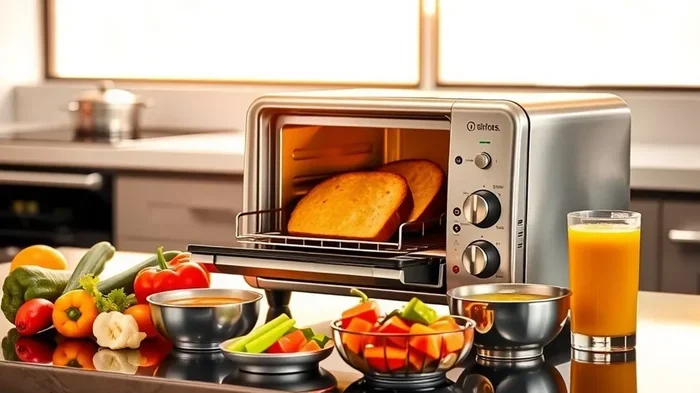
A toaster oven is one of the most versatile small kitchen appliances you can own. It sits on your counter and uses heating elements on the top and bottom to cook food. Modern toaster ovens can do far more than just toast bread.
Most toaster ovens can bake small pizzas, roast vegetables, reheat leftovers, and even broil cheese on top of casseroles. They preheat much faster than a full-size oven, often in just three to five minutes. This makes them incredibly energy efficient for small cooking tasks.
If you are cooking for one or two people, a toaster oven can replace your full-size oven for many meals. This saves energy and keeps your kitchen cooler during hot summer months. Look for models with a broiler function and multiple rack positions for the most flexibility.
Microwave Ovens
The microwave oven is a staple in nearly every kitchen. It uses microwave radiation to heat food quickly by exciting water molecules inside the ingredients. While it cannot brown or crisp food the way a traditional oven does, it excels at reheating, defrosting, and quick cooking.
Modern microwaves come with features like convection cooking, which adds a fan and heating element for crispier results. Some models even have inverter technology for more precise power levels, which helps with delicate tasks like melting chocolate or cooking eggs evenly.
For speed and convenience, nothing beats a microwave. It is the go-to appliance for reheating coffee, warming up yesterday’s dinner, and cooking quick meals like oatmeal or scrambled eggs in minutes.
Compact Countertop Ovens
Beyond toaster ovens and microwaves, there is a whole category of compact countertop ovens that bridge the gap. These include air fryer ovens, rotisserie ovens, and multi-function countertop units. They combine several cooking methods into one machine.
An air fryer oven, for example, uses rapid hot air circulation to cook food crispy with little or no oil. A rotisserie oven comes with a spit that slowly rotates meat, ensuring even cooking and crispy skin. These countertop units are perfect for people who want variety without taking up a lot of space.
Quick Tips:
- Measure your counter space before buying a countertop oven. They come in various sizes.
- Look for models with multiple cooking functions to get the most value.
- Choose a compact oven with a clear interior light so you can monitor cooking without opening the door.
Wall Ovens and Double Ovens
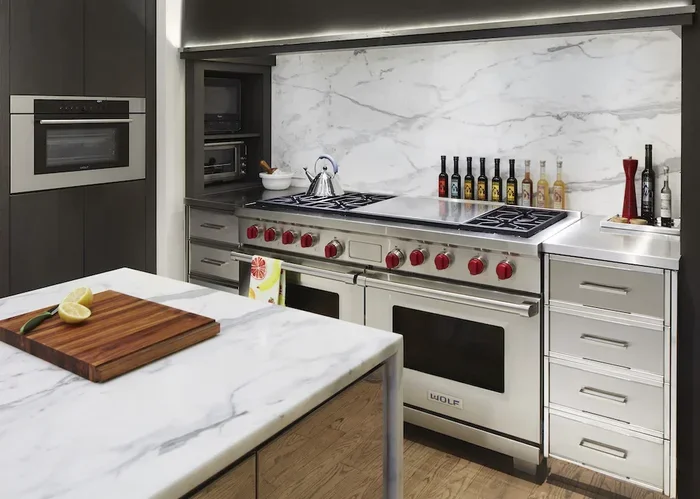
If you are building a new kitchen or remodeling an existing one, wall ovens offer a sleek, built-in look that countertop ovens simply cannot match. They also free up valuable counter space, which is a major benefit in smaller kitchens.
Single Wall Ovens
A wall oven is installed at eye level or higher, typically between cabinets. This placement is ergonomically smart because you do not have to bend down to load or unload food. It is much easier on your back and knees, especially when handling heavy roasting pans or deep baking dishes.
Single wall ovens come in both electric and gas versions. They offer the same cooking performance as their freestanding counterparts but with a cleaner, more integrated look. Most single wall ovens have a capacity of around 3 to 5 cubic feet, which is comparable to a standard freestanding oven.
Many wall ovens also include self-cleaning oven features and advanced temperature control settings. Some high-end models connect to Wi-Fi and can be controlled remotely through smartphone apps. This is a great feature if you want to preheat your oven or adjust the temperature while you are in another room.
Double Wall Ovens
A double oven is essentially two full ovens stacked vertically in a single cabinet unit. This is a dream for large families or anyone who loves to cook multiple dishes at different temperatures simultaneously.
With a double oven, you can bake a cake on the lower level while roasting chicken on the upper level. Each oven typically operates independently, so you can set different temperatures and cooking modes for each cavity. This saves time and eliminates the need to cook dishes in batches.
The downside is that double ovens take up more space and cost more than single wall ovens. They also require a larger kitchen cabinet cutout for installation. But if you cook frequently and entertain often, the convenience and oven capacity are well worth the investment.
Common Mistakes:
- Choosing a wall oven without measuring the cabinet cutout dimensions first. Always check the manufacturer’s specifications before purchasing.
- Forgetting to account for ventilation space around the oven. Wall ovens need proper airflow to operate safely and efficiently.
- Overlooking the weight of a double oven. Make sure your kitchen cabinets can support the load.
Specialty Ovens for Unique Cooking Needs
Beyond the standard oven types, there are specialty ovens designed for specific cooking styles and cuisines. These cooking appliance options bring restaurant-quality results into your home kitchen.
Pizza Ovens
A pizza oven is designed to reach very high temperatures, often 800 degrees Fahrenheit or more. This extreme heat cooks pizza in just a few minutes, producing a crispy crust and perfectly melted cheese that a standard home oven simply cannot replicate.
Wood-fired pizza ovens are the most traditional option, but there are also gas-fired and electric models designed for home use. Outdoor pizza ovens are popular for backyard entertaining, while countertop pizza ovens bring the pizza shop experience indoors.
If you love homemade pizza and want restaurant-quality results, a dedicated pizza oven is a game changer. Even a basic countertop model will make a noticeable difference in crust quality.
Rotisserie Ovens
A rotisserie oven slowly rotates meat on a spit over a heat source. This cooking method ensures even browning and juicier results because the fat continuously bastes the meat as it turns.
Some rotisserie ovens are standalone countertop units, while others come as attachments or features within larger oven systems. They are perfect for cooking whole chickens, roasts, and even vegetables. The hands-off cooking process makes them ideal for weekend gatherings and holiday meals.
Steam Convection Ovens
A steam convection oven combines steam cooking with hot air circulation. This hybrid approach gives you incredible versatility. You can steam vegetables for maximum nutrient retention, then switch to convection mode to roast the same dish for a crispy finish.
These ovens are becoming increasingly popular in home kitchens as more people discover the benefits of steam cooking. They are particularly good for baking artisan bread, because the steam in the early stages of baking creates a beautiful, crispy crust.
Expert Insights: “Steam ovens are changing the way people cook at home. The ability to switch between steam and convection modes in seconds gives home cooks restaurant-level flexibility,” says food scientist Dr. James Chen.
How to Choose the Right Oven for Your Kitchen
Now that you know about all the different types of ovens, the next step is choosing the one that fits your life. The right oven depends on several factors, and the decision should be based on your actual cooking habits, not just what looks nice in a store.
Consider Your Cooking Habits
Think about how often you use your oven and for what. Do you bake bread and pastries several times a week? A gas or convection oven with excellent temperature control will serve you well. Do you mostly reheat leftovers and cook quick meals? A toaster oven or microwave might be all you need.
If you entertain guests frequently and cook large meals, a double wall oven or a large freestanding range with a powerful oven could be a smart investment. On the other hand, if you live alone or with one other person, a compact countertop oven can handle most of your cooking needs without wasting energy.
Size and Capacity Matter
Oven capacity is measured in cubic feet, and it matters more than most people realize. A larger oven gives you more room to cook multiple dishes at once, but it also uses more energy to preheat and maintain temperature.
Measure the space where your oven will go before shopping. For freestanding ranges, measure the width, height, and depth of the opening. For wall ovens, measure the cabinet cutout carefully. Always leave a few inches of clearance for ventilation and safe operation.
Energy Efficiency
Energy efficiency is an important factor that many people overlook. Ovens that heat up faster and maintain temperature well use less electricity or gas over time. Convection ovens, for example, cook food faster than conventional ovens because the fan circulates hot air, which can lead to meaningful energy savings.
Toaster ovens and compact countertop ovens are also far more energy efficient than full-size ovens for small cooking tasks. If you are only reheating a plate of food or cooking a small meal, using a toaster oven instead of your large oven can cut your energy use significantly.
Quick Tips for Choosing:
- Look for ovens with multiple rack positions to maximize the oven capacity you pay for.
- Choose a self-cleaning oven if you want to spend less time on kitchen cleanup.
- Consider a convection oven for faster, more even cooking results.
- Check the warranty and customer service reputation before purchasing.
- Read user reviews to learn about real-world performance, not just advertised features.
Common Mistakes to Avoid:
- Buying an oven based solely on price without considering your actual cooking needs.
- Ignoring the cost of installation, especially for gas ovens that require a professional hookup.
- Choosing an oven that is too large or too small for your household size.
- Overlooking the importance of the broiler function, which is essential for many recipes.
Final Thoughts
Understanding what kind of ovens are there is the first step toward making a confident, informed choice. Whether you go with a classic gas oven, an energy-efficient electric model, a compact toaster oven, or a high-tech steam oven, the key is matching the oven to your lifestyle and cooking habits.
There is no single best oven for everyone. The best oven is the one that fits your kitchen, suits your cooking style, and falls within your budget. Take your time, do your research, and do not be afraid to ask questions at the store. A good oven is a long-term investment that will serve your household for many years.
Use the information in this guide to narrow down your options. Consider what you cook most often, how much space you have, and what features matter most to you. With the right oven in your kitchen, every meal you prepare will be a little easier and a lot more enjoyable.
Frequently Asked Questions
What kind of ovens are there for small kitchens?
For small kitchens, compact countertop ovens, toaster ovens, and microwave ovens are the best options. These kitchen appliance choices take up minimal space and are perfect for quick meals and reheating. A compact oven can handle most cooking tasks for one or two people without taking over your kitchen.
Is a convection oven better than a conventional oven?
A convection oven is generally better for even cooking and faster results. The fan circulates hot air, which reduces hot spots and shortens cooking times. However, some delicate baked goods like soufflés may do better in a conventional oven without the fan. It depends on what you cook most often.
What is the most energy-efficient type of oven?
Countertop ovens like toaster ovens and compact convection ovens are the most energy efficient because they heat up quickly and use less power than full-size ovens. For small cooking tasks, using a countertop oven instead of a large oven can significantly reduce your energy consumption.
Should I choose a gas or electric wall oven?
Choose a gas wall oven if you want precise temperature control and faster broiling. Choose an electric wall oven if you prefer even heat distribution and easier installation. Your choice may also depend on what fuel sources are already available in your home.
What is a self-cleaning oven and is it worth it?
A self-cleaning oven uses high heat to burn off food residue, leaving behind ash that you can easily wipe away. It is worth it if you want to spend less time scrubbing your oven. However, the self-cleaning cycle uses a lot of energy and can produce odors, so it is best used occasionally rather than as a regular cleaning method.
Can I use a pizza oven at home indoors?
Some countertop pizza ovens are designed for indoor use and are safe for home kitchens. However, traditional wood-fired pizza ovens are meant for outdoor use. Always check the manufacturer’s instructions before using any oven indoors to ensure proper ventilation and safety.