How Long To Cook Osso Bucco In Oven For Perfect Results
How Long To Cook Osso Bucco In Oven is a common question for home cooks. This guide gives you the exact time and temperature needed. You will learn to make tender, fork-tender veal shanks with a rich, savory sauce every time.
Making osso bucco at home is a great idea. It is a warm and hearty meal. Many people love this Italian dish. But cooking it right takes some know-how. The big question is always about time. How long to cook osso bucco in oven? This guide will answer that. You will learn the exact time and temperature needed. We will also talk about prep and serving. By the end, you will feel confident. You can make this dish for your family. It will taste like it came from a fancy restaurant.
Osso bucco is not just dinner. It is an experience. The smell fills your whole house. The flavors are deep and rich. This dish comes from Italy. It is very popular in Milan. The name means bone with a hole. And that hole is the star of the show. It holds the marrow bone inside. When you cook it right, the marrow melts. It makes the sauce creamy and smooth. You do not need to add any cream. The bone does the work for you. This is why people love this dish so much. It is a true kitchen staple. You can make it on a weeknight. It is perfect for a Sunday dinner. The best part is that it gets better with time. Leftovers taste amazing the next day. Many home cooks want to know the exact time. They want perfect results every single time. This article gives you all the details. You will learn about time, temperature, and technique. We will cover everything you need to know. Let us get started on your cooking journey.
Key Takeaways
- Low and slow cooking: This method makes the meat tender.
- Exact times matter: Cooking too short or too long changes the result.
- Check the internal temp: Use a meat thermometer for safety.
- Use a Dutch oven: It holds heat perfectly for braising.
- Let it rest: Resting the meat makes it juicier.
- Make gremolata: This topping adds fresh flavor to the dish.
📑 Table of Contents
Understanding Osso Bucco
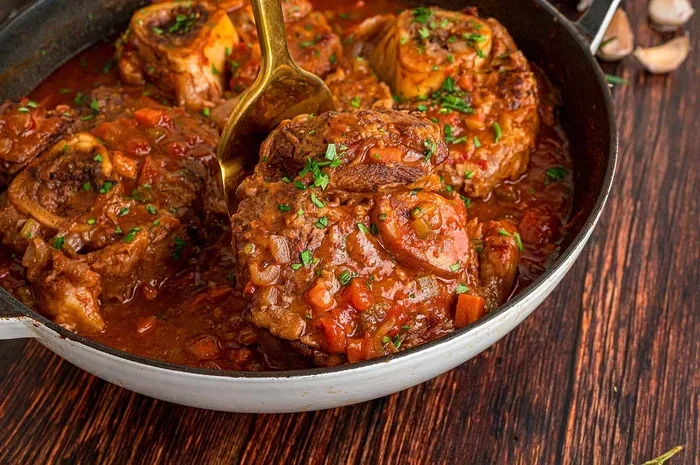
Osso bucco is a classic Italian dish. It uses veal shanks. The shanks have a hole in the center. This hole holds the marrow bone. Marrow is the soft part inside the bone. When cooked right, it becomes rich and buttery. The meat falls right off the bone. This is what makes osso bucco so special. It is a braised dish. Braising means cooking meat slowly in liquid. You use a small amount of liquid. The liquid becomes a deep, savory sauce. This sauce soaks into the meat. It makes every bite full of flavor. You can also use beef shanks. They work just as well. This dish is very popular in winter. It warms you up from the inside out.
What Makes Osso Bucco Special
The magic of osso bucco is in the bone. The marrow adds a unique taste. It makes the sauce creamy without any cream. The meat becomes very soft. You can cut it with a fork. This is called fall-off-the-bone tender. The sauce is also very important. It has a rich taste. You use beef stock and wine. The long cooking time pulls out flavors. Collagen in the meat turns into gelatin. This gives the sauce a silky texture. It is truly a comfort food. Many families have their own recipes. They pass them down from generation to generation. Each family adds their own twist. Some add carrots and celery. Others add tomatoes. No matter the recipe, the result is always delicious.
The Difference Between Veal And Beef
You can make osso bucco with veal or beef. Veal is the traditional choice. It is more tender and mild. Beef shanks are a great alternative. They are often easier to find. Beef shanks are also much cheaper. The cooking time is slightly different. Beef shanks need more time to cook. They are thicker and tougher. Veal shanks cook faster. They become tender in about two hours. Beef shanks might need three hours. Both make a delicious savory dish. Choose the one that fits your budget. Both will give you a rich sauce. Both will melt in your mouth. The choice is up to you.
Preparing Your Osso Bucco Before Baking
Preparation is key before you start cooking. You need to get your ingredients ready. This step makes the cooking process smoother. First, you need to dry the meat. Use paper towels to pat the shanks dry. Dry meat browns better than wet meat. Next, you need to season the shanks. Use salt and pepper on all sides. This brings out the natural flavors. Now, you need to sear the meat. Searing locks in the juices. It also adds a nice brown color. Heat some oil in a Dutch oven. A Dutch oven is a heavy pot. It is perfect for oven cooking. Place the shanks in the hot pot. Brown them on all sides. This should take about three to four minutes per side. Once browned, remove the meat. Set it aside on a plate. Do not skip this step. Searing builds a deep flavor base.
Making The Braising Liquid
After searing the meat, you will have bits stuck to the pot. These bits are called fond. They are packed with flavor. Do not wash the pot. Instead, add chopped onions and carrots. Cook them until they soften. This takes about five minutes. Then add minced garlic. Stir it for one more minute. Now it is time to add the liquids. Pour in a cup of white wine. Scrape the bottom of the pot. This lifts all the fond off. Let the wine simmer for two minutes. Next, add beef stock. You need enough liquid to cover half the meat. Add a bay leaf and some thyme. These herbs give the dish a nice smell. Stir everything together. Your braising liquid is now ready. This liquid will cook the meat slowly. It will turn tough meat into tender perfection.
Quick Tips For Prep
- Always pat the meat dry with paper towels.
- Do not skip the searing step.
- Use a heavy Dutch oven for best results.
- Add fresh herbs like thyme and bay leaves.
- Make sure your beef stock is good quality.
How Long To Cook Osso Bucco In Oven
Now we answer the main question. How long to cook osso bucco in oven? The answer depends on the size of the shanks. Usually, you cook osso bucco for about two to two and a half hours. The exact time can vary. It depends on your oven and the cut of meat. You want the meat to be very tender. It should pull away from the bone easily. If you use smaller shanks, two hours might be enough. If you use larger shanks, you might need two and a half hours. Always check the meat before serving. Use a fork to test it. The meat should be fall-apart tender. If it is still tough, cook it longer. Low and slow cooking is the secret. Do not rush this process. Rushing will make the meat chewy. Patience is your best friend here.
When you ask how long to cook osso bucco in oven, remember the size of the meat matters most. A standard veal shank is about two inches thick. This size needs roughly two hours of cooking time. If you buy shanks that are three inches thick, add thirty to forty-five minutes. The cooking time for osso bucco is not an exact science. It depends on your specific oven. Some ovens run hotter than others. Some ovens run cooler. This is why checking the meat is so important. You can always cook it longer. You cannot un-cook meat that is too done. So always start checking at the two-hour mark. Use your senses. Look at the meat. Smell the kitchen. Poke it with a fork. These simple checks tell you everything you need to know.
Cooking Time For Different Shanks
The size of the shank matters a lot. Standard veal shanks are about two inches thick. These take about two hours to cook. Thicker shanks might need up to three hours. If you buy larger cuts, plan for more time. Beef shanks are also popular. They are usually thicker than veal shanks. Beef shanks might need three hours or more. Always use a meat thermometer. The internal temp should reach one hundred and ninety degrees Fahrenheit. This ensures the collagen has broken down. Broken collagen makes the meat soft. It also makes the sauce thick. Do not worry if the meat is not done at two hours. Just keep cooking it. Check it every fifteen minutes. The low and slow method always wins.
Should You Cover The Pot
Yes, you should always cover the pot. Covering traps the heat. It also keeps the moisture inside. Moisture is very important for braising. Without a lid, the liquid will evaporate. This can dry out your meat. Use a tight-fitting lid on your Dutch oven. If your lid is not tight, use aluminum foil. Cover the pot with foil first. Then put the lid on top. This creates a perfect seal. It keeps all the steam inside. The steam bastes the meat as it cooks. This makes the meat extra juicy. It also helps the flavors mix together. Keep the pot covered for the whole cooking time. Only uncover it at the end. This is when you add the gremolata. Uncovering helps the sauce thicken slightly.
The Best Oven Temperature For Osso Bucco
Temperature is just as important as time. You do not want to cook osso bucco too fast. High heat will make the meat tough. It will also boil the meat instead of braising it. The best temperature is three hundred and twenty-five degrees Fahrenheit. Some recipes say three hundred degrees. Both work well. Three twenty-five degrees is a good standard. It cooks the meat evenly. It also allows the collagen to break down slowly. If you set the oven too hot, the sauce will reduce too fast. This can make the sauce too thick. It can also dry out the meat. If you set it too low, the meat will take too long. You might end up with overcooked vegetables. Stick to three hundred and twenty-five degrees. This is the sweet spot for oven-braised osso bucco. It gives you the best results every time.
Why Low And Slow Works
Braising is all about low and slow cooking. This method uses gentle heat. The heat slowly breaks down the tough fibers in the meat. The collagen in the meat turns into gelatin. Gelatin gives the sauce a rich body. It also makes the meat very soft. If you cook at high heat, the muscle fibers seize up. They squeeze out all the moisture. This makes the meat dry and chewy. Low heat keeps the moisture locked in. It also gives the flavors time to develop. The wine and stock reduce slowly. This creates a deep, complex sauce. You cannot rush this process. Give the meat the time it needs. The wait is always worth it. Your kitchen will smell amazing too. The whole house will smell like a warm Italian kitchen.
Adjusting The Temperature
Sometimes you might need to adjust the temperature. If your oven runs hot, drop it down to three hundred degrees. If your oven runs cold, go up to three hundred and fifty degrees. Every oven is different. An oven thermometer can help you know the true temp. This is a great kitchen tool to have. It ensures your cooking time is accurate. Accurate temperature means better results. It is a small thing that makes a big difference. Your oven-braised osso bucco will thank you for it.
Signs Your Osso Bucco Is Done
Knowing when osso bucco is done is important. You do not want to undercook it. You also do not want to overcook it. There are a few clear signs. First, look at the meat. It should be very soft. You should be able to cut it with a fork. The meat should pull away from the bone easily. This is called fork-tender. Second, check the sauce. It should be thick and glossy. The liquid should coat the back of a spoon. Third, use a meat thermometer. Insert it into the thickest part of the meat. The temperature should be one hundred and ninety degrees Fahrenheit. If you see these signs, your dish is ready. If the meat is still tough, keep cooking it. Check it again in fifteen minutes. Do not be afraid to cook it longer. Overcooking is hard to do with braised meat. The extra time just makes it more tender.
Testing The Meat With A Fork
The fork test is the easiest way. Just poke the meat with a fork. If the fork slides in easily, it is done. If it feels tough, it needs more time. The meat should offer no resistance. It should feel like it is falling apart. The bone should also wiggle freely. This means the collagen has fully broken down. The marrow inside the bone will be soft. You can spread it on bread if you like. It is a real delicacy. Do not worry if the meat looks like it is falling off the bone. That is exactly what you want. This is the sign of a perfectly cooked osso bucco. It is the ultimate comfort food. It will melt in your mouth.
Using A Meat Thermometer
A meat thermometer takes the guesswork out. You just insert it into the meat. Make sure it does not touch the bone. The bone heats up differently than the meat. You want the internal temp to be one hundred and ninety degrees. At this temp, the collagen is fully broken. The meat is now safe to eat. It is also incredibly tender. This is the best way to know for sure. It is a simple tool that changes everything. Every home cook should own one.
Serving And Storing Your Osso Bucco
Once your osso bucco is done, it is time to serve it. But first, let it rest. Take the pot out of the oven. Let it sit for about fifteen minutes. Resting lets the juices settle. It makes the meat juicier when you serve it. You can serve osso bucco over polenta. Creamy polenta is a classic choice. You can also serve it over mashed potatoes. Orzo pasta works great too. The rich sauce goes perfectly with these sides. Before serving, sprinkle some gremolata on top. Gremolata is a mix of lemon zest, garlic, and parsley. It adds a fresh burst of flavor. It cuts through the rich sauce nicely. You can also add a little grated Parmesan cheese. This adds a nice salty kick.
How To Store Leftovers
Osso bucco tastes even better the next day. This is true for many braised dishes. Store leftovers in an airtight container. Put them in the fridge right away. They will keep for up to three days. When you want to eat them, reheat gently. Use a pot on the stove. Add a splash of beef stock if the sauce is thick. Reheat on low heat. Do not boil the meat. High heat can make it tough. You can also freeze osso bucco. It will keep in the freezer for up to three months. Thaw it in the fridge overnight before reheating. Reheating frozen osso bucco might take a bit longer. Just make sure it is heated all the way through. It is a great meal to meal prep.
Quick Tips For The Best Osso Bucco
Here are a few extra tips. These will help you make the best osso bucco ever. First, always brown the meat well. This adds a lot of flavor. Second, use good quality beef stock. It makes a big difference in the sauce. Third, do not skip the gremolata. It brings everything together. Fourth, be patient with the cooking time. Do not rush the braise. Fifth, let the meat rest before serving. This makes it more tender. Follow these tips and you will succeed. Your osso bucco will be amazing.
Common Mistakes To Avoid
There are a few common mistakes people make. The first is using a pot that is too small. The meat needs room to fit in one layer. If you stack the meat, it will not cook evenly. The second mistake is cooking at too high a temperature. This dries out the meat. The third mistake is not adding enough liquid. The meat must be partially submerged. If the liquid boils dry, the meat will burn. The fourth mistake is skipping the searing step. Searing adds a deep, savory flavor. The fifth mistake is cutting the meat too soon. Let it rest so the juices stay inside. Avoid these mistakes and you will have perfect osso bucco.
Expert Insights On Braising
Chefs know the secrets of braising. They say the key is patience. The collagen in the meat needs time to break down. This happens slowly over hours. Another expert tip is to skim the fat. After cooking, let the pot cool slightly. Then lift off the fat from the top of the sauce. This makes the sauce lighter and healthier. You can also add a splash of vinegar at the end. It brightens up the rich flavors. Some chefs like to add a little honey too. It balances the acidity of the wine. These small touches make a big difference. They turn a good dish into a great one. Keep learning and experimenting. You will find your perfect recipe.
Conclusion
Cooking osso bucco in the oven is a rewarding experience. It might seem intimidating at first. But once you try it, you will see how easy it is. The key is to be patient. You must give the meat enough time to become tender. Remember to brown the shanks first. This step builds a deep, rich flavor. Use the right temperature and liquid. Cover the pot and let the oven do the work. Soon, you will have a meal that tastes amazing. The meat will be fall-off-the-bone tender. The sauce will be thick and savory. Your family will love this how long to cook osso bucco in oven recipe. It is perfect for a cozy dinner. You can make it ahead of time too. Leftovers taste even better the next day. So, put on your apron and give it a try. You will not regret it. Enjoy your homemade osso bucco tonight! It is a dish that brings people together. It is warm, comforting, and full of flavor. You will be so glad you made it.
Frequently Asked Questions
Can I cook osso bucco in a slow cooker instead of an oven?
Yes, you can absolutely use a slow cooker. It is a great alternative to oven cooking. Just cook it on low for about eight hours. The result will be just as tender and delicious.
What type of wine is best for osso bucco?
Dry white wine is the traditional choice. It adds a nice acidity to the sauce. You can also use dry sherry or even chicken broth if you prefer not to use wine.
Is osso bucco the same as beef stew?
No, they are not the same. Osso bucco uses large bone-in shanks. Beef stew uses chunks of meat without bones. The bone marrow in osso bucco gives it a unique flavor.
Can I use beef shanks instead of veal shanks?
Yes, beef shanks work very well. They are easier to find in many stores. Just add a little more cooking time since beef shanks are usually thicker than veal shanks.
Why is my osso bucco tough after cooking?
Tough meat usually means it was not cooked long enough. The collagen needs time to break down. Return the meat to the oven and cook it for another thirty to sixty minutes.
What is gremolata and how do I make it?
Gremolata is a fresh topping made of lemon zest, garlic, and parsley. You just mix them together. Sprinkle it over the osso bucco right before serving for a bright flavor.