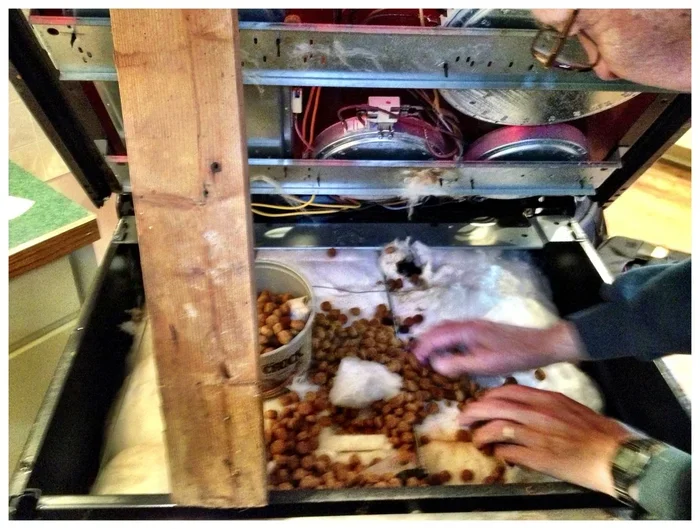
Can Mice Live In Oven And What You Need To Do About It
Can mice live in oven spaces? Yes, mice can squeeze into ovens and even build nests inside them. This is a serious problem that poses health risks, fire hazards, and appliance damage. In this guide, you will learn how mice get into ovens, the dangers involved, and exactly what steps to take to remove them and keep them out for good.
Have you ever opened your oven and spotted a mouse staring back at you? It is a terrifying moment no one wants to experience. The question on every homeowner’s mind is simple: can mice live in oven spaces? The answer might surprise you. Yes, mice can and do live inside ovens, and they are better at it than most people realize.
Mice are incredibly resourceful creatures. They can squeeze through gaps as small as a dime. Your oven might seem like a safe, clean appliance, but to a mouse, it is a warm, cozy home with easy access to food crumbs and nesting materials. If you suspect mice have made your oven their new residence, you are not alone. This is a common problem that many households face, especially in older homes or apartments with poor sealing.
In this article, we will cover everything you need to know about mice living in ovens. We will look at how they get in, why it is dangerous, how to remove them, and what you can do to stop them from coming back. Whether you have already spotted a mouse or want to prevent an infestation, this guide has you covered.
Key Takeaways
- Mice can absolutely live in ovens: They are excellent climbers and can fit through tiny gaps to reach your oven.
- Health risks are real: Mice droppings and urine inside your oven can contaminate food and spread diseases.
- Fire hazards exist: Mice chew on wires and insulation, which can cause short circuits or even fires.
- Removal requires patience: You need to clean thoroughly, seal entry points, and use safe traps or deterrents.
- Prevention is the best strategy: Keeping your kitchen clean and sealed stops mice from coming back.
- Call a pro when needed: Severe infestations may require professional pest control services.
📑 Table of Contents
- Can Mice Actually Live Inside an Oven?
- How Mice Get Into Your Oven
- Dangers of Having Mice in Your Oven
- How to Remove Mice From Your Oven
- Preventing Mice From Entering Your Oven
- When to Call a Professional for Mice in Oven Problems
- Common Mistakes People Make When Dealing With Mice in Ovens
- Key Takeaways
- Final Thoughts
Can Mice Actually Live Inside an Oven?
The short answer is yes. Mice can live inside ovens, and they often do. Ovens provide warmth, shelter, and sometimes even food residue that attracts them. But how exactly does this happen? Let us break it down.
Why Ovens Attract Mice
Mice are always looking for three things: food, water, and shelter. Your oven checks all three boxes. Here is why an oven is appealing to mice:
- Warmth: Ovens retain heat, especially after cooking. Mice love warm spots to build nests.
- Food crumbs: Even tiny food particles on the oven floor or around the door seal can attract mice.
- Dark, hidden spaces: The interior of an oven is dark and secluded, which mice prefer for nesting.
- Easy access: Many ovens have gaps around the back, sides, or underneath where mice can enter.
Mice are not picky about where they set up camp. If your oven offers any of these conditions, it becomes a potential home. This is especially true during cold months when mice seek warmth indoors.
Can Mice Survive Inside a Running Oven?
This is a common question, and the answer is more complex than you might think. A mouse cannot survive inside a running oven at high temperatures. Cooking temperatures of 350°F or higher are lethal to mice within minutes. However, mice are smart enough to avoid the oven when it is in use.
Mice typically enter the oven when it is cool or off. They nest inside during the day and come out at night to forage for food. If you turn on the oven while a mouse is hiding inside, the mouse will likely try to escape before the temperature becomes dangerous. But this is not always the case, and sometimes mice get trapped or injured.
How Mice Get Into Your Oven
Understanding how mice enter your oven is the first step in solving the problem. Mice are excellent at finding the smallest openings. Let us explore the common entry points.
Gaps Around the Back of the Oven
Most ovens have a gap between the back panel and the wall. This space is often hidden behind the appliance and goes unnoticed. Mice can easily squeeze through this gap and crawl into the oven cavity. Over time, insulation and wiring in this area also provide perfect nesting material.
Damaged Door Seals
The rubber seal around your oven door can wear out over time. When the seal becomes cracked or loose, it creates a gap that mice can exploit. Even a small tear in the door gasket is enough for a mouse to slip through.
Vents and Exhaust Ports
Some ovens have ventilation openings or exhaust ports. These are necessary for proper airflow, but they also create potential entry points for mice. If the vent covers are not fine-meshed or are damaged, mice can push through them easily.
Floor-Level Access
For built-in or freestanding ovens that sit close to the floor, mice can climb up from below. They can enter through gaps in the cabinetry, flooring, or wall cavities that connect to the oven space.
Utility and Plumbing Openings
Mice often travel along pipes and utility lines. If your oven is near plumbing lines or electrical conduits, mice can use these pathways to reach the oven area. They follow these routes because they provide covered, safe passage through your home.
Dangers of Having Mice in Your Oven
Having mice inside your oven is not just a nuisance. It creates real health and safety risks that every homeowner should take seriously.
Health Risks from Contamination
Mice carry bacteria, viruses, and parasites. When a mouse lives inside your oven, its droppings, urine, and fur contaminate the oven interior. If you cook food in a contaminated oven, you risk exposing your family to serious health issues.
- Salmonella: Mice can spread salmonella through their droppings, which can contaminate food surfaces.
- Hantavirus: This is a serious respiratory disease spread through mouse urine and droppings.
- Leptospirosis: A bacterial infection that can cause flu-like symptoms and, in severe cases, organ damage.
- Allergies and asthma: Mouse droppings and dander can trigger allergic reactions and worsen asthma symptoms.
Fire Hazards from Chewed Wires
Mice have a natural instinct to chew. They gnaw on wires, insulation, and other materials to keep their teeth worn down. Inside your oven, this behavior is extremely dangerous. Chewed wires can cause short circuits, sparking, and even oven fires.
The wiring behind and inside ovens is often made of plastic insulation, which mice find irresistible to chew through. A damaged wire behind the oven can spark and ignite nearby insulation or cabinetry. This is one of the most serious risks associated with rodent infestation in kitchen appliances.
Unpleasant Odors and Stains
Mouse urine and droppings create strong, unpleasant odors. Even after you remove the mouse, the smell can linger in the oven for weeks. This odor can transfer to your food during cooking, making your meals taste and smell bad. Stains from urine can also be difficult to clean from oven surfaces.
Damage to Oven Components
Mice can cause physical damage to your oven. They may chew on insulation, temperature sensors, and control panels. This damage can affect oven performance and lead to costly repairs. In some cases, the damage is so severe that the oven needs to be replaced entirely.
How to Remove Mice From Your Oven
If you have confirmed that mice are living in your oven, you need to act quickly. Here is a step-by-step guide to safely removing mice from your oven.
Step 1: Unplug the Oven
Safety comes first. Before you do anything, unplug the oven from the electrical outlet. This prevents any risk of electric shock and stops the oven from accidentally turning on while you are working on it.
Step 2: Remove All Food and Debris
Take out any oven racks, trays, or removable parts. Shake them outside to dislodge any droppings or nesting material. Wipe down the interior with a damp cloth to remove loose debris and food particles.
Step 3: Set Up Traps
Place mouse traps near the oven and in the surrounding area. Use snap traps or live catch traps baited with peanut butter or chocolate. Check the traps daily and dispose of any captured mice properly.
Here are some trap options to consider:
- Snap traps: Traditional and effective. Place them along walls and near entry points.
- Live catch traps: Humane option that captures mice without killing them. Release them far from your home.
- Electronic traps: Deliver a quick, humane shock. They are clean and easy to dispose of.
Step 4: Clean and Disinfect Thoroughly
After removing the mice, you need to deep clean the oven. Use a solution of one part bleach to ten parts water, or a commercial disinfectant. Wipe down all interior surfaces, including the door, seals, and corners. Let the oven air dry completely before using it again.
For stubborn odors, place a bowl of baking soda inside the oven overnight. The baking soda will absorb lingering smells. You can also run the oven on a low heat setting with a lemon-water solution to freshen the interior.
Step 5: Inspect and Seal Entry Points
Before you consider the problem solved, inspect the area around the oven for entry points. Look for gaps, cracks, or holes. Use steel wool, caulk, or metal flashing to seal any openings. Steel wool is especially effective because mice cannot chew through it easily.
Step 6: Monitor for Return
After cleaning and sealing, keep monitoring the area. Set traps for a few weeks as a precaution. Check for new droppings, gnaw marks, or signs of activity. Early detection makes removal much easier.
Comparison: Best Methods to Remove Mice From Ovens
| Method | Effectiveness | Safety | Cost |
|---|---|---|---|
| Snap Traps | High | Moderate (keep away from kids) | Low |
| Live Catch Traps | Moderate | High | Medium |
| Electronic Traps | High | High | Medium-High |
| Professional Pest Control | Very High | High | High |
| Natural Deterrents (Peppermint Oil) | Low-Moderate | Very High | Low |
Preventing Mice From Entering Your Oven
Prevention is always better than cure. Once you have removed mice from your oven, take these steps to stop them from coming back.
Keep Your Kitchen Clean
Mice are attracted to food sources. Keep your kitchen spotless by wiping down counters, sweeping floors, and cleaning up crumbs after every meal. Do not leave dirty dishes in the sink overnight. Store food in airtight containers, especially grains, cereals, and pet food.
Seal All Gaps and Cracks
Inspect your entire kitchen for potential entry points. Pay special attention to areas around the oven, refrigerator, dishwasher, and cabinets. Use caulk or steel wool to seal any gaps larger than a quarter-inch. Check the area behind the oven regularly for new openings.
Store Trash Properly
Keep your kitchen trash in a sealed bin with a tight-fitting lid. Take out the trash regularly, especially food waste. Do not leave garbage bags sitting in the kitchen overnight.
Use Natural Deterrents
Mice dislike certain smells. You can use natural deterrents to keep them away from your oven area. Peppermint oil is one of the most effective natural mouse repellents. Soak cotton balls in peppermint oil and place them near the oven and in cabinets.
Other natural deterrents include:
- Eucalyptus oil
- Mothballs (use with caution around food areas)
- White vinegar spray on surfaces
- Dried bay leaves placed in cabinets
Regular Oven Maintenance
Make oven maintenance a regular part of your cleaning routine. Clean the oven interior at least once a month. Check the door seal for wear and tear. Inspect the area behind and around the oven for signs of mouse activity. Regular maintenance helps you catch problems early before they become serious infestations.
Quick Tips for Oven Pest Prevention
- Never leave food scraps on the oven floor or racks.
- Place a tray or liner at the bottom of the oven to catch drips and crumbs.
- Keep the oven door closed when not in use.
- Inspect the oven area once a week for signs of mice.
- Store pet food in sealed containers away from the oven.
- Fix any plumbing leaks near the oven, as mice need water to survive.
When to Call a Professional for Mice in Oven Problems
Sometimes, a DIY approach is not enough. If you have tried the steps above and still see signs of mice, it is time to call a professional. Here are some signs that you need expert help:
- You see multiple mice in or around the oven area.
- You notice a strong, persistent odor even after cleaning.
- You find extensive gnaw marks on oven wiring or components.
- You hear scratching or nesting sounds inside the walls near the oven.
- You have tried traps and deterrents for more than two weeks with no results.
- You have young children or pets and are concerned about using traps or chemicals near them.
Professional pest control services have the tools, experience, and expertise to handle even the most stubborn infestations. They can identify entry points you might have missed and provide long-term solutions to keep your home mouse-free. Many pest control companies also offer guarantees and follow-up visits to ensure the problem is fully resolved.
When choosing a pest control service, look for licensed and insured companies with good reviews. Ask about their methods and whether they use eco-friendly or pet-safe options. A good professional will work with you to create a customized plan for your home and your specific rodent control needs.
Common Mistakes People Make When Dealing With Mice in Ovens
Avoid these common mistakes that can make the problem worse:
- Ignoring the problem: Mice reproduce quickly. A small infestation can become a major problem within weeks.
- Using poison inside the oven: Poisoned mice can die inside the oven, creating a terrible odor and health hazard. Always use traps instead.
- Not cleaning thoroughly enough: A quick wipe is not enough. You need to deep clean and disinfect the entire oven interior.
- Skipping the sealing step: If you do not seal entry points, mice will simply come back after removal.
- Using only one method: Combine traps, cleaning, and prevention for the best results.
- Delaying action: The longer you wait, the more damage mice can cause to your oven and your health.
Key Takeaways
- Mice can live in ovens: They are attracted by warmth, shelter, and food residue inside the appliance.
- Health and fire risks are serious: Contaminated surfaces, chewed wires, and disease transmission are real dangers.
- Removal requires a systematic approach: Unplug, trap, clean, seal, and monitor for best results.
- Prevention is essential: Clean regularly, seal gaps, and use natural deterrents to keep mice away.
- Know when to call a pro: Severe or persistent infestations need professional pest control intervention.
- Avoid common mistakes: Do not use poison inside the oven, and never ignore early signs of mouse activity.
Final Thoughts
Can mice live in oven spaces? Absolutely, and now you know exactly how to deal with it. Mice are persistent creatures, but with the right approach, you can remove them from your oven and prevent them from returning. The key is to act quickly, clean thoroughly, seal all entry points, and stay vigilant.
Your oven is an essential part of your kitchen, and keeping it mouse-free protects your health, your food, and your appliance. Follow the steps in this guide, and you will be well on your way to a clean, safe, and mouse-free oven. Remember, the best defense against mice in kitchen appliances is a combination of cleanliness, prevention, and prompt action at the first sign of trouble.
Take care of the problem now, and you will save yourself time, money, and stress in the long run. Your oven deserves to be a clean and safe cooking environment, and with the tips and strategies shared in this article, you can make that happen.
Frequently Asked Questions
How do I know if a mouse is living in my oven?
Look for signs like droppings inside or near the oven, gnaw marks on wiring or seals, a strong ammonia-like odor, scratching sounds at night, and nesting materials such as shredded paper or fabric in the oven cavity. If you notice any of these signs, inspect the oven interior carefully.
Is it safe to use the oven if a mouse has been inside it?
It is not safe to use the oven until you have thoroughly cleaned and disinfected it. Mouse droppings and urine can contaminate food surfaces and spread diseases. After deep cleaning with a bleach solution and allowing the oven to dry completely, it should be safe to use again.
Can mice damage my oven’s electrical components?
Yes, mice can cause significant damage by chewing on wires, insulation, and control panels inside and behind the oven. This can lead to short circuits, malfunctioning controls, and even fire hazards. If you notice chewed wires, have a qualified technician inspect and repair the oven before using it.
What is the fastest way to get a mouse out of the oven?
The fastest method is to set a snap trap baited with peanut butter near the oven and check it frequently. You can also use an electronic trap for quick, humane removal. Combine trapping with thorough cleaning and sealing entry points to prevent the mouse from returning.
Are natural repellents effective for keeping mice away from the oven?
Natural repellents like peppermint oil can help deter mice, but they work best as a supplement to other prevention methods. They are not a standalone solution for an active infestation. Use them alongside proper cleaning, sealing gaps, and trapping for the best results.
How can I prevent mice from getting into my oven in the first place?
Keep your kitchen clean, store food in airtight containers, seal all gaps around the oven with caulk or steel wool, and inspect the area regularly for signs of mouse activity. Regular oven maintenance and prompt attention to any signs of pests will go a long way in preventing infestations.