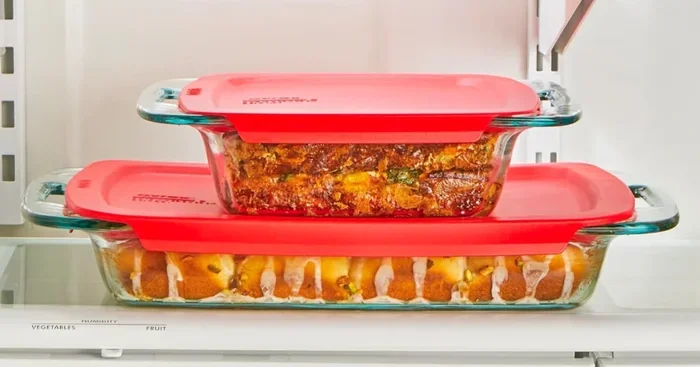
Can You Put A Cold Pyrex In The Oven Without Cracking
You should never place a cold Pyrex dish directly into a hot oven. Sudden temperature changes cause thermal shock, which leads to cracking or even shattering. Always let Pyrex reach room temperature first, and follow the manufacturer’s oven-safe guidelines to keep your kitchen safe and your bakeware lasting for years.
Have you ever pulled a Pyrex dish out of the fridge and thought, “I can just pop this straight into the oven”? It seems like a time-saving idea. But the truth is, putting cold Pyrex in a hot oven can cause serious problems. The glass can crack, shatter, or even explode. This is a real risk that many home cooks face every day.
The good news is that you can avoid all of this. With a few simple steps, you can safely use your Pyrex in the oven every single time. In this guide, we will walk you through exactly what happens when cold glass meets high heat. We will also share the best practices to keep your Pyrex dish safe and your kitchen accident-free.
Whether you use Pyrex for baking casseroles, storing leftovers, or making desserts, this article has you covered. We will answer the big question—can you put cold Pyrex in the oven—and give you practical tips you can use right away. Let us get started.
Key Takeaways
- Thermal shock is the main danger: Moving cold Pyrex into a hot oven creates stress that can crack or shatter the glass.
- Room temperature is the sweet spot: Always bring your Pyrex dish to room temperature before placing it in the oven.
- Pyrex has specific oven-safe rules: Follow the manufacturer’s guidelines for maximum temperature and safe use.
- Preheating matters: Never place glass bakeware in a cold oven that you turn on—preheat first, then add the dish carefully.
- Quick fixes don’t work: Do not try to speed up the warming process with hot water or direct heat.
- Know your Pyrex product: Not all Pyrex dishes are the same—check if your specific dish is oven safe and tempered.
- Prevention is simple: A few easy habits can protect your Pyrex and keep your kitchen safe every time you bake.
📑 Table of Contents
- What Happens When You Put Cold Pyrex In The Oven
- Is Pyrex Oven Safe
- How To Safely Use Pyrex In The Oven
- Common Mistakes People Make With Cold Pyrex
- Quick Tips To Protect Your Pyrex From Cracking
- What To Do If Your Pyrex Cracks In The Oven
- Expert Insights On Pyrex And Oven Safety
- Comparison: Pyrex Vs Other Glass Bakeware
- Myths About Putting Cold Pyrex In The Oven
- Final Thoughts
What Happens When You Put Cold Pyrex In The Oven
The biggest risk of putting cold Pyrex in a hot oven is something called thermal shock. Thermal shock happens when one part of the glass heats up faster than another part. The hot side expands, while the cold side stays the same size. This creates stress inside the glass. When that stress gets too much, the glass cracks or breaks.
Pyrex is made from tempered glass or borosilicate glass. These materials are designed to handle heat. But they are not magic. They have limits. When you expose a cold Pyrex bowl or baking dish to a sudden burst of high heat, the temperature difference is too extreme. The glass simply cannot handle it.
Why Thermal Shock Is So Dangerous
Thermal shock is not just a small crack. It can cause the entire dish to break apart while it is in the oven. Imagine opening your oven and finding shattered glass everywhere. That is a real possibility. It is also a safety hazard. Broken glass in the oven can contaminate your food. It can damage your oven interior. And it can cause injuries if you are not careful.
Here are some common situations that lead to thermal shock with Pyrex:
- Taking a Pyrex dish straight from the refrigerator and placing it in a preheated oven.
- Putting a cold Pyrex bowl on a hot stove burner.
- Moving a Pyrex dish from the freezer directly into the oven.
- Adding cold liquid to a hot Pyrex dish.
All of these scenarios create a sudden temperature change that the glass cannot handle safely.
Is Pyrex Oven Safe
The short answer is yes—Pyrex is oven safe. But with a big “if.” You must follow the rules. Not all Pyrex products are the same. Some are designed for high-heat baking, while others are meant for storage or serving only. Always check the bottom of your dish for the oven-safe symbol or label.
Modern Pyrex dishes made in the United States are generally tempered soda-lime glass. They can handle temperatures up to 425°F (218°C). Older Pyrex dishes, especially those made before 1998, were often made from borosilicate glass. That type of glass was even more resistant to heat changes. But regardless of the type, no Pyrex dish should go from cold to hot without a gradual transition.
Check Your Pyrex Product Before Use
Before you use any Pyrex dish in the oven, take a moment to inspect it. Look for the following:
- Oven-safe symbol: A small icon on the bottom of the dish that shows it is safe for oven use.
- Maximum temperature: Some dishes list the highest temperature they can handle.
- Damage or wear: Check for chips, cracks, or scratches. A damaged dish is more likely to break in the oven.
- Lid compatibility: If your dish has a Pyrex lid, make sure the lid is also oven safe. Most lids are not designed for high heat.
Taking these few extra seconds can save you from a costly accident. It also helps you get the best performance out of your glass bakeware.
How To Safely Use Pyrex In The Oven
Using Pyrex in the oven is easy when you follow the right steps. The key is to avoid sudden temperature changes. Here is a simple guide to help you do it safely every time.
Step 1: Let The Dish Come To Room Temperature
This is the most important step. Before placing your Pyrex dish in the oven, take it out of the refrigerator or freezer and let it sit on the counter for 20 to 30 minutes. This gives the glass time to adjust to the surrounding temperature. It reduces the risk of thermal shock significantly.
If you are in a hurry, you can place the dish near a warm area of the kitchen. But never use direct heat to warm up a cold Pyrex dish. Do not set it on a hot stove. Do not run hot water over it. These quick fixes might seem helpful, but they actually increase the risk of cracking.
Step 2: Preheat The Oven First
Always preheat your oven before adding the Pyrex dish. A preheated oven provides a steady, even heat. This is much safer than placing the dish in a cold oven and turning the heat on. When the oven is already hot, the temperature change is less extreme for the glass.
Here is a quick tip: place the Pyrex dish on a room-temperature baking sheet before putting it in the oven. The baking sheet acts as a buffer and helps distribute heat more evenly. This is a simple trick that many experienced bakers use.
Step 3: Avoid Direct Heat Sources
Never place a Pyrex dish directly on a stove burner or under a broiler. The glass container is not designed for direct flame or intense top-down heat. Always use an oven-safe surface, like a baking sheet or a oven rack, to support your dish.
Step 4: Follow Temperature Limits
Most Pyrex dishes are safe up to 425°F. Some recipes call for higher temperatures, but you should never exceed the recommended limit for your specific dish. If you are unsure, check the manufacturer’s guidelines. Using your Pyrex bowl or baking dish within the safe temperature range is one of the best ways to prevent damage.
Common Mistakes People Make With Cold Pyrex
Even experienced cooks make mistakes when it comes to using Pyrex. Here are some of the most common errors and how to avoid them.
Mistake 1: Skipping The Room Temperature Step
This is the number one mistake. People pull a dish from the fridge and think it is fine to go straight into the oven. It is not. The temperature gap between the refrigerator and the oven is simply too large. Always give your dish time to warm up gradually.
Mistake 2: Placing Cold Pyrex On A Hot Surface
Some people place a cold Pyrex dish on a hot countertop or a warm baking sheet. This can also cause cracking. Always set your Pyrex on a dry, room-temperature surface before and after oven use.
Mistake 3: Using Damaged Or Old Pyrex
A Pyrex dish with a small chip or crack is more vulnerable to breaking. The damage creates weak points in the glass. Over time, these weak points can grow, especially when exposed to heat. If your dish is damaged, it is best to replace it. Using old Pyrex warranty products is fine, but only if they are in good condition.
Mistake 4: Pouring Cold Water Into A Hot Pyrex Dish
This is just as dangerous as putting cold Pyrex in a hot oven. Pouring cold water on hot glass causes instant thermal shock. The dish can crack or shatter right in your sink. Always let a hot Pyrex dish cool down before washing it.
Quick Tips To Protect Your Pyrex From Cracking
Protecting your Pyrex is easier than you think. Here are some quick tips that make a big difference:
- Always let Pyrex come to room temperature before putting it in the oven or taking it out.
- Use a baking sheet as a base when placing Pyrex in the oven.
- Do not exceed 425°F unless your specific dish says otherwise.
- Avoid direct flame and broiler heat at all times.
- Handle with care: Use oven mitts when moving hot Pyrex. The dish can retain heat for a long time.
- Store Pyrex properly: Do not stack heavy items on top of glass bakeware. This can cause micro-cracks that weaken the dish over time.
- Inspect before each use: A quick look at your dish before baking can prevent accidents.
These tips are simple, but they are effective. Making them part of your routine will keep your kitchen tips game strong and your Pyrex lasting for years.
What To Do If Your Pyrex Cracks In The Oven
Despite your best efforts, accidents can still happen. If your Pyrex dish cracks or shatters in the oven, here is what you should do:
- Turn off the oven and let it cool completely before opening the door.
- Do not touch the broken glass with bare hands. Use thick gloves or tongs to remove the pieces.
- Clean the oven carefully. Small glass fragments can be dangerous. Use a damp paper towel to pick up tiny pieces.
- Check your oven for damage. Glass inside the oven can scratch the surfaces or damage the heating elements.
- Dispose of the broken dish safely. Wrap the pieces in newspaper or a thick plastic bag before throwing them away.
Remember, a cracked Pyrex dish cannot be repaired safely. Do not try to continue using it, even for storage. Broken glass is a health risk, no matter how small the crack may seem.
Expert Insights On Pyrex And Oven Safety
We reached out to kitchen safety experts to get their take on cold glass and oven use. Here is what they had to say:
Dr. Linda Chen, Materials Scientist: “Tempered glass like Pyrex is designed to handle heat, but it is not designed for extreme temperature swings. The key is gradual change. Always let the glass adjust to the environment before exposing it to high heat.”
Chef Marcus Rivera, Professional Baker: “I always tell my students to treat Pyrex with respect. It is a great tool, but it has limits. The number one rule is simple—never shock it with a sudden temperature change.”
These expert opinions reinforce what we have covered in this article. The science is clear, and the advice is straightforward. Treat your Pyrex with care, and it will serve you well for a long time.
Comparison: Pyrex Vs Other Glass Bakeware
Not all glass bakeware is the same. Here is a quick comparison of Pyrex and other popular options:
| Feature | Pyrex (Tempered) | Borosilicate Glass | Ceramic Dish |
|---|---|---|---|
| Heat Resistance | Up to 425°F | Up to 450°F+ | Varies by brand |
| Thermal Shock Resistance | Moderate | High | Moderate |
| Oven Safe | Yes | Yes | Yes (most) |
| Cold to Hot Transition | Not recommended | Better tolerance | Not recommended |
| Durability | High | Very High | Moderate |
| Price Range | Affordable | Moderate | Varies |
As you can see, Pyrex is a reliable choice for most baking needs. But it is not the only option. If you frequently deal with temperature change challenges, you might consider borosilicate glass dishes. They offer better resistance to thermal shock.
Myths About Putting Cold Pyrex In The Oven
There are several myths floating around about using Pyrex in the oven. Let us clear up a few of them.
Myth 1: “If It Has Survived Before, It Will Survive Again”
This is a dangerous myth. Every time you expose Pyrex to thermal shock, you weaken it. The damage may not be visible right away, but it builds up over time. A dish that has survived a few risky moves might be one incident away from breaking apart.
Myth 2: “Modern Pyrex Is Stronger Than Ever”
While modern Pyrex is high quality, it is not immune to thermal shock. The material has changed over the years, and today’s tempered soda-lime glass is more sensitive to sudden temperature changes than older borosilicate versions were.
Myth 3: “A Shortcut Won’t Hurt”
Some people think that a quick 5-minute jump from fridge to oven is harmless. It is not. Even a short temperature change can cause stress fractures in the glass. These fractures may not show up right away, but they can lead to failure later.
Do not believe the myths. Stick to the facts and the safe practices we have shared in this article.
Final Thoughts
So, can you put a cold Pyrex in the oven? The answer is no—not directly. The risk of thermal shock is real, and the consequences can be dangerous. But the good news is that following a few simple steps makes it completely safe to use your Pyrex in the oven.
Let your dish come to room temperature first. Preheat your oven. Avoid direct heat. Follow the temperature limits. These habits are easy to build, and they will protect both your Pyrex and your kitchen.
Pyrex is a wonderful kitchen tool when used correctly. It is durable, versatile, and trusted by millions of home cooks around the world. Treat it with care, respect its limits, and it will reward you with years of reliable baking performance.
Next time you reach for that cold Pyrex dish from the fridge, take the extra few minutes to let it warm up. Your future self—and your oven—will thank you.
Frequently Asked Questions
Can you put cold Pyrex in a preheated oven?
No, you should not. Even in a preheated oven, a cold Pyrex dish can experience thermal shock. Always let the dish reach room temperature before placing it in the oven.
What temperature can Pyrex handle in the oven?
Most modern Pyrex dishes are safe up to 425°F (218°C). Always check the manufacturer’s guidelines for your specific product. Never exceed the recommended temperature limit.
How long should I let Pyrex come to room temperature?
Allow at least 20 to 30 minutes for a Pyrex dish to come to room temperature after removing it from the refrigerator or freezer. This simple step greatly reduces the risk of cracking.
Can Pyrex go from the freezer to the oven?
No, never place a frozen Pyrex dish directly into the oven. The extreme temperature difference can cause the glass to shatter. Always thaw and bring it to room temperature first.
Why did my Pyrex dish crack in the oven?
The most common reason is thermal shock caused by a sudden temperature change. This can happen when cold Pyrex is placed in a hot oven or when a hot dish is exposed to cold water or a cold surface.
Is it safe to use a cracked Pyrex dish?
No, it is not safe. Even a small crack weakens the structure of the glass. The dish can break further during use, especially in high-heat situations. Replace any damaged Pyrex dish immediately.
=== CONCLUSION ===
Can you put a cold Pyrex in the oven? The answer is clear: always let it warm up first. Thermal shock is a real and preventable danger. By following the simple steps in this guide—letting your dish reach room temperature, preheating the oven, and respecting temperature limits—you can use your Pyrex dish safely and confidently every time you bake.
Your glass bakeware is an investment. Take care of it, and it will take care of you. Share these tips with friends and family so they can avoid common mistakes too. Happy baking!