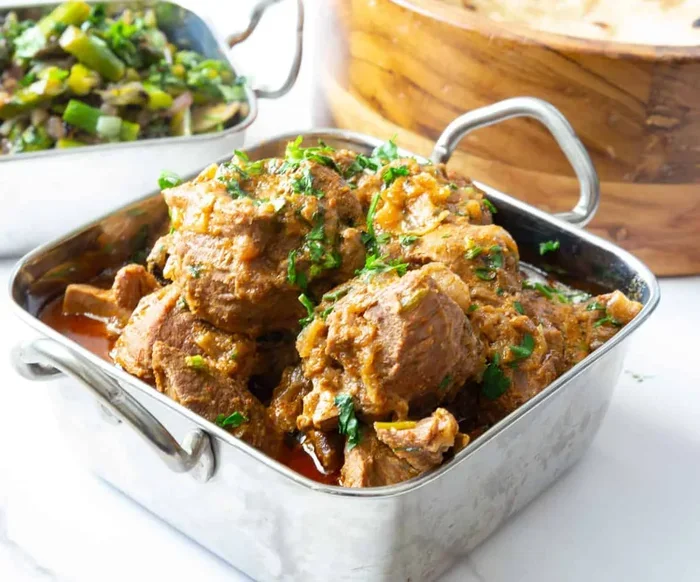
How Long To Cook Lamb Curry In Pressure Cooker Perfectly
Learning how long to cook lamb curry in a pressure cooker is the key to rich, tender meat and deep flavor in under an hour. The exact time depends on the cut you use, whether the lamb is bone-in or boneless, and how thick your pieces are. This guide walks you through every timing detail so your curry turns out perfect every single time.
There is nothing quite like a steaming bowl of lamb curry on a cold evening. The rich, aromatic sauce, the tender meat that practically melts in your mouth, and the warm spices that fill your kitchen, it is comfort food at its finest. But getting it right can feel tricky, especially when you are working with a pressure cooker.
If you have ever wondered how long to cook lamb curry in a pressure cooker, you are in the right place. The good news is that a pressure cooker cuts cooking time dramatically compared to stovetop or oven methods. What might take three hours on the stove can be done in under an hour with the right technique and timing.
In this guide, we will cover everything you need to know. From choosing the right cut of lamb to nailing the perfect cooking time, we will break it all down in simple, easy-to-follow steps. By the end, you will feel confident making lamb curry in your pressure cooker whenever the craving hits.
Key Takeaways
- Bone-in lamb curry typically needs 25 to 35 minutes at high pressure for fall-off-the-bone tenderness.
- Boneless lamb pieces cook faster, usually around 15 to 20 minutes at high pressure.
- Natural pressure release works best for lamb because it keeps the meat tender and prevents toughness.
- Searing the lamb before pressure cooking adds a deep, rich flavor layer to your curry base.
- Adding yogurt or cream after cooking keeps the gravy silky and prevents curdling.
- Resting the curry for 10 minutes after cooking lets the flavors meld and the gravy thicken naturally.
📑 Table of Contents
- Why Use A Pressure Cooker For Lamb Curry?
- Choosing The Right Lamb Cut For Curry
- How Long To Cook Lamb Curry In Pressure Cooker: Timing Breakdown
- Step By Step: Making Lamb Curry In A Pressure Cooker
- Common Mistakes To Avoid When Cooking Lamb Curry
- Serving And Storing Your Lamb Curry
- Expert Tips For The Best Lamb Curry Every Time
- Final Thoughts On Cooking Lamb Curry In A Pressure Cooker
Why Use A Pressure Cooker For Lamb Curry?
A pressure cooker is a game changer for lamb curry. The sealed environment traps steam and heat, which means your lamb cooks faster and more evenly. The high pressure also breaks down the tough connective tissues in lamb, resulting in meat that is incredibly tender without long hours of simmering.
Here are some of the biggest reasons to use a pressure cooker for your next lamb curry:
- Speed: What takes hours on the stove takes just 20 to 35 minutes under pressure.
- Flavor retention: The sealed lid keeps all those aromatic spices and juices locked inside.
- Energy efficiency: Less cooking time means less energy used overall.
- Tender results: The high pressure tenderizes even cheaper, tougher cuts of lamb beautifully.
- Consistency: Once you learn the timing, you will get great results every time.
Whether you are using an Instant Pot, a stovetop pressure cooker, or any other brand, the principles remain the same. The key is understanding how long different cuts need and what steps to take before and after cooking.
Choosing The Right Lamb Cut For Curry
Not all lamb cuts are created equal when it comes to pressure cooking. The cut you choose directly affects both the cooking time and the final texture of your curry. Let us look at the best options.
Bone-In Lamb Cuts
Bone-in cuts like lamb shoulder, lamb shank, and bone-in leg are fantastic for curry. The bone adds richness and depth to the gravy as it cooks. These cuts also have more connective tissue, which breaks down beautifully under pressure.
However, bone-in lamb needs a bit more time. Expect to cook bone-in lamb curry for about 25 to 35 minutes at high pressure. The bone slows the heat transfer slightly, so the meat around it takes a little longer to become tender.
Boneless Lamb Cuts
Boneless lamb shoulder, boneless lamb leg, or even cubed lamb stew meat cooks much faster. Without the bone, heat reaches the meat more directly. Boneless lamb pieces typically need only 15 to 20 minutes at high pressure.
The trade-off is that boneless cuts can dry out more easily if you overcook them. So stick to the recommended timing and always check the meat before serving. It should be tender and easy to shred with a fork.
Best Lamb Cuts At A Glance
- Lamb shoulder: Rich, flavorful, perfect for curry. Bone-in or boneless both work well.
- Lamb shank: Very collagen-rich, creates a thick, luxurious gravy. Bone-in only.
- Lamb leg (boneless): Leaner but still tender when cooked correctly.
- Lamb stew meat: Small cubes cook fast and are great for thicker curries.
- Lamb ribs: Meaty and flavorful, needs about 20 to 25 minutes at high pressure.
How Long To Cook Lamb Curry In Pressure Cooker: Timing Breakdown
This is the section you have been waiting for. The exact time depends on a few factors, but here are the general guidelines that work reliably every time.
High Pressure Cooking Times
Here is a simple breakdown of cooking times based on the type of lamb you are using:
- Bone-in lamb shoulder or shank: 25 to 35 minutes at high pressure.
- Boneless lamb shoulder or leg: 15 to 20 minutes at high pressure.
- Small cubed lamb stew meat: 10 to 15 minutes at high pressure.
- Lamb ribs: 20 to 25 minutes at high pressure.
- Bone-in lamb leg: 30 to 40 minutes at high pressure.
These times assume you are cooking at high pressure, which is the standard setting on most electric and stovetop pressure cookers. Always start checking the meat at the lower end of the range, especially if your lamb pieces are small.
What About Natural Release Vs Quick Release?
This is an important decision that affects both texture and timing. For lamb curry, we strongly recommend the natural pressure release method. Here is why:
- Natural release (letting the pressure drop on its own for 10 to 15 minutes) keeps the lamb juicy and tender.
- Quick release can cause the meat to seize up slightly because the pressure drops too fast.
- Natural release also gives the curry more time to thicken and develop flavor.
A good rule of thumb is to let the pressure release naturally for about 10 to 15 minutes, then carefully open the valve to release any remaining pressure. This gives you the best of both worlds.
Step By Step: Making Lamb Curry In A Pressure Cooker
Now that you know the timing, let us walk through the actual process. Follow these steps and you will have a delicious lamb curry ready in no time.
Step 1: Prepare The Lamb
Start by patting the lamb dry with a paper towel. This helps with browning later. Cut the lamb into manageable pieces if they are large. Season generously with salt and pepper. You can also add a pinch of turmeric and chili powder at this stage for extra flavor.
Step 2: Sear The Lamb
Set your pressure cooker to saute mode. Add a couple of tablespoons of oil and wait until it is hot. Brown the lamb pieces on all sides. This step is not optional, even though it adds a few minutes. Searing creates a flavorful crust that deepens the entire curry.
Remove the lamb and set it aside on a plate. You will use the browned bits stuck to the bottom of the pot, which are full of flavor.
Step 3: Build The Curry Base
In the same pot, add your onions, garlic, and ginger. Cook until the onions turn soft and golden. Then add your spices, such as cumin, coriander, garam masala, and chili powder. Stir for about 30 seconds until the spices become fragrant.
Add tomatoes and yogurt if your recipe calls for them. Stir well and let everything cook for a couple of minutes. This forms the rich, aromatic base of your curry.
Step 4: Pressure Cook The Lamb
Return the lamb to the pot. Add enough water or broth to just cover the meat. Close the lid and seal the valve. Set the pressure cooker to high pressure and start the timer based on the cut you are using.
For most bone-in lamb curries, 25 to 30 minutes at high pressure is the sweet spot. For boneless, go with 15 to 20 minutes. Remember, you can always cook a little longer if needed, but you cannot undo overcooked lamb.
Step 5: Release Pressure And Finish
Once the timer goes off, let the pressure release naturally for 10 to 15 minutes. Then carefully open the valve. Open the lid and check the lamb. It should be tender and falling apart easily.
If the gravy is too thin, set the cooker to saute mode and simmer for a few minutes to reduce it. Taste and adjust the salt and spices. A squeeze of lemon juice at the end brightens everything up.
Common Mistakes To Avoid When Cooking Lamb Curry
Even with the best recipe, small mistakes can affect the final result. Here are the most common ones and how to avoid them.
Overcooking The Lamb
Overcooked lamb becomes dry and crumbly, which is the opposite of what you want in a curry. The high pressure in a cooker works fast, so it is easy to go too far. Always set a timer and check the meat at the minimum recommended time. If it is not quite tender yet, give it just 3 to 5 more minutes.
Skipping The Sear
Some people skip searing to save time, but this is a mistake. Searing builds the foundational flavor of your curry. Without it, the dish can taste flat even if the seasoning is good. Take the extra five minutes, and your curry will taste noticeably better.
Using Too Little Liquid
A pressure cooker needs liquid to build pressure. If you do not add enough, the cooker will not pressurize properly, and your lamb will not cook evenly. Always add at least one cup of liquid, whether it is water, broth, or tomatoes.
Opening The Lid Too Soon
Resist the urge to open the lid right when the timer beeps. The lamb needs time to rest under pressure, and releasing the pressure too quickly can make the meat tough. Patience pays off here.
Serving And Storing Your Lamb Curry
Once your lamb curry is done, let it rest for about 10 minutes before serving. This resting period allows the gravy to thicken slightly and the flavors to settle together. Serve it over basmati rice, with warm naan, or alongside your favorite flatbread.
Lamb curry stores beautifully in the fridge for up to three days. In fact, it often tastes even better the next day as the spices continue to develop. Reheat gently on the stovetop or in the microwave, adding a splash of water if the gravy has thickened too much.
If you want to explore other meat dishes that benefit from similar slow-cooking principles, you might enjoy learning about how long to cook pernil in an air fryer, which uses a different method but shares the same patience-driven approach to tender meat. Similarly, if you love Indian flavors, making lauki kofta in your air fryer is a wonderful way to explore the same spice profiles in a lighter format.
Expert Tips For The Best Lamb Curry Every Time
Here are a few extra tips from experienced cooks that will take your lamb curry to the next level:
- Marinate the lamb overnight: A simple marinade of yogurt, ginger, garlic, and spices makes a huge difference in flavor and tenderness.
- Use whole spices: Whole cumin seeds, bay leaves, and cinnamon sticks add a deeper, more complex flavor than ground spices alone.
- Do not rush the onions: Cook your onions slowly until they are deeply golden. This is the secret to a rich, flavorful base.
- Add a touch of sugar: A small pinch of sugar balances the acidity of the tomatoes and brightens the overall dish.
- Let the curry sit: Lamb curry always tastes better after resting. The flavors meld and the texture improves as it sits.
If you are interested in cooking other dishes in your pressure cooker or exploring different methods, you might want to check out what to try in an air fryer for more inspiration on how to use your kitchen appliances creatively.
Final Thoughts On Cooking Lamb Curry In A Pressure Cooker
Cooking lamb curry in a pressure cooker is one of the easiest ways to get restaurant-quality results at home. The key is getting the timing right, and now you have all the information you need. Bone-in lamb needs 25 to 35 minutes, boneless needs 15 to 20, and small cubes can be done in as little as 10 minutes at high pressure.
Remember to sear your lamb, build a flavorful curry base, use enough liquid, and let the pressure release naturally. These simple steps make all the difference between a good curry and a great one. With practice, you will be able to make a perfect lamb curry in a pressure cooker without even thinking about the timing.
The beauty of this method is that it works for almost any cut of lamb and any spice profile you prefer. Whether you like your curry mild and creamy or bold and spicy, the pressure cooker delivers tender, flavorful results every single time.
So the next time you are craving a hearty bowl of lamb curry, do not reach for the slow cooker or preheat the oven. Grab your pressure cooker, follow these guidelines, and enjoy a delicious meal in under an hour. Your kitchen, and your taste buds, will thank you.
Frequently Asked Questions
Can I cook frozen lamb in a pressure cooker for curry?
Yes, you can cook frozen lamb in a pressure cooker, but you will need to add about 5 to 10 extra minutes to the cooking time. Make sure the lamb is fully thawed or at least broken into pieces before cooking for the best results. Always ensure the internal temperature reaches at least 145 degrees Fahrenheit for food safety.
What is the best cut of lamb for pressure cooker curry?
Lamb shoulder and lamb shank are the best cuts for pressure cooker curry because they have plenty of connective tissue and fat, which break down beautifully under pressure. These cuts become incredibly tender and flavorful, making them ideal for rich, hearty curries that fall apart with a fork.
Can I use an Instant Pot for lamb curry?
Absolutely. An Instant Pot works perfectly for lamb curry and follows the same timing guidelines as other electric pressure cookers. The saute function is especially useful for searing the lamb and building the curry base before switching to pressure cook mode. Just remember to use the high pressure setting and follow the recommended cooking times.
Why is my lamb curry tough after pressure cooking?
Tough lamb after pressure cooking usually means the meat was undercooked or the pressure was released too quickly. Lamb needs sufficient time under pressure for the collagen to break down. Always allow for a natural pressure release of at least 10 minutes, and check the meat at the minimum recommended time before adding more cooking minutes.
How much liquid do I need in the pressure cooker for lamb curry?
You need at least one cup of liquid for the pressure cooker to build and maintain pressure properly. For a thicker curry, use two cups of broth or a mix of crushed tomatoes and water. The liquid also becomes part of your gravy, so keep this in mind when deciding how much to add.
Can I add potatoes or vegetables to my lamb curry in the pressure cooker?
Yes, you can add potatoes and vegetables directly to the curry. Firm vegetables like potatoes and carrots should be added with the lamb since they need similar cooking times. Softer vegetables like spinach or peas should be stirred in during the last 2 to 3 minutes of saute mode after the pressure cooking is complete.