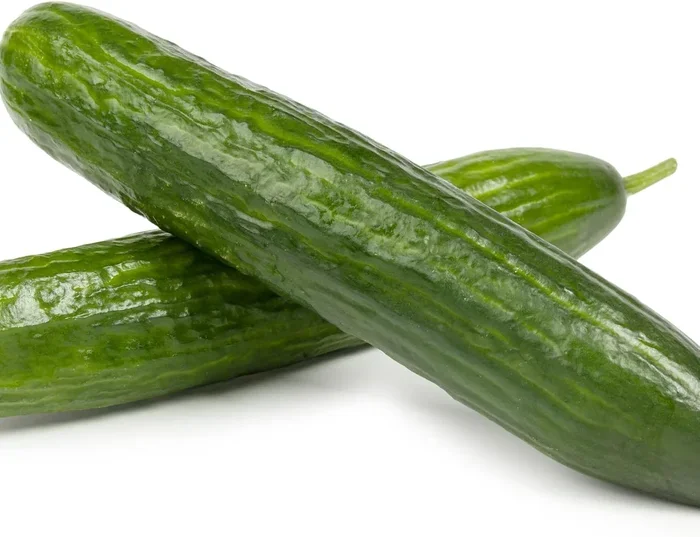
Can Cucumber Go Off Heres What You Need to Know
So, can cucumber go off? Absolutely yes. Cucumbers are perishable vegetables that dont last forever, and knowing how to spot cucumber spoilage early can save you from eating bad produce. This guide covers cucumber shelf life, signs your cucumber has gone bad, and simple storage tips to keep your cucumbers crisp and safe to eat.
We have all been there. You open the fridge drawer and spot a cucumber that has been sitting there for a while. You wonder, can cucumber go off? The short answer is yes. Cucumbers are fresh vegetables, and like all produce, they have a limited window of peak freshness. Understanding cucumber spoilage helps you avoid food waste and keeps your kitchen safe.
Whether you grow your own cucumbers or buy them from the store, knowing when they are still good and when they have gone bad is essential. In this guide, we will walk you through everything you need to know about cucumber shelf life, how to store them properly, and the clear signs that your cucumber is no longer good to eat.
Key Takeaways
- Cucumbers do go off: They have a limited shelf life and will spoil over time, especially if stored incorrectly.
- Look for wrinkles, soft spots, and discoloration: These are the most obvious signs that a cucumber has spoiled.
- Refrigerator storage is key: Proper cucumber storage in the fridge can extend freshness by several days.
- Cut cucumbers spoil faster: Once sliced, a cucumber should be eaten within a day or two.
- Freezing is not ideal: Cucumbers lose their texture when frozen, so refrigeration works best.
- Trust your senses: If a cucumber smells off, looks slimy, or tastes sour, its best to throw it away.
📑 Table of Contents
Understanding Cucumber Shelf Life
So how long does a cucumber actually last? The answer depends on a few factors. How you store it, when you bought it, and whether it has been cut all play a role in cucumber freshness.
Whole Cucumbers
A whole, uncut cucumber stored in the fridge can last about one to two weeks. If you keep it at room temperature, it will only last for about two to three days. The cool temperature of the refrigerator slows down the cucumber decay process and keeps the texture firm.
Here is a quick breakdown of whole cucumber shelf life:
- In the refrigerator: 7 to 14 days
- At room temperature: 2 to 3 days
- In a cool pantry: 3 to 5 days
The best place to store a whole cucumber is the crisper drawer in your fridge. This drawer is designed to maintain higher humidity, which helps cucumbers stay hydrated and crisp. Avoid storing cucumbers near fruits like apples and bananas. These fruits release ethylene gas, which can speed up cucumber ripening and spoilage.
Cut Cucumbers
Once you cut a cucumber, the clock starts ticking faster. A cut cucumber should be eaten within one to two days. Even if you wrap it tightly in plastic wrap or place it in an airtight container, the cucumber freshness will decline quickly.
Here are some tips for storing cut cucumbers:
- Wrap the cut end tightly with plastic wrap.
- Place the cucumber in an airtight container.
- Store it in the coldest part of the fridge.
- Use it within 24 hours for the best quality.
Remember, can cucumber go off faster once it has been cut? Yes, absolutely. The exposed flesh loses moisture and becomes a breeding ground for bacteria. Always try to cut only what you need.
Signs Your Cucumber Has Gone Off
Knowing the signs of cucumber spoilage is the most important skill for any home cook. You do not want to bite into a bad cucumber and ruin your meal or, worse, make yourself sick. Here are the key cucumber signs of spoilage to watch for.
Visual Signs
Your eyes are your first line of defense when checking if a cucumber is still good. Look for these visual clues:
- Wrinkled skin: A fresh cucumber has smooth, taut skin. When it starts to wrinkle or shrivel, it is losing moisture and is past its prime.
- Discoloration: Healthy cucumbers are a deep green color. Yellow spots or a completely yellow cucumber mean it has overripe and is going off.
- Mold growth: Any white, green, or black fuzzy spots mean the cucumber has mold. Throw it away immediately.
- Soft spots: A firm cucumber is a good cucumber. If you press on it and feel squishy or mushy areas, it has started to rot.
Smell and Touch Tests
Your nose and hands are powerful tools for checking cucumber quality. A fresh cucumber should smell mild and slightly earthy. If it has a sour, bitter, or off-putting smell, it has gone bad.
When you touch a cucumber, it should feel firm and cool. If it feels slimy or sticky, bacteria have started to grow on the surface. A freshness test like this can save you from a bad eating experience.
Here is a simple way to remember the cucumber freshness test:
- Look at the skin for wrinkles or mold.
- Press gently for soft spots.
- Sniff for any sour or unusual odors.
- If anything seems off, trust your gut and discard it.
Taste Test
If the cucumber passes the visual and smell tests but you are still unsure, take a small bite. A spoiled cucumber will taste bitter or sour. A fresh cucumber should taste mild, cool, and slightly sweet. If the taste is off, spit it out and do not eat any more.
How To Store Cucumbers Properly
Proper cucumber storage is the best way to extend cucumber shelf life and prevent cucumber spoilage. You do not need any special equipment. Just a few simple habits can make a big difference.
The Refrigerator Method
The fridge is the best place to store whole cucumbers. Here is how to do it right:
- Place the cucumber in the crisper drawer where humidity is higher.
- Do not wash the cucumber until you are ready to use it. Moisture can promote mold growth.
- Keep the cucumber away from ethylene-producing fruits like tomatoes and apples.
- If the cucumber came in a plastic wrap or bag, keep it wrapped to retain moisture.
Following these simple steps can keep your cucumber fresh for up to two weeks. This is the easiest way to answer the question, can cucumber go off if stored correctly? With the right cucumber storage tips, it stays fresh much longer.
The Room Temperature Method
If you plan to use the cucumber within a day or two, you can store it on the counter. This works well for kitchens that are cool and dry. Just make sure the cucumber is not sitting in direct sunlight or near a heat source.
Room temperature storage is fine for short-term keeping. But if you want to maximize cucumber freshness, always go with the fridge. Think of it this way: the cooler the storage, the longer the cucumber shelf life.
What About Freezing Cucumbers?
You can freeze cucumbers, but it is not usually recommended. Freezing changes the texture of the cucumber. When you thaw it, the cucumber becomes mushy and watery. This makes it unsuitable for salads or fresh eating.
However, frozen cucumbers work well in smoothies or cooked dishes. If you want to freeze cucumbers, here is what to do:
- Peel and slice the cucumber.
- Blanch the slices in boiling water for 30 seconds.
- Transfer them to an ice bath to cool quickly.
- Drain and pat dry with a paper towel.
- Place them in a freezer-safe bag or container.
- Use within 3 months for the best quality.
Keep in mind that freezing is not the same as cucumber refrigerator storage. The texture will never be the same. For the best eating experience, always choose the fridge over the freezer.
Can You Still Eat A Cucumber That Has Gone Off?
This is a common question. The answer depends on how far the cucumber has spoiled. A slightly wrinkled cucumber is still safe to eat, even if the texture is not as crisp. However, a cucumber with mold, a sour smell, or slimy texture should be thrown away.
When It Is Still Safe
A cucumber that has lost some firmness but does not have mold or an off smell can still be used. Here are some ideas for using slightly older cucumbers:
- Cook them into soups or stews.
- Blend them into a smoothie.
- Pickle them before they go completely bad.
- Use them in cooked dishes where texture matters less.
These cucumber freshness tips help reduce food waste while still getting value from your produce.
When To Throw It Away
There are clear situations where you should discard a cucumber. Do not eat a cucumber if:
- It has visible mold or fuzzy growth.
- It smells sour, rotten, or unpleasant.
- It feels slimy or sticky to the touch.
- It has large soft or mushy areas.
- It tastes bitter or off after a small bite.
Eating a spoiled cucumber can lead to stomach upset, nausea, or foodborne illness. When in doubt, throw it out. Your health is more important than saving one vegetable.
Common Mistakes That Make Cucumbers Go Bad Faster
Sometimes we accidentally speed up cucumber decay without realizing it. Here are the most common mistakes people make when storing cucumbers.
Storing Cucumbers With Fruits
Fruits like apples, bananas, and tomatoes release ethylene gas. This natural gas causes vegetables to ripen and spoil faster. Keeping cucumbers away from these fruits is one of the simplest cucumber storage tips you can follow.
Washing Before Storage
Many people wash cucumbers right after buying them. While clean produce is important, adding moisture before storage can encourage mold and bacteria growth. Always wash cucumbers just before you are ready to eat or cook with them.
Leaving Them in Direct Sunlight
Heat is the enemy of cucumber freshness. Leaving cucumbers on the counter in direct sunlight or near a stove can cause them to wilt and spoil quickly. Always store them in a cool, dark place.
Ignoring the Expiration Date
If you buy cucumbers from the store, check the sell-by date. Even if the cucumber looks fine, it may already be past its peak. Buying fresh cucumbers and using them promptly is the best approach for cucumber food safety.
By avoiding these mistakes, you can enjoy crisp, fresh cucumbers for a much longer time. Good kitchen storage habits make a huge difference.
Expert Insights On Cucumber Freshness
Food safety experts agree that proper storage is the key to preventing cucumber spoilage. The crisper drawer in your refrigerator provides the ideal environment for cucumbers. The cool temperature and higher humidity help maintain the cucumbers firmness and moisture content.
Experts also recommend buying cucumbers that are firm, heavy for their size, and deeply green. These characteristics indicate a fresh cucumber with a longer remaining shelf life. When shopping, choose cucumbers that feel solid and have no soft spots or discoloration.
Another tip from food safety professionals is to wash your hands before handling cucumbers and other fresh produce. This simple step reduces the risk of transferring bacteria to the surface of the vegetable. Good cucumber food safety practices start in your own kitchen.
Quick Tips To Keep Cucumbers Fresh
Here are some fast and easy cucumber freshness tips you can start using today:
- Store in the crisper drawer: This is the best spot in your fridge for cucumbers.
- Keep them dry: Do not wash until ready to use.
- Wrap in plastic: A loose plastic wrap helps retain moisture.
- Check regularly: Inspect your cucumbers every few days for signs of spoilage.
- Use a paper towel: Place a dry paper towel in the bag with the cucumber to absorb excess moisture.
- Buy in small batches: Purchase only what you need for the week to avoid waste.
These simple habits can add days or even weeks to your cucumber shelf life. They are easy to follow and make a real difference in keeping your produce fresh.
Conclusion
So, can cucumber go off? Yes, cucumbers do spoil over time, but with the right knowledge and storage habits, you can enjoy them for much longer. Remember the key signs of cucumber spoilage: wrinkles, discoloration, mold, soft spots, and off smells. Always store your cucumbers in the refrigerator, keep them dry, and use cut cucumbers within a day or two.
Following these cucumber storage tips not only keeps your food safe but also reduces waste. A little attention goes a long way when it comes to maintaining cucumber freshness. Trust your senses, use the tips in this guide, and you will always know when a cucumber is still good and when it has gone bad.
Next time you reach for a cucumber from the fridge, give it a quick check. A few seconds of attention can save you from an unpleasant surprise. Keep your kitchen stocked with fresh, safe produce and enjoy every bite.
Frequently Asked Questions
How long does a cucumber last in the fridge?
A whole cucumber stored in the refrigerator can last between one and two weeks. Keep it in the crisper drawer and avoid washing it until you are ready to use it. Proper cucumber storage is the key to maximizing its shelf life.
Can you eat a wrinkled cucumber?
A slightly wrinkled cucumber is usually still safe to eat, even though the texture may not be as crisp. However, if the wrinkling is accompanied by a sour smell or soft spots, it has gone off and should be discarded. Always use your judgment and trust your senses.
What causes cucumbers to go bad faster?
Heat, moisture, and ethylene gas from nearby fruits can all speed up cucumber spoilage. Storing cucumbers at room temperature, washing them before storage, or keeping them with apples and bananas can all reduce their freshness faster than expected.
Is it safe to eat a cucumber that has turned yellow?
A yellow cucumber is usually overripe and not very pleasant to eat. While it may not be dangerous, the taste will be bitter and the texture will be poor. It is best to throw away a completely yellow cucumber and choose a fresh one instead.
Can you freeze cucumbers to extend their shelf life?
You can freeze cucumbers, but the texture changes significantly. Thawed cucumbers become mushy and are best used in smoothies or cooked dishes rather than salads. For the best quality, it is recommended to use the fridge for cucumber refrigerator storage instead.
How can you tell if a cucumber has gone bad?
Look for wrinkles, mold, discoloration, soft spots, and an off smell. A fresh cucumber should be firm, smooth, and smell mild. If any of these warning signs are present, it is a clear indication that the cucumber has gone bad and should not be eaten.