Why an Antibacterial Cutting Board Is a Kitchen Must Have
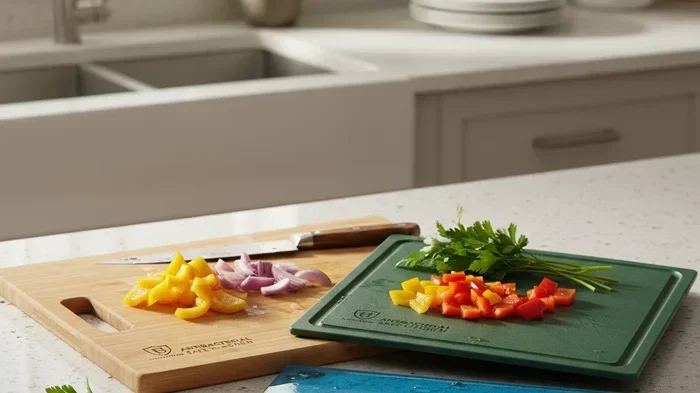
An antibacterial cutting board is a kitchen cutting board designed to actively resist bacterial growth and reduce cross contamination risks. These boards come in wood cutting board, plastic cutting board, and bamboo cutting board options, each offering unique antimicrobial surface benefits. Choosing the right non-toxic cutting board improves your kitchen hygiene and protects your family from foodborne illness.
Key Takeaways
- Antibacterial cutting boards actively fight bacterial growth and reduce cross contamination risks in your kitchen.
- Wood, plastic, and bamboo are the top materials, each offering natural or treated bacteria resistant properties.
- Proper cutting board maintenance is just as important as choosing the right material for food safety.
- An easy to clean cutting board with a knife-friendly surface extends the life of your knives and your board.
- Avoid common mistakes like skipping daily cleaning or using harsh chemicals that damage the antimicrobial surface.
- Replacing your board every 1 to 5 years ensures ongoing protection against harmful microbes.
- Investing in a quality antibacterial cutting board is a small step that makes a big difference in kitchen hygiene.
📑 Table of Contents
- What Makes a Cutting Board Antibacterial?
- Top Materials for Antibacterial Cutting Boards
- Key Benefits of Using an Antibacterial Cutting Board
- How to Choose the Right Antibacterial Cutting Board for Your Kitchen
- Common Mistakes to Avoid with Antibacterial Cutting Boards
- How to Clean and Maintain Your Antibacterial Cutting Board
- Conclusion: Make the Switch to an Antibacterial Cutting Board
What Makes a Cutting Board Antibacterial?
Not all cutting boards are created equal. Some boards are treated with antimicrobial agents that actively fight bacteria. Others are made from materials that naturally resist microbial growth. The key is understanding how these technologies work together to create a safer food prep surface for your home.
Antimicrobial treatments often involve adding substances like silver ions or organic compounds to the board material. These agents disrupt bacterial cell walls and prevent them from multiplying. A bacteria resistant surface means fewer germs survive between uses, which is a huge win for kitchen hygiene.
Some boards also feature textured surfaces that are designed to be easy to clean. The grooves and patterns help channel liquids away from the cutting area, reducing the chance of bacteria pooling. This makes sanitize cutting board routines faster and more effective every single day.
Quick Tips: Choosing the Right Antibacterial Surface
- Look for boards certified by food safety organizations.
- Choose a material that matches your cooking habits and frequency.
- Check if the board is a certified non-toxic cutting board.
- Pick a thickness that prevents flexing and deep knife marks.
- Consider a dishwasher safe cutting board for convenient maintenance.
Materials That Naturally Resist Bacteria
Certain materials have natural properties that make them more bacteria resistant than others. For example, hardwoods like maple and walnut contain natural oils that inhibit bacterial growth. This makes a wood cutting board a popular choice for those seeking a natural antimicrobial surface in their kitchen.
Bamboo is another excellent option. It grows quickly, making it a durable cutting board choice that is also eco-friendly. Bamboo has natural antimicrobial properties, which means it resists bacteria without needing chemical treatments. This makes it a great non-toxic cutting board for health-conscious families who care about what touches their food.
Plastic boards, on the other hand, are often manufactured with antimicrobial additives. These plastic cutting boards are typically dishwasher safe cutting board options, which makes them very convenient for busy kitchens. The key is to replace them when deep knife grooves start to form, since those grooves can harbor bacteria even on treated surfaces.
Top Materials for Antibacterial Cutting Boards
Wood vs Plastic vs Bamboo
When shopping for an antibacterial cutting board, the material is the first decision you need to make. Each option has its own strengths, and the best choice depends on your cooking style and kitchen needs.
Wooden boards are classic and long-lasting. They offer a beautiful knife-friendly surface that dulls blades more slowly than other materials. However, they require more care when it comes to cleaning and cutting board maintenance. A quality wood cutting board can become a kitchen heirloom if you take care of it properly.
Plastic boards are lightweight and easy to replace. They are often the go-to choice for commercial kitchens because they are simple to swap out when they wear down. A plastic cutting board is easy to sanitize cutting board in the dishwasher, but it can develop deep knife grooves over time that trap bacteria.
Bamboo boards strike a balance between the two. They are hard enough to resist knife marks but still gentle on blades. Bamboo is also a durable cutting board material that is kinder to the environment. It is a fantastic choice for eco-conscious cooks who want performance without compromising their values.
Comparison Table: Wood vs Plastic vs Bamboo
| Feature | Wood | Plastic | Bamboo |
|---|---|---|---|
| Antibacterial Properties | Natural oils resist bacteria | Antimicrobial additives | Natural antimicrobial properties |
| Knife-Friendly | Yes, gentle on blades | Moderate | Yes, good balance |
| Dishwasher Safe | No | Yes | No |
| Durability | High | Medium | High |
| Odor Resistance | Good | Poor over time | Good |
| Eco-Friendly | Depends on source | Low | High |
| Price Range | Mid to high | Low to mid | Low to mid |
Which Material Fights Bacteria Best?
Studies have shown that wood and bamboo tend to outperform plastic when it comes to natural bacteria resistance. Research from food science experts found that bacteria placed on wooden surfaces died off faster than on plastic. This is largely due to the natural oils and porous structure of wood, which pulls moisture away from bacteria and creates an inhospitable environment for microbes.
However, a well-maintained plastic cutting board with antimicrobial treatment can also perform very well. The key factor is not just the material but also how you care for the board. Regular cutting board maintenance and proper cleaning make any board more bacteria resistant over time.
If you want the best of both worlds, consider a bamboo cutting board with a natural antimicrobial finish. Bamboo offers strong bacteria resistance, is gentle on knives, and is a sustainable choice for your kitchen. It is a winning combination of performance, durability, and environmental responsibility.
Expert Insights: What Chefs Say About Antibacterial Boards
Professional chefs know the importance of a clean food prep surface. Many top chefs prefer wooden boards for their natural antibacterial properties and knife-friendly surface. Chef Maria Torres, a culinary instructor with over 15 years of experience, notes that “a well-maintained wooden board is safer than a worn-out plastic one. The natural oils in wood create an antimicrobial surface that plastic simply cannot match.”
She also emphasizes the importance of having multiple boards for different tasks. “Use one board for vegetables, another for raw meat, and always sanitize cutting board surfaces between uses. This simple habit prevents cross contamination and keeps your kitchen hygiene at a professional level,” Torres adds.
Key Benefits of Using an Antibacterial Cutting Board
Better Food Safety for Your Family
The most important reason to invest in an antibacterial cutting board is food safety. When you chop raw chicken or meat on a regular board, bacteria can spread to every surface you touch next. An antibacterial cutting board reduces this risk significantly and gives you confidence in every meal you prepare.
Families with young children, elderly members, or anyone with a weakened immune system benefit the most from this added protection. Foodborne illness can cause serious health issues, and prevention starts with simple kitchen upgrades. An easy to clean cutting board that actively fights bacteria gives you peace of mind every single time you cook for someone you love.
Longer Lasting and More Durable
A durable cutting board saves you money in the long run. Antibacterial boards are often made from high-quality materials that resist warping, cracking, and deep knife marks. This means you do not need to replace them as often as standard boards.
Bamboo and hardwood boards, in particular, are known for their longevity. With proper cutting board maintenance, a quality wood cutting board can last for decades. This makes the initial investment well worth it for serious home cooks who value both performance and longevity in their kitchen tools.
Reduced Odor and Staining
Nobody likes the smell of last night’s garlic or fish lingering on their cutting board. An odor resistant cutting board made from quality materials helps eliminate these unpleasant smells. Bamboo and hardwood boards are particularly good at resisting odor absorption, keeping your kitchen cutting board fresh between uses.
Stains from turmeric, berries, or tomato sauce can also be a problem with regular boards. Antibacterial boards often feature surfaces that resist staining, keeping your plastic cutting board or wooden board looking clean and new. This is a small but noticeable benefit that improves your daily cooking experience and keeps your kitchen looking its best.
How to Choose the Right Antibacterial Cutting Board for Your Kitchen
Size and Thickness Matter
The right size depends on your kitchen space and cooking habits. If you have a large kitchen and cook frequently, go for a bigger board with extra room for chopping and arranging ingredients. A board that is at least 12 inches by 18 inches works well for most families and provides plenty of workspace for meal prep.
Thickness matters just as much. A thicker board, around 1.5 inches or more, provides stability and prevents flexing when you cut. Flexing can cause deep knife grooves over time, which creates hiding spots for bacteria. Choose a durable cutting board that feels solid and steady on your countertop every time you use it.
Knife-Friendly Surfaces
Your knife blade is an investment too, and the wrong board can dull it quickly. A knife-friendly surface is essential for maintaining sharp edges. Wood and bamboo boards are naturally gentler on blades than plastic or glass alternatives, which can wear down your knives faster than you would like.
Look for boards made from end-grain wood, which is especially kind to knives. The individual wood fibers lift and close around the blade, reducing friction and extending the life of your expensive chef’s knives. This type of antimicrobial surface combines protection with performance, making it a favorite among serious home cooks and professionals alike.
Easy to Clean and Maintain
An easy to clean cutting board should be high on your priority list. Boards that are dishwasher safe cutting board options offer convenience, but hand washing is often better for longevity. Use hot soapy water and a brush to clean both sides thoroughly after every use.
For deep cutting board maintenance, rub the board with coarse salt and a lemon half. This natural method removes odors and helps sanitize the surface without harsh chemicals. After cleaning, dry the board upright to prevent moisture from pooling on the bottom, which can lead to warping or mold growth even on the best bacteria resistant boards.
Quick Tips: Keeping Your Board Fresh
- Always dry your board upright after washing to prevent moisture buildup.
- Rub with coarse salt and lemon monthly for natural sanitize cutting board care.
- Apply food-grade mineral oil every few weeks to maintain the protective barrier.
- Replace your board when deep knife grooves appear, even on bacteria resistant surfaces.
- Use separate boards for raw meat and vegetables to prevent cross contamination.
Common Mistakes to Avoid with Antibacterial Cutting Boards
Skipping Regular Cleaning
Even the best antibacterial cutting board needs regular cleaning. Some people assume that because a board is antibacterial, it does not need frequent washing. This is a dangerous misconception. No board is fully self-cleaning, and bacteria can still accumulate if you skip your sanitize cutting board routines.
Always wash your board after every use, especially after cutting raw meat or poultry. A quick rinse is not enough. Use hot water, soap, and a scrub brush to remove all residue. This simple habit is the foundation of good kitchen hygiene and keeps your food prep surface safe for the next meal.
Using the Wrong Cleaner
Harsh chemicals and abrasive cleaners can damage the surface of your board. Bleach and strong detergents can strip the natural oils from wood and bamboo, making them more susceptible to cracking and bacteria. Stick to mild dish soap and warm water for your daily cleaning routine.
For a deeper clean, use a paste of baking soda and water. This gentle non-toxic cutting board cleaning method removes stains and odors without harming the material. Avoid soaking your board in water for extended periods, as this can cause warping and splitting that compromises the antimicrobial surface you rely on.
Common Mistakes at a Glance
- Never put a wooden or bamboo board in the dishwasher.
- Do not use bleach or harsh chemicals on natural boards.
- Do not store boards flat where moisture can collect underneath.
- Do not ignore deep knife grooves, even on bacteria resistant boards.
- Do not use one board for all tasks, including cutting raw meat.
How to Clean and Maintain Your Antibacterial Cutting Board
Daily Cleaning Routine
A simple daily routine keeps your kitchen cutting board in top shape. After each use, scrub the board with hot water and mild dish soap. Rinse thoroughly and wipe dry with a clean towel. For a dishwasher safe cutting board, you can place it on the top rack for a gentle cycle, but hand washing always extends the board’s lifespan.
Never leave your board wet or stored in a damp area. Moisture is the enemy of any cutting board, whether it is a wood cutting board, plastic, or bamboo. Standing water can seep into the fibers and promote mold growth, even on boards with antimicrobial properties. Always dry your board thoroughly and store it in a ventilated area.
Deep Sanitizing Tips
Once a week, give your board a deep clean. For wooden and bamboo boards, spread coarse salt over the surface and rub it with a halved lemon. The acid from the lemon and the abrasive salt work together to sanitize cutting board surfaces naturally without any chemical residue.
For plastic boards, you can use a diluted bleach solution of one tablespoon of bleach per gallon of water. Let it sit for a few minutes, then rinse thoroughly and dry completely. This method is effective for plastic cutting boards that have developed odors or light staining over time from frequent use.
For extra protection, apply a thin layer of food-grade mineral oil to wooden and bamboo boards after deep cleaning. This helps maintain the board’s natural barrier against moisture and bacteria. It also keeps the antimicrobial surface performing at its best and extends the life of your investment significantly.
When to Replace Your Board
Even the best durable cutting board has a lifespan. Deep knife grooves, cracks, and warping are clear signs that it is time for a replacement. These imperfections create hiding spots for bacteria that even the best antibacterial cutting board cannot fully eliminate. No amount of cleaning can fully sanitize a board that is physically damaged.
As a general rule, replace your plastic board every 1 to 2 years and your wooden or bamboo board every 3 to 5 years with proper care. Listen to your board and trust your senses. If it feels rough, smells persistent even after cleaning, or shows deep cuts and grooves, it is time to invest in a new one for optimal food safety and peace of mind.
Common Mistakes: Quick Reference
- Skipping daily cleaning even on bacteria resistant boards.
- Using harsh chemicals that damage the antimicrobial surface.
- Storing boards in damp areas where moisture collects.
- Ignoring deep knife grooves and cracks that harbor bacteria.
- Using one board for raw meat and vegetables without sanitizing between uses.
- Putting wooden or bamboo boards in the dishwasher.
Conclusion: Make the Switch to an Antibacterial Cutting Board
Making the switch to an antibacterial cutting board is one of the easiest ways to improve your kitchen hygiene and protect your family’s health. These boards offer real benefits, from reducing cross contamination to providing a knife-friendly surface that lasts for years of daily use.
Whether you choose a wood cutting board, a plastic cutting board, or a bamboo cutting board, the key is to pick a quality non-toxic cutting board that suits your cooking style and commit to proper cutting board maintenance. A clean, well-maintained board is the foundation of safe and enjoyable cooking in any home kitchen.
Your kitchen is the heart of your home. Give it the protection it deserves with an antibacterial cutting board that keeps your food prep surface safe, fresh, and ready for every meal you prepare. Start today, and taste the difference that better kitchen hygiene and food safety can make for you and your loved ones.
Frequently Asked Questions
What is the best material for an antibacterial cutting board?
Wood and bamboo are widely considered the best materials for a natural antibacterial cutting board. Both have inherent antimicrobial properties that fight bacteria without chemical treatments. If you prefer convenience, a plastic cutting board with antimicrobial additives is also a solid choice, especially if it is dishwasher safe and easy to sanitize cutting board after each use.
Can you put a wooden antibacterial cutting board in the dishwasher?
No, you should never put a wooden board in the dishwasher. The high heat and prolonged water exposure can cause warping, cracking, and splitting. This damages the antimicrobial surface and shortens the board’s lifespan. Hand wash your wood cutting board with warm soapy water and dry it upright immediately.
How often should you replace an antibacterial cutting board?
Replace plastic boards every 1 to 2 years and wooden or bamboo boards every 3 to 5 years with proper care. Deep knife grooves, cracks, warping, and persistent odors are clear signs that replacement is needed. Even the best durable cutting board cannot protect your food safety when it becomes physically damaged.
Are antibacterial cutting boards safe for food preparation?
Yes, antibacterial cutting boards are designed specifically for food preparation and are safe for everyday use. Look for boards that are certified as non-toxic cutting board products and free from harmful chemicals. These boards undergo testing to ensure they meet food safety standards for kitchen hygiene and foodborne illness prevention.
Can you use bleach on an antibacterial cutting board?
For plastic boards, a diluted bleach solution is safe for occasional deep cleaning. However, never use bleach on wooden or bamboo boards, as it strips the natural oils and damages the bacteria resistant surface. Stick to mild dish soap for daily cleaning and use natural methods like salt and lemon for weekly cutting board maintenance.
What is the difference between antibacterial and regular cutting boards?
A regular kitchen cutting board provides a surface for chopping and slicing, but it does not actively fight bacterial growth. An antibacterial cutting board is treated with antimicrobial agents or made from materials that naturally resist bacteria. This reduces cross contamination risks and supports better food safety, especially when handling raw meat and poultry.