How To Reheat Refried Beans In The Oven Like A Pro
Reheating refried beans in the oven is the best way to keep them creamy, flavorful, and perfectly warm. This guide shows you exactly how to reheat refried beans in the oven with simple steps, helpful tips, and common mistakes to avoid. Whether you are meal prepping or saving leftovers, you will get restaurant-quality results every single time.
There is something deeply satisfying about a bowl of warm refried beans. They pair perfectly with tacos, burritos, enchiladas, or even a simple plate of rice and vegetables. But here is the thing most people learn the hard way. When you zap leftover refried beans in the microwave, they often come out dry, lumpy, or unevenly heated. That is exactly why you need to learn how to reheat refried beans in the oven. The oven method is simple, reliable, and produces results that taste almost as good as freshly made beans.
Whether you are reheating leftover Mexican food from last night or meal prepping for the week ahead, your oven is the best tool for the job. It uses gentle, indirect heat that warms the beans evenly from edge to center. You keep the creamy texture, the rich flavor, and the smooth consistency that makes refried beans so beloved. In this guide, we walk you through every step in detail. You will learn the right temperature, the best dishes to use, and simple tricks that make a huge difference. Let us get started.
Key Takeaways
- Oven reheating preserves the creamy texture of refried beans far better than microwaving.
- Always cover your dish with foil or a lid to trap moisture and prevent drying.
- A low and slow approach works best for even heating without burning the edges.
- Adding a splash of liquid before reheating keeps refried beans smooth and spreadable.
- Stirring halfway through ensures every bite gets evenly warmed.
- Proper storage makes a big difference in how well your beans reheat later.
- Avoid high heat at all costs because it causes clumping and scorching.
📑 Table of Contents
- Why Oven Reheating Is The Best Way To Warm Up Refried Beans
- Step-By-Step Guide To Reheat Refried Beans In The Oven
- Tips For Getting Perfectly Reheated Refried Beans Every Time
- Oven Vs Microwave: Which Method Is Better For Reheating Beans
- Common Mistakes People Make When Reheating Refried Beans
- How To Store Refried Beans So They Reheat Beautifully
- Final Thoughts On Reheat Refried Beans In Oven
Why Oven Reheating Is The Best Way To Warm Up Refried Beans
You might wonder why the oven is better than a microwave or stovetop for reheating leftover beans. The answer comes down to heat distribution and moisture control. Microwaves heat food unevenly, creating hot spots and cold zones. Stovetops require constant stirring and attention. The oven, on the other hand, wraps your dish in gentle, consistent warmth. Here is why this matters so much for refried beans.
Even Heat Distribution
Ovens surround food with hot air on all sides. This means every part of your refried beans gets the same amount of warmth. There are no cold centers or scorched edges. When you reheat refried beans in the oven, the heat penetrates slowly and uniformly. This slow warming process keeps the beans from breaking down or separating. The result is a smooth, creamy bowl of beans that taste freshly made.
Moisture Retention
Refried beans are already rich and dense. They do not have a lot of natural moisture compared to soups or stews. When you heat them too quickly or at high temperatures, the water evaporates fast. This leaves you with dry, crumbly beans that are hard to spread. The oven lets you trap moisture inside the dish using foil or a lid. This simple trick keeps your beans soft, creamy, and easy to serve.
Better Flavor Development
Here is a bonus benefit that many people overlook. The oven actually enhances the flavor of reheated refried beans. As the beans warm slowly, the spices and seasonings have time to meld together. The fats in the beans soften and redistribute. This creates a richer, more complex taste compared to rushed microwave reheating. Your leftover beans can taste almost as good as the first time around.
Step-By-Step Guide To Reheat Refried Beans In The Oven
Now that you understand why the oven works so well, let us get into the process. Follow these steps carefully and you will never go back to the microwave for reheating beans again.
Step One: Preheat Your Oven
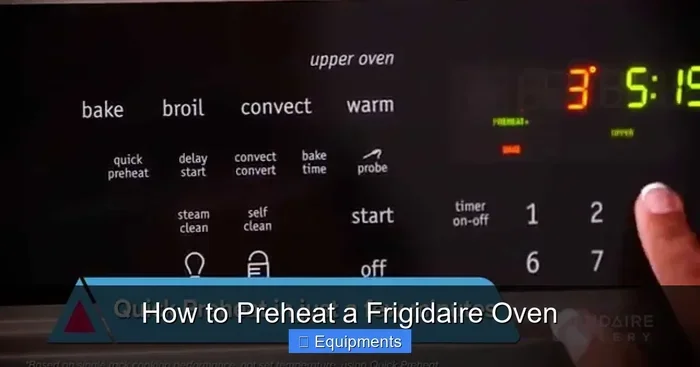
Start by preheating your oven to 325 degrees Fahrenheit. This is the sweet spot for reheating refried beans. It is warm enough to heat the food through but gentle enough to prevent drying or burning. Avoid setting the temperature higher than 350 degrees. High heat is the number one enemy of creamy beans. Give your oven about 10 to 15 minutes to reach the target temperature before you put the beans inside.
Step Two: Choose The Right Oven-Safe Dish
Transfer your leftover refried beans into an oven-safe dish. A ceramic baking dish, glass pyrex container, or oven-safe metal pan all work great. Make sure the dish is not too deep. You want the beans spread in a thin, even layer. This helps them heat faster and more evenly. If you have a large batch, you can use two smaller dishes instead of one deep one. The thinner layer matters more than you might think.
Step Three: Add A Splash Of Liquid
This is the secret step that makes all the difference. Before covering and baking, add a small splash of liquid to your refried beans. You can use water, chicken broth, or even a little milk. About one to two tablespoons per cup of beans is perfect. This extra moisture compensates for any evaporation during the reheating process. It keeps the beans creamy and prevents them from forming a dry crust on top.
Step Four: Cover The Dish Tightly
Cover your dish with aluminum foil or a fitted oven-safe lid. The cover traps steam inside, which keeps the beans moist. It also creates a mini oven within the dish, speeding up the heating process. Make sure the foil is tucked in snugly around the edges. You do not want steam escaping during the reheating process. This simple step is what separates good reheated beans from great ones.
Step Five: Bake For 15 To 20 Minutes
Place the covered dish on the middle rack of your oven. Set a timer for 15 minutes. After 15 minutes, carefully remove the foil and check the beans. The top should be warm and slightly steaming. If the beans still feel cold in the center, cover them back up and bake for another 5 minutes. Most batches of refried beans will be perfectly heated in 15 to 20 minutes total.
Step Six: Stir And Serve
Once the beans are heated through, remove the dish from the oven. Take off the foil carefully to avoid steam burns. Give the beans a good stir with a spoon or spatula. This redistributes any moisture that settled at the bottom and ensures an even temperature throughout. Taste a small spoonful to check the warmth. If needed, return the dish to the oven for a few more minutes. Serve immediately while hot and enjoy.
Tips For Getting Perfectly Reheated Refried Beans Every Time
The basic method we just covered works great every time. But these pro tips will take your reheated beans to the next level. These are the small details that make a big difference in taste and texture.
Add A Little Fat
Before reheating, add a small pat of butter or a drizzle of olive oil to your beans. This adds richness and helps maintain the smooth, creamy consistency. Fat also carries flavor, so your reheated beans will taste more vibrant and satisfying. This trick works especially well for beans that were on the dry side to begin with.
Use Broth Instead Of Water
When you add liquid in step three, try using warm chicken broth or vegetable broth instead of plain water. The broth adds extra flavor and depth to the beans. It is a simple swap that elevates the taste significantly. This works beautifully for both vegetarian and meat-based refried bean recipes.
Do Not Skip The Stir
Stirring halfway through reheating is not optional if you want perfect results. Without stirring, the bottom of the beans can get too hot while the top stays cool. Stirring also breaks up any small clumps that form during storage. Use a sturdy spoon and fold the beans gently from the bottom to the top. This takes only a few seconds but makes a noticeable difference.
Let The Beans Rest After Heating
Once your beans come out of the oven, let them sit for two to three minutes before serving. This resting period allows the heat to distribute evenly throughout the dish. It also gives the beans time to settle into a smooth, spreadable consistency. Patience here pays off with a better eating experience.
Reheat In Small Batches
If you have a large amount of leftover beans, avoid reheating everything at once in one deep dish. Instead, divide them into smaller, shallower dishes. The thinner layer heats up faster and more evenly. This prevents the common problem of burnt edges and cold centers. It might take a little more dishwashing, but the results are worth it.
Oven Vs Microwave: Which Method Is Better For Reheating Beans
Let us settle this debate once and for all. The microwave is fast and convenient, but the oven delivers superior results for refried beans. Here is a detailed comparison to help you understand why.
Texture Comparison
The microwave uses radiation to heat water molecules inside the food. This creates rapid, uneven heating. The result is often a rubbery, dried-out outer layer with a cold center. The oven heats gently and evenly, preserving the original creamy texture of refried beans. When you reheat refried beans in the oven, you get smooth, spreadable beans that look and taste fresh.
Speed And Convenience
The microwave wins this round. It takes about two minutes to reheat beans in the microwave. The oven requires 15 to 20 minutes plus preheating time. However, the extra time is minimal when you consider the dramatic improvement in quality. If you are in a true rush, the microwave is acceptable. But for any occasion where quality matters, the oven is the clear winner.
Flavor And Seasoning
Microwaves tend to dull the flavors of reheated food. The rapid heating breaks down delicate spice compounds. The oven, with its slow and gentle approach, actually preserves and enhances the seasoning. Your refried beans will taste more flavorful when reheated in the oven. The spices have time to bloom and meld together during the slow warming process.
| Factor | Oven | Microwave |
|---|---|---|
| Texture | Creamy and smooth | Often dry and lumpy |
| Heating Time | 15 to 20 minutes | 1 to 3 minutes |
| Flavor | Enhanced and rich | Dulled and flat |
| Evenness | Heats evenly throughout | Hot spots and cold zones |
| Moisture Control | Excellent with foil cover | Poor, beans dry out |
| Best For | Quality and taste | Speed and convenience |
Common Mistakes People Make When Reheating Refried Beans
Even with the best intentions, it is easy to make mistakes when reheating leftover beans. Avoid these common errors and your beans will turn out perfectly every time.
Using Too High Heat
This is the single biggest mistake people make. Cranking the oven up to 400 or 425 degrees seems like a faster way to reheat refried beans in the oven. But it is a disaster waiting to happen. High heat causes the edges to burn while the center stays cold. The beans dry out quickly and develop an unpleasant, scorched taste. Stick to 325 degrees and be patient. The slow approach is the right approach.
Forgetting To Add Liquid
Refried beans lose moisture during storage. When you reheat them without adding any liquid, they turn into a dry, cement-like mass. Always add at least a tablespoon of water, broth, or milk before baking. This small addition transforms dry, clumpy beans back into smooth, creamy perfection. Do not skip this step, no matter how rushed you are.
Not Covering The Dish
Leaving your beans uncovered in the oven allows steam to escape. Without trapped moisture, the beans dry out on top and form a hard crust. Always cover your dish with foil or a lid. The trapped steam creates a humid environment that keeps the beans soft and creamy. This is one of the simplest yet most impactful steps in the entire process.
Using A Container That Is Too Deep
A deep, narrow container creates a thick layer of beans that heats unevenly. The bottom gets scorched while the top stays cold. Spread the beans in a shallow, wide dish instead. A thin layer ensures heat reaches every part of the beans at the same rate. If your dish is too deep, simply use a second dish or transfer some beans to a smaller container.
Reheating Beans Multiple Times
Each time you reheat beans, you lose more moisture and quality. The texture deteriorates with each subsequent reheating. Try to only reheat the amount you plan to eat in one sitting. If you have a large batch, portion it out before storing. This way, you only reheat what you need and keep the rest fresh for later. Food safety also matters here, so never reheat beans that have been sitting at room temperature for more than two hours.
How To Store Refried Beans So They Reheat Beautifully
The way you store leftover beans has a direct impact on how well they reheat later. Proper storage starts from the moment you finish your meal. Follow these storage tips and your beans will taste great even on day three.
Refrigerator Storage
Let your refried beans cool to room temperature within two hours of cooking. Then transfer them to an airtight container. A glass container with a tight-fitting lid works best. Place the container in the refrigerator immediately. Properly stored refried beans will last in the fridge for three to four days. Beyond that, the quality drops and food safety becomes a concern.
Freezer Storage
Refried beans freeze beautifully and are a great option for meal prepping. Portion the beans into freezer-safe containers or heavy-duty freezer bags. Leave about half an inch of space at the top because the beans will expand slightly when frozen. Label each container with the date. Frozen refried beans keep well for up to three months. When you are ready to enjoy them, thaw them overnight in the refrigerator before reheating in the oven.
Tips For Storing Beans With Toppings
If your refried beans have cheese, sour cream, or other toppings, store the toppings separately. These items do not freeze or reheat well when mixed into the beans. Keep the beans plain in their container and add fresh toppings when you serve the reheated dish. This simple separation keeps everything tasting its best.
Final Thoughts On Reheat Refried Beans In Oven
Reheating refried beans in the oven is one of the easiest kitchen skills to master. It takes just a few minutes of preparation and delivers results that are far superior to any other method. The oven keeps your beans creamy, flavorful, and perfectly warm from edge to center. Once you try this method, you will never go back to the microwave for leftover beans.
Remember the key steps. Preheat to 325 degrees, add a splash of liquid, cover with foil, and bake for 15 to 20 minutes. Stir halfway through and serve immediately. These simple habits transform ordinary leftovers into a delicious meal. Whether you are feeding a family, meal prepping for the week, or just enjoying a quiet dinner at home, your oven will become your best friend for reheating refried beans.
The beauty of this method is that it works with any type of refried beans. Whether you made them from scratch, opened a can, or reheated leftover Mexican food from a restaurant, the oven approach delivers consistent, reliable results. You are investing just a little extra time for a much better eating experience. Your taste buds will thank you every single time.
So next time you find yourself staring at a container of leftover refried beans, do not reach for the microwave. Preheat your oven, follow these steps, and enjoy beans that taste almost as good as the first time around. Once you learn how to reheat refried beans in the oven properly, there is no going back to the old ways. Your kitchen, your food, and your family will all benefit from this simple but powerful technique.
Frequently Asked Questions
Can I reheat refried beans in the oven without a lid or foil?
You can, but the results will not be as good. Without a cover, the beans lose moisture and can develop a dry, crusty top. If you do not have foil or a lid, add a little extra liquid before baking and check the beans more frequently. Covering the dish is the best practice for keeping refried beans creamy and smooth during oven reheating.
How long can I store leftover refried beans before reheating them in the oven?
Refried beans stored in the refrigerator stay fresh for three to four days. If you freeze them, they keep well for up to three months. Always make sure the beans are properly sealed in an airtight container. When reheating frozen beans, thaw them in the refrigerator overnight first for the best texture and food safety results.
What temperature should I set my oven to when reheating refried beans?
The ideal temperature is 325 degrees Fahrenheit. This gentle heat warms the beans evenly without drying them out or burning the edges. Avoid temperatures above 350 degrees because they cause moisture loss and uneven heating. A lower and slower approach is always better for reheating refried beans in the oven.
Can I reheat canned refried beans in the oven?
Absolutely. Canned refried beans reheat in the oven just as well as homemade or leftover restaurant beans. Follow the same steps, including adding a splash of liquid and covering the dish with foil. Canned beans may need slightly less time since they are already fully cooked, so start checking at the 10-minute mark.
Why do my refried beans get dry when I reheat them?
Dry reheated beans usually happen for two reasons. First, you did not add enough liquid before baking. Second, you left the dish uncovered, allowing moisture to escape. Always add water, broth, or milk before reheating and cover the dish tightly with foil. These two simple steps prevent dryness and keep your beans creamy and spreadable.
Can I reheat refried beans in a glass dish in the oven?
Yes, glass dishes like Pyrex work perfectly for reheating refried beans in the oven. Glass heats evenly and is completely oven-safe. Just make sure the glass is labeled as oven-safe and avoid placing a cold glass dish directly into a hot oven. Let it come to room temperature first, or place it in the oven before preheating for the best results.
=== CONCLUSION ===
Learning how to reheat refried beans in the oven is a game changer for anyone who loves Mexican food, meal prepping, or simply hates wasting leftovers. The oven method is easy, reliable, and produces creamy, flavorful beans every single time. You do not need any special equipment or advanced cooking skills. Just follow the steps we outlined, avoid the common mistakes, and enjoy perfectly reheated beans that taste almost as good as the first time around. Start using your oven for reheating beans today and taste the difference for yourself.