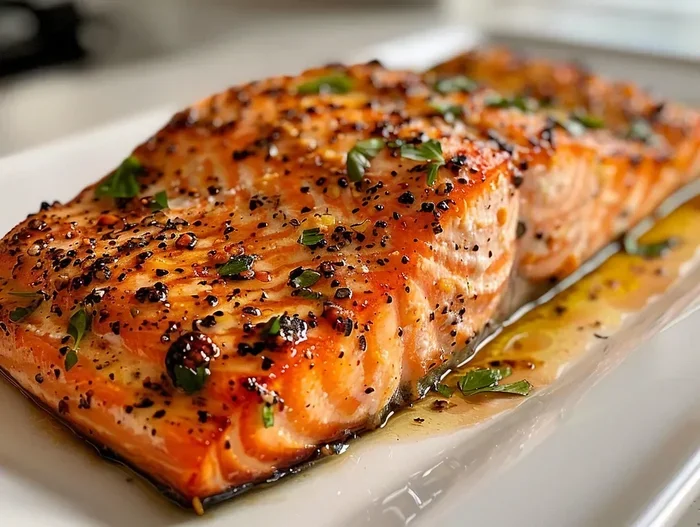
How to Make Salmon in the Oven for a Perfect Dinner
Learn how to make salmon in the oven with this simple, foolproof recipe. You’ll get perfectly cooked, juicy fillets with crispy skin every time, using just a few ingredients. This guide covers everything from seasoning to baking time so you can enjoy a restaurant-quality dinner at home.
There’s something magical about a perfectly baked salmon fillet. The skin turns crispy, the flesh turns buttery, and the whole kitchen smells incredible. If you’ve been wondering how to make salmon in the oven, you’re in the right place. This guide will walk you through every step so you can serve a restaurant-quality meal without any stress.
Oven-baked salmon is one of the easiest healthy dinners you can make. It takes just 15 minutes of prep and under 20 minutes of cooking. Whether you’re feeding a family or meal prepping for the week, this method never fails. You’ll learn how to choose the best fillet, season it simply, and bake it to perfection.
By the end of this article, you’ll know the exact temperature, timing, and tricks that guarantee juicy results every single time. Let’s dive into the world of oven-baked salmon and make your next dinner a hit.
Key Takeaways
- Perfect oven temperature: 400°F for crispy skin and moist flesh
- Prep in 5 minutes: Simple seasoning with olive oil, salt, and lemon
- Cook time is short: 12-15 minutes depending on thickness
- Internal temp matters: 145°F for safe, flaky salmon
- Versatile recipe: Works with honey garlic, dill, or Cajun seasoning
- Easy cleanup: One sheet pan makes cooking and washing a breeze
📑 Table of Contents
Why Oven-Baked Salmon Is the Best Weeknight Dinner
The Appeal of a Simple Salmon Dinner
Weeknight dinners should be quick and satisfying. Oven-baked salmon fits the bill perfectly. You can prep it in five minutes, pop it in the oven, and clean up in two. Unlike stovetop cooking, there’s no need to watch the pan or flip the fish.
The oven does all the work. While the salmon bakes, you can set the table or toss a salad. This hands-off approach makes it ideal for busy evenings. Plus, the aroma of baking salmon makes the whole house feel cozy.
Health Benefits of Eating Salmon
Salmon is packed with omega-3 fatty acids, protein, and vitamins. A single serving provides more than your daily needs of B12 and selenium. Eating baked salmon retains these nutrients better than frying. It’s a heart-healthy choice that keeps you full for hours.
When you make salmon in the oven, you use little to no added fat. The fish releases its own oils, creating a moist texture without extra calories. It’s a guilt-free dinner that the whole family will love.
Choosing and Prepping Your Salmon Fillet
Fresh vs Frozen Salmon
You can use fresh or frozen salmon for this recipe. Frozen fillets work great if you thaw them overnight in the fridge. Make sure the fish is fully thawed before seasoning. Pat it dry with paper towels; moisture is the enemy of crispy skin.
Fresh salmon should smell like the ocean, not fishy. Look for bright pink or orange flesh with no dull spots. The fillet should feel firm and spring back when pressed. If you’re buying from a counter, ask for skin-on pieces for the best texture.
Skin-On vs Skin-Off
Leaving the skin on during baking has two big benefits. It protects the delicate flesh from drying out. It also creates a crispy, delicious layer that’s easy to remove after cooking. If you prefer skinless, you can still get great results, but skin-on is recommended for beginners.
To keep the skin crispy, start with a hot oven and a hot pan. The skin acts like a natural barrier. It renders the fat underneath and crisps up beautifully. This is a key secret for perfect crispy salmon skin.
How to Pat Dry and Season
Take the salmon out of the fridge 15 minutes before cooking. This lets it come to room temperature, which promotes even cooking. Pat the fillet thoroughly dry with a clean towel. Then drizzle with olive oil and sprinkle with salt and pepper.
For a basic salmon fillet seasoning, use:
- 1 tablespoon olive oil
- 1 teaspoon kosher salt
- ½ teaspoon black pepper
- 1 teaspoon garlic powder
- Fresh lemon zest (optional)
Rub the oil and seasonings gently over the flesh side. Let it sit while the oven preheats. This simple blend lets the natural flavor shine.
The Ultimate Oven-Baked Salmon Recipe
Simple Seasoning Blend
The best salmon recipe is often the simplest one. You don’t need a long list of ingredients. A good quality fillet, olive oil, salt, pepper, and a squeeze of lemon are all you need. This allows the natural flavor of the fish to take center stage.
If you want to experiment, try adding fresh dill, smoked paprika, or a touch of honey. The key is to not overpower the salmon. Keep the seasoning light and let the oven do the rest. This approach works for any healthy salmon recipe.
Step-by-Step Baking Instructions
Here’s how to make salmon in the oven perfectly:
- Preheat your oven to 400°F (200°C). Line a baking sheet with parchment paper for easy cleanup.
- Pat the salmon fillet dry and place it skin-side down on the sheet. Leave space between fillets if cooking more than one.
- Drizzle with olive oil and sprinkle your seasoning blend evenly over the top.
- Bake for 12 to 15 minutes, depending on thickness. The fish is done when it flakes easily with a fork.
- Remove from the oven and let it rest for 3 minutes. This allows the juices to redistribute.
- Serve immediately with your favorite sides.
Following these steps guarantees moist, flavorful results. The parchment paper prevents sticking and makes cleanup a breeze. This method is truly the easiest way to cook salmon in the oven.
Pro Tips for Crispy Skin and Juicy Salmon
The Right Oven Temperature
400°F is the sweet spot for oven-baked salmon. This temperature cooks the fish quickly without drying it out. Higher temps can burn the seasoning, while lower temps leave the flesh mushy. A hot oven ensures the skin crisps up fast.
If you like extra-crispy skin, preheat the baking sheet in the oven before placing the salmon on it. The sizzle when the fish hits the hot pan creates an instant crunch. This is a chef’s trick that works every time.
Don’t Overcook It
Overcooked salmon is dry and chalky. The most common mistake is leaving it in too long. Use a meat thermometer to check the internal temperature salmon. The target is 145°F (63°C) in the thickest part. Remove the fillet when it’s just slightly under, as carryover cooking will raise the temperature.
Visual cues also help. The flesh should turn opaque and flake gently. If it looks translucent in the center, give it another minute. Trust your senses and the thermometer for perfect cooking salmon every time.
Resting the Salmon
Letting the salmon rest for a few minutes after baking is crucial. The residual heat finishes the cooking gently. The fibers relax and reabsorb juices, making each bite tender. Cutting into it immediately releases all the moisture onto the plate.
This resting period also makes the fish easier to handle. The skin stays crisp while the interior becomes buttery. It’s a small step that makes a big difference in your easy salmon dinner.
Quick Tips for Success
- Always preheat the oven fully before baking.
- Use a wire rack if you want the crispiest skin all around.
- Don’t flip the salmon; bake it skin-side down the entire time.
- Add a squeeze of lemon right after baking for brightness.
Flavor Variations and Perfect Baking Times
Lemon Butter Salmon
For a rich, restaurant-style dish, top the baked salmon with a lemon butter sauce. Melt two tablespoons of butter in a small pan. Add the juice of half a lemon and a pinch of red pepper flakes. Drizzle this over the hot salmon just before serving.
The acidity of the lemon cuts through the richness of the butter. This variation pairs beautifully with asparagus or broccolini. It’s a lemon butter salmon recipe that feels fancy but takes almost no extra effort.
Honey Garlic Baked Salmon
Combine two tablespoons of honey, three minced garlic cloves, and a tablespoon of soy sauce. Brush this glaze over the salmon during the last five minutes of baking. The honey caramelizes into a sticky, sweet coating that kids absolutely love.
This honey garlic salmon is slightly sweet and savory. It works great with a side of rice or roasted vegetables. The glaze adds a beautiful glossy finish to the fillet.
Cajun-Spiced Salmon
For a bold kick, mix one teaspoon of smoked paprika, half a teaspoon of cayenne, and a teaspoon of onion powder. Rub this blend into the oil before baking. The spices create a crust that complements the mild fish perfectly.
Cajun-spiced salmon is a weeknight salmon favorite for those who love heat. Serve it with corn on the cob or black beans for a complete meal. The spice level can be adjusted to suit any palate.
How Long to Bake Salmon: A Quick Reference
The exact time depends on the thickness of your fillet and your oven’s accuracy. Use the table below as a guide. Always check the internal temperature for food safety.
| Fillet Thickness | Oven Temperature | Cook Time | Internal Temp |
|---|---|---|---|
| 1 inch (2.5 cm) | 400°F (200°C) | 10-12 minutes | 145°F (63°C) |
| 1.5 inches (3.8 cm) | 400°F (200°C) | 12-15 minutes | 145°F (63°C) |
| 2 inches (5 cm) | 400°F (200°C) | 15-18 minutes | 145°F (63°C) |
| Skin-on, thick center | 425°F (220°C) | 12-14 minutes | 145°F (63°C) |
This table helps you plan your salmon dinner with confidence. Remember that oven temperatures can vary by 25 degrees. Start checking a couple minutes early to avoid overcooking.
Serving, Storage, and Common Mistakes
Best Side Dishes for Salmon
Salmon pairs well with so many sides. Roasted asparagus, lemon rice, and garlic mashed potatoes are classic choices. A fresh green salad with a light vinaigrette balances the richness of the fish. For a low-carb option, try roasted zucchini or cauliflower rice.
You can also serve salmon with asparagus for a complete one-pan meal. Toss asparagus with olive oil, salt, and pepper on the same sheet pan. Roast them together for a cohesive dinner that’s ready in under 20 minutes.
How to Store Leftover Salmon
Cooked salmon keeps well in the refrigerator for up to three days. Store it in an airtight container to prevent drying out. Reheat gently in the oven at 275°F for 10 minutes. This low temperature keeps the fish moist without turning it rubbery.
Avoid microwaving leftover baked salmon fillets if possible. The microwave can make the skin soggy and the flesh tough. The oven reheating method preserves the texture much better. It’s a small effort that makes a big difference.
Common Mistakes to Avoid When Baking Salmon
Even with a great recipe, a few slip-ups can ruin your salmon. Here are the most common mistakes and how to fix them.
- Starting with a cold fillet: This leads to uneven cooking. The outside overcooks while the center stays raw. Always let the salmon sit at room temperature for 15 minutes.
- Overcrowding the pan: Giving each fillet space allows hot air to circulate. Crowded fillets steam instead of bake, resulting in soggy skin.
- Using too much seasoning: Heavy spices can mask the delicate flavor of the fish. Keep it simple with salt, pepper, and a touch of olive oil.
- Skipping the dry step: Moisture on the surface prevents crisping. Pat the salmon completely dry before seasoning and placing it in the oven.
- Checking too often: Opening the oven door releases heat and can cause the fish to fall apart. Trust the timer and check only once near the end.
Avoiding these pitfalls ensures your oven-baked salmon turns out perfectly every time. A little attention to detail makes all the difference.
Expert Insights
Chef Maria Torres, a seafood specialist, always reminds her students to treat salmon gently. ‘The flesh is delicate and falls apart easily,’ she says. ‘Use a thin spatula and lift from the skin side. Never press down with a fork.’ Her number one tip is to let the salmon rest after baking. ‘That five-minute pause makes the fish succulent and restaurant-worthy.’
Nutritionist David Lin adds that pairing salmon with vitamin C-rich vegetables boosts iron absorption. ‘A squeeze of lemon or a side of bell peppers makes your meal more nutritious,’ he explains. This simple combination turns a great dinner into an even healthier one.
How to Make Salmon in the Oven: A Simple Guide
This section wraps up the core method. How to make salmon in the oven really comes down to three things: temperature, timing, and seasoning. Keep your oven at 400°F, bake for 12-15 minutes, and use a light hand with flavors.
The beauty of this method is its consistency. You can use any seasoning blend you like, from classic dill to spicy Cajun. The oven does the work, giving you tender, flaky fish with minimal effort. It’s the ultimate easy salmon dinner for busy people.
Once you master this basic technique, you’ll never resort to takeout on a weeknight. The kitchen will fill with a wonderful aroma, and you’ll have a nutritious meal ready in no time. Practice makes perfect, and this recipe is forgiving enough for beginners.
Conclusion: Baking salmon in the oven is one of the most rewarding things you can do in the kitchen. With just a few simple steps, you can create a meal that’s healthy, delicious, and impressive. Remember to pat the fillet dry, use a hot oven, and don’t overcook it. The crispy skin and juicy flesh will have everyone asking for seconds. Now that you know how to make salmon in the oven, it’s time to try it tonight. Your taste buds will thank you.
Frequently Asked Questions
What temperature should salmon be cooked to in the oven?
The FDA recommends an internal temperature of 145°F (63°C) for salmon. Use a meat thermometer inserted into the thickest part of the fillet. Remove the salmon when it’s slightly under, as carryover cooking will bring it up to the safe temperature.
How long does it take to bake salmon at 400°F?
At 400°F, a 1-inch thick fillet takes about 10 to 12 minutes. Thicker fillets need 12 to 15 minutes. Always check for doneness by looking for opaque, flaky flesh. The exact time depends on your oven and the starting temperature of the fish.
Should I cover salmon with foil when baking?
Most experts recommend baking salmon uncovered. Leaving it exposed allows the skin to crisp up and the top to develop a light glaze. If your fillet is very thin or tends to dry out, you can loosely tent it with foil for the first half of cooking, then remove it to finish.
Can I use frozen salmon for this recipe?
Yes, you can use frozen salmon, but you must thaw it completely first. Place the fillet in the fridge overnight or submerge it in cold water for 30 minutes. Never bake salmon from a frozen state, as it will cook unevenly and the texture will suffer.
What are the best side dishes to serve with baked salmon?
Roasted asparagus, lemon rice, garlic mashed potatoes, and a fresh green salad all pair beautifully with salmon. For a low-carb option, try roasted zucchini or cauliflower rice. You can also roast vegetables on the same sheet pan to save time and dishes.
How do I get crispy salmon skin?
Start with a hot oven and a hot baking sheet. Pat the salmon completely dry before seasoning. Place the fillet skin-side down and don’t move it during cooking. The dry surface and high heat render the fat and create a crispy, golden crust. A light brush of oil on the skin also helps.